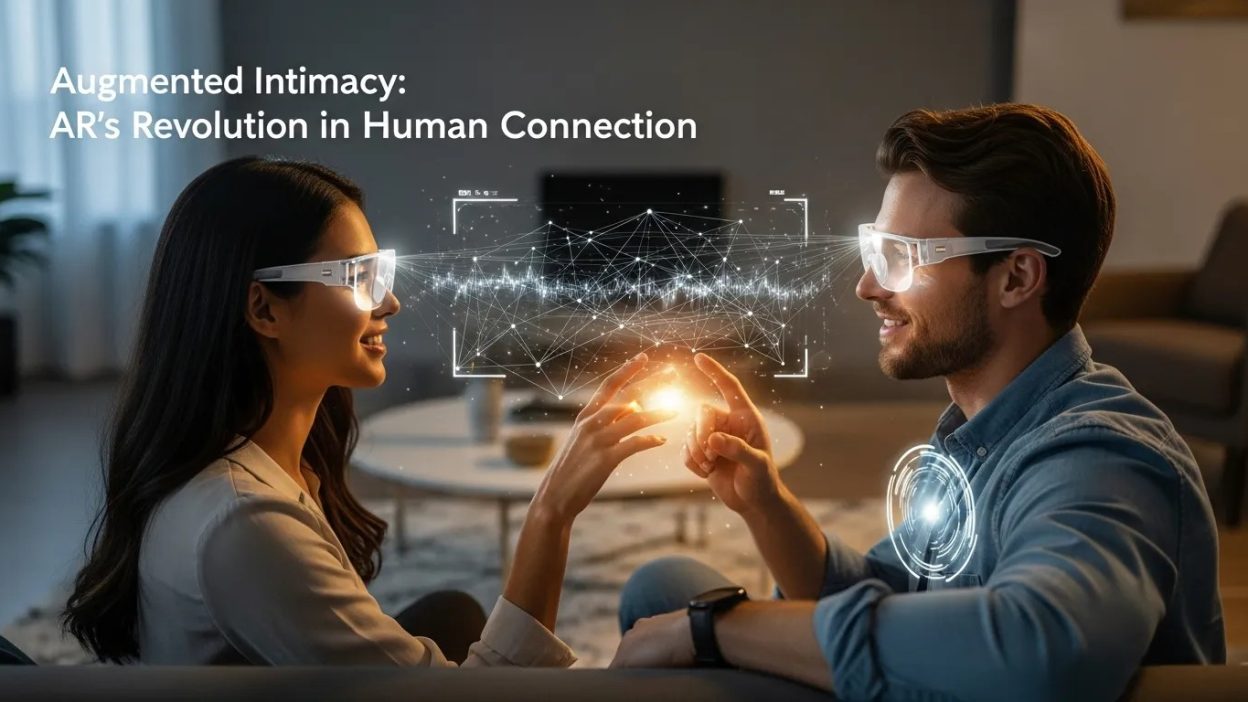
Augmented intimacy leverages AR technologies like Phantom Touch VR and AI-personalized VR narratives to deepen human connection. By simulating touch, emotions, and real-time responses, it transforms digital interactions into immersive, emotionally rich experiences that redefine relationships in the modern age.
How AR is Shaping Augmented Intimacy in the Digital Age
In today’s rapidly evolving digital landscape, maintaining meaningful relationships can feel more challenging than ever. The concept of augmented intimacy is reshaping the way we experience human connection, offering tools that bridge physical distance and deepen emotional engagement. By integrating AR into social, professional, and personal interactions, augmented intimacy allows people to share experiences that feel immediate, immersive, and profoundly human.
Technologies like Phantom Touch VR make this possible by simulating tactile feedback in virtual spaces, giving users the sensation of touch even when they are miles apart. With the rise of augmented intimacy, emotional cues and non-verbal communication are no longer lost in digital interactions, but instead amplified, enabling richer, more authentic bonds.
The Psychology Behind Augmented Intimacy
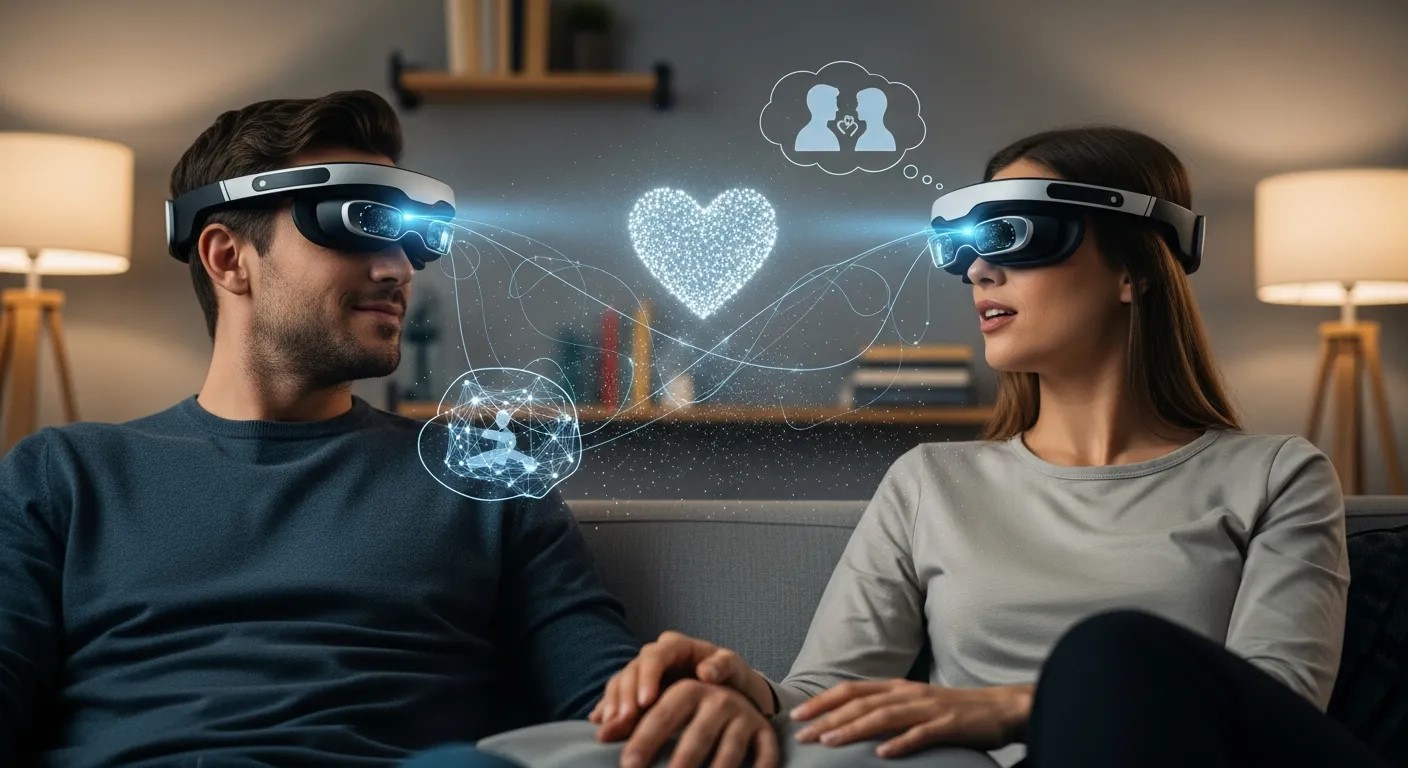
Understanding the psychology behind augmented intimacy is essential. Human connection relies on subtle cues—tone of voice, gestures, eye contact, and touch. AR technologies replicate these cues in virtual environments, making interactions feel natural and emotionally fulfilling. Tools like AI-Personalized VR Narratives adapt experiences based on individual preferences and behavioral responses, creating interactions that resonate deeply with users.
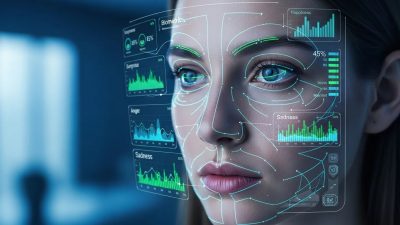
Moreover, innovations such as Real-time Emotional & Physiological Overlay track users’ emotional states and physiological reactions, enabling AR systems to adjust experiences dynamically. This creates interactions that feel alive and responsive, reinforcing the principles of augmented intimacy in a tangible, measurable way.
Key Technologies Driving Augmented Intimacy
Phantom Touch VR
A cornerstone of augmented intimacy, Phantom Touch VR introduces haptic feedback into virtual environments, allowing users to feel the presence of others. From virtual collaboration to social experiences, this technology bridges the gap between absence and presence, making digital connection more emotionally authentic.
AI-Personalized VR Narratives
AI-Personalized VR Narratives further enhance augmented intimacy by tailoring experiences to individual users. These narratives interpret behavior patterns and emotional responses, ensuring that each interaction feels unique, meaningful, and deeply personal.
Real-time Emotional & Physiological Overlay
By incorporating Real-time Emotional & Physiological Overlay, AR platforms can detect subtle changes in users’ emotions and adjust interactions accordingly. This real-time responsiveness transforms virtual encounters into dynamic experiences, strengthening the sense of augmented intimacy.
Software Used for Augmented Reality
Creating immersive AR experiences requires specialized software used for augmented reality. These tools allow developers to build environments that are visually compelling, emotionally engaging, and capable of supporting augmented intimacy across diverse applications.
Machine Learning in SEM and Smart SEM Budget Allocation
The integration of Machine Learning in SEM with Smart SEM Budget Allocation ensures that AR experiences reach the right audiences efficiently. By analyzing user behavior and optimizing campaigns, businesses can enhance engagement while promoting augmented intimacy across digital platforms.
Applications of Augmented Intimacy in Daily Life
The concept of augmented intimacy is not just theoretical; it is rapidly finding practical applications across multiple areas of life. From personal relationships to professional collaboration, AR-driven experiences are enabling connections that feel both immediate and emotionally resonant.
Personal Relationships
In personal relationships, augmented intimacy is changing how couples and friends interact, especially across distances. With technologies like Phantom Touch VR, people can experience a virtual sense of touch, enhancing the emotional quality of interactions. Partners can share experiences in virtual spaces, from simple gestures like holding hands to immersive activities such as virtual travel, fostering closeness despite physical separation.
Moreover, AI-Personalized VR Narratives allow these virtual interactions to adapt to individual behaviors and preferences. By tailoring experiences to each user, AR enhances emotional connection and ensures that interactions feel personal and authentic. Combined with Real-time Emotional & Physiological Overlay, the system can detect subtle cues like facial expressions or micro-movements, further enriching the sense of presence and engagement.
Professional Collaboration
In professional environments, augmented intimacy helps remote teams communicate more effectively. Virtual meetings enhanced with haptic feedback, spatial audio, and AI-driven adjustments create a sense of presence that surpasses traditional video conferencing. Tools like software used for augmented reality allow companies to build interactive environments for training, workshops, and collaborative design, making virtual teamwork more intuitive and emotionally engaging.
The integration of Machine Learning in SEM ensures that collaborative AR tools are optimized for user engagement. By analyzing behavior patterns and interaction data, platforms can adjust content delivery and layout, improving usability while fostering meaningful connection. Additionally, Smart SEM Budget Allocation helps organizations invest wisely in AR technologies that deliver the highest return in engagement and productivity.
Healthcare and Therapy
Healthcare is another field experiencing transformation through augmented intimacy. Therapists and clinicians are leveraging AR to create emotionally supportive environments for patients. Virtual sessions enhanced with Real-time Emotional & Physiological Overlay allow practitioners to monitor emotional responses, tailoring interventions to meet patients’ unique needs.
Similarly, AI-Personalized VR Narratives can simulate social situations for therapeutic purposes, helping individuals with social anxiety or PTSD practice interactions in a safe, controlled environment. By enhancing emotional realism, augmented intimacy provides therapeutic experiences that feel more effective and engaging than conventional digital therapy tools.
Augmented Intimacy in Education and Entertainment
Education and Learning
Augmented intimacy is revolutionizing education by creating immersive learning environments where students feel personally engaged. AR platforms allow learners to interact with 3D models, virtual classrooms, and collaborative projects as if they were physically present. This emotional and cognitive engagement enhances comprehension, retention, and participation.
Educators are increasingly using AI-Personalized VR Narratives to adapt lessons to individual learning styles, making educational experiences more personal and interactive. For example, a student studying human anatomy can explore detailed simulations, while the system dynamically adjusts based on their reactions, thanks to Real-time Emotional & Physiological Overlay.
Additionally, software used for augmented reality enables institutions to create scalable, interactive lessons that support collaborative learning. This integration makes students feel more connected to both the material and their peers, reinforcing the principles of augmented intimacy in digital education.
Entertainment and Social Experiences
In the entertainment sector, augmented intimacy transforms how audiences engage with content. Concerts, theater, and gaming experiences now incorporate AR elements that allow participants to feel physically and emotionally present. Phantom Touch VR adds tactile feedback to virtual concerts or gaming interactions, making experiences more immersive and emotionally engaging.
Meanwhile, AI-Personalized VR Narratives allow entertainment platforms to tailor stories and interactions to each user. Whether it’s a virtual escape room, an interactive movie, or a shared social VR event, these narratives ensure that experiences feel unique, personal, and emotionally satisfying.
Real-time emotional tracking through Real-time Emotional & Physiological Overlay also enables dynamic adaptation of content. For instance, a VR game could adjust its difficulty or narrative pace based on a player’s stress level or excitement, creating a richer, more personalized experience.
Future Trends in Augmented Intimacy
Looking forward, the evolution of augmented intimacy is expected to reshape nearly every aspect of human interaction. Emerging technologies will enhance the depth of connection, emotional intelligence, and empathy in digital spaces.
Integration with Machine Learning in SEM and Smart SEM Budget Allocation will allow platforms to optimize both reach and engagement, ensuring that AR experiences not only feel personal but also connect users to the right communities, content, and services.
Experts predict that as AR hardware becomes more accessible, augmented intimacy will move from niche applications to mainstream adoption, influencing relationships, workplaces, education, entertainment, and even therapy. The boundary between physical and digital connection will blur, creating hybrid experiences where emotional resonance is just as strong as in-person interaction.
Social Impact and Ethical Considerations of Augmented Intimacy
Strengthening Social Bonds
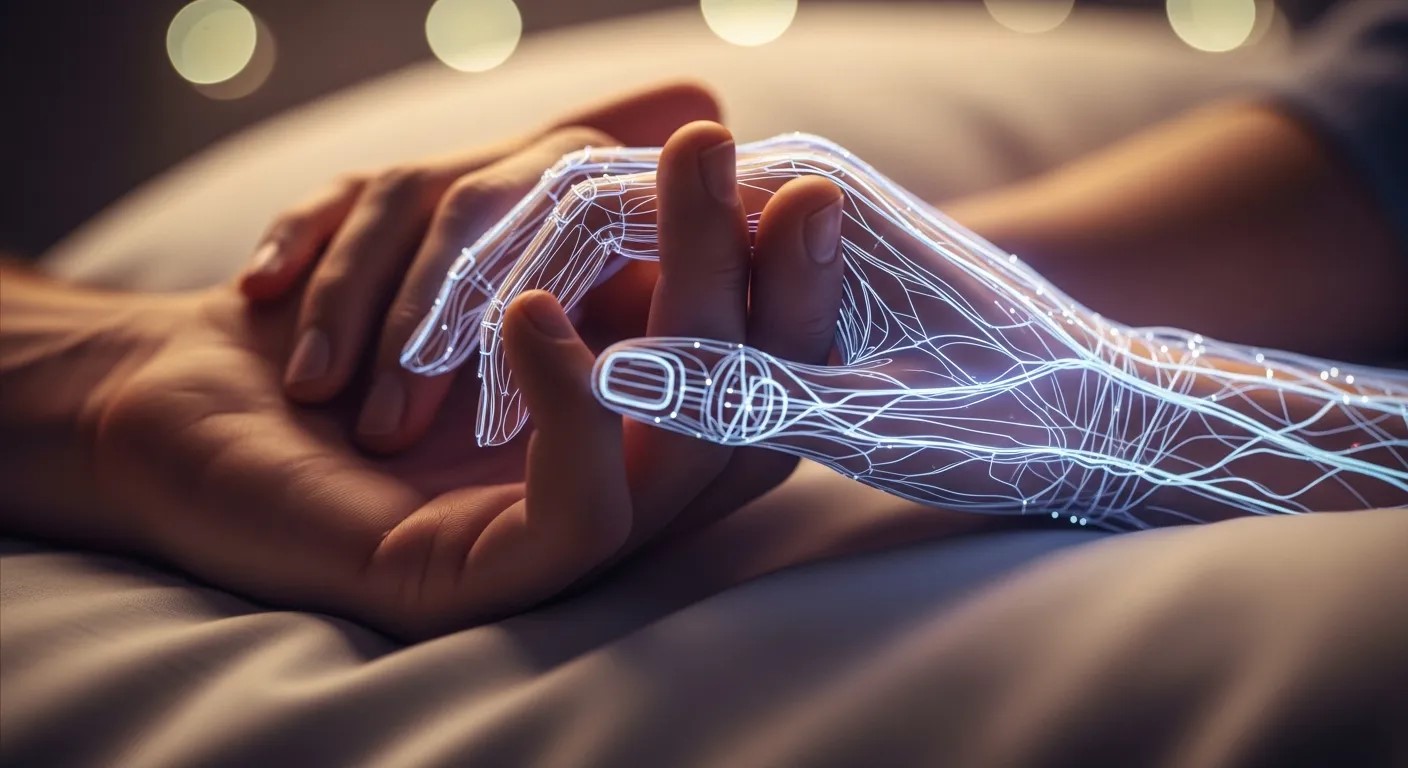
Augmented intimacy is redefining how communities form and interact. By allowing people to share immersive experiences, AR enhances empathy and understanding among users. Friends separated by distance can celebrate milestones together, families can participate in shared activities virtually, and colleagues can collaborate in more engaging ways.
Technologies like Phantom Touch VR help simulate physical presence, reinforcing emotional bonds that would otherwise be limited by distance. Meanwhile, AI-Personalized VR Narratives make interactions feel tailored and unique, enhancing the sense of closeness and connection.
Ethical Considerations
Despite its benefits, the rise of augmented intimacy brings significant ethical questions. Real-time monitoring of emotional and physiological responses through Real-time Emotional & Physiological Overlay raises privacy concerns. Users may inadvertently share sensitive emotional data, which platforms must handle responsibly.
Additionally, excessive reliance on AR for social connection can impact real-world interactions. Experts caution that while augmented intimacy can enhance relationships, it should complement—not replace—physical human contact.
Challenges in Adoption
Widespread adoption of augmented intimacy faces several hurdles:
-
Accessibility: High-quality AR devices and software can be expensive, limiting who can benefit from immersive experiences. Software used for augmented reality is becoming more sophisticated, but affordability remains a barrier.
-
Technical Complexity: Building realistic tactile feedback systems like Phantom Touch VR requires advanced hardware and software integration, which can be challenging for developers.
-
Digital Wellbeing: Maintaining a healthy balance between virtual and real-world interactions is essential. Augmented intimacy must be designed to support emotional growth rather than foster dependency.
Opportunities for Business and Marketing
Businesses are discovering that augmented intimacy is not only a tool for personal connection but also a strategic advantage. By leveraging Machine Learning in SEM, companies can analyze engagement patterns, optimize content delivery, and personalize experiences for users.
Furthermore, Smart SEM Budget Allocation ensures that marketing resources are used efficiently, targeting users most likely to benefit from AR interactions. This creates meaningful engagement while maximizing return on investment, proving that augmented intimacy can be both socially enriching and economically valuable.
Real-World Case Studies of Augmented Intimacy
Virtual Dating and Long-Distance Relationships
The dating landscape has been transformed by augmented intimacy. Couples separated by distance are now able to share immersive experiences that replicate in-person interactions. Platforms incorporating Phantom Touch VR allow users to feel gestures such as holding hands or a gentle touch, creating emotional closeness even when miles apart.
In addition, AI-Personalized VR Narratives adapt virtual dates to individual preferences, ensuring each experience feels unique. For example, a couple exploring a virtual beach may receive dynamic storylines or interactive elements that match their emotional responses. With Real-time Emotional & Physiological Overlay, subtle cues like excitement or nervousness can be detected, further personalizing the interaction.
Remote Collaboration in Professional Settings
Global companies are leveraging augmented intimacy to enhance remote teamwork. Virtual workspaces powered by software used for augmented reality allow employees to collaborate on projects as if they were physically together. Teams can manipulate 3D models, brainstorm in shared VR spaces, and experience gestures and expressions through AR-enhanced avatars.
By analyzing interaction data with Machine Learning in SEM, organizations can optimize workflows and improve engagement. Additionally, Smart SEM Budget Allocation ensures investment in AR tools maximizes productivity and emotional connection among team members. This combination of technology and strategy highlights how augmented intimacy can drive both collaboration and innovation.
Therapy and Mental Health
Therapists and mental health practitioners are increasingly adopting augmented intimacy for patient care. AR platforms create emotionally safe environments where patients can confront fears, practice social skills, or engage in therapeutic exercises. AI-Personalized VR Narratives guide sessions tailored to individual needs, while Real-time Emotional & Physiological Overlay allows therapists to monitor emotional responses in real time.
Patients with social anxiety, PTSD, or phobias have reported significant improvement in engagement and comfort levels compared to traditional digital sessions. By simulating human presence and responsiveness, augmented intimacy provides a more effective and immersive therapeutic experience.
Entertainment and Social VR
The entertainment industry is embracing augmented intimacy to offer next-level immersive experiences. Virtual concerts, theater performances, and gaming platforms use Phantom Touch VR to create tactile feedback, allowing audiences to feel like part of the experience. AI-Personalized VR Narratives further customize content based on emotional and behavioral data, while Real-time Emotional & Physiological Overlay ensures adaptive storytelling that responds to user reactions.
This approach not only enhances engagement but also fosters a sense of belonging and connection within virtual communities. Fans report feeling emotionally invested in ways previously only possible in physical spaces, demonstrating the transformative potential of augmented intimacy in entertainment.
Hyper-Personalized Experiences
The next wave of augmented intimacy will center on hyper-personalization. AR platforms will increasingly use AI-Personalized VR Narratives to adapt experiences in real time, learning from user behavior, preferences, and emotional responses. This means digital interactions will no longer feel generic; every conversation, shared activity, or virtual encounter will feel uniquely tailored to the individual.
Coupled with Real-time Emotional & Physiological Overlay, these systems can detect subtle emotional cues like micro-expressions, heart rate fluctuations, or tone changes—and adjust the virtual environment accordingly. As a result, augmented intimacy will evolve from simple simulated interaction into dynamic, emotionally responsive engagement.
Immersive Social Networking
Future social networks will increasingly leverage Phantom Touch VR and AR integration to deepen connections. Users will be able to “feel” each other in virtual spaces, attend virtual events with realistic tactile feedback, and engage in activities that replicate real-world social interactions.
By combining these experiences with Machine Learning in SEM, platforms can analyze engagement patterns to suggest meaningful connections, recommend experiences, and optimize community interactions. Smart SEM Budget Allocation ensures that these immersive environments are sustainably developed and reach the audiences who will benefit most.
Education and Skill Development
The evolution of augmented intimacy in education will allow students to interact with mentors, peers, and learning materials more deeply. Software used for augmented reality enables the creation of interactive labs, historical simulations, and collaborative projects. AR will allow learners to explore content with a sense of presence, while AI-Personalized VR Narratives tailor lessons to individual learning styles.
Real-time tracking through Real-time Emotional & Physiological Overlay ensures that students remain engaged and that content is adapted to maintain optimal learning outcomes. This fusion of technology and pedagogy promises to make education more immersive, personalized, and emotionally connected than ever before.
Healthcare and Therapy
In healthcare, augmented intimacy will expand beyond therapy to include patient monitoring, rehabilitation, and wellness programs. AR-driven experiences will simulate supportive social interactions and therapeutic exercises. Phantom Touch VR will add realistic haptic feedback, enhancing patient engagement, while AI-Personalized VR Narratives adapt exercises and sessions to patient progress.
The combination of Real-time Emotional & Physiological Overlay and predictive analytics through Machine Learning in SEM will allow practitioners to intervene proactively, making care more responsive and emotionally intelligent. This not only improves outcomes but also strengthens the human connection between patient and provider.
Entertainment and Cultural Experiences

Entertainment will continue to evolve with augmented intimacy, creating hybrid spaces where audiences feel as present as in real life. Virtual concerts, immersive theater, and gaming will leverage Phantom Touch VR and AI-Personalized VR Narratives to make interactions emotionally rich and highly engaging. Adaptive experiences driven by Real-time Emotional & Physiological Overlay will ensure that each participant receives a unique and responsive experience.
As AR hardware becomes more accessible and software used for augmented reality becomes more versatile, these immersive experiences will reach mainstream audiences, redefining how we socialize, learn, and engage with culture.
Conclusion
Augmented intimacy is transforming how we connect in a digital world. With technologies like Phantom Touch VR, AI-Personalized VR Narratives, and Real-time Emotional & Physiological Overlay, virtual interactions feel immersive and emotionally real.
From personal relationships to education, therapy, and entertainment, augmented intimacy enhances engagement and connection. Using software used for augmented reality, along with Machine Learning in SEM and Smart SEM Budget Allocation, these experiences are optimized for impact and accessibility.
By embracing augmented intimacy, we can bridge physical and virtual spaces, creating meaningful, emotionally rich connections that redefine human interaction.
Frequently Asked Questions (FAQ)
What is augmented intimacy?
Augmented intimacy refers to the use of AR technologies to enhance human connection, making virtual interactions feel more immersive, emotionally rich, and responsive to real-world cues.
How does Phantom Touch VR enhance augmented intimacy?
Phantom Touch VR simulates tactile feedback in virtual spaces, allowing users to feel gestures and touch, which strengthens emotional connection even across long distances.
What role do AI-Personalized VR Narratives play?
AI-Personalized VR Narratives adapt experiences based on individual behavior and emotional responses, ensuring each interaction feels unique, meaningful, and deeply engaging.
How does real-time emotional tracking improve interactions?
Through Real-time Emotional & Physiological Overlay, AR platforms detect emotional and physiological cues, dynamically adjusting experiences to enhance immersion and authenticity.
What software is used for augmented reality experiences?
Various software used for augmented reality enables developers to create interactive, visually compelling, and emotionally immersive AR environments, supporting education, therapy, entertainment, and social connection.
How do Machine Learning in SEM and Smart SEM Budget Allocation relate to augmented intimacy?
By analyzing engagement patterns and optimizing campaigns, Machine Learning in SEM combined with Smart SEM Budget Allocation ensures AR experiences reach the right audiences efficiently, maximizing both emotional and practical impact.