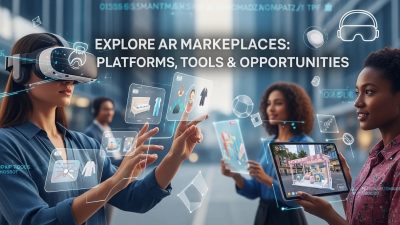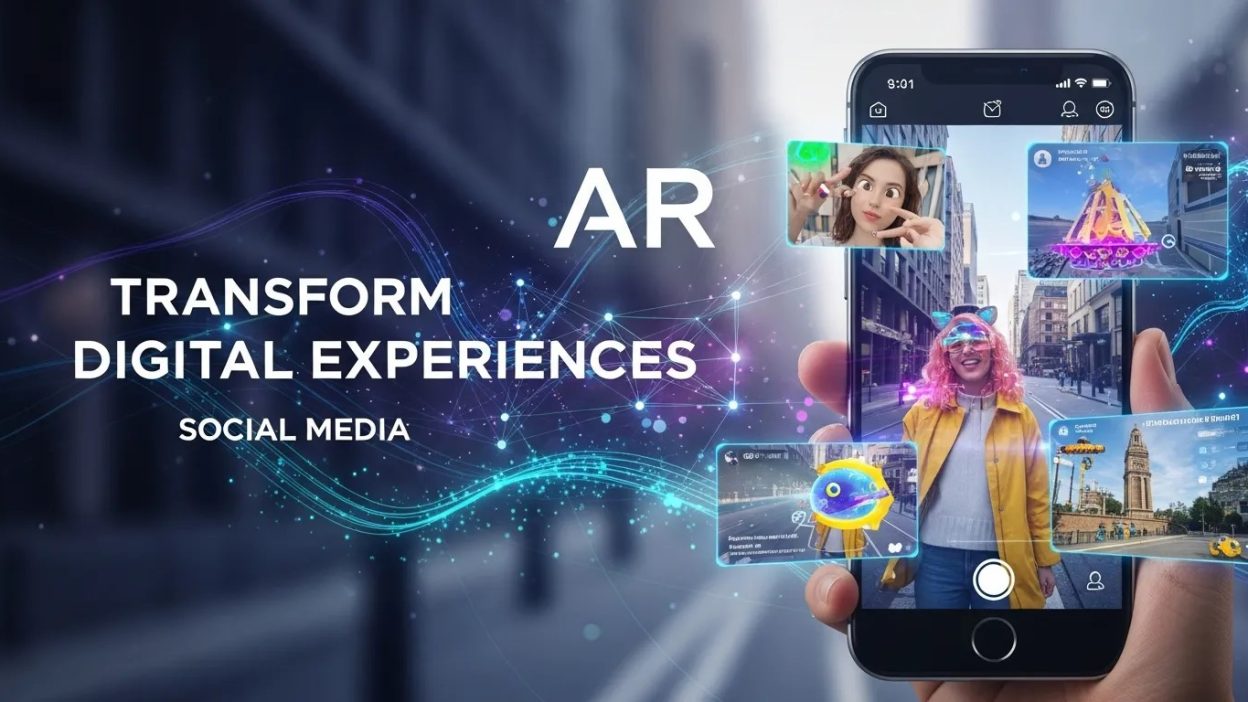
AR in Social Media creates immersive, personalized experiences that boost engagement and shareability. By combining AR, AI, and interactive storytelling, brands can connect meaningfully with audiences, transform campaigns, and stay ahead in an evolving digital landscape.
The Rise of AR in Social Media
In recent years, AR in Social Media has transformed the way people interact, communicate, and share experiences online. Augmented reality (AR) overlays digital elements onto the real world, creating immersive experiences that go beyond traditional photos, videos, and text. Social media platforms, including Instagram, Snapchat, and TikTok, have become fertile grounds for AR innovations, providing users with interactive filters, animated effects, and even virtual try-ons.
The increasing demand for immersive digital content has driven social media companies to integrate AR tools deeply into their platforms. Today, users can not only capture creative moments but also engage in dynamic interactions that blur the line between the physical and digital worlds. From personalized avatars to interactive AR games, AR in Social Media has created a new dimension for online engagement.
The Evolution of Augmented Reality in Digital Platforms
Augmented reality has come a long way from simple overlays and gimmicky filters. Modern AR applications now utilize advanced AR Intelligence to adapt experiences in real-time, analyze user behavior, and deliver highly personalized content. Brands have recognized the potential of AR to boost engagement, enhance storytelling, and strengthen customer relationships. Social media platforms have evolved into hubs where AR-driven experiences are not just fun but also strategically valuable for marketing, education, and entertainment.
The evolution of AR has also intersected with other technologies, including AI, computer vision, and holographic projections. This combination has enabled features such as AR Hologram Technology, which allows users to bring digital objects into their physical environment in three dimensions. Such advancements are not limited to entertainment; they extend into industries like healthcare, retail, and tourism, redefining the scope of social media interactions.
How Users Interact with AR Features
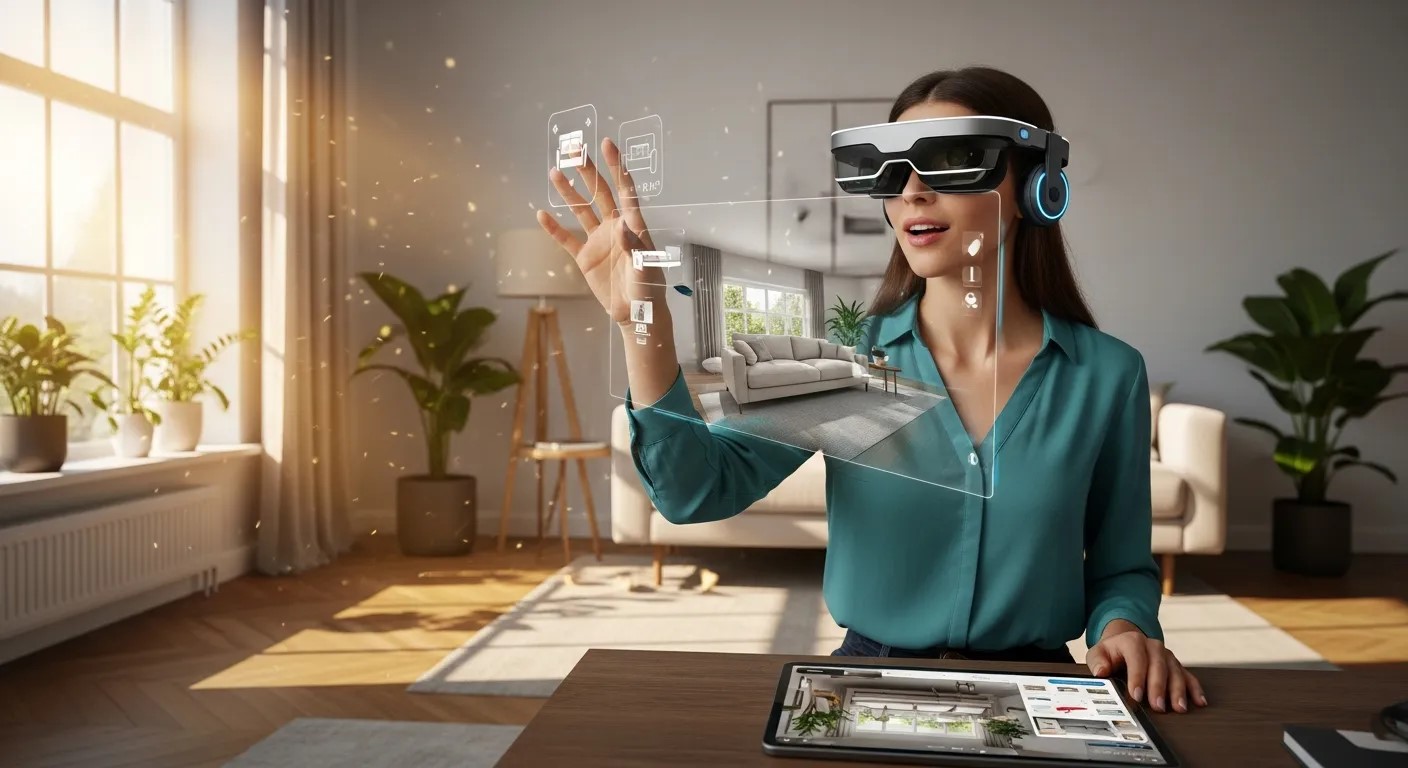
User interaction with AR in Social Media has become more natural and intuitive. Filters, lenses, and AR effects enable users to modify their environment, try on virtual products, or even participate in interactive games. Social media campaigns leveraging AR often see higher engagement rates, as users are drawn to content that is both entertaining and shareable.
The integration of Immersive AR Tourism campaigns, for instance, allows users to virtually explore destinations directly from social media feeds. Brands and tourism boards can showcase landmarks, cultural experiences, and travel itineraries in a way that feels real, creating anticipation and desire for real-world visits. This approach not only engages audiences but also drives measurable marketing results.
Examples of AR Features Across Social Media Platforms
| Platform | AR Feature | User Interaction |
|---|---|---|
| Face Filters, Try-On Effects | Users can experiment with makeup, accessories, and animations. | |
| Snapchat | Lenses, AR Games | Interactive games and storytelling experiences in snaps. |
| TikTok | AR Effects, Virtual Challenges | Creative content with AR overlays that encourage user participation. |
| 3D Objects, AR Ads | Brands can showcase products and immersive advertisements. | |
| Try-On Pins | Users can virtually try furniture, fashion, and home decor items. |
The Psychological Impact of AR Engagement
The appeal of AR in Social Media goes beyond novelty; it taps into human psychology by offering instant gratification, personalization, and a sense of presence. Users enjoy experiences that are visually engaging, interactive, and shareable. AR creates an emotional connection, making content memorable and encouraging repeat interactions.
By leveraging these psychological triggers, social media platforms can retain users longer, increase interaction frequency, and facilitate organic content sharing. In fact, campaigns that integrate AR often see higher conversion rates, as immersive experiences influence purchasing decisions and brand perception.
How AR in Social Media Is Shaping Business Strategies
The rise of AR in Social Media has not only changed how users interact online but also how businesses approach marketing, customer engagement, and brand storytelling. Companies are now leveraging AR features to create more dynamic campaigns, deliver personalized experiences, and stand out in crowded digital spaces. Whether it’s interactive filters, AR-powered product previews, or immersive virtual events, AR in Social Media offers businesses tools to engage users in ways that traditional media cannot replicate.
Brands that adopt AR strategies early gain a competitive advantage. For example, fashion brands can use AR in Social Media to allow customers to virtually try on clothing or accessories, reducing friction in the buying process and increasing purchase confidence. Similarly, AR campaigns can transform mundane promotions into engaging experiences that users are more likely to share with their networks, organically increasing reach and visibility.
AR in Social Media for Marketing Campaigns
Social media platforms have become powerful tools for businesses to implement AR in Social Media marketing campaigns. Interactive AR ads and filters encourage users to participate in branded experiences, generating both engagement and user-generated content. This approach is particularly effective for campaigns targeting younger audiences who value immersive, visually-driven experiences.
One interesting application is the integration of AR Hologram Technology, which allows brands to showcase 3D products in real-world environments. Users can place virtual objects in their surroundings, interact with them, and even share their experiences on social media. This creates a memorable, interactive touchpoint that strengthens brand perception and drives higher engagement metrics.
Industry-Specific Applications
Different industries are using AR in Social Media in unique ways to connect with their audiences:
-
Healthcare: AR features in social media can help medical professionals provide educational content, demonstrate procedures, or even assist in patient engagement through AR in Healthcare initiatives. Patients and users gain better understanding through interactive visualizations that simplify complex information.
-
Tourism: Leveraging Immersive AR Tourism, travel brands can allow users to explore destinations virtually. Through AR in Social Media, tourists can view landmarks, interact with local culture, and experience attractions before visiting in real life.
-
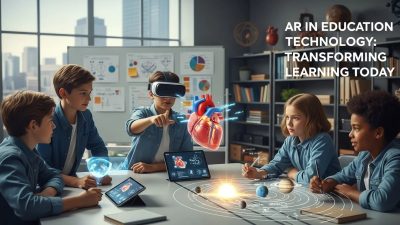
Education: Educational institutions use AR in Social Media to provide interactive lessons, virtual field trips, and engaging learning modules that enhance student participation.
By tailoring AR experiences to specific industries, companies can achieve higher engagement, brand loyalty, and meaningful interactions that go beyond passive content consumption.
Enhancing Customer Interaction with AR Intelligence
The integration of AR Intelligence further amplifies the power of AR in Social Media. By analyzing user behavior, preferences, and interactions, AR platforms can deliver more personalized and context-aware experiences. For instance, fashion and beauty brands can recommend virtual try-ons based on user style, while travel companies can suggest virtual tours aligned with users’ past interests. This level of personalization enhances the sense of connection and improves campaign performance.
Benefits of AR in Social Media for Businesses
| Benefit | Description | Example |
|---|---|---|
| Increased Engagement | Users spend more time interacting with AR content | Snapchat AR games |
| Personalized Experiences | Tailored content based on user behavior | Virtual try-on recommendations |
| Viral Marketing | Shareable AR experiences drive organic reach | Branded AR filters on Instagram |
| Data Insights | AR intelligence provides analytics for optimization | User interaction heatmaps |
| Brand Differentiation | Unique AR campaigns distinguish brands | Holographic product demos |
The Future of AR in Social Media
As technology evolves, the role of AR in Social Media is set to expand further. Integration with AI-driven systems, improved device capabilities, and more sophisticated AR tools will make experiences richer and more seamless. Users can expect increasingly immersive interactions, whether through social media shopping, educational content, or entertainment-driven AR campaigns.
Moreover, emerging trends like AI Chatbot Learning Resources and B2B and B2C Chatbot integrations can complement AR in Social Media by providing real-time guidance, personalized suggestions, and interactive assistance within AR experiences. Combining conversational AI with AR can create highly engaging environments where users receive contextual help and information seamlessly.
Real-World Examples of AR in Social Media Campaigns
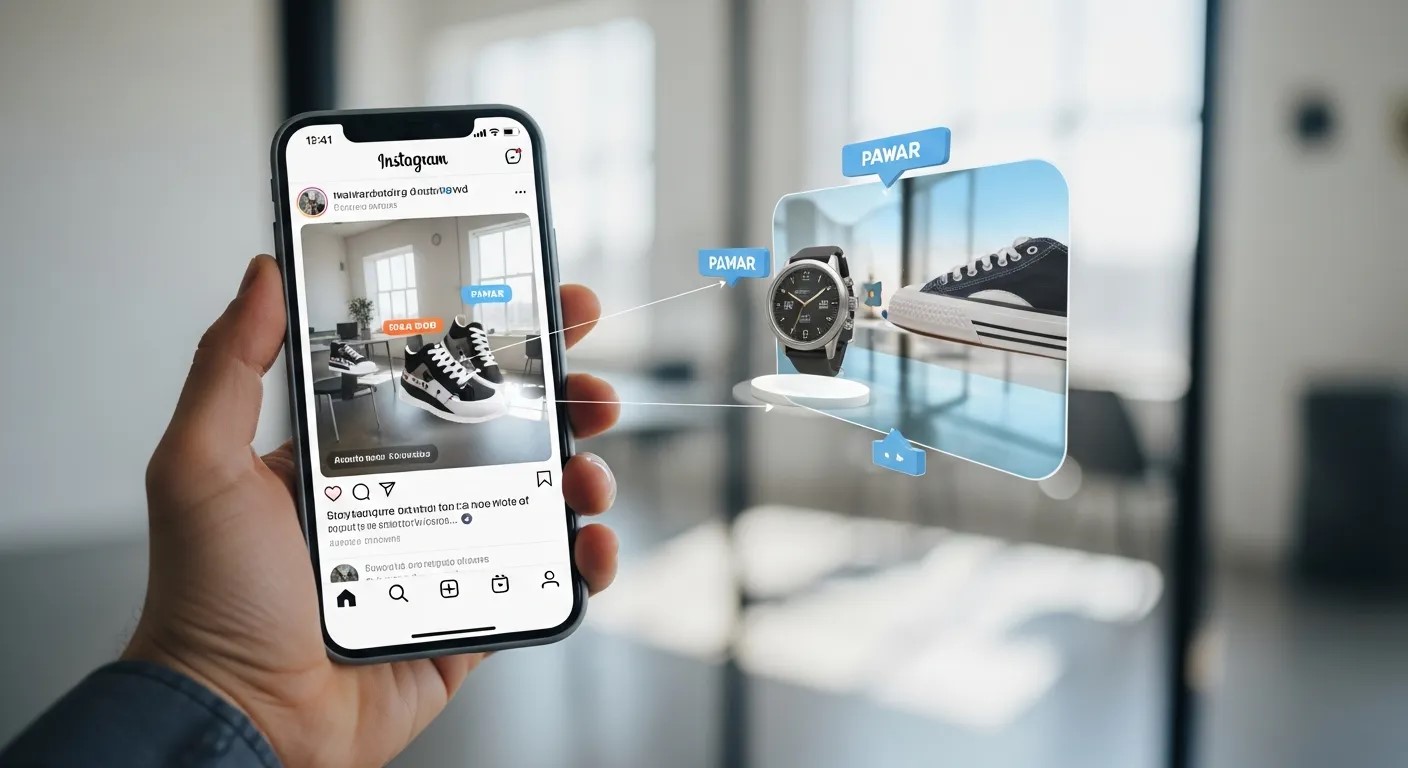
The impact of AR in Social Media is most visible through real-world campaigns where brands creatively leverage augmented reality to engage audiences. Companies across sectors—from fashion to travel to healthcare have adopted AR strategies to make their campaigns interactive, shareable, and memorable.
For instance, cosmetic brands have utilized AR in Social Media to offer virtual makeup try-ons. Users can see how products look on their faces in real-time, adjusting shades and styles before making a purchase. This approach reduces the gap between online shopping and physical experience, enhancing user confidence and boosting conversion rates.
Fashion brands have similarly capitalized on AR in Social Media to allow users to try virtual clothing or accessories. By integrating AR technology with social media platforms, users can experiment with different looks and share them on their feeds, creating organic engagement and increasing brand visibility.
Innovative Campaigns Using AR Hologram Technology
Some brands have taken AR to the next level with AR Hologram Technology, creating 3D holographic experiences that can be interacted with from users’ devices. Music artists, for example, have launched virtual concerts where fans experience holographic performances directly in their living rooms via social media. This immersive approach demonstrates the transformative potential of AR in Social Media beyond traditional filters and lenses.
Retailers also leverage holographic product demos to give audiences an in-depth look at new items. This technology allows customers to examine products from every angle, creating a virtual in-store experience. Integrating AR Hologram Technology in campaigns not only enhances engagement but also provides actionable insights into user preferences and interaction patterns.
AR in Healthcare Awareness Campaigns
Healthcare organizations are increasingly exploring the potential of AR in Social Media to educate and engage audiences. Using AR in Healthcare, campaigns can demonstrate procedures, explain complex medical concepts, or simulate patient experiences in a highly visual and intuitive manner. Social media users interact with these AR experiences to gain better understanding, creating informed and empowered audiences.
Campaigns showcasing AR-powered health visualizations have been particularly successful in raising awareness about preventive care, vaccination drives, and wellness initiatives. By leveraging AR in Social Media, healthcare organizations reach younger, tech-savvy audiences in ways traditional outreach cannot match.
Integrating AI Chatbots with AR Experiences
Another exciting trend is combining AR in Social Media with conversational AI tools such as AI Chatbot Learning Resources. By embedding AI chatbots within AR experiences, brands can provide real-time guidance, answer user questions, and deliver personalized recommendations.
For example, a furniture brand using AR in Social Media for virtual room staging can pair it with an AI chatbot that advises on optimal layout, style combinations, and purchase options. This synergy between augmented reality and AI enhances usability and encourages users to spend more time engaging with branded content.
Social Media Strategies for B2B and B2C Engagement
Businesses targeting both B2B and B2C Chatbot audiences can benefit from AR in Social Media by designing campaigns that cater to each segment’s needs. B2C campaigns might focus on playful AR filters or immersive product try-ons, while B2B strategies could emphasize AR-enabled demonstrations, virtual trade show experiences, and interactive tutorials.
By carefully aligning AR content with audience intent, companies can maximize engagement, generate leads, and strengthen brand authority. The versatility of AR in Social Media ensures that whether the target is a consumer or a business client, the experience feels tailored, relevant, and impactful.
AR in Social Media Applications Across Industries
| Industry | AR Use Case | Example |
|---|---|---|
| Fashion & Beauty | Virtual try-ons, filters | Instagram AR makeup try-ons |
| Music & Entertainment | Holographic concerts | Virtual hologram performances on TikTok |
| Tourism | Immersive destination previews | Immersive AR Tourism experiences on Instagram |
| Healthcare | Medical education, patient engagement | Interactive AR health awareness campaigns |
| Retail | Product visualization, in-store experience | AR furniture placement using AR Intelligence |
| Education | Interactive learning modules | Virtual science experiments via AR filters |
Key Insights from AR in Social Media Campaigns
-
Engagement: Interactive AR experiences significantly increase user engagement rates.
-
Shareability: Users enjoy sharing AR interactions, expanding organic reach.
-
Personalization: AR Intelligence allows campaigns to adapt to individual preferences.
-
Memorability: Holographic and immersive AR experiences create lasting impressions.
-
Cross-Platform Potential: AR campaigns work across Instagram, TikTok, Snapchat, and Facebook, maximizing reach.
By studying these examples, businesses can identify which AR strategies resonate with their target audience, helping them design campaigns that leverage AR in Social Media for maximum impact.
Advanced Strategies for AR in Social Media
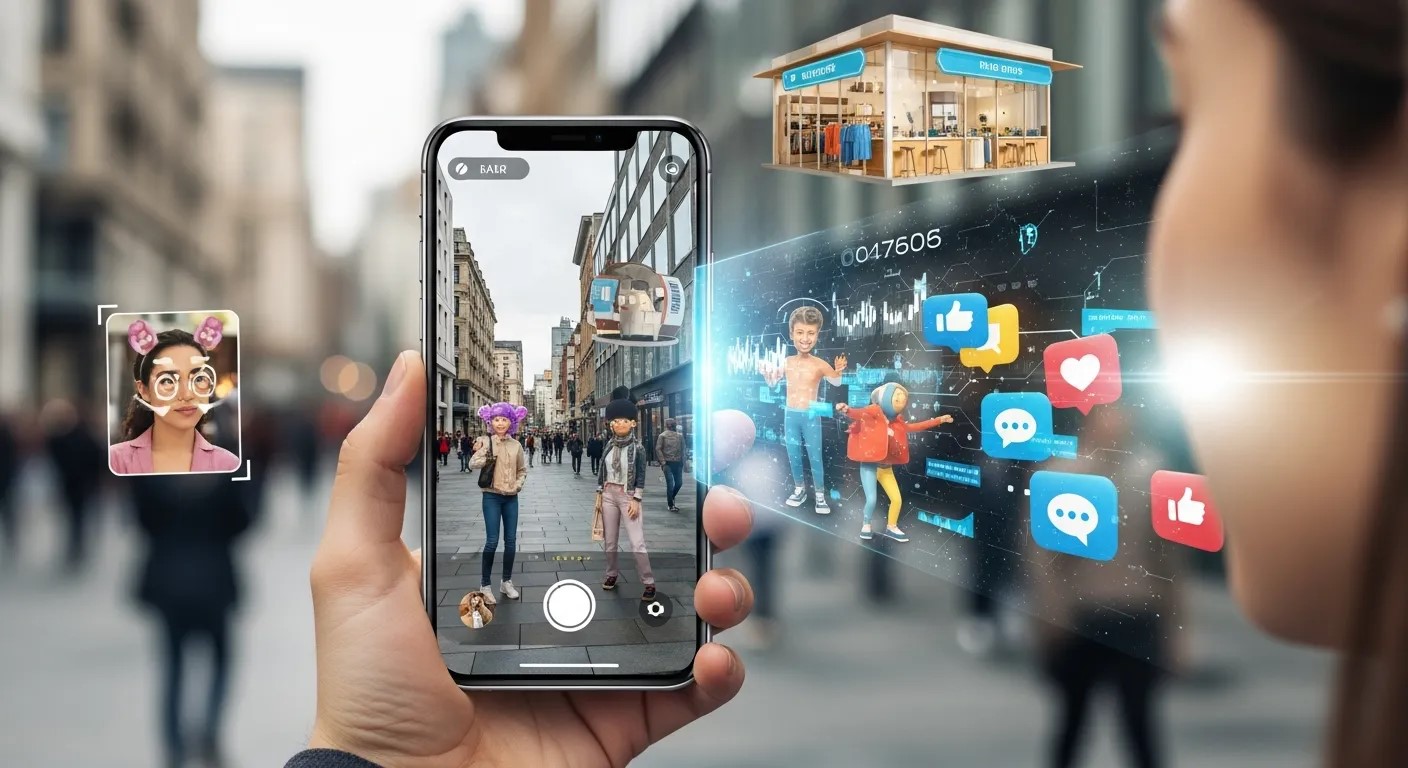
As AR in Social Media continues to evolve, brands are exploring advanced strategies to make campaigns more impactful and data-driven. Beyond filters and holograms, the focus is shifting toward integrating AI, analytics, and immersive storytelling to create seamless digital experiences.
Personalization Through AR Intelligence
Modern AR in Social Media campaigns rely heavily on AR Intelligence to tailor experiences to individual users. By tracking interactions and preferences, AR platforms can adapt content in real-time, ensuring that every user receives a relevant and engaging experience. For example, a fashion brand can recommend virtual outfits based on previously tried styles, while a tourism company can showcase destinations aligned with users’ interests. Personalization increases both engagement and retention, making AR-driven campaigns more effective than traditional advertising.
Enhancing Education and Learning
AR in Social Media is not limited to marketing; it also offers innovative educational applications. Platforms can deliver interactive lessons, virtual field trips, and science demonstrations directly through social media feeds. Educators and institutions can leverage AI Chatbot Learning Resources to provide guidance alongside AR modules, creating a holistic learning environment. This approach transforms passive content consumption into interactive and memorable learning experiences.
Virtual Tourism and Immersive Travel
The concept of Immersive AR Tourism is gaining traction as travelers increasingly seek interactive previews of destinations. Through AR in Social Media, users can explore landmarks, historical sites, and local attractions virtually. Travel brands benefit from this engagement by building anticipation and encouraging real-world visits. Integrating AR with storytelling and social sharing ensures that these experiences are both memorable and widely promoted across platforms.
AR in Healthcare Campaigns
Healthcare organizations are also capitalizing on AR in Social Media to educate audiences, raise awareness, and simulate medical procedures. Using AR in Healthcare, campaigns can visualize anatomy, explain complex treatments, or demonstrate safety protocols. These AR experiences are especially effective when paired with social media, reaching a wide audience while simplifying complex concepts.
Combining AR with Conversational AI
Brands can further elevate AR in Social Media experiences by combining them with B2B and B2C Chatbot solutions. Chatbots embedded within AR experiences provide real-time assistance, answer queries, and guide users through virtual environments. This integration creates a seamless, interactive ecosystem that encourages users to explore more content, increasing both engagement and conversion rates.
Future Trends in AR for Social Media
Looking ahead, AR in Social Media is poised to become even more immersive and intelligent. Emerging technologies such as holographic projections, AI-driven personalization, and cross-platform AR experiences will redefine how users interact with digital content. Brands that adopt these innovations early can create more memorable experiences, build stronger emotional connections, and stay ahead in a competitive social media landscape.
Future AR Trends Across Social Media
| Trend | Description | Impact |
|---|---|---|
| Holographic Experiences | 3D AR objects and performances | Immersive engagement |
| AI Integration | Personalized AR content | Higher retention and relevance |
| AR Commerce | Virtual try-ons and product demos | Boosts sales conversions |
| Interactive Learning | AR-based education modules | Increases knowledge retention |
| Conversational AR | Chatbot-assisted AR experiences | Seamless user guidance |
Conclusion
AR in Social Media has redefined the way users interact, share, and consume digital content. From immersive filters to holographic experiences, AR bridges the gap between physical and virtual worlds, offering personalized, engaging, and shareable interactions. Businesses across industries including fashion, healthcare, tourism, and education can leverage AR to enhance engagement, build stronger brand connections, and drive conversions. The integration of AR Intelligence, AI chatbots, and interactive storytelling ensures campaigns are both innovative and effective. As technology advances, AR in Social Media will continue to shape the future of digital marketing and user experiences worldwide.
Frequently Asked Questions (FAQs)
What is AR in Social Media?
AR in Social Media refers to the use of augmented reality technology within social platforms to overlay digital content onto the real world, enhancing engagement and interactive experiences.
How do businesses benefit from AR in Social Media?
Businesses can increase engagement, drive conversions, create shareable content, and offer personalized experiences using AR campaigns tailored to their audience.
Which industries use AR in Social Media effectively?
Fashion, beauty, healthcare, tourism, education, and retail industries leverage AR for virtual try-ons, interactive learning, immersive tours, and product visualizations.
Can AR in Social Media be combined with AI?
Yes, integrating AR Intelligence and AI chatbots enhances personalization, provides guidance, and creates seamless, interactive experiences for users.
What is the future of AR in Social Media?
The future includes holographic experiences, AI-driven personalization, AR commerce, and immersive learning, making interactions more engaging and meaningful across platforms.