Why Augmented Reality Needed Artificial Intelligence to Evolve
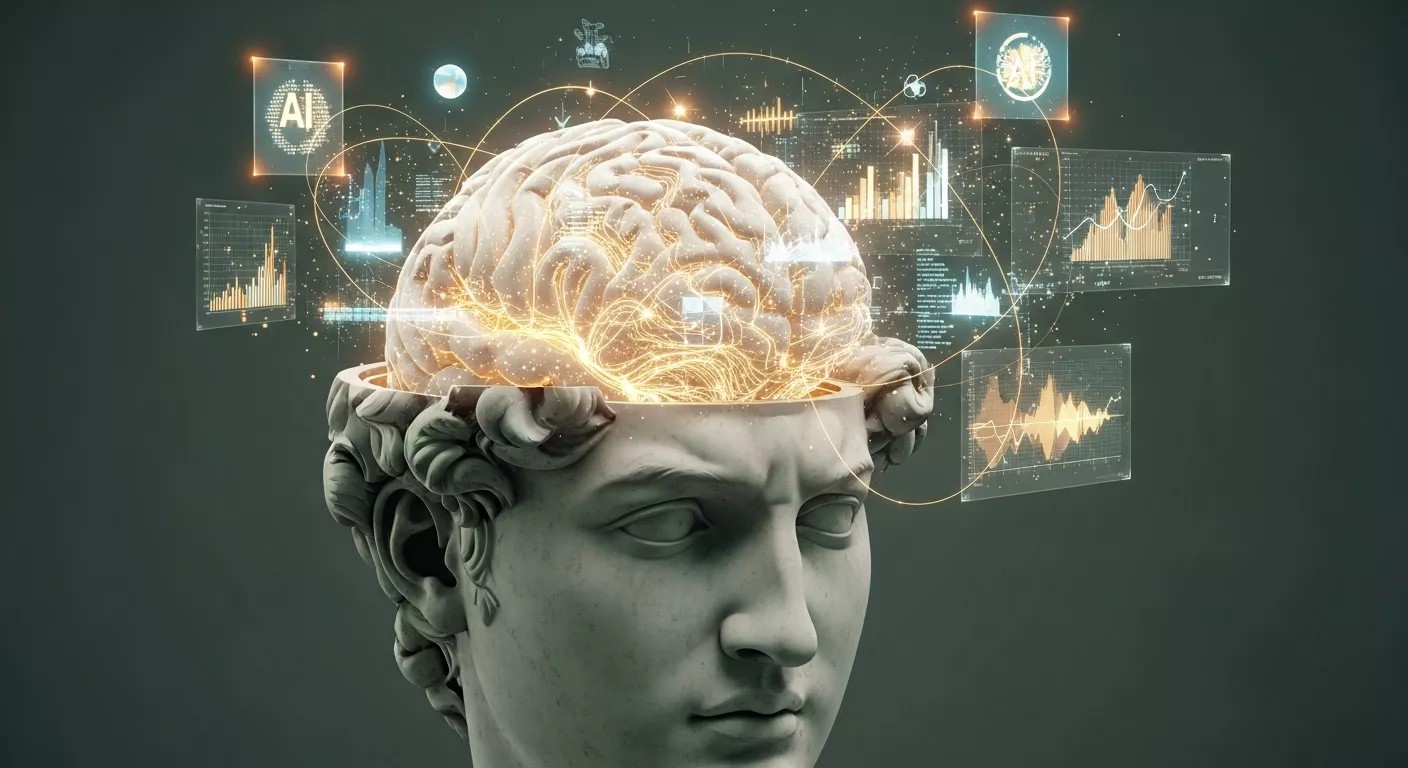
The digital world is entering a phase where technology is no longer just responsive it is becoming perceptive, contextual, and intelligent. Among all emerging technologies, AI Powered Augmented Reality is quietly positioning itself as the next major evolution of how humans interact with digital information. Unlike earlier AR systems that simply overlaid visuals on the physical world, today’s AI-driven AR experiences understand environments, interpret intent, and adapt in real time.
As industries move beyond experimentation into real-world adoption, AI Powered Augmented Reality is transforming from a novelty into a foundational interface for work, learning, healthcare, creativity, and commerce. This shift is not about replacing humans or reality—it is about enhancing perception, decision-making, and interaction through intelligence embedded directly into augmented environments.
The Evolution from Traditional AR to AI Powered Augmented Reality
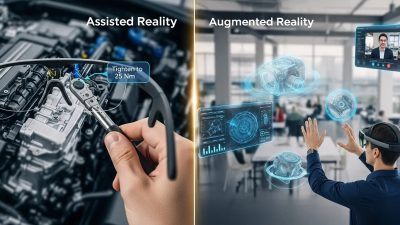
Early augmented reality applications were largely static. They relied on predefined markers, limited object recognition, and rule-based interactions. While impressive at first glance, these systems lacked adaptability. They showed information, but they did not understand context.
AI Powered Augmented Reality changes this completely by integrating machine learning, computer vision, natural language processing, and behavioral analytics into AR systems. This evolution allows augmented environments to interpret surroundings, predict user intent, and personalize experiences dynamically.
Instead of asking users to adapt to technology, AI-powered AR adapts to users. This marks a fundamental shift in human-computer interaction, where digital layers become responsive collaborators rather than passive overlays.
How AI is Revolutionizing Augmented Reality Experiences
One of the most powerful shifts in this space is How AI is Revolutionizing Augmented Reality Experiences by moving AR beyond visualization into cognition. AI enables AR systems to learn from users, environments, and outcomes, continuously improving over time.
For example, in retail, AI-powered AR doesn’t just show how furniture looks in a room—it understands room dimensions, lighting conditions, and personal style preferences to suggest optimal designs. In education, AR platforms adapt learning content based on comprehension levels, attention patterns, and engagement metrics.
This intelligence-driven personalization transforms AR from a tool into an experience engine—one that evolves alongside the user.
AI Powered Augmented Reality as the Next Digital Interface
The next tech evolution is not centered around screens—it is centered around experiences. AI Powered Augmented Reality is emerging as a post-screen interface where information appears contextually within the physical world rather than being confined to apps or devices.
Instead of opening applications, users interact with environments that respond intelligently. Instructions appear when needed. Data surfaces contextually. Guidance adapts in real time.
This shift aligns with modern human psychology: people prefer intuitive, low-friction interactions over complex interfaces. AI-powered AR reduces cognitive load by delivering the right information at the right moment, in the right format.
Emotion Recognition AI in Augmented Reality
One of the most transformative—and sensitive—advancements in this space is Emotion Recognition AI in Augmented Reality. By analyzing facial expressions, voice tone, posture, and interaction patterns, AI-powered AR systems can infer emotional states.
This capability enables emotionally adaptive experiences. Training simulations adjust difficulty when frustration is detected. Mental wellness applications provide calming interventions when stress indicators rise. Educational AR platforms shift teaching methods based on learner engagement and confidence.
Emotion-aware AR represents a move toward empathetic technology—systems designed not just to function efficiently, but to respond humanely.
AI Powered Augmented Reality in Healthcare and Therapy
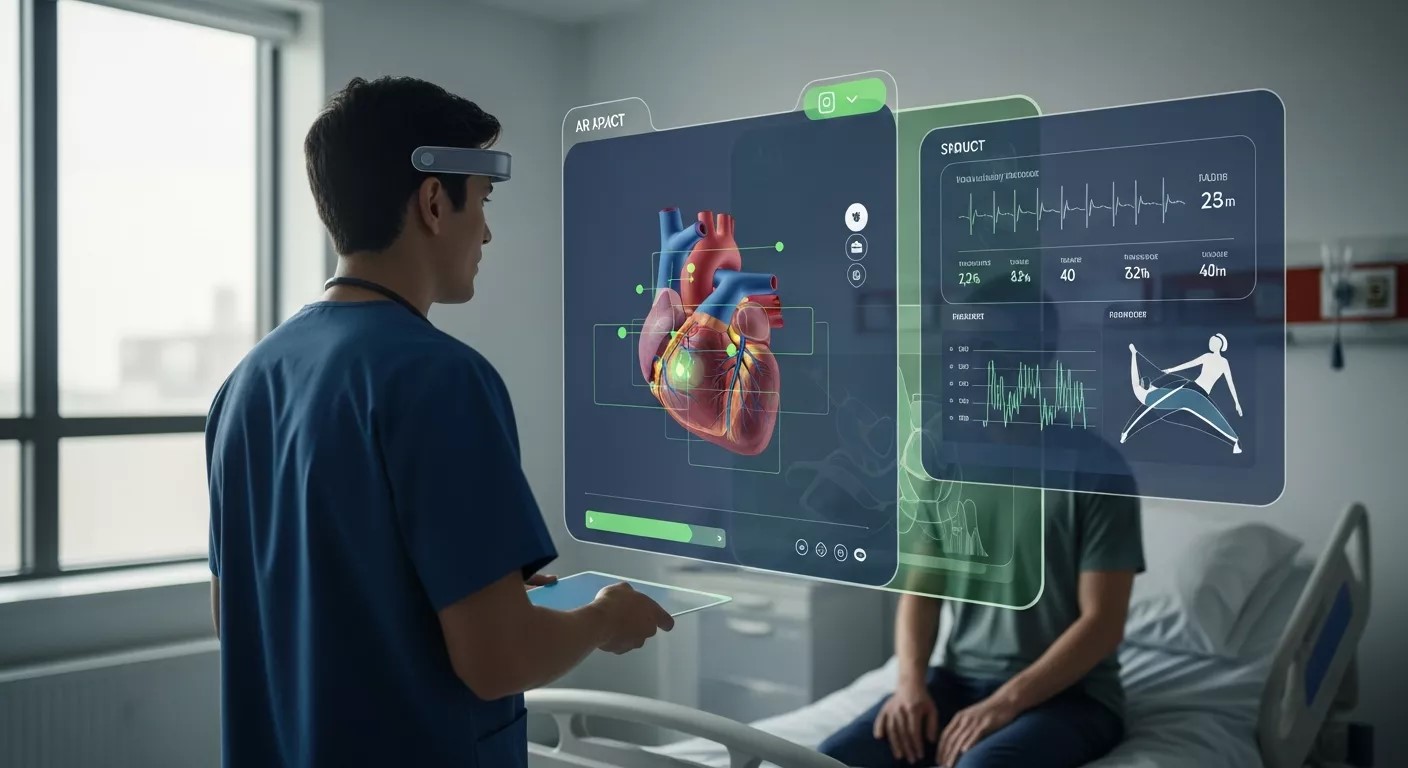
Healthcare is one of the fastest-growing adoption areas for AI Powered Augmented Reality. From surgical guidance to patient rehabilitation, AI-enhanced AR systems are improving precision, safety, and outcomes.
Therapists are increasingly exploring immersive environments for mental health support. Concepts like AI Curated Personalized VR Narratives for Therapeutic & Creative Exploration are influencing how AR systems deliver personalized cognitive and emotional experiences. While VR creates full immersion, AI-driven AR blends therapeutic narratives into real-world environments, allowing patients to remain grounded while receiving adaptive support.
This fusion of intelligence, immersion, and personalization marks a new frontier in digital therapy and rehabilitation.
Creativity, Storytelling, and AI Powered AR
Creative industries are also experiencing a renaissance through AI Powered AR. Artists, designers, and storytellers are using intelligent AR platforms to build interactive narratives that respond to audience behavior.
Rather than consuming static content, users become participants. AI analyzes movement, gaze, and engagement to alter story progression in real time. This adaptive storytelling opens doors to entirely new creative formats that blur the boundaries between art, technology, and experience.
As AI models improve, augmented creativity becomes collaborative—machines assisting human imagination rather than replacing it.
Enterprise and Workforce Transformation
In enterprise environments, AI Powered Augmented Reality is redefining training, maintenance, and decision-making. Field workers receive real-time guidance overlaid on equipment. AI identifies errors before they occur. Complex processes are simplified through visual instructions that adapt to skill levels.
This is not just efficiency—it is cognitive augmentation. Workers gain access to institutional knowledge precisely when they need it, reducing errors and increasing confidence.
Industries such as manufacturing, logistics, architecture, and energy are rapidly adopting AI Powered AR as a productivity multiplier rather than a replacement for human expertise.
Navigating the Ethical Landscape of AI in Augmented Reality
With increased intelligence comes increased responsibility. Navigating the Ethical Landscape of AI in Augmented Reality is becoming a critical conversation as these systems gain deeper access to personal data, emotions, and behaviors.
Ethical challenges include:
-
Data privacy in continuous environment scanning
-
Bias in emotion recognition algorithms
-
Consent in shared augmented environments
-
Psychological dependency on adaptive experiences
Addressing these concerns requires transparent design, explainable AI models, and clear regulatory frameworks. Responsible innovation will determine whether AI-powered AR becomes a trusted companion or a contested technology.
The Next Tech Evolution: Intelligence Embedded in Reality
The next phase of digital evolution is not about virtual escape—it is about intelligent enhancement of the real world. AI Powered Augmented Reality represents this philosophy by embedding cognition directly into physical spaces.
Homes become adaptive environments. Cities become responsive systems. Learning becomes contextual. Creativity becomes interactive. Technology becomes invisible—but intelligent.
As AI models continue to mature and AR hardware becomes more accessible, the line between digital and physical will not disappear it will harmonize.
AI Powered Augmented Reality and Context-Aware Intelligence
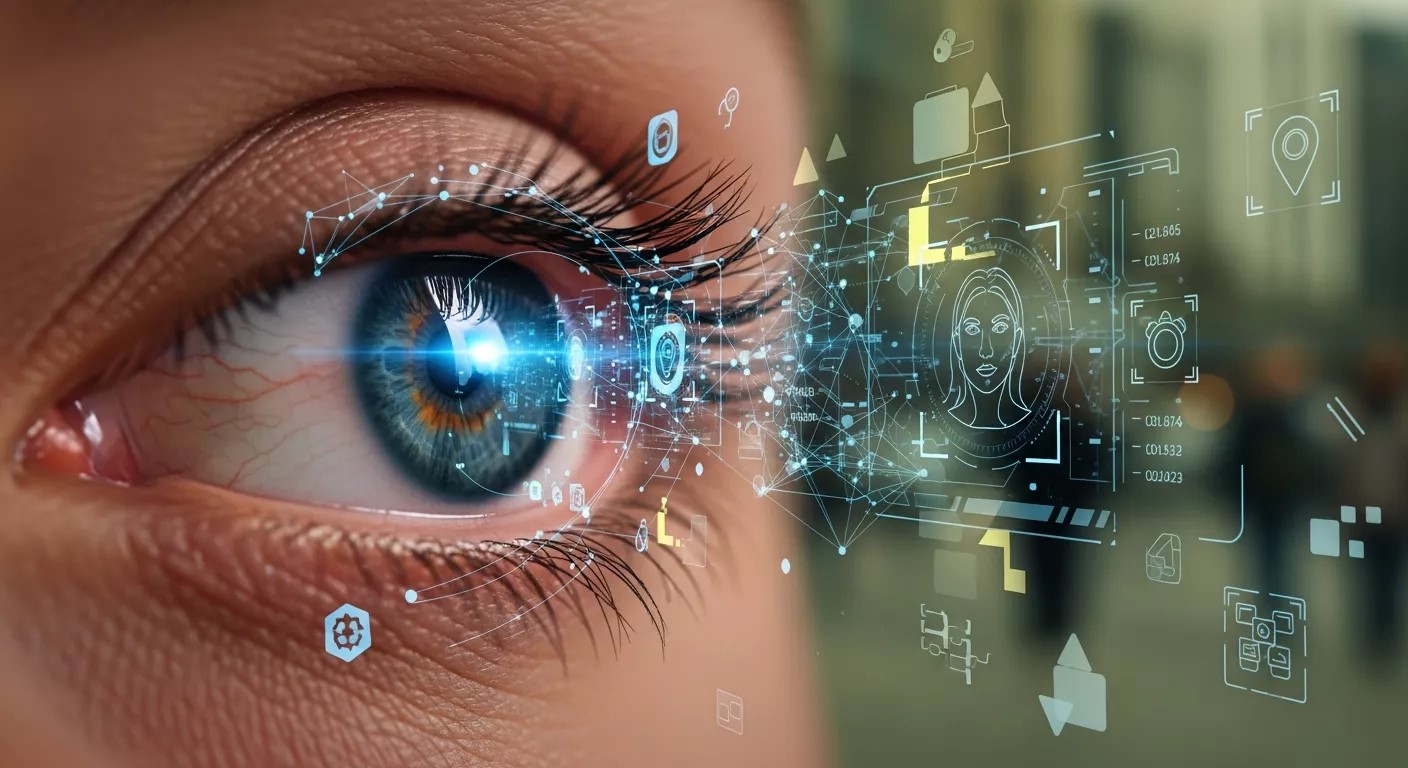
One of the most defining features of AI Powered Augmented Reality is its ability to understand context rather than simply display information. Context-aware intelligence allows AR systems to interpret location, environment, user behavior, and situational intent in real time. This marks a significant leap from traditional AR experiences that relied on static triggers or predefined markers.
With AI embedded into AR, digital overlays can adapt dynamically. For example, navigation instructions change based on traffic conditions, lighting, and user movement. Workplace AR systems adjust guidance depending on task complexity and user expertise. This contextual adaptability reduces cognitive overload and makes interactions feel more intuitive and human-centered.
As context-aware systems mature, AI Powered Augmented Reality will increasingly function as an ambient intelligence layer present when needed, invisible when not—enhancing real-world decision-making without demanding constant attention.
The Role of Generative AI in Augmented Reality Content Creation
Generative AI is transforming how augmented reality content is designed, deployed, and scaled. Instead of relying on manually created 3D assets and fixed experiences, AI models can now generate AR elements dynamically based on user input, environment, and intent.
In AI Powered AR environments, generative systems can create real-time visual instructions, adaptive simulations, or personalized interactive elements without extensive pre-development. This significantly lowers production costs and accelerates innovation across industries such as education, Also NFT Email Marketing, gaming, and enterprise training.
The integration of generative AI shifts AR from a static medium to a living system—one that continuously evolves. This capability positions AI Powered Augmented Reality as a platform for infinite variation, where content is no longer consumed but co-created in real time.
AI Powered Augmented Reality in Smart Cities and Urban Life
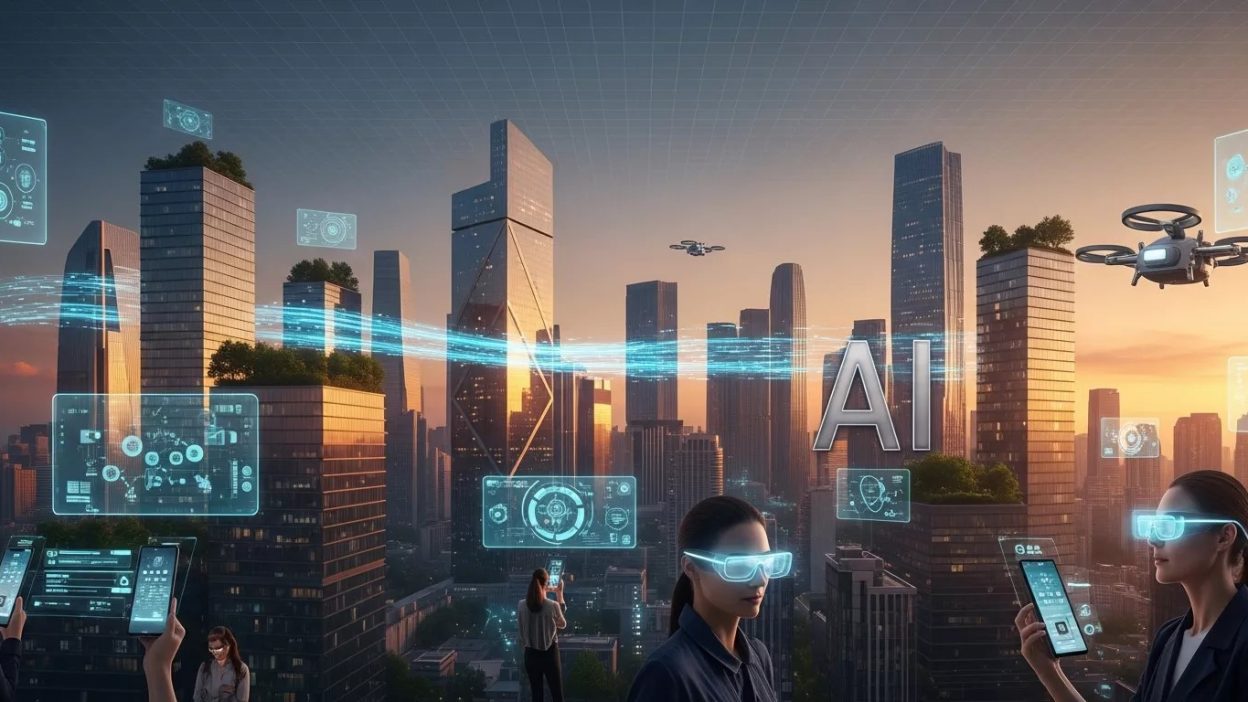
Smart cities are emerging as one of the most impactful real-world applications of AI Powered Augmented Reality. By combining urban data, AI analytics, and AR interfaces, cities can deliver real-time, location-specific information directly into physical spaces.
Residents can navigate complex infrastructure with AI-powered AR guidance, visualize public transportation updates, or access contextual civic information instantly. Urban planners and emergency responders can use augmented intelligence to simulate scenarios, monitor environments, and make faster, data-driven decisions.
As cities become more interconnected, AI Powered Augmented Reality acts as a bridge between digital urban systems and human experience, turning raw data into actionable, visually intuitive insights embedded within everyday life.
Human Trust, Adoption, and Cognitive Acceptance of AI Powered AR
Despite its technological potential, the success of AI Powered Augmented Reality depends heavily on human trust and psychological acceptance. Users must feel confident that intelligent AR systems are reliable, transparent, and aligned with their interests.
Concerns around surveillance, data usage, and emotional manipulation can slow adoption if not addressed responsibly. Designing explainable AI models, offering clear user control, and maintaining ethical boundaries are essential for building long-term trust.
From a psychological perspective, AI Powered AR must support human autonomy rather than overwhelm it. Systems that respect attention, reduce friction, and enhance understanding are far more likely to achieve widespread acceptance and sustained engagement.
Hardware Evolution Enabling AI Powered Augmented Reality
The rapid advancement of hardware is a critical enabler of AI Powered Augmented Reality. Modern AR devices are now equipped with depth sensors, spatial mapping technologies, eye tracking, and AI-optimized processors capable of real-time inference.
Edge computing plays a crucial role by allowing AI models to run directly on devices, reducing latency and improving privacy. Lightweight wearables, smart glasses, and next-generation mobile chips are removing many of the physical and technical barriers that previously limited AR adoption.
As hardware continues to evolve, AI Powered Augmented Reality will shift from experimental setups to everyday tools seamlessly integrated into work, learning, and daily life without disrupting natural human behavior.
The Role of AI in Context Awareness and Prediction
Context awareness is the defining feature of AI Powered Augmented Reality. AI does not simply react—it predicts.
By analyzing historical behavior, environmental cues, and real‑time inputs, AR systems can anticipate what information a user might need next. This predictive capability reduces friction and enhances usability.
For example, in navigation scenarios, AI can highlight relevant landmarks before the user asks. In learning environments, it can adjust content complexity based on user progress. These subtle optimizations create experiences that feel naturally aligned with human intention.
AI Powered Augmented Reality Use Cases Across Industries
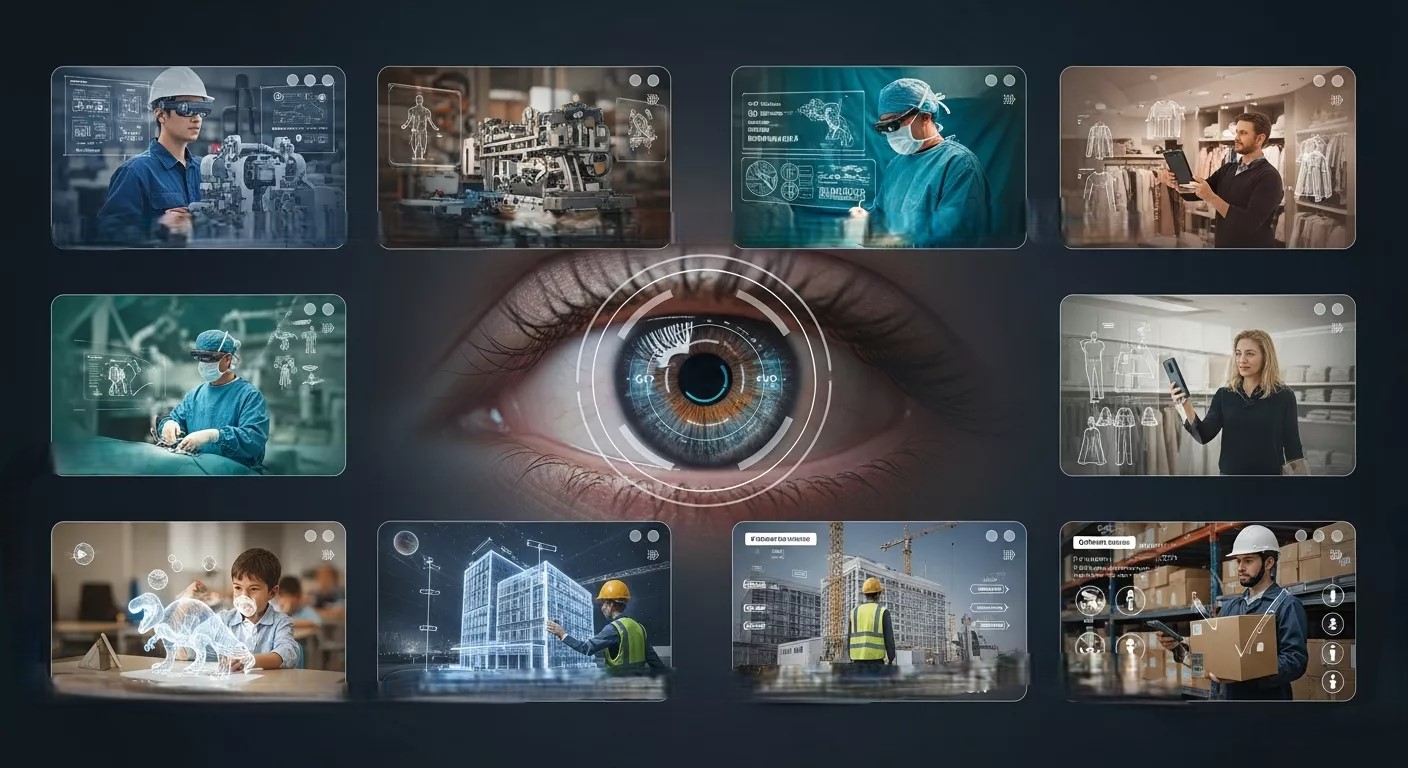
The practical applications of AI‑driven AR span multiple sectors, reflecting its versatility and scalability. These Augmented Reality Use Cases continue to expand as hardware and algorithms improve.
In retail, AI‑enhanced AR enables intelligent product visualization, personalized recommendations, and real‑time fitting adjustments. In manufacturing, it supports predictive maintenance and guided workflows. In healthcare, it assists with diagnostics, surgical planning, and training.
Education and training environments benefit from adaptive learning experiences that respond to individual comprehension levels. Meanwhile, smart cities leverage AI‑powered AR for navigation, infrastructure management, and public information delivery.
AI Powered Augmented Reality in Research and Innovation
Academic and industrial research plays a crucial role in advancing immersive intelligence. Augmented Reality in Research explores new interaction models, perception theories, and system architectures.
Researchers study how AI‑driven AR affects learning outcomes, memory retention, and user trust. These insights inform future designs and help establish ethical, inclusive standards.
Experimental AR labs also test multi‑modal interaction, combining visual, auditory, and haptic feedback to create richer sensory experiences. These findings shape the next generation of immersive systems.
Trust, Transparency, and Explainable Intelligence in AR
As AI becomes more embedded in decision‑making, transparency becomes essential. Users want to understand why systems behave the way they do.
This is where Explainable AI for Transparent AR Decision Making Processes becomes critical. Explainable models provide insight into how conclusions are reached, increasing user confidence and reducing perceived risk.
In regulated industries such as healthcare and finance, exploitability is not optional. AI Powered Augmented Reality platforms that prioritize transparency are more likely to gain long‑term adoption and trust.
Human‑Centered Design in AI Powered Augmented Reality
Successful AR systems are not just intelligent—they are empathetic. Human‑centered design principles ensure that technology adapts to users, not the other way around.
Designers focus on minimizing cognitive overload, supporting natural gestures, and maintaining visual clarity. AI assists by personalizing interfaces and adjusting complexity dynamically.
This approach ensures that AI Powered Augmented Reality feels supportive rather than intrusive, encouraging exploration without frustration.
Performance, Scalability, and Technical Challenges
Despite rapid progress, AI Driven Avatars Are Revolutionizing Digital Marketing AR faces technical challenges. Processing large volumes of data in real time requires efficient models and optimized hardware.
Latency, battery consumption, and device compatibility remain key considerations. Developers balance performance with accessibility to ensure experiences remain inclusive across platforms.
Ongoing improvements in model compression, edge inference, and hardware acceleration continue to address these limitations.
Data Ethics and Responsible AI in Immersive Systems
AI Powered Augmented Reality relies on data visual, spatial, and behavioral. Responsible data handling is essential to maintain trust.
Ethical frameworks guide how data is collected, stored, and used. Privacy‑preserving techniques such as on‑device processing and anonymization help reduce risk.
As adoption grows, ethical design will become a competitive advantage rather than a compliance requirement.
The Evolution Toward Intelligent Spatial Interfaces
The future of digital interaction lies in spatial interfaces that blend seamlessly with the physical world. AI Powered Augmented Reality represents a shift away from screens toward environments.
Instead of navigating menus, users interact directly with information embedded in space. This paradigm change will influence how people work, learn, and communicate.
As wearable devices mature and AI models become more efficient, immersive intelligence will become an everyday utility rather than a specialized tool.
Why AI Powered Augmented Reality Defines the Next Tech Evolution
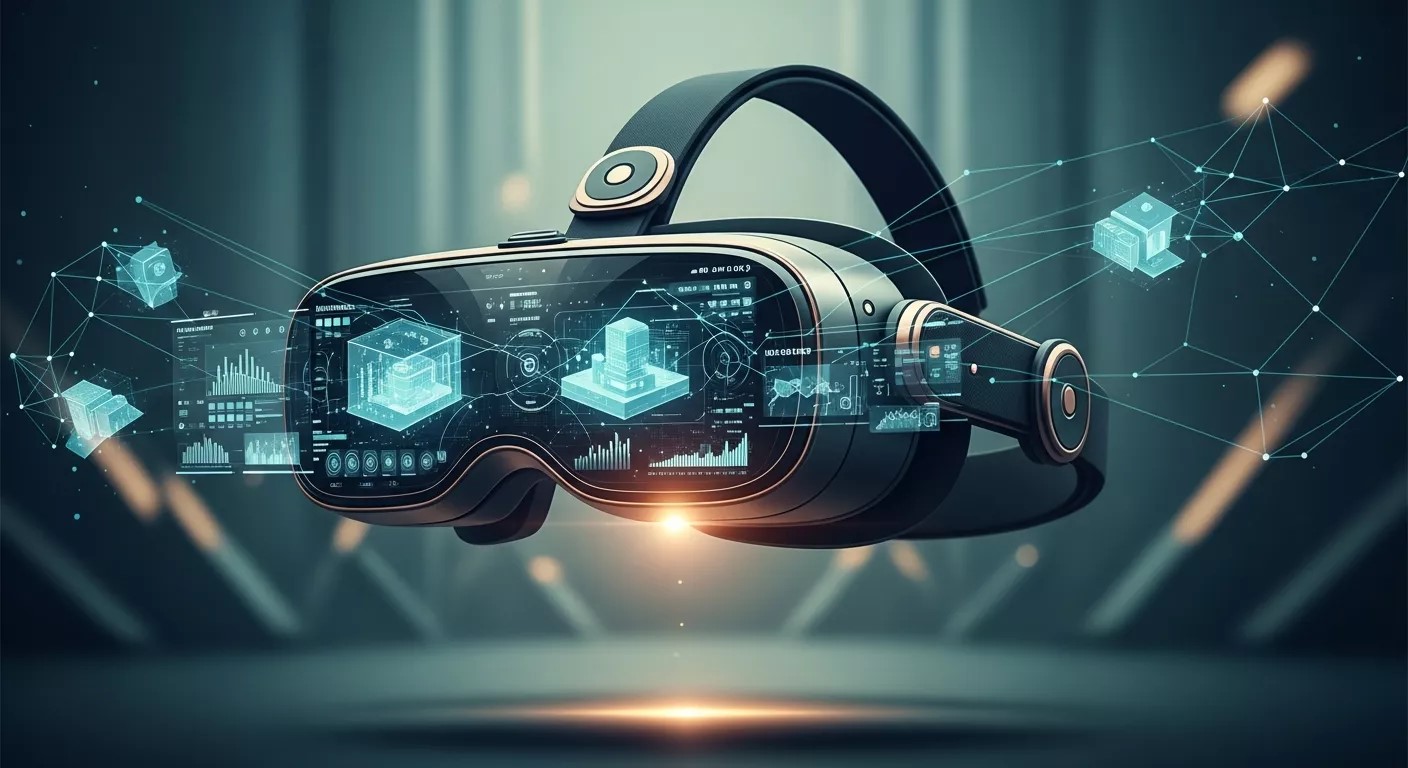
This technology is not an incremental improvement—it is a convergence of intelligence and immersion. By aligning computational power with human perception, AI Powered Augmented Reality reshapes how technology serves people.
As industries adapt and user expectations evolve, intelligent AR systems will form the backbone of future digital ecosystems. The next tech evolution will not be about more information, but about better understanding and AI‑driven immersive experiences are leading that transformation.
Conclusion
AI-driven immersive systems represent a shift from passive digital interaction to intelligent, context-aware experiences. As technology evolves toward spatial and human-centered interfaces, the fusion of intelligence and immersion will play a defining role in how people learn, decide, and interact with the digital world.
Frequency Asked Question (FAQ)
What is AI powered augmented reality?
It is an advanced form of augmented reality that uses artificial intelligence to understand environments, recognize objects, and deliver context-aware, adaptive digital experiences in real time.
How does AI improve augmented reality experiences?
AI enables better object recognition, scene understanding, personalization, and predictive interaction, making experiences more accurate, intuitive, and responsive to user intent.
Is AI powered augmented reality different from traditional AR?
Yes. Traditional AR relies on predefined rules and triggers, while AI-powered systems learn from data and adapt dynamically based on context and user behavior.
Which industries benefit most from AI powered augmented reality?
Retail, healthcare, manufacturing, education, research, and smart infrastructure benefit significantly due to improved visualization, guidance, and decision support.
Does AI powered augmented reality raise privacy concerns?
It can, because it processes visual and behavioral data. Responsible platforms address this through ethical AI practices, data minimization, and transparency.
Why is AI powered augmented reality considered the next tech evolution?
Because it combines intelligence with spatial interaction, moving digital experiences beyond screens toward human-centered, real-world interfaces.