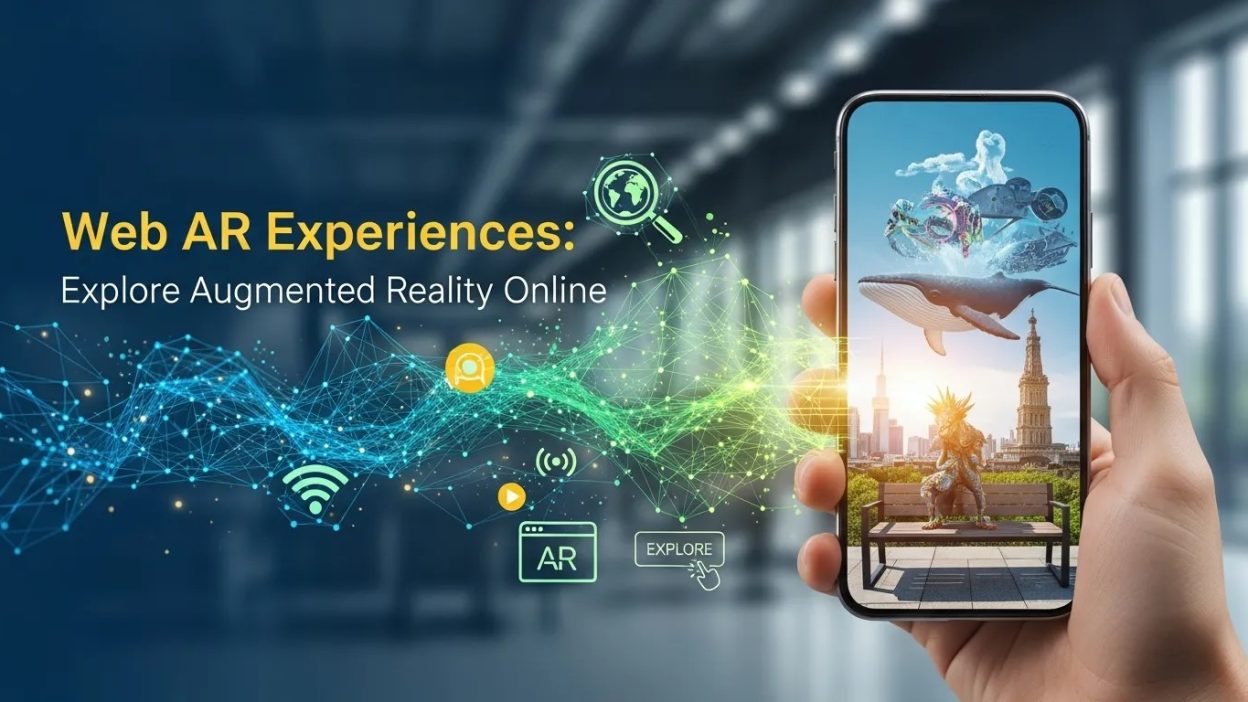
Web AR Experiences offer instant, interactive AR through browsers, enhancing learning, shopping, and entertainment. With AI and holographic integration, these experiences are engaging, accessible, and transformative, bridging physical and digital worlds for businesses, educators, and audiences alike.
Understanding Web AR Experiences: The Future of Digital Interaction
In recent years, the way we interact with digital content has transformed dramatically. Web AR Experiences are at the forefront of this evolution, allowing users to engage with augmented reality directly through their web browsers without the need for app downloads. This shift is not just a technological convenience it’s a fundamental change in how humans perceive and interact with digital environments.
By removing barriers such as app installation and platform restrictions, Web AR Experiences make augmented reality accessible to a much wider audience. Brands, educators, and developers can now deliver immersive, interactive content instantly, enhancing engagement and retention. Unlike traditional AR apps, web-based AR allows for a seamless connection between physical and digital worlds, making experiences more fluid and intuitive.
How Web AR Experiences Enhance User Engagement
The human brain is wired to respond to interactive stimuli. When people engage with 3D objects or immersive scenarios, they retain information longer and feel more connected to the content. Web AR Experiences leverage this cognitive principle by providing real-time interaction and contextually relevant overlays. For example, imagine attending an online product showcase where you can view a 3D model in your own living room or exploring a virtual museum exhibit from your browser. These interactions create a sense of presence and involvement, which traditional media cannot replicate.
Moreover, Web AR Experiences have become a powerful tool for marketers seeking to capture attention in a crowded digital space. Interactive experiences are more likely to be shared on social media, increasing organic reach and brand visibility. This is why industries are increasingly integrating web-based AR into campaigns, from product launches to experiential storytelling.
Applications Across Industries
Web AR isn’t limited to retail or entertainment. Its applications span numerous sectors:
-
Education: Students can explore complex concepts in 3D, making learning more engaging and effective.
-
Healthcare: Surgeons and trainees can visualize anatomy in real-time, enhancing training and precision.
-
Events & Entertainment: From virtual concerts to interactive festival maps, AR is redefining how audiences experience events.
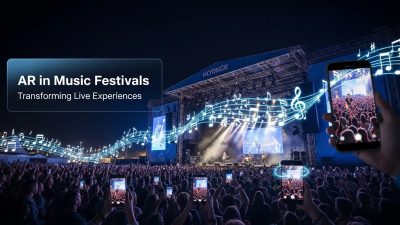
For instance, AR in Music Festivals allows attendees to access live stage effects, artist information, or interactive installations via their smartphones or tablets without additional apps. This integration creates a richer, more personalized experience that blends live and virtual engagement seamlessly.
Technological Foundations of Web AR Experiences

The rise of Web AR Experiences has been fueled by advancements in web technologies such as WebXR, WebGL, and JavaScript-based AR frameworks. These tools enable developers to render 3D content efficiently and interactively within a browser environment. With standards becoming more consistent across platforms, web-based AR is now more reliable, faster, and visually compelling than ever before.
Another key factor driving adoption is AR Hologram Technology, which enhances realism and immersion. Holographic AR objects can appear life-size and responsive to user movement, offering experiences that were previously possible only in controlled environments. This capability opens new possibilities for education, marketing, and remote collaboration.
Benefits of AR Glasses and Web AR
While AR glasses benefits such as hands-free interaction and contextual overlays are well-known, combining them with web-based AR broadens accessibility. Users can choose between wearable devices and browser-based experiences depending on context, making AR more flexible and inclusive. This dual approach ensures that both casual users and power users can benefit from immersive experiences without compromising convenience or quality.
Intelligence Behind Web AR
The integration of AR Intelligence further elevates the potential of web-based experiences. AI-powered AR can analyze user behavior in real time, adapt content dynamically, and deliver personalized interactions. Imagine walking through a virtual showroom where the AR system highlights products based on your previous preferences or browsing history. Such smart interactions not only enhance engagement but also provide actionable insights for businesses to refine their offerings.
Bridging Web AR Experiences with AI Tools
Modern web AR solutions are increasingly combining with AI-driven tools for enhanced user interaction. For example, AI Chatbot Learning Resources can be embedded within AR environments to guide users, answer questions, or provide interactive tutorials. This synergy creates an educational ecosystem where users learn by doing, exploring, and interacting, all within a seamless web-based platform.
B2B and B2C Applications
Finally, B2B and B2C Chatbot integrations within web AR environments allow companies to maintain continuous engagement across client touchpoints. Businesses can offer instant assistance, product demos, or troubleshooting tips directly in an AR interface, reducing friction and enhancing customer satisfaction. For B2B contexts, this could mean interactive product catalogs or virtual meetings, while B2C brands might focus on immersive shopping experiences or gamified interactions.
Key Technologies Driving Web AR Experiences
The rapid growth of Web AR Experiences is largely powered by innovations in web and AR technologies. At the core, frameworks like WebXR, A-Frame, and Three.js enable developers to create interactive 3D content that runs smoothly in browsers. These tools allow designers to integrate AR models, animations, and spatial mapping without requiring app downloads, which significantly broadens accessibility.
With Web AR Experiences, developers can also leverage device cameras, motion sensors, and real-time tracking to create immersive environments. Unlike traditional AR apps, the web-based approach removes installation barriers, which increases user adoption and retention. Users can access AR content instantly from any device, making these experiences more convenient and impactful.
Enhancing User Experience Through Web AR
One of the standout features of Web AR Experiences is the ability to engage users on a deeply personal level. By overlaying digital objects on real-world environments, these experiences make interactions more intuitive and memorable. For instance, in retail, customers can visualize products in their own space before making a purchase, increasing confidence and reducing returns.
Beyond commerce, Web AR Experiences are revolutionizing education. Students can manipulate 3D models in real time, explore virtual laboratories, or interact with historical reconstructions—all from their browser. The immediacy of access ensures that learning remains engaging and frictionless, making web AR a valuable tool in both formal and informal education.
Industry Applications of Web AR Experiences
Web AR Experiences are not confined to any single sector. Their versatility spans entertainment, marketing, healthcare, and more. One notable example is AR in Music Festivals, where attendees can access real-time stage overlays, interactive performer holograms, and location-based navigation—all without downloading an app. This integration of live and digital experiences enriches engagement and creates lasting memories.
Another transformative technology enhancing web AR is AR Hologram Technology. Holographic objects can appear life-sized and responsive, elevating immersive experiences for users. When combined with web-based AR, these holograms allow anyone with a compatible device to interact with 3D content seamlessly. This synergy is especially valuable for virtual events, remote training, and marketing campaigns, providing rich engagement while remaining highly accessible.
Web AR Experiences and Wearable Technology
Although AR glasses benefits such as hands-free interaction and contextual overlays have driven significant innovation, Web AR Experiences complement wearable devices by offering an immediate, browser-based alternative. Users can choose between wearing AR glasses or simply accessing the experience via a smartphone or tablet, depending on convenience and context. This flexibility ensures broader adoption and makes AR more inclusive across demographics.
Moreover, combining Web AR Experiences with AI tools enhances interactivity and personalization. AR Intelligence can track user behavior and dynamically adjust content, making interactions more engaging. For example, an online furniture retailer could highlight products that align with a user’s previous preferences, while educational platforms could adapt lessons based on real-time engagement metrics. This intelligent layering creates a richer, more tailored experience that traditional media cannot match.
Integrating AI with Web AR Experiences
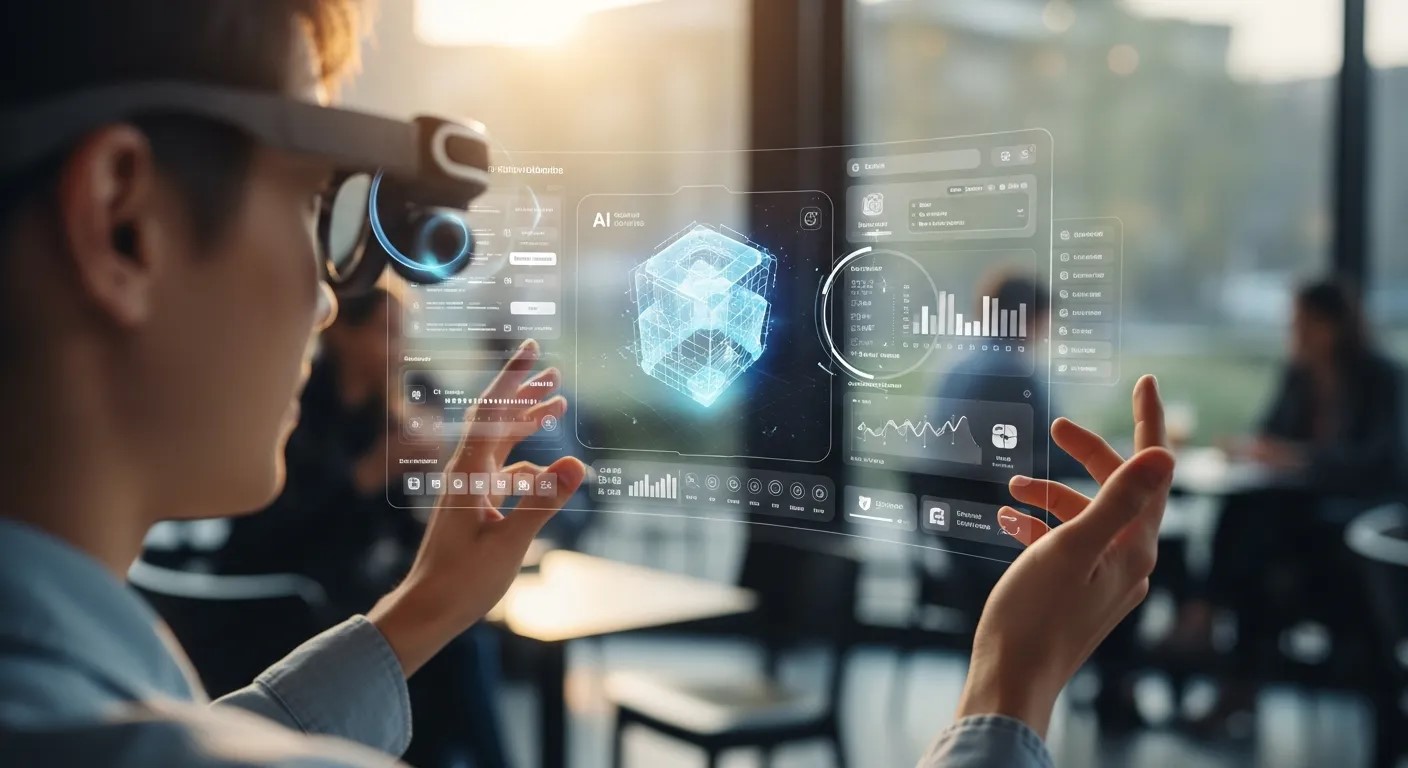
Modern web AR environments increasingly incorporate AI-driven systems for enhanced engagement. Embedding AI Chatbot Learning Resources within AR scenarios allows users to receive instant guidance, answer questions, or explore content interactively. For instance, a museum could use AI chatbots within a web AR tour to provide historical context, interactive quizzes, or personalized recommendations. This approach not only educates but also creates a more engaging and memorable user experience.
In business contexts, B2B and B2C Chatbot integrations with web AR environments provide continuous support and engagement. B2B companies can offer interactive product demonstrations, virtual trade shows, or onboarding experiences through Web AR Experiences, while B2C brands might focus on gamified shopping experiences or interactive marketing campaigns. These integrations bridge the gap between digital and physical interactions, ensuring users receive value and guidance at every touchpoint.
Real-World Case Studies of Web AR Experiences
Several companies are already demonstrating the power of Web AR Experiences across industries. Retailers have implemented AR try-on features on e-commerce websites, increasing conversion rates and reducing returns. Event organizers use web AR for interactive festival maps and real-time stage effects, enhancing attendee engagement. Educational institutions leverage browser-based AR to create virtual classrooms where students can manipulate 3D objects and participate in collaborative exercises.
These examples highlight the versatility of Web AR Experiences and why they are quickly becoming a standard tool for brands and educators alike. By combining accessibility, interactivity, and personalization, web AR transforms passive consumers into active participants, boosting engagement, satisfaction, and retention.
Advanced Applications of Web AR Experiences
As Web AR Experiences continue to evolve, businesses and developers are exploring more sophisticated applications that go beyond basic interactivity. One major area is immersive retail. Shoppers can now use web-based AR to visualize products in real-world settings, test different configurations, and even simulate usage scenarios. This level of engagement not only increases conversion rates but also encourages users to spend more time exploring offerings.
Healthcare is another sector leveraging Web AR Experiences for advanced applications. Surgeons and medical students can study 3D anatomical models directly in a browser, allowing for interactive learning and planning without the constraints of physical models. By integrating AR Intelligence, these models can provide real-time feedback, guidance, and annotations, creating a more comprehensive and adaptive learning environment.
Web AR Experiences in Education and Training
Educational institutions are increasingly adopting Web AR Experiences for interactive learning. Students can manipulate virtual models, conduct experiments in simulated environments, or explore historical reconstructions—all without leaving the classroom or installing additional apps. This accessibility makes learning more engaging, memorable, and effective.
For example, incorporating AI Chatbot Learning Resources within web AR lessons allows students to ask questions, receive explanations, or explore additional materials in real time. This combination of AI and AR empowers learners to take control of their education, fostering a more personalized and responsive experience.
Entertainment and Events
Entertainment is a natural fit for Web AR Experiences. Event organizers can integrate augmented reality into live shows, festivals, and concerts. Using AR in Music Festivals, attendees can access stage overlays, artist information, and interactive installations through their browsers. This web-based approach removes the friction of app downloads while enhancing audience engagement.
Similarly, AR Hologram Technology is being used to create realistic, immersive experiences that can be accessed instantly via the web. For instance, virtual concerts or interactive exhibitions can feature holographic performers or objects that respond to user movements, creating an experience that is both captivating and accessible to a wide audience.
Combining Wearables and Web AR Experiences
While wearable devices offer hands-free interaction, Web AR Experiences provide flexibility for users who may not have AR glasses. AR glasses benefits such as contextual overlays and immersive interactivity complement browser-based AR, ensuring that users can engage with content in the way that best suits their situation.
For example, a retail brand might provide a web AR experience for general customers while offering enhanced overlays through AR glasses for premium shoppers. This hybrid approach increases accessibility and allows brands to cater to multiple user segments effectively.
Business Applications of Web AR Experiences
Businesses are leveraging Web AR Experiences to enhance customer engagement and operational efficiency. B2B and B2C Chatbot integrations allow companies to provide instant assistance, product demonstrations, or onboarding tutorials within AR interfaces. For B2B contexts, interactive product catalogs and virtual showrooms improve sales and collaboration. For B2C brands, gamified shopping experiences and interactive marketing campaigns boost engagement and conversions.
By embedding AR Intelligence into these experiences, businesses can analyze user behavior, personalize content, and deliver adaptive interactions. For example, an e-commerce site could highlight products based on prior browsing patterns, or an educational platform could adjust lessons according to student engagement levels. This intelligent integration ensures that Web AR Experiences are not only engaging but also meaningful and actionable.
Technical Workflows for Web AR Experiences

Developing high-quality Web AR Experiences requires a combination of AR frameworks, web technologies, and AI integration. Frameworks like WebXR and Three.js handle 3D rendering and spatial mapping, while JavaScript-based libraries enable interactivity and animation. Cloud services can store and deliver large AR assets efficiently, ensuring fast load times and smooth performance.
Developers must also consider device compatibility and performance optimization. Because Web AR Experiences run in browsers, experiences need to be responsive across various devices, from desktops to smartphones. Techniques such as lazy loading, asset compression, and adaptive rendering ensure that the AR content remains immersive without compromising speed or accessibility.
Future Trends in Web AR Experiences
The future of Web AR Experiences looks incredibly promising. As internet speeds, device capabilities, and AI algorithms improve, web-based AR will become increasingly sophisticated. Expect more interactive storytelling, fully immersive virtual events, and smart AR systems that adapt in real-time to user behavior.
Furthermore, the integration of AR Hologram Technology with web AR could redefine remote collaboration. Teams across the globe may interact with holographic models in real time, conducting meetings, design reviews, or training sessions entirely in browser-based AR environments. This shift will make immersive digital interaction more accessible, productive, and impactful.
Conclusion
Web AR Experiences are transforming the way users interact with digital content by bringing immersive, interactive environments directly into browsers. They eliminate app barriers, increase engagement, and provide personalized experiences across industries like education, retail, healthcare, and entertainment. By leveraging AR Intelligence, holographic technology, and AI-driven chatbots, web-based AR enables businesses and educators to deliver more meaningful interactions. From enhancing festival experiences to enabling remote training, Web AR Experiences are not just a technological novelty—they are a practical solution for modern engagement. Embracing this innovation ensures users stay connected, informed, and entertained seamlessly.
Frequently Asked Questions
What are Web AR Experiences?
Web AR Experiences are augmented reality environments accessible directly through web browsers, allowing interactive 3D content without installing apps.
How are Web AR Experiences used in education?
They enable students to explore 3D models, conduct experiments, and interact with lessons in real time, making learning more engaging and immersive.
Can businesses use Web AR Experiences for marketing?
Yes. Brands can create interactive product demos, virtual showrooms, and gamified campaigns, increasing engagement, conversions, and brand visibility.
Do I need AR glasses to access Web AR Experiences?
No. Most web AR content works on smartphones, tablets, and desktops, though AR glasses enhance immersion for advanced applications.
How does AI enhance Web AR Experiences?
AI enables personalized interactions, adaptive content, and intelligent guidance, such as chatbots or AR Intelligence systems that respond to user behavior in real time.