VR Marketing transforms brand engagement through immersive experiences, personalization, and interactivity. By integrating AR elements, AI Multilingual Bots, and innovative technologies, businesses can enhance customer connections, drive conversions, and deliver memorable campaigns that resonate across industries worldwide.
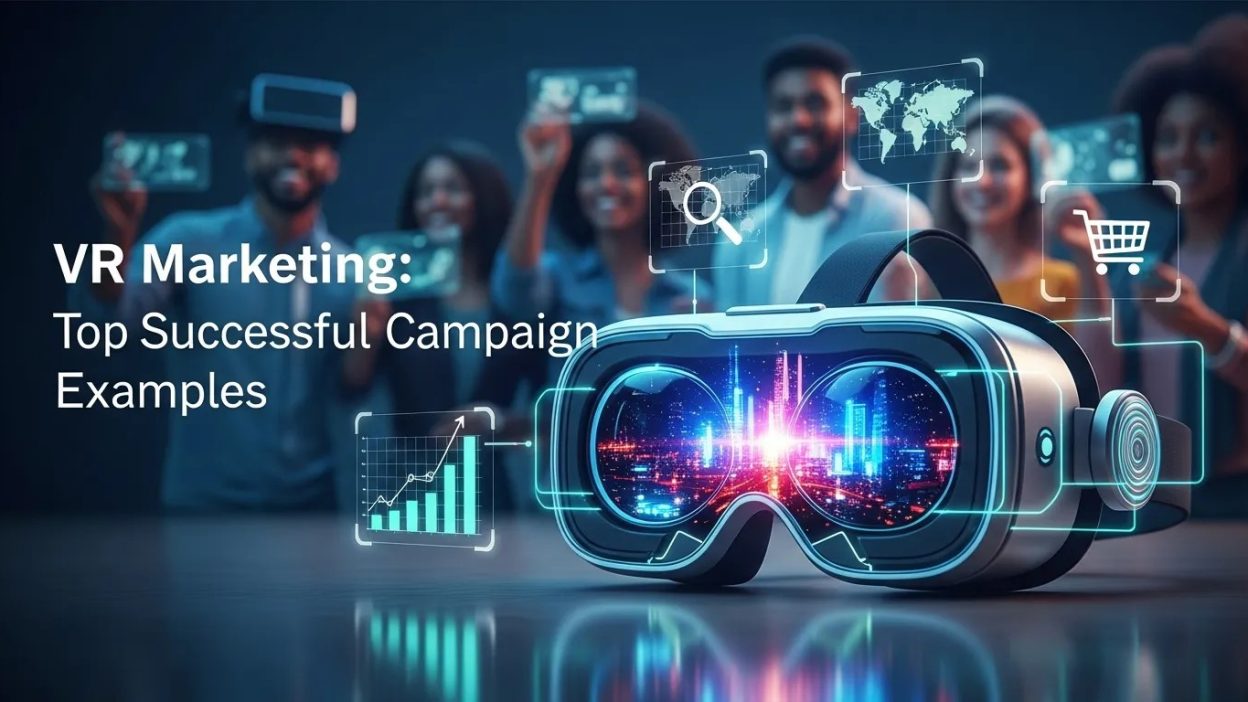
VR Marketing: Top Successful Campaign Examples
Virtual Reality (VR) has transformed the way brands interact with their audiences, offering immersive experiences that go beyond traditional marketing methods. As consumers increasingly seek engaging, memorable, and interactive content, VR Marketing has become a crucial strategy for businesses looking to differentiate themselves. From virtual product demonstrations to fully immersive brand experiences, companies are leveraging VR technology to capture attention and foster deeper connections with their customers.
In today’s digital-first landscape, VR Marketing allows brands to not only showcase products but also tell stories in ways that resonate emotionally with their audiences. This creates an unparalleled sense of presence and engagement, which is difficult to achieve through conventional media. As more industries recognize the potential of immersive experiences, VR Marketing campaigns are evolving into sophisticated tools that combine entertainment, information, and personalization.
Understanding the Power of VR Marketing
The essence of VR Marketing lies in its ability to create immersive environments where users can interact naturally with products, services, or experiences. Unlike traditional media, VR experiences are interactive and multi-sensory, giving users a sense of presence that fosters brand recall and emotional engagement. By simulating real-world interactions or entirely fantastical scenarios, VR campaigns can elevate marketing from passive observation to active participation.
For instance, consider a retail brand that uses VR to let customers explore a virtual store. Shoppers can browse products, try items virtually, and receive tailored recommendations in real-time. This not only enhances the customer experience but also provides brands with invaluable behavioral insights. Such innovative applications of VR Marketing often require collaboration with AR Pioneers, designers, and technology specialists who understand how immersive storytelling works.
The rise of AR Technology complements VR efforts, allowing marketers to integrate mixed reality into campaigns. AR elements, such as interactive overlays or holographic product demonstrations, bridge the gap between physical and virtual experiences, creating a more seamless and engaging marketing approach. Companies adopting this hybrid strategy are setting new standards for customer engagement, proving that immersive marketing goes beyond novelty and delivers measurable results.
Core Components of Effective VR Marketing Campaigns
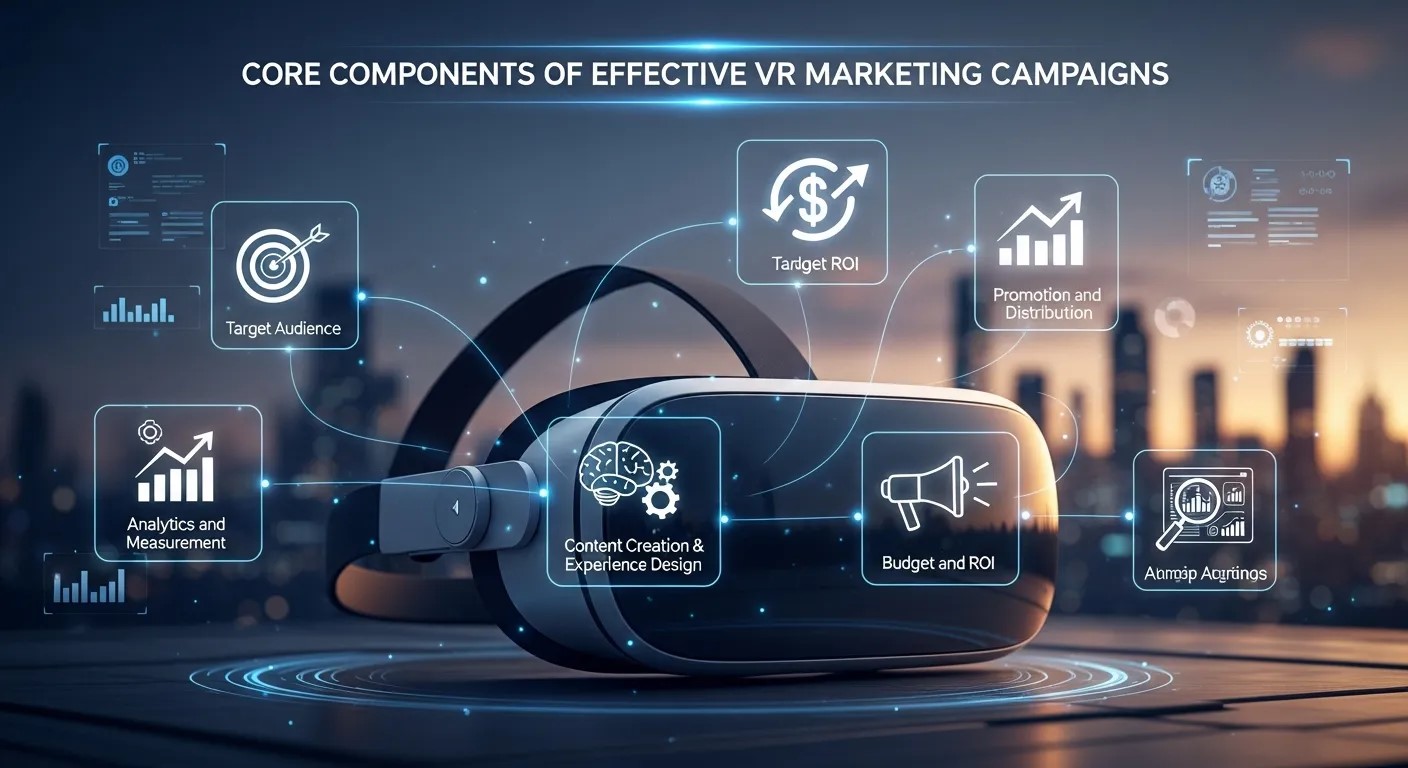
Successful VR Marketing campaigns share several common elements that contribute to their effectiveness:
-
Immersive Storytelling – VR experiences must convey a narrative that captivates the user from start to finish. Story-driven campaigns help brands connect emotionally with their audience.
-
Interactive Elements – Interactivity encourages exploration and engagement, making users active participants rather than passive viewers.
-
Personalization – Tailoring experiences based on user preferences or behavior enhances relevance and increases the likelihood of conversion.
-
Integration with Traditional Channels – Combining VR Marketing with social media, email, or physical events amplifies reach and reinforces messaging.
-
Data Insights – VR experiences can generate rich data about user behavior, preferences, and engagement patterns, helping refine future campaigns while maintaining Bot Data Privacy standards.
By aligning these components with a clear marketing goal, brands can craft VR experiences that are both memorable and measurable.
Notable VR Marketing Strategies in Action
Many brands have successfully harnessed VR Marketing to stand out in crowded markets. While approaches vary by industry, the common denominator is creating experiences that immerse and delight users.
Automotive Industry: Virtual Test Drives
Several automotive brands have implemented VR Marketing by offering virtual test drives. Instead of visiting a dealership, potential customers can experience the feel of driving a new car through immersive VR environments. These campaigns allow users to explore interior designs, simulate real-world driving conditions, and visualize customization options. By integrating AR Hologram Technology into these campaigns, brands enhance realism, making the virtual experience almost indistinguishable from reality.
Retail: Virtual Shopping Experiences
Retail brands are increasingly using VR to transform online shopping. Customers can navigate virtual stores, try on products virtually, and interact with staff avatars. By combining VR with AI Multilingual Bots, brands can offer multilingual support, making the shopping experience accessible to a global audience. Such integrations demonstrate how VR Marketing not only entertains but also serves practical business functions, improving customer satisfaction and boosting conversion rates.
Travel & Tourism: Destination Immersion
Tourism boards and travel agencies leverage VR Marketing to let users explore destinations before booking. Immersive experiences showcase scenic landscapes, hotel interiors, and cultural events. This strategy creates emotional anticipation, encouraging travelers to commit to bookings. By working with AR Mechanics, agencies can overlay interactive guides, historical facts, or navigational cues, enriching the virtual tour and turning passive viewers into active planners.
Entertainment: Concerts and Festivals
Entertainment companies are using VR Marketing to replicate live events in virtual spaces. Concertgoers can enjoy front-row experiences or exclusive backstage access without leaving their homes. These campaigns enhance engagement while providing brands with data on audience behavior and preferences. Moreover, VR integrations with AR Technology allow live interactions, such as voting for songs or exploring augmented stage effects, enhancing the immersive quality of the experience.
Real Estate: Virtual Property Tours
Real estate agencies leverage VR Marketing to offer virtual property tours, allowing potential buyers to explore homes remotely. Users can navigate rooms, visualize furniture layouts, and inspect details at their own pace. AR Hologram Technology further enhances these experiences by projecting design modifications or furniture options in real time. This method not only saves time but also accelerates decision-making, making it a preferred approach for busy clients.
Education and Training: Immersive Learning
Educational institutions and corporate training programs have embraced VR Marketing to create immersive learning environments. VR simulations provide hands-on experiences, from laboratory experiments to technical training scenarios. By incorporating AR Mechanics, instructors can add interactive annotations or visual guides, making complex topics more accessible. VR Marketing in this context demonstrates that immersive technology can be both educational and promotional, reinforcing a brand’s position as an innovator.
Healthcare: Patient Engagement and Awareness
Healthcare organizations utilize VR Marketing to educate patients about treatments or healthy behaviors. Immersive experiences simulate medical procedures, reducing anxiety and improving comprehension. AI Multilingual Bots assist by providing personalized guidance in multiple languages, expanding reach and accessibility. Such campaigns highlight that VR Marketing can have a meaningful societal impact, going beyond commercial goals to improve patient outcomes.
Emerging Trends in VR Marketing
As VR technology matures, marketers are finding new ways to captivate audiences and enhance engagement. The evolution of VR Marketing is driven by advances in hardware, software, and integration with complementary technologies like AR Technology and AI Multilingual Bots. Companies are no longer limited to basic 360-degree videos; instead, they can craft fully interactive, multi-sensory campaigns that immerse users in personalized brand narratives.
One notable trend is the integration of mixed reality experiences, which combines VR with augmented overlays. By leveraging AR Hologram Technology, brands can enrich virtual environments with dynamic information, interactive objects, and real-time data. For example, a fashion brand may allow customers to view clothing collections virtually while overlaying additional product information, styling tips, and availability. This approach not only creates a richer user experience but also boosts engagement metrics and conversion rates.
Another growing trend is social VR Marketing, where brands create shared virtual spaces for users to interact, attend events, or collaborate. Social VR platforms encourage user-generated content and community engagement, which can amplify brand reach organically. This method taps into the psychological need for connection and shared experiences, making campaigns more memorable and impactful.
Advanced VR Marketing Strategies
To maximize the impact of VR campaigns, marketers are adopting advanced strategies that combine behavioral insights, personalization, and interactive storytelling. These approaches allow brands to deliver experiences that resonate on both cognitive and emotional levels.
Personalized Immersive Experiences
Personalization is a cornerstone of successful VR Marketing. By analyzing user behavior, brands can tailor virtual environments to individual preferences, creating experiences that feel unique and relevant. For instance, travel agencies may present virtual itineraries based on past searches, while retail brands can showcase products that match the user’s style and size. Integrating AI Multilingual Bots ensures that experiences are accessible across languages, making personalization truly global.
Data-Driven VR Campaigns
VR Marketing campaigns generate rich datasets on user interactions, navigation paths, and engagement duration. These insights help marketers refine campaigns, optimize content, and understand customer preferences in unprecedented detail. Importantly, data collection must adhere to Bot Data Privacy standards, ensuring user trust and regulatory compliance. Brands that successfully balance data-driven strategies with privacy considerations build stronger, long-term relationships with their audiences.
Gamification in VR Marketing
Gamification is another powerful strategy in VR Marketing. By incorporating challenges, rewards, or interactive storytelling elements, brands can increase engagement and encourage repeat interactions. For example, automotive brands may create VR racing simulations where users earn points for exploring vehicle features, while retail brands gamify shopping experiences to promote loyalty and sales. Gamified VR experiences leverage both entertainment and psychology, making users more likely to remember the brand positively.
Cross-Platform Integration
VR Marketing is increasingly integrated with other marketing channels, from social media campaigns to email engagement. For instance, brands may promote a VR experience through social platforms and follow up with email campaigns that provide additional content or offers. This multi-channel approach reinforces messaging and ensures that VR Marketing campaigns achieve broader reach and higher ROI.
Case Studies of Innovative VR Marketing
Examining real-world examples provides insights into how companies successfully execute VR Marketing strategies. These case studies highlight best practices and reveal how brands creatively leverage technology to achieve their goals.
Automotive Brand Virtual Launch
An automotive manufacturer launched a new vehicle model using a fully immersive VR experience. Users could explore every feature, test drive the car virtually, and customize their configurations. The campaign incorporated AR Hologram Technology to enhance realism and provide interactive overlays explaining engine specifications, safety features, and design highlights. The result was significant online engagement, higher pre-orders, and extensive media coverage.
Retail Brand Virtual Store
A global retail chain developed a VR store that allowed customers to navigate aisles, interact with products, and receive personalized suggestions based on their browsing history. AI Multilingual Bots provided real-time support in multiple languages, expanding the campaign’s accessibility. By combining personalization with immersive technology, the brand achieved higher engagement rates and increased conversion for online and in-store purchases.
Travel Destination Immersion
A tourism board created an immersive VR campaign showcasing a popular destination. Users could explore scenic landmarks, cultural sites, and local events virtually. AR Mechanics were used to overlay interactive information, such as historical facts and navigational cues, enhancing educational and entertainment value. The campaign successfully increased bookings and strengthened the destination’s brand perception among potential travelers.
Entertainment Virtual Concerts
A music festival implemented VR Marketing to host virtual concerts, allowing fans to attend from anywhere in the world. Interactive elements such as voting for songs, exploring backstage areas, and engaging with augmented stage effects created an immersive social experience. By integrating AR Technology, the festival delivered unique visual experiences that heightened excitement and extended audience reach.
Measuring VR Marketing Success
To evaluate the effectiveness of VR campaigns, brands monitor several key performance indicators (KPIs). These include:
-
Engagement Metrics: Time spent in VR, interactions, and repeat visits.
-
Conversion Rates: Product purchases, bookings, or sign-ups influenced by VR experiences.
-
Brand Recall: Surveys measuring the impact of immersive storytelling on memory retention.
-
Customer Feedback: Qualitative insights on user experience and satisfaction.
Combining these metrics with data-driven strategies allows marketers to optimize campaigns, allocate resources effectively, and ensure measurable returns on investment.
Future of VR Marketing
The future of VR Marketing is closely tied to technological advancements and consumer expectations. Emerging innovations such as lighter VR headsets, haptic feedback, and AI-powered interactivity will make experiences even more immersive and intuitive. Brands that embrace these developments while adhering to privacy and accessibility standards will lead the next generation of marketing innovation.
Furthermore, VR Marketing is increasingly intersecting with AR Technology, creating blended experiences that leverage the strengths of both realities. Businesses that collaborate with AR Pioneers and integrate advanced AR Mechanics into campaigns will be able to craft experiences that are not only engaging but also uniquely differentiated in the marketplace.
Best Practices for Implementing VR Marketing Campaigns
Implementing successful VR Marketing campaigns requires strategic planning, creativity, and careful attention to user experience. Brands must prioritize creating immersive environments that are intuitive and engaging, ensuring that users can navigate virtual spaces without frustration. The goal is to make the experience enjoyable while subtly guiding users toward desired actions, such as exploring a product, learning more about a service, or completing a purchase.
One effective practice is to leverage AR Technology alongside VR, creating hybrid experiences that combine the strengths of both immersive formats. AR elements, such as interactive overlays, product annotations, or holographic guides, enrich the virtual environment and provide additional context. This approach allows users to explore more deeply without feeling overwhelmed, enhancing both engagement and retention.
Another key principle is to focus on personalization and accessibility. By understanding audience preferences and behavior, marketers can tailor experiences that feel relevant and meaningful. For global campaigns, integrating AI Multilingual Bots ensures that all users, regardless of language, can engage fully with the VR environment. Personalization not only enhances satisfaction but also increases the likelihood of conversion, as users feel the experience is crafted just for them.
Maintaining data privacy and trust is equally critical. Users are more willing to engage in immersive experiences when they know their interactions are secure. By following Bot Data Privacy standards, brands protect sensitive user information while still gathering insights to refine their campaigns. Transparent communication about data use strengthens credibility and fosters long-term loyalty.
Innovative Tools and Technologies Shaping VR Marketing
The success of VR Marketing is also driven by the innovative tools and technologies that support it. Companies working with AR Pioneers can access cutting-edge solutions, from AR Hologram Technology for interactive displays to AR Mechanics for real-world simulations. These tools allow brands to create experiences that are visually stunning, functionally rich, and emotionally engaging.
Additionally, advances in VR hardware, such as lightweight headsets, motion tracking, and haptic feedback, further enhance the immersive quality of campaigns. Brands that combine these technologies with strategic storytelling can create experiences that resonate deeply with users, leaving lasting impressions and building strong brand affinity.
Strategic Takeaways for Marketers
For marketers looking to incorporate VR into their campaigns, several strategic takeaways emerge:
-
Start with clear objectives: Define what you want users to experience and achieve within the VR environment.
-
Focus on engagement: Interactive storytelling, gamification, and hybrid AR elements enhance participation.
-
Ensure accessibility: Multilingual support and intuitive navigation broaden audience reach.
-
Leverage analytics: Monitor user behavior and engagement to refine campaigns while respecting privacy.
-
Collaborate with experts: Partnering with AR Pioneers and technical specialists ensures high-quality execution.
By following these best practices, brands can maximize the ROI of VR Marketing campaigns while providing experiences that are memorable, enjoyable, and meaningful.
Conclusion
VR Marketing has emerged as a transformative strategy, enabling brands to create immersive, interactive, and personalized experiences. By combining virtual reality with complementary technologies like AR Technology, AR Hologram Technology, and AI Multilingual Bots, businesses can engage audiences more effectively and leave lasting impressions. Real-world case studies demonstrate how industries from retail and automotive to entertainment and healthcare are leveraging VR to boost engagement, conversions, and brand loyalty. As the technology continues to evolve, marketers who prioritize creativity, accessibility, and data privacy will lead the next generation of immersive campaigns, turning virtual experiences into tangible business results.
Frequently Asked Questions (FAQ)
What is VR Marketing?
VR Marketing uses virtual reality experiences to engage customers, showcase products, and create interactive brand campaigns.
How can VR Marketing improve customer engagement?
By providing immersive, interactive, and personalized experiences that capture attention and encourage participation.
Which industries benefit most from VR Marketing?
Retail, automotive, travel, entertainment, healthcare, and education industries leverage VR for enhanced experiences and engagement.
How does AR Technology complement VR Marketing?
AR overlays enrich VR experiences with interactive elements, product information, and real-time guidance, enhancing immersion.
Are AI Multilingual Bots important for VR campaigns?
Yes, they allow global audiences to interact seamlessly, improving accessibility and engagement across languages.