Understanding the Rise of Micro Moments in Digital Attention
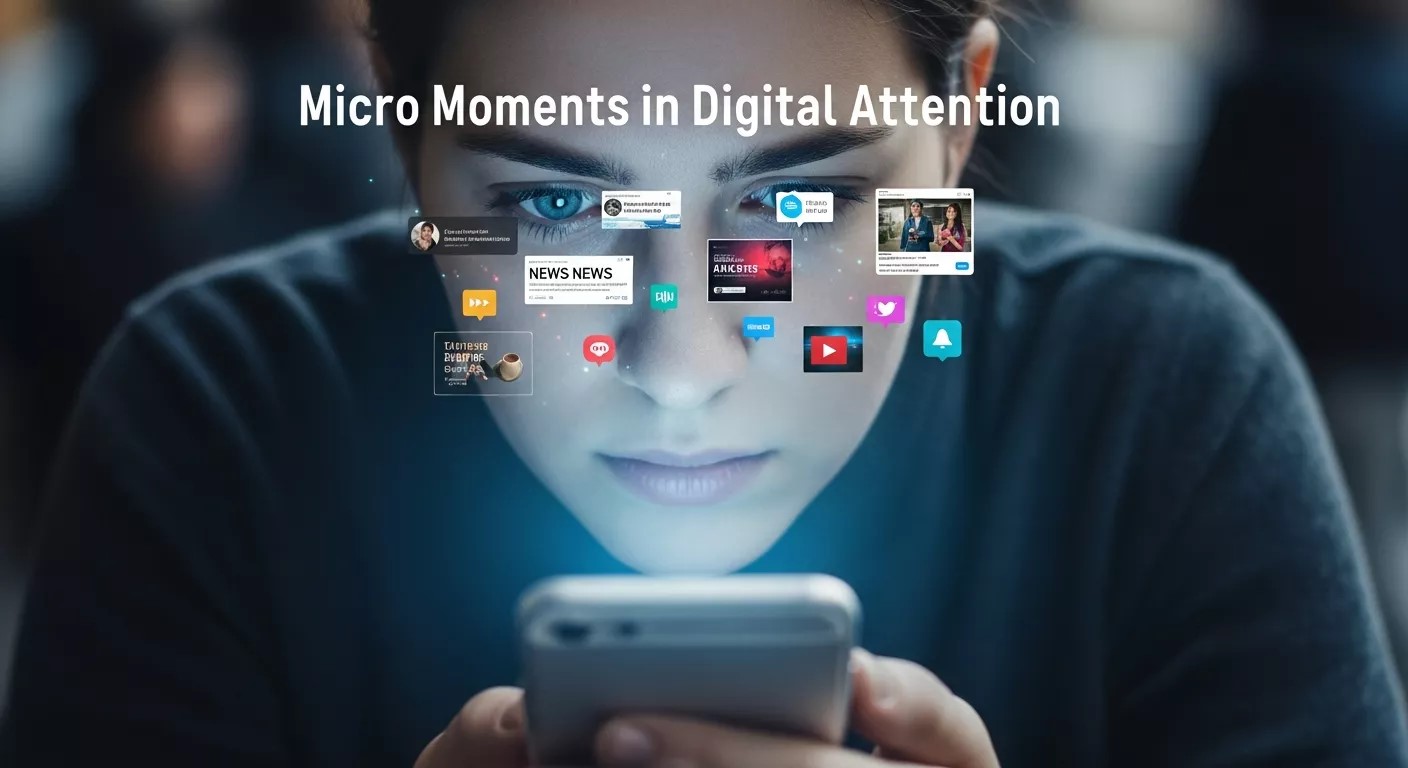
In today’s hyper-connected digital environment, attention has become the scarcest resource. Consumers no longer browse they react. Decisions are increasingly made in fragments of time measured in seconds, not minutes. This shift has given rise to micro moments, brief yet intent-rich windows where users expect immediate relevance, clarity, and value. Within this compressed attention economy, Micro Moment AR has emerged as a powerful mechanism for capturing interest exactly when it matters most.
Augmented reality is no longer about spectacle alone. It now functions as a real-time interface between consumer intent and brand response. When executed with precision, Micro Moment AR transforms fleeting attention into meaningful engagement by delivering immersive, context-aware experiences at the exact moment of need. Understanding how these moments work—and how AR amplifies them—is now essential for modern marketers.
This article explores how Micro Moment AR reshapes consumer attention patterns, why the three-second window matters psychologically, and how brands can strategically deploy AR to influence behavior across digital touchpoints.
Understanding Micro Moments in Modern Consumer Behavior
Micro moments occur when users instinctively turn to a device to act on an immediate need—whether to learn, do, discover, or decide. These moments are driven by intent, not curiosity. The consumer already knows what they want at a high level; they are seeking instant validation or assistance.
In the context of Micro Moment AR, these interactions become visual, spatial, and experiential rather than purely informational. Instead of reading or watching passively, users interact. This shift aligns with how the human brain processes urgency and relevance.
Why the 3-Second Window Matters
Neuroscience shows that the human brain filters stimuli rapidly. Within the first three seconds, users subconsciously decide whether an experience deserves continued attention. If relevance is not immediately apparent, the interaction ends.
Micro Moment works precisely because it compresses value delivery into this narrow window. It replaces explanation with demonstration. Instead of telling users what a product does, it shows them—instantly.
The Psychology Behind Instant Attention Capture
Modern users are conditioned by infinite scrolling, short-form video, and real-time notifications. This has fundamentally changed expectation thresholds. Brands are no longer competing only with competitors; they are competing with distraction itself.
Micro Moment AR aligns with this psychology by offering:
-
Immediate visual payoff
-
Minimal cognitive load
-
Direct relevance to context
-
A sense of control and agency
Because AR overlays information onto the real world, it reduces the friction between curiosity and understanding. This reduction is critical in high-intent moments.
Cognitive Triggers Activated by AR
AR experiences activate multiple psychological triggers simultaneously:
-
Novelty without confusion
-
Pattern recognition through spatial cues
-
Emotional resonance through personalization
-
Memory encoding via interaction
These triggers explain why Micro Moment AR often leads to higher recall and faster decision-making compared to static content.
How Micro Moment AR Fits Into the Attention Economy
The attention economy rewards immediacy, not depth. Long-form engagement happens only after trust is established. Micro Moment AR operates at the entry point of this relationship.
Instead of demanding time, it earns it.
By responding instantly to user intent, Micro Moment creates a perception of relevance that encourages continued interaction. This makes it especially effective in early decision stages where attention is fragile.
Micro Moment AR Across the Buyer Journey
Although micro moments are brief, their cumulative impact spans the entire buyer journey. When strategically deployed, Micro Moment AR supports awareness, consideration, and decision-making without feeling intrusive.
Awareness Stage: Triggering Curiosity
At this stage, users are not actively searching for a brand. Micro Moment AR appears as an invitation—often through social feeds, QR interactions, or contextual prompts.
The goal here is not persuasion but recognition. A well-designed AR moment creates a mental bookmark.
Consideration Stage: Reducing Uncertainty
During evaluation, users seek reassurance. Micro Moment AR enables real-time product visualization, feature exploration, and simulated outcomes. This directly addresses hesitation.
Decision Stage: Accelerating Action
At the moment of decision, Micro Moment AR simplifies choice by making outcomes tangible. Whether it’s a preview, comparison, or customization, the experience compresses deliberation time.
Designing Micro Moment AR Experiences That Convert
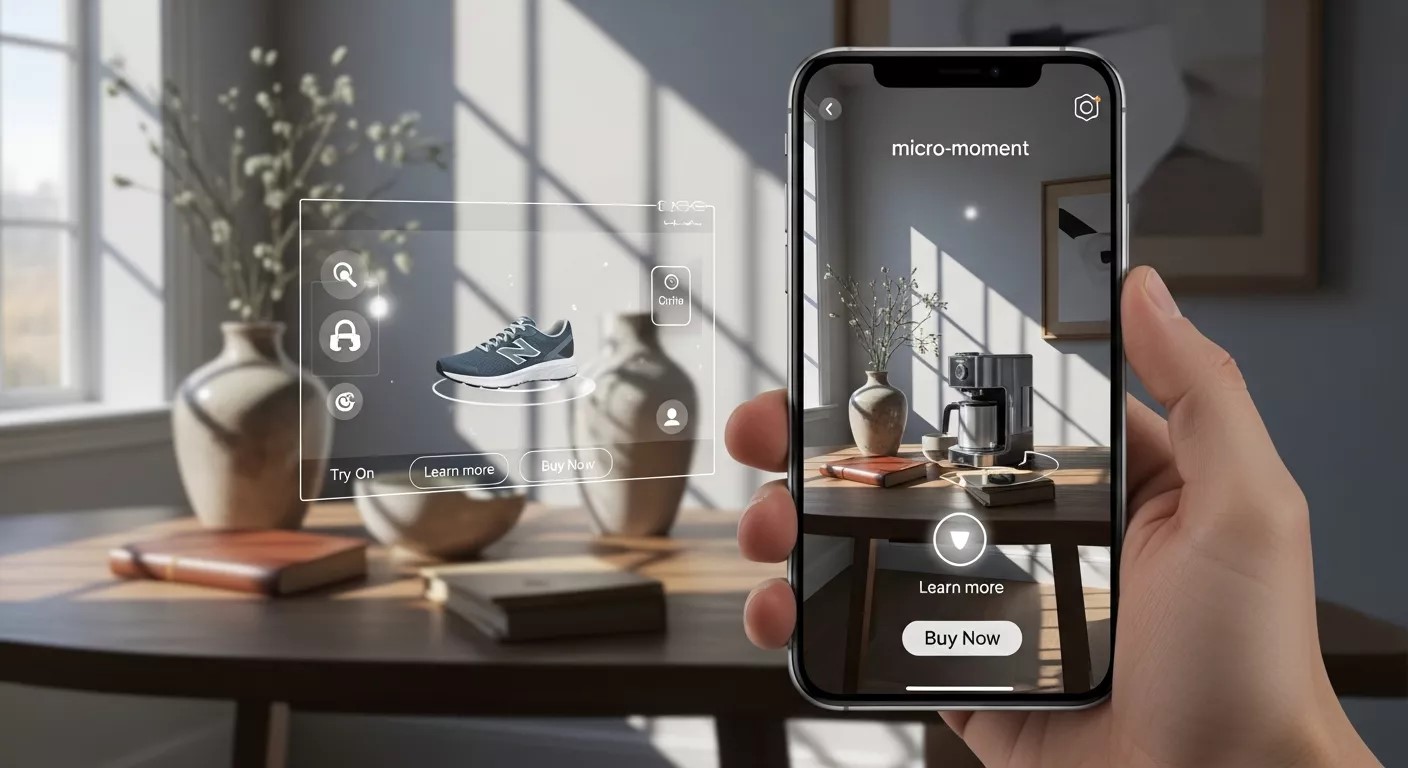
Effective Micro Moment AR does not rely on complexity. It relies on clarity. Every element must justify its presence within seconds.
Core Design Principles
| Principle | Purpose |
|---|---|
| Instant Load | Prevents attention drop-off |
| Clear Intent Match | Confirms relevance immediately |
| Minimal Interaction Steps | Reduces cognitive friction |
| Visual Hierarchy | Guides the eye naturally |
| Context Awareness | Enhances perceived personalization |
Each of these principles ensures the experience aligns with the user’s mental state during micro moments.
Mobile-First Is Non-Negotiable
Micro moments happen overwhelmingly on mobile devices. This makes mobile optimization foundational, not optional.
Micro Moment AR must function seamlessly across devices, screen sizes, and operating systems. Web-based AR solutions are particularly effective because they eliminate installation barriers and support instant access.
Fast loading, intuitive gestures, and graceful exits are essential. If the experience demands explanation, it fails.
The Role of Data in Micro Moment AR Optimization
Data transforms AR from novelty into strategy. Micro Moment AR generates behavioral signals that reveal how users interact under time pressure.
Key indicators include:
-
Entry-to-interaction time
-
Gesture patterns
-
Drop-off points
-
Repeat engagement frequency
Analyzing these signals allows brands to refine experiences for sharper relevance. Over time, this feedback loop increases efficiency and effectiveness.
This data-centric approach aligns closely with Measure and Optimize ROI in AR Marketing, where performance insights guide continuous improvement rather than one-off campaigns.
Personalization at the Speed of Intent
Personalization within micro moments must be subtle. Over-personalization can feel invasive, while under-personalization feels generic.
Micro Moment AR achieves balance by adapting to context rather than identity. Location, time, device orientation, and environmental cues provide enough data to tailor experiences without friction.
This contextual relevance is what transforms AR interactions from impressive to indispensable.
Social Amplification and Micro Moment AR
Micro moments do not exist in isolation. When users find value, they share. Micro Moment AR amplifies this behavior by making experiences inherently visual and expressive.
Shareability extends the lifespan of a moment beyond its original context. This is particularly powerful when combined with user-generated content and platform-native formats.
Here, Advanced AR Marketing Strategies For Boost Engagement often focus on designing moments that feel worth sharing without prompting.
Micro Moment AR in B2B and Emerging Channels
While often associated with consumer marketing, Micro Moment AR is increasingly relevant in B2B environments. Decision-makers face the same cognitive constraints and attention pressures.
In complex industries, AR simplifies abstract concepts through visualization. This is why AR Marketing is Transforming B2B Content Marketing Strategies by replacing dense explanations with interactive clarity.
Similarly, Micro Moment AR is expanding into email environments, where interactive previews and embedded experiences redefine open-to-action timelines. This evolution aligns naturally with Augmented Reality in Email Marketing Campaigns as inboxes become experiential touchpoints.
Integrating Micro Moment AR With Broader Marketing Strategy
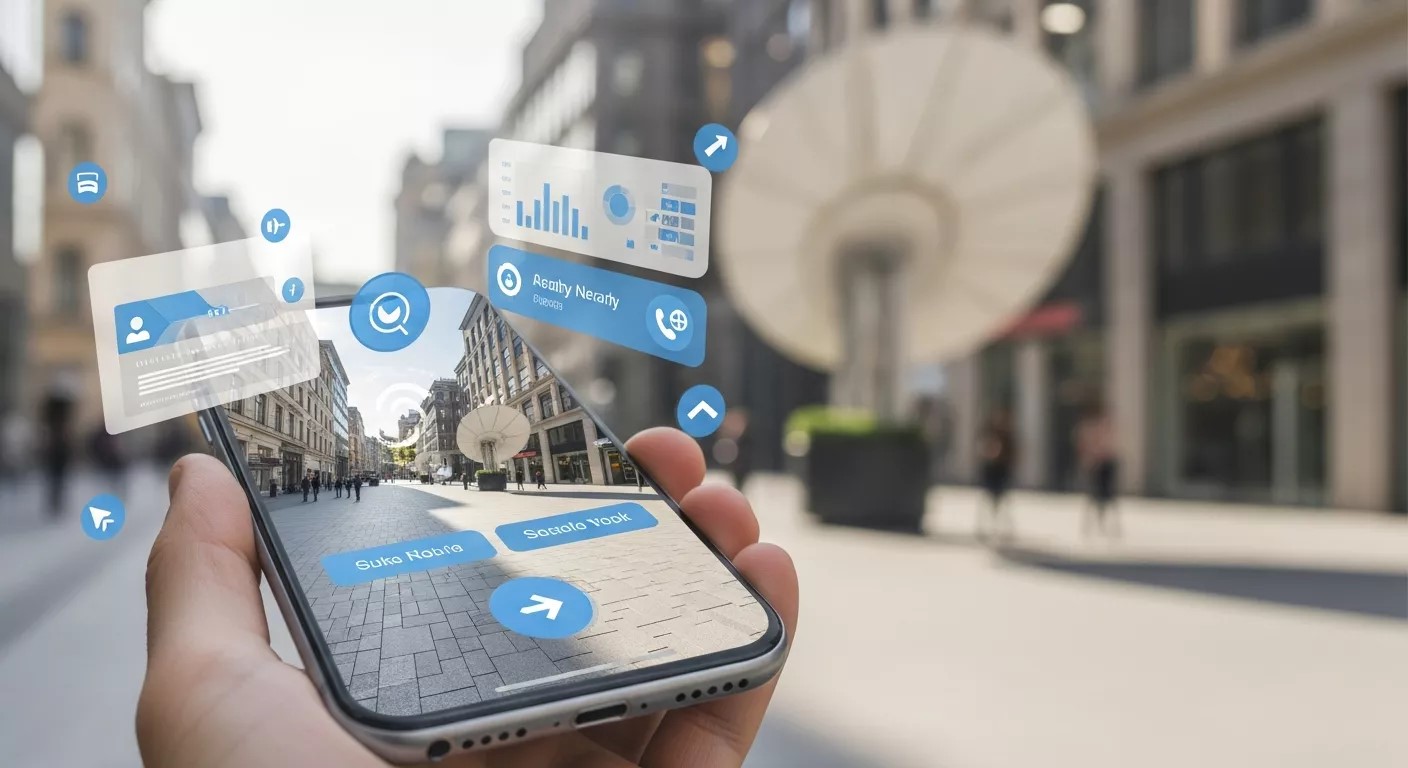
Micro Moment AR should not operate in isolation. Its true value emerges when aligned with broader messaging, content strategy, and performance goals.
When integrated with Actionable AR Marketing Tips for Engagement & ROI, micro moments become measurable contributors to long-term growth rather than short-term experiments.
Consistency across touchpoints ensures that each micro interaction reinforces brand memory rather than fragmenting it.
Micro Moment AR vs Traditional Attention Capture Models
Traditional digital marketing relies heavily on interruption—ads that break user flow and demand attention. Micro Moment AR works differently. Instead of interrupting behavior, it integrates seamlessly into moments where attention already exists.
In interruption-based models, brands compete for visibility. In Micro Moment AR, brands compete for relevance. This distinction matters because relevance reduces resistance. When users feel assisted rather than targeted, engagement becomes voluntary.
This shift explains why Micro Moment AR often delivers higher interaction quality even with lower impression volume. It prioritizes intent alignment over reach, which is more sustainable in an attention-scarce environment.
The Role of Context Awareness in Micro Moment AR
Context is the invisible layer that makes Micro Moment AR feel intelligent. Without context, AR becomes decorative. With context, it becomes useful.
Context-aware AR responds to environmental signals such as location, lighting, orientation, and timing. These signals allow experiences to adapt in real time without explicit user input.
For example, the same AR experience can behave differently indoors versus outdoors, or during browsing versus purchasing moments. This adaptability is what allows Micro Moment AR to remain relevant within a three-second attention window.
Micro Moment AR and Trust Formation
Trust is rarely built through claims; it is built through clarity. Micro Moment AR accelerates trust formation by replacing assumptions with direct experience.
When users can visualize outcomes instantly, skepticism decreases. They no longer need to imagine value—they observe it. This experiential clarity reduces cognitive dissonance and reinforces confidence.
Over repeated interactions, Micro Moment AR contributes to brand credibility by consistently delivering useful moments rather than promotional noise.
Designing Micro Moment AR for First-Time vs Returning Users
Not all micro moments are equal. First-time users seek orientation, while returning users seek efficiency.
Micro Moment AR should adapt accordingly. Initial interactions should focus on clarity and guidance, while repeat interactions should prioritize speed and depth.
This layered design approach prevents fatigue and maintains long-term engagement. It also allows brands to progressively introduce advanced features without overwhelming new users.
Micro Moment AR in Low-Attention Environments
Micro moments often occur in noisy, distracting environments—public spaces, commutes, multitasking scenarios. Micro Moment AR must perform under imperfect conditions.
This requires high contrast visuals, minimal text, and intuitive interactions. Sound-independent experiences are particularly effective, as users may not have audio enabled.
By accounting for environmental distractions, Micro Moment AR remains effective even when attention is fragmented.
Ethical Design in Micro Moment AR Experiences
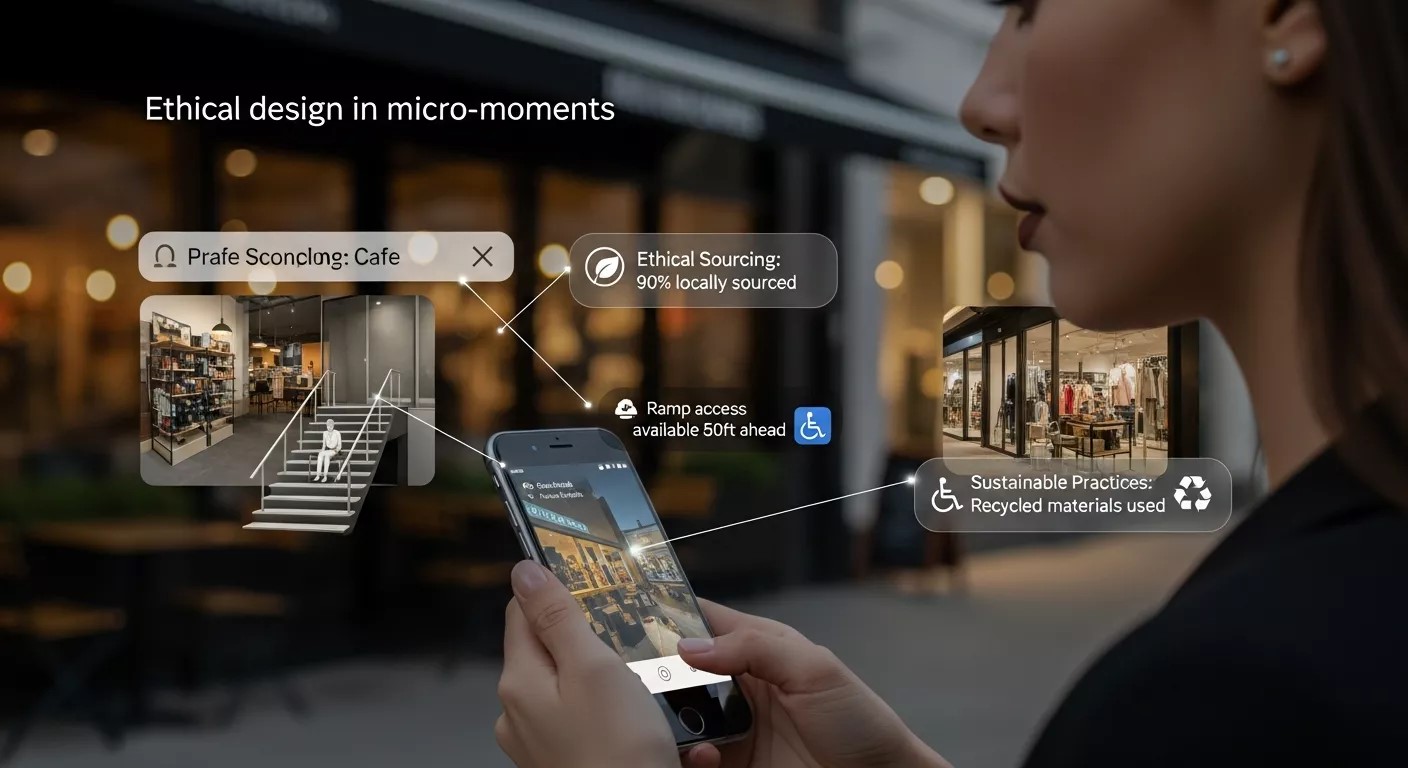
With great immediacy comes responsibility. Micro Moment AR operates close to instinctual decision-making, which makes ethical design critical.
Transparent intent, clear exits, and user control should be non-negotiable. Experiences that manipulate or confuse may capture attention briefly but damage trust long-term.
Ethical Micro Moment AR respects user autonomy while still delivering value within constrained timeframes.
Micro Moment AR as a Learning Interface
Beyond marketing, Micro Moment AR functions as a micro-learning tool. In seconds, users can grasp concepts that would otherwise require explanation.
This learning efficiency makes Micro Moment AR valuable in onboarding, product education, and skill reinforcement contexts. Short, visual learning moments align perfectly with modern consumption patterns.
As learning becomes more on-demand, Micro Moment AR bridges the gap between curiosity and understanding.
Future-Proofing Content With Micro Moment AR
Search behavior is evolving toward multimodal discovery—visual, voice, and contextual inputs. Micro Moment AR aligns naturally with this shift.
By structuring AR experiences around intent signals rather than keywords alone, brands future-proof their content against algorithm changes.
Micro Moment AR becomes not just a marketing tactic but a discovery interface that adapts as user behavior evolves.