Introduction to Inclusive AR
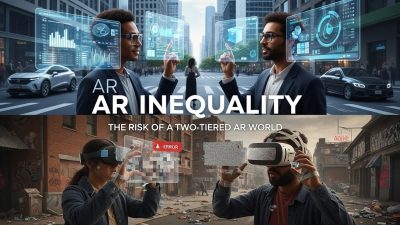
Augmented reality is reshaping how people interact with digital information in physical environments. From education and healthcare to shopping and entertainment, AR is gradually becoming a part of everyday life. However, as this technology evolves, an important question arises: can everyone truly use it? This is where the concept of Inclusive AR becomes essential.
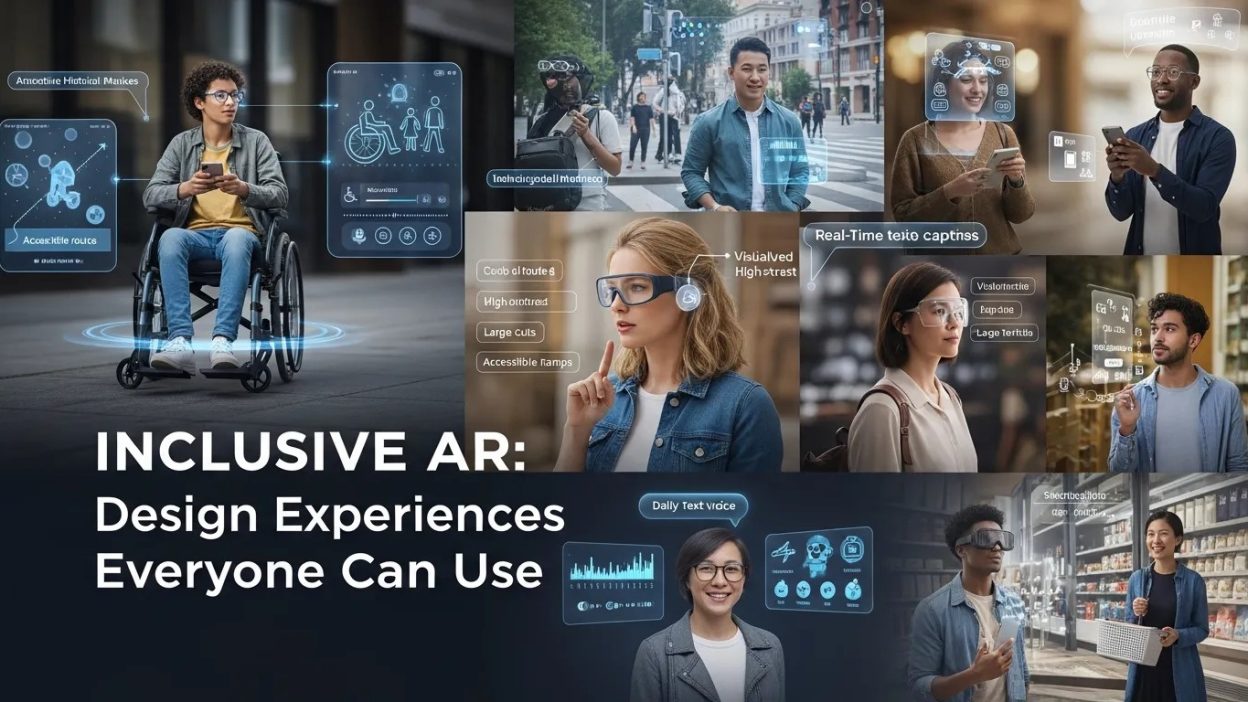
Inclusive AR refers to designing augmented reality experiences that are accessible, understandable, and usable for people of all abilities, ages, and backgrounds. Instead of focusing only on advanced features or high-end users, this approach emphasizes human diversity. It ensures that technology adapts to people rather than forcing people to adapt to technology.
When designers adopt this philosophy, AR becomes more than a tool for innovation. It becomes a bridge that connects different groups, removes barriers, and creates equal opportunities in digital spaces.
Why Inclusivity Matters in Augmented Reality
Technology shapes modern life, but not all technologies are designed with inclusivity in mind. Many digital systems unintentionally exclude certain users, especially those with disabilities or limited technical experience. Inclusive AR addresses this issue by considering a wider range of user needs during the design process.
For example:
- A visually impaired person may rely on audio guidance.
- An elderly user may need larger text and simpler controls.
- A non-native speaker may benefit from real-time translations.
When these needs are considered, the experience becomes more comfortable and intuitive. Inclusive AR ensures that no one feels left out of the digital transformation.
From a psychological perspective, inclusive experiences reduce stress and confusion. When users feel understood by a system, they develop trust. This trust encourages longer engagement and stronger emotional connections with technology.
The Human Psychology Behind Inclusive Design
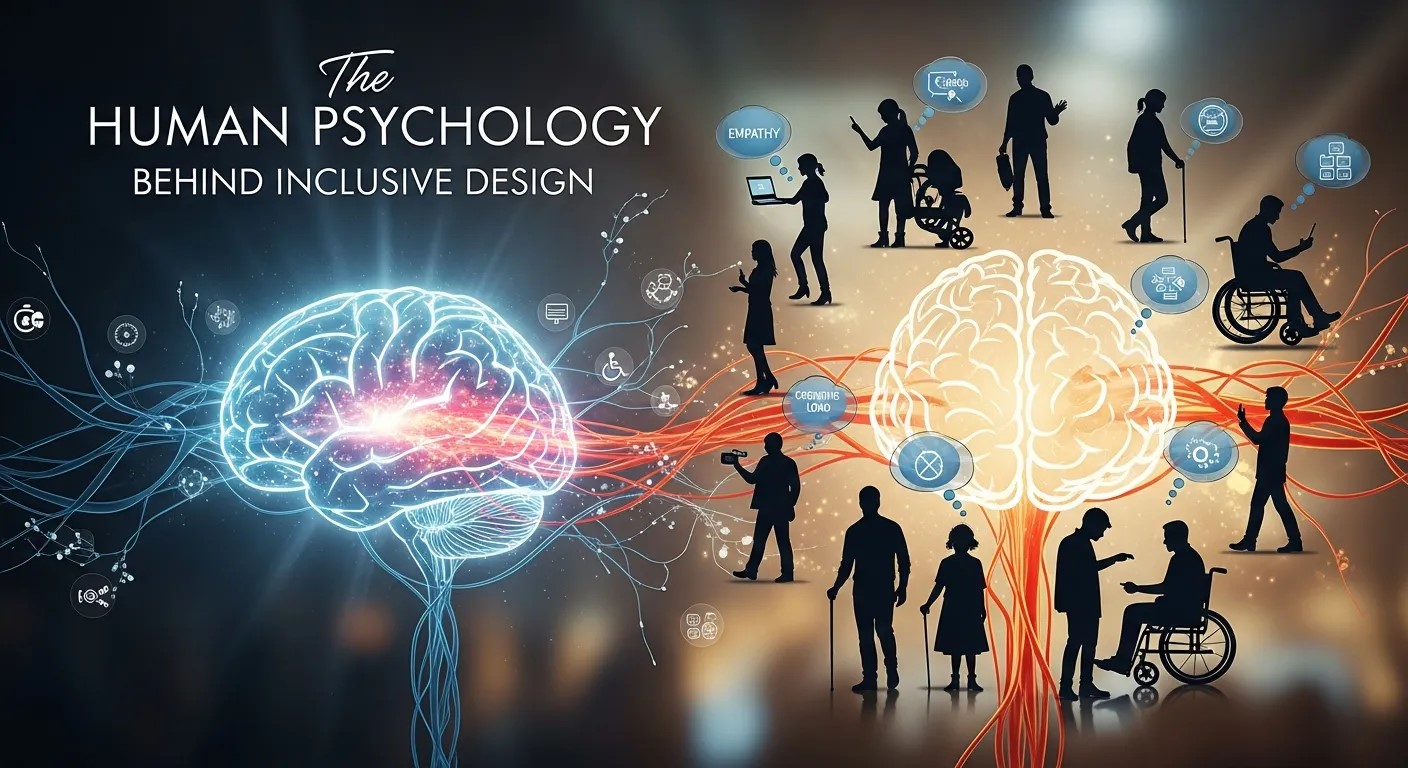
Design is not only about visuals or functions. It is also about how people feel when they interact with technology. Inclusive AR is rooted in human psychology because it focuses on perception, emotion, and cognitive abilities.
Every user processes information differently. Some people prefer visual instructions, while others rely on audio cues. Some users enjoy interactive gestures, while others need simple, direct commands.
By understanding these differences, designers can create systems that adapt to individual needs. Inclusive AR reduces cognitive load, minimizes confusion, and increases user confidence.
When people feel comfortable using technology, they are more likely to explore its features. This emotional comfort is a key factor in long-term adoption.
Core Principles of Inclusive AR
Inclusive AR is built on several foundational principles that guide the design process.
Perceptible Information
Information should be presented in multiple formats. Visual content should have audio equivalents, and sound cues should have visual alternatives. This ensures that users with sensory limitations can still understand the experience.
Flexible Interaction
Users should be able to interact with AR systems through different methods, such as voice commands, gestures, touch, or eye tracking. This flexibility allows people with different abilities to use the technology comfortably.
Simplicity and Clarity
Interfaces should be easy to understand. Clear instructions, minimal steps, and logical layouts help users navigate AR environments without confusion.
Error Tolerance
Mistakes are natural. Inclusive AR systems should allow users to recover easily from errors without frustration or embarrassment.
Low Physical Effort
Interactions should not require excessive movement or strength. Simple gestures and voice commands make the experience more accessible.
Who Benefits from Inclusive AR
While Inclusive AR is often associated with accessibility, it benefits a much broader audience.
- Elderly individuals who prefer simpler interfaces
- People with visual or hearing impairments
- Users with cognitive differences
- Non-native language speakers
- Busy professionals who need hands-free interactions
- Children who learn better through visual experiences
By considering these groups, designers create experiences that work better for everyone.
Inclusive AR in Everyday Life
Augmented reality is gradually entering daily routines. The idea of Augmented Reality Mundane Life highlights how AR can assist with ordinary tasks such as cooking, commuting, and shopping.
Inclusive AR ensures that these everyday experiences are accessible to all users.
For example:
- A cooking app can provide voice instructions for visually impaired users.
- A navigation system can display high-contrast directions for elderly users.
- A shopping app can translate product labels in real time.
These applications demonstrate how inclusive design transforms daily experiences into more accessible ones.
Emotional Design in Inclusive AR
Emotions play a powerful role in user experience. If a system feels confusing or overwhelming, users may abandon it quickly. Inclusive AR integrates emotional design principles to create comfortable and supportive environments.
Important emotional factors include:
- Trust through clear instructions
- Control through customizable settings
- Familiarity through simple layouts
- Feedback through immediate responses
When users feel emotionally supported, they are more likely to continue using the technology.
Accessibility Features in AR Systems
To achieve inclusivity, AR systems must integrate accessibility features from the beginning.
Visual Accessibility
- High-contrast overlays
- Adjustable text sizes
- Color-blind friendly palettes
Auditory Accessibility
- Subtitles for audio content
- Visual alerts for sound cues
- Captioned interactions
Motor Accessibility
- Voice commands
- Eye-tracking controls
- Simplified gestures
Cognitive Accessibility
- Step-by-step instructions
- Minimal distractions
- Predictable navigation
These features ensure that the system can adapt to different user needs.
Social Interaction and Inclusive AR
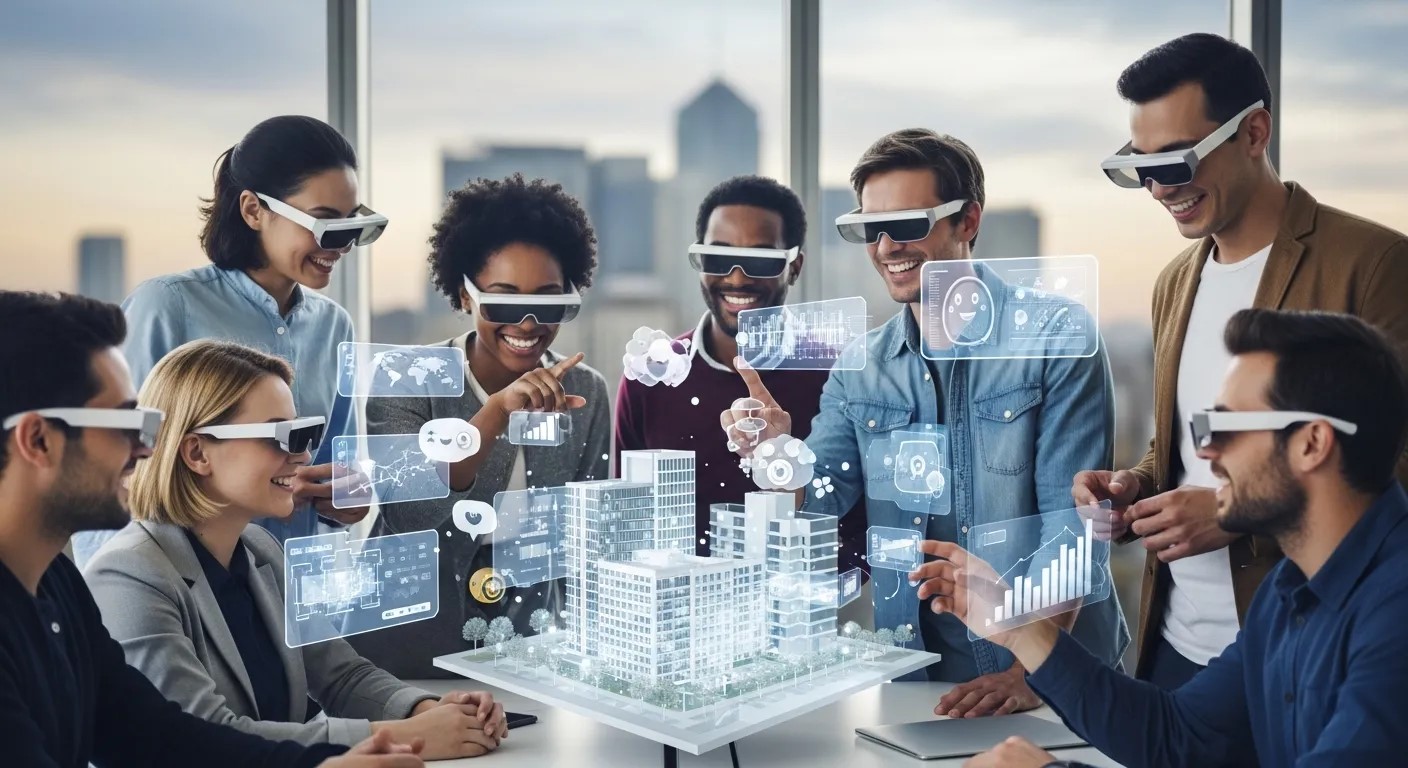
Technology has a strong influence on relationships. The concept of augmented intimacy demonstrates how AR can help people connect emotionally, even across long distances.
Inclusive AR ensures that these social experiences are accessible to everyone.
Examples include:
- Captioned AR video calls for hearing-impaired users
- Simplified interfaces for elderly users
- Accessible virtual gatherings for people with mobility challenges
These features make digital social spaces more welcoming and inclusive.
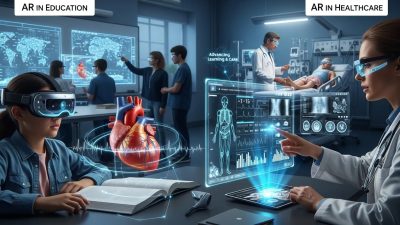
Inclusive AR in Education
Education is one of the most promising fields for AR technology. Students have different learning styles, abilities, and attention spans. Inclusive AR supports multiple ways of learning.
Benefits include:
- Interactive visual lessons
- Audio explanations
- Hands-on simulations
- Personalized learning speeds
Students can choose the learning method that suits them best, making education more effective and engaging.
Healthcare Applications
Healthcare is another area where inclusive design is crucial. Inclusive AR can improve both treatment and patient comfort.
Examples include:
- AR-guided physical therapy
- Medication reminders with visual and audio cues
- Pain management through immersive environments
- Remote consultations with accessible interfaces
These applications enhance patient outcomes and emotional well-being.
Workplace Productivity
Modern workplaces rely heavily on digital tools. Inclusive AR ensures that employees of all abilities can participate effectively.
Examples include:
- Voice-guided assembly instructions
- Visual safety overlays
- Accessible remote collaboration tools
This approach increases productivity while reducing workplace barriers.
Ethical Considerations
As AR becomes more widespread, ethical issues become more important. Inclusive AR must address concerns such as:
- Data privacy
- Algorithmic bias
- Cultural sensitivity
- Digital accessibility rights
The concept of AR Territorial Rights highlights the need to define ownership and access in digital spaces. Inclusive AR ensures that these rights are applied fairly to all users.
AI and Personalization
Artificial intelligence plays a major role in adaptive experiences. AI systems can analyze user behavior and adjust interfaces accordingly.
For example:
- Increasing text size automatically
- Switching to audio instructions in noisy environments
- Simplifying menus for beginners
The growth of AI-Personalized VR Narratives shows how immersive systems can adapt to individual needs. Similar personalization techniques help create more accessible AR environments.
Inclusive AR in Marketing
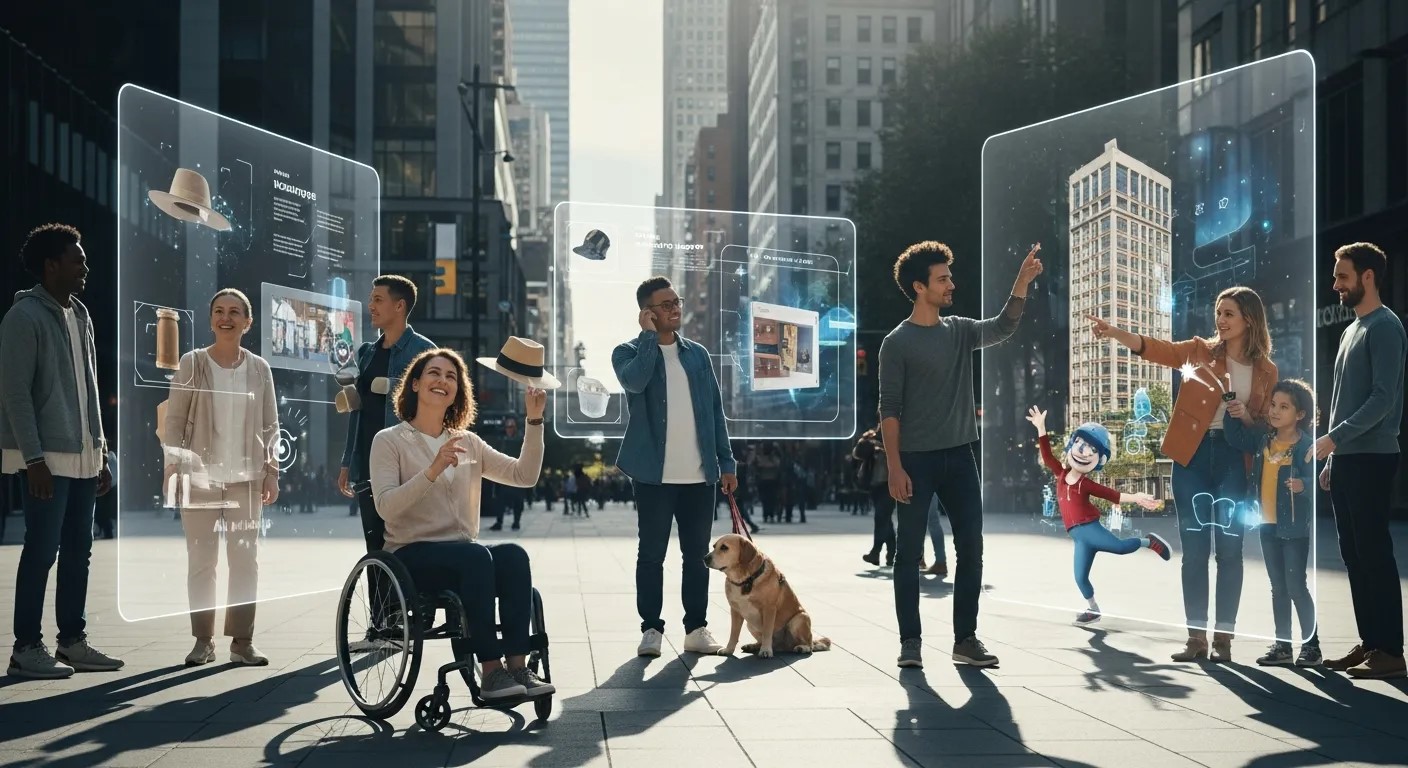
Inclusivity also affects how brands communicate with audiences. Businesses that embrace accessible design can reach more customers.
Technologies like Smart SEM Budget Allocation and Machine Learning in SEM help marketers target diverse audiences. Inclusive AR strengthens these strategies by ensuring that AR campaigns are usable by everyone.
Examples include:
- AR advertisements with subtitles
- Voice-controlled product demos
- Simplified shopping experiences
This approach improves both engagement and brand loyalty.
Future Trends
The future of Inclusive AR looks promising. Emerging technologies will make AR more accessible and intuitive.
Expected trends include:
- AI-driven personalization
- Voice-first interfaces
- Haptic feedback systems
- Context-aware AR environments
As these technologies evolve, inclusive design will become the standard rather than the exception.
Universal Design Principles
Inclusive AR aligns closely with universal design. This approach focuses on creating products usable by the widest possible audience.
Key elements include:
- Simple interfaces
- Clear instructions
- Flexible interactions
- Adaptable content
When these principles are applied, experiences become naturally inclusive.
Cultural Inclusivity
Cultural diversity also influences user experience. Inclusive AR respects different languages, symbols, and social norms.
Examples include:
- Multilingual interfaces
- Region-specific content
- Culturally appropriate avatars
This approach ensures that users feel represented and respected.
Measuring Success in Inclusive AR Experiences
Creating accessible and adaptable systems is only the first step. To understand whether a design truly works for diverse users, developers and organizations must measure its effectiveness. Inclusive AR should be evaluated using both quantitative and qualitative data.
Key performance indicators may include:
- Task completion rates across different user groups
- Error frequency during interactions
- User satisfaction scores
- Engagement duration
- Accessibility compliance benchmarks
When these metrics are tracked consistently, designers can identify barriers that may not be obvious during development. For example, a feature that works well for younger users may confuse elderly users. Measuring performance across demographics helps refine the experience.
User feedback also plays a critical role. Surveys, interviews, and usability testing sessions provide insights into emotional responses and practical challenges. Inclusive AR thrives on continuous improvement, and measurement ensures that inclusivity remains a priority rather than an afterthought.
Inclusive AR in Smart Cities
Smart cities rely on digital infrastructure to improve urban living. From navigation systems to public services, technology is increasingly integrated into city environments. Inclusive AR can make these systems more accessible and intuitive for all residents.
Applications in smart cities include:
- Real-time navigation for pedestrians with disabilities
- Public transport overlays with visual and audio instructions
- Emergency evacuation guidance
- Multilingual city information displays
For example, a visually impaired person could use audio-based AR navigation to cross busy intersections safely. An elderly resident could receive simple, step-by-step directions to a medical facility. Inclusive AR ensures that technological advancements benefit every citizen, not just the digitally skilled.
The Business Value of Inclusive AR
Inclusivity is not only a social responsibility; it also provides strong business advantages. When products are accessible, they reach a broader audience. This leads to higher adoption rates and stronger customer loyalty.
Businesses that implement inclusive design often experience:
- Increased market reach
- Positive brand perception
- Higher customer retention
- Reduced support costs
- Improved user satisfaction
Inclusive AR also reduces legal risks associated with accessibility regulations. As governments introduce stricter digital accessibility laws, inclusive systems become a competitive advantage.
From a psychological perspective, users are more likely to trust brands that demonstrate empathy and awareness. When people feel considered and respected, they form stronger emotional connections with products and services.
Collaboration in Inclusive AR Development
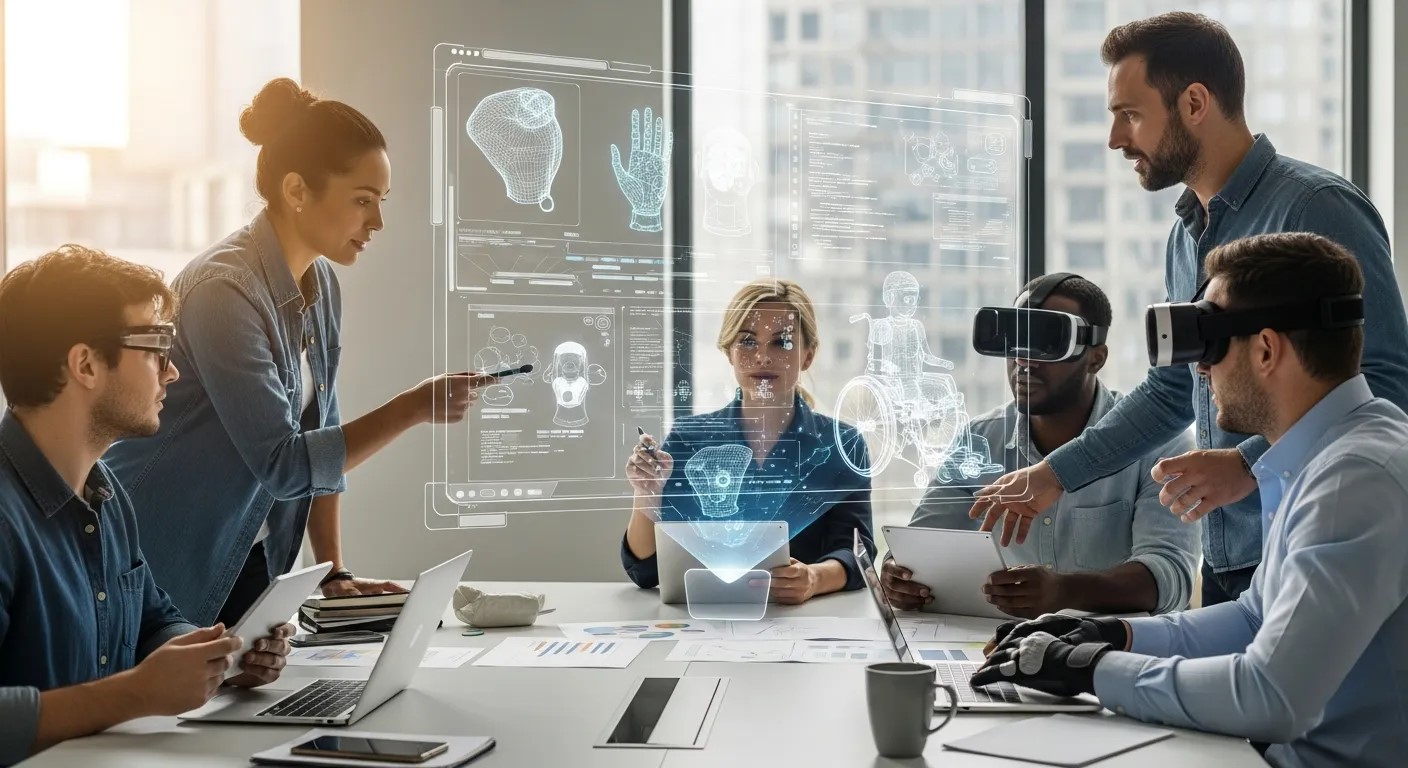
Building effective inclusive experiences requires collaboration between multiple disciplines. No single team can address every accessibility challenge alone.
Key contributors include:
- UX designers
- Software developers
- Accessibility specialists
- Psychologists
- Linguists
- End users
When these groups work together, they create more balanced and thoughtful designs. Psychologists help understand emotional responses, while accessibility experts identify potential barriers. End users provide real-world feedback that cannot be replicated in simulations.
Inclusive AR benefits greatly from this collaborative approach because it addresses both technical and human factors.
Practical Guidelines for Developers
Developers can follow several practical steps to ensure that their AR systems remain accessible and inclusive.
-
Use scalable text and icons that adapt to different screen sizes.
-
Offer voice commands as an alternative to touch or gesture controls.
-
Avoid excessive animations that may cause confusion or discomfort.
-
Provide customizable settings for contrast, brightness, and audio.
-
Design simple navigation paths with minimal steps.
-
Test the system with users from diverse backgrounds.
These guidelines help create experiences that are flexible and user-friendly.
Inclusive AR and Emotional Well-Being
Technology should enhance people’s lives rather than create frustration or anxiety. Inclusive AR supports emotional well-being by reducing complexity and providing reassuring feedback.
Examples of emotionally supportive features include:
- Calm color schemes that reduce visual strain
- Gentle audio cues instead of harsh alerts
- Clear progress indicators during tasks
- Adaptive brightness based on environment
When users feel relaxed and confident, they are more likely to engage with the technology. Emotional comfort is a major factor in long-term usage.
Retail Experiences with Inclusive AR
Retail is one of the fastest-growing areas for AR adoption. From virtual try-ons to interactive product displays, AR is transforming how people shop. Inclusive AR ensures that these experiences are accessible to all customers.
Inclusive retail features may include:
- Voice-guided product exploration
- High-contrast price displays
- Simplified checkout interfaces
- Multilingual support for global shoppers
For example, a visually impaired customer could use audio descriptions to explore products. A non-native speaker could see translated product information instantly. These features make shopping more convenient and inclusive.
Inclusive AR in Entertainment and Gaming
Gaming has always been a major driver of AR innovation. However, traditional gaming experiences often exclude players with disabilities. Inclusive AR changes this by making games more adaptable.
Accessible gaming features include:
- Customizable control schemes
- Audio descriptions for visual elements
- Subtitles for all dialogue and sound effects
- Adjustable difficulty levels
These features allow more players to participate and enjoy the experience. Inclusive AR expands the gaming community and promotes equal access to entertainment.
Government Policies and Inclusive AR
Governments play a significant role in promoting accessible technologies. Policies and regulations can encourage companies to adopt inclusive design practices.
Government initiatives may include:
- Accessibility standards for digital systems
- Funding for inclusive technology research
- Public awareness campaigns
- Incentives for accessible product development
When inclusive policies are implemented, they accelerate the adoption of accessible technologies across industries.
Inclusive AR in Transportation
Transportation systems are becoming more digital and automated. Inclusive AR can improve accessibility for travelers with different needs.
Applications include:
- AR navigation for visually impaired passengers
- Real-time transit updates with audio and visual cues
- Step-by-step guidance inside large stations or airports
- Safety alerts for pedestrians and cyclists
These features make transportation systems more user-friendly and inclusive.
Cultural Sensitivity in Inclusive AR
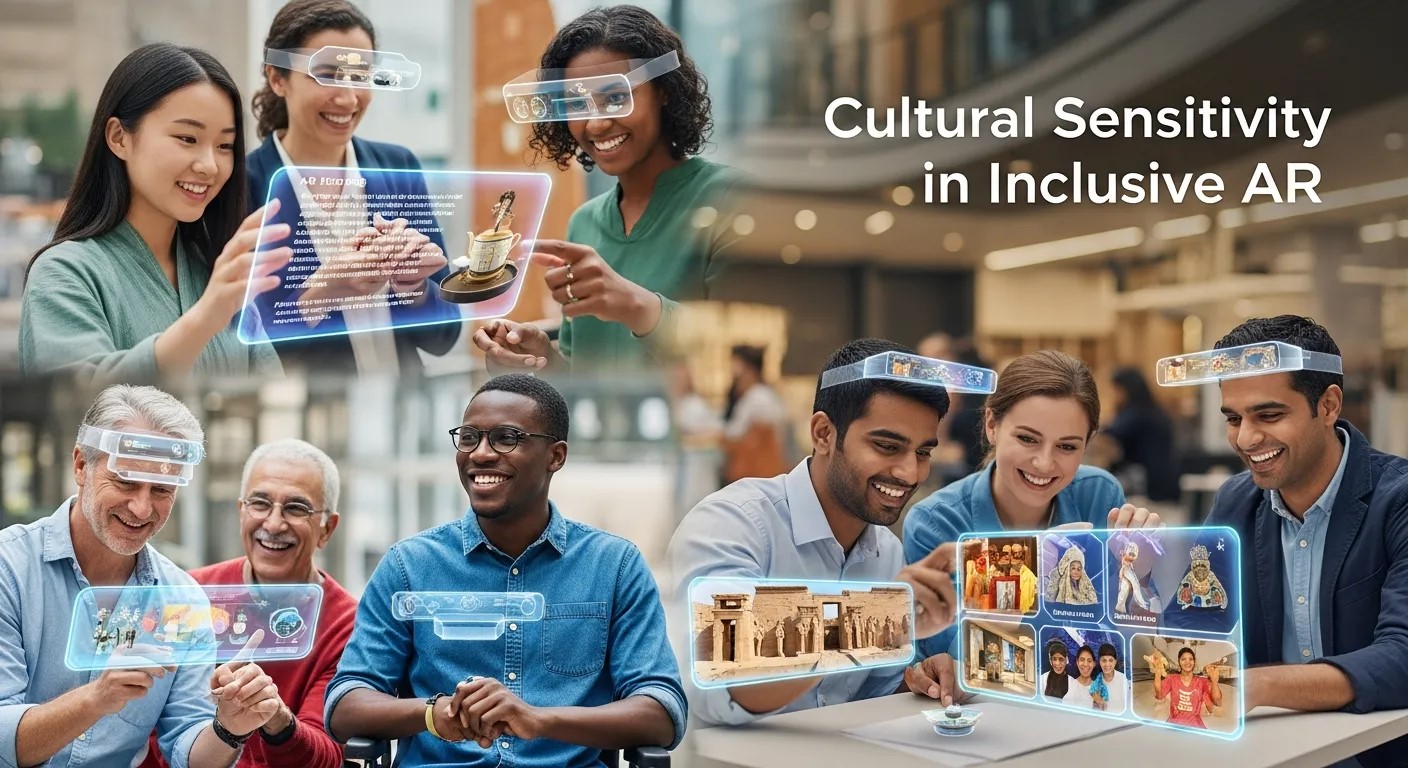
Cultural diversity plays an important role in user experience. Symbols, colors, and gestures may have different meanings in different cultures. Inclusive AR must respect these differences.
Examples of culturally sensitive design include:
- Local language support
- Region-specific icons and symbols
- Customizable avatars reflecting diverse identities
When users see their culture represented in digital spaces, they feel more comfortable and engaged.
Security and Privacy Considerations
As AR systems collect more data, privacy becomes a major concern. Inclusive AR must protect users while maintaining accessibility.
Important privacy practices include:
- Transparent data policies
- User-controlled privacy settings
- Secure data storage
- Minimal data collection when possible
Trust is a key component of inclusive experiences. Users must feel confident that their information is safe.
Long-Term Vision of Inclusive AR
The ultimate goal of Inclusive AR is to create a world where digital experiences are naturally accessible. In this future:
- Systems automatically adapt to user abilities.
- Accessibility features are standard, not optional.
- Technology removes barriers instead of creating them.
- Everyone can participate in digital environments equally.
Inclusive AR represents a shift from exclusive innovation to universal empowerment. It reflects a future where technology serves humanity in all its diversity.
Conclusion
Inclusive AR is not just a design choice but a necessity for a future where technology serves everyone. By prioritizing accessibility, emotional comfort, and adaptability, it transforms daily interactions, education, healthcare, and social experiences, ensuring AR benefits are equitable and universally engaging.
Frequently Asked Questions (FAQ)
What is Inclusive AR?
Inclusive AR refers to designing augmented reality experiences that are accessible, adaptable, and usable by people of all abilities, ages, and backgrounds, ensuring no user is left out of digital interactions.
Why is Inclusive AR important?
It ensures technology serves everyone, reduces barriers, improves usability, and enhances emotional engagement. Inclusive AR also supports equitable access in education, healthcare, retail, social interactions, and daily life.
How does Inclusive AR improve user experience?
By combining universal design, flexible interaction methods, clear instructions, and accessibility features, Inclusive AR reduces cognitive load, minimizes errors, and builds trust and comfort for diverse users.
Who benefits from Inclusive AR?
Everyone benefits elderly users, people with disabilities, non-native speakers, busy professionals, and general users who interact with AR in daily life, work, or leisure.
Can Inclusive AR be applied in education and healthcare?
Yes. In education, it supports multiple learning styles with audio-visual simulations. In healthcare, it aids therapy, remote consultations, and patient guidance, improving both accessibility and outcomes.
What role does AI play in Inclusive AR?
AI enables personalization, adapting content, interface, and interaction modes to individual needs, similar to AI-Personalized VR Narratives, enhancing accessibility and engagement for each user.
How can businesses benefit from Inclusive AR?
Inclusive AR expands audience reach, improves brand reputation, increases customer loyalty, and ensures marketing campaigns like AR ads are accessible, leveraging tools like Smart SEM Budget Allocation and Machine Learning in SEM.
What challenges exist in implementing Inclusive AR?
Challenges include technical limitations, development costs, lack of awareness, and cultural differences. Continuous testing, multidisciplinary collaboration, and accessibility planning help overcome these obstacles.
How is success measured in Inclusive AR?
Through metrics such as task completion rates, error frequency, user satisfaction, engagement time, and accessibility compliance. Feedback from diverse users is also critical for refinement.
What is the future of Inclusive AR?
Future trends include AI-driven personalization, voice-first and context-aware interfaces, haptic feedback, and universal design integration, making AR experiences inherently inclusive and adaptive for all users.