Immersive VR Marketing combines VR, AR, and AI to engage audiences, enhance brand experiences, and drive conversions. By prioritizing personalization, ethical data use, and storytelling, brands can deliver innovative, measurable campaigns that prepare them for the future of marketing.
Immersive VR Marketing: Redefining Brand Experiences
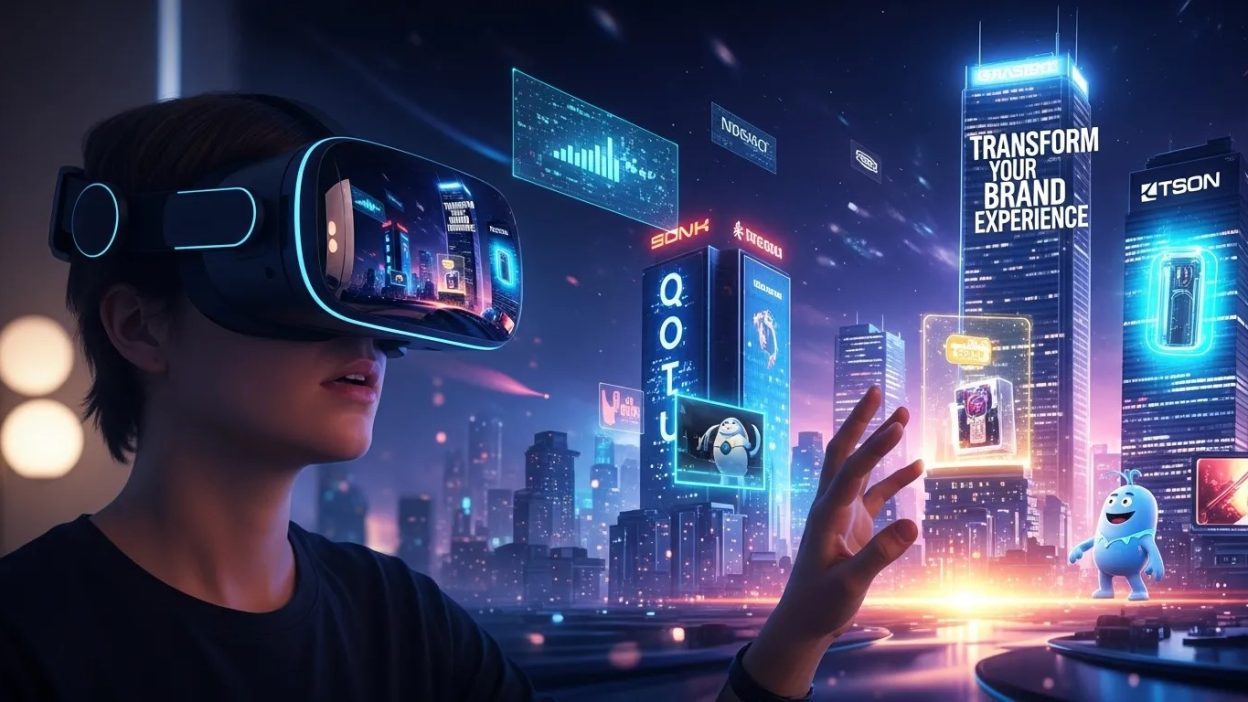
In the rapidly evolving digital landscape, brands are no longer confined to traditional forms of advertising. Immersive VR Marketing has emerged as a revolutionary approach, allowing businesses to engage audiences in ways that were previously unimaginable. By creating virtual environments that simulate real-life experiences, brands can capture attention, increase engagement, and foster stronger emotional connections with their customers.
The psychology behind immersive experiences is simple: humans are naturally drawn to environments where they can explore, interact, and feel in control. When users step into a virtual world, their senses are engaged on multiple levels, leading to deeper recall of the brand message. This level of engagement is difficult to achieve with conventional digital campaigns, making Immersive VR Marketing a powerful tool for forward-thinking brands.
Why Immersion Matters in Marketing
Immersion taps directly into human cognitive processes. Studies have shown that experiences which actively involve participants lead to higher retention and stronger emotional attachment. For marketers, this means that campaigns leveraging virtual reality can leave a lasting impression, turning casual observers into loyal customers.
Beyond engagement, immersive campaigns also provide actionable insights. By tracking user interactions within a VR environment, brands can analyze behavior, preferences, and even emotional responses. This data-driven approach enhances decision-making and ensures that marketing strategies are continually refined for maximum impact.
The Intersection of AR and VR Marketing
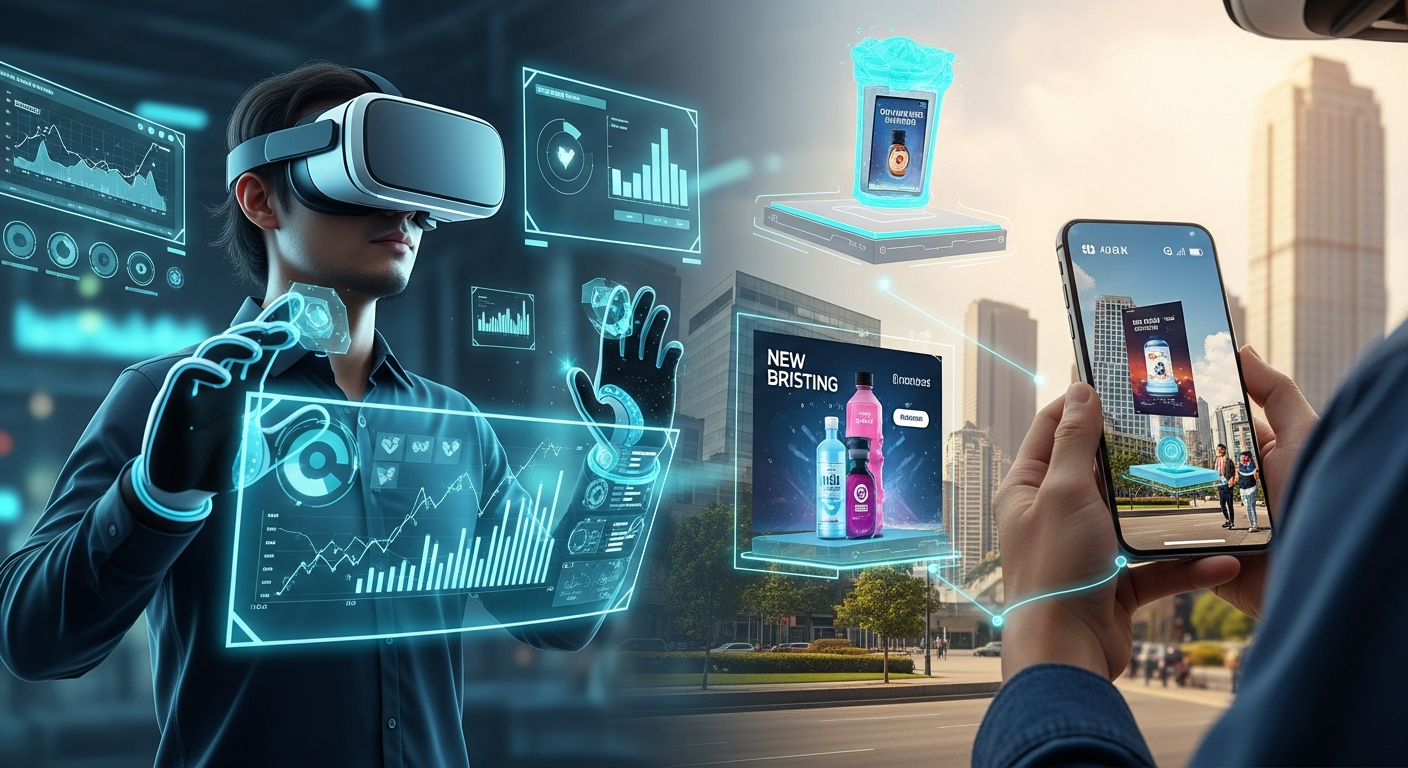
While virtual reality focuses on fully digital worlds, there is a growing trend toward AR and VR Marketing, where augmented reality blends with immersive VR experiences. This hybrid approach allows brands to overlay digital elements onto the physical world, creating interactive touchpoints that capture attention in real-world contexts.
For instance, retail brands can use AR to allow customers to visualize products in their homes, while VR can transport them to a fully branded virtual store. Combining these technologies opens up endless possibilities for storytelling, product demonstrations, and brand activations.
Key Drivers Behind the Shift
Several factors are driving the rise of immersive campaigns:
-
Technological Advancements: The availability of affordable VR headsets and AR-enabled devices has democratized access to immersive experiences.
-
Consumer Expectation: Modern audiences, especially younger demographics, seek interactive and memorable engagements rather than passive advertising.
-
Competitive Differentiation: Brands that adopt Immersive VR Marketing early can establish themselves as innovators, gaining a strategic edge in crowded markets.
By understanding these drivers, businesses can align their strategies with evolving consumer behavior and emerging technology trends, ensuring their campaigns remain relevant and impactful.
Practical Applications of Immersive VR Marketing
The potential of Immersive VR Marketing extends far beyond traditional advertising. Brands across industries are leveraging virtual reality to deliver experiences that are both engaging and informative. From virtual product demonstrations to fully interactive storytelling, Immersive VR Marketing enables businesses to showcase their value propositions in ways that static content simply cannot achieve.
One notable application is in the retail sector, where brands use immersive simulations to allow customers to explore products in a virtual environment. Shoppers can interact with items, view them from different angles, and even customize features before making a purchase. This hands-on interaction fosters confidence and satisfaction, increasing the likelihood of conversion. Such campaigns highlight how Immersive VR Marketing transforms the buyer journey into a memorable and highly interactive experience.
Immersive Brand Storytelling
Storytelling is at the heart of effective marketing, and Immersive VR Marketing takes narrative to a whole new level. By creating virtual worlds that align with a brand’s story, marketers can place users directly inside the narrative. Instead of reading or watching a story, customers live it, enhancing emotional engagement and brand loyalty.
For example, travel and hospitality brands can transport potential customers to distant destinations, providing a taste of experiences they may otherwise only imagine. In this way, Immersive VR Marketing not only informs but also emotionally connects, turning abstract concepts into tangible experiences.
AR Brand Activation in a VR World
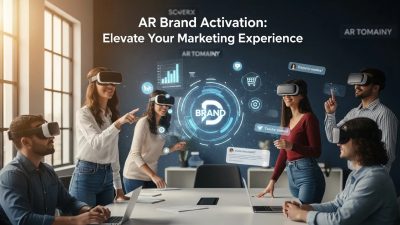
A strategic complement to Immersive VR Marketing is AR Brand Activation, where augmented reality elements are introduced within or alongside VR experiences. Brands can create interactive points within a virtual space that offer additional content, rewards, or social sharing opportunities.
Imagine a virtual shopping mall where customers discover AR pop-ups that offer discounts or product information. Integrating AR Brand Activation within a virtual environment enhances engagement, encourages exploration, and ultimately drives measurable marketing outcomes.
Industry Examples Driving the Future
Leading brands in automotive, fashion, and entertainment are already embracing Immersive VR Marketing. Automotive companies allow customers to test-drive vehicles virtually, while fashion brands provide virtual fitting rooms where users can see how clothing fits in a 3D environment. Entertainment companies create fully immersive experiences around films, shows, and events, allowing fans to interact with stories in unprecedented ways.
These case studies demonstrate that Immersive VR Marketing is not just a technological gimmick it’s a strategic approach that influences decision-making and elevates brand perception. Companies investing in immersive campaigns today are positioning themselves for the Future of AR Marketing and establishing benchmarks for competitors to follow.
Leveraging Immersive AR Marketing in Conjunction with VR
As brands experiment with new digital frontiers, Immersive VR Marketing is increasingly being combined with Immersive AR Marketing to create hybrid campaigns that resonate on multiple levels. While VR fully immerses users in a virtual environment, AR overlays digital content onto the physical world, enabling interactive experiences without disconnecting customers from their surroundings.
By blending VR and AR, marketers can craft campaigns that are both captivating and contextually relevant. For instance, a furniture brand might use Immersive AR Marketing to allow users to visualize how a sofa fits in their living room, then offer a VR walkthrough of a fully furnished virtual home. This layered approach enhances engagement, boosts customer confidence, and reinforces the brand story in a memorable way.
Enhancing Customer Engagement Through Interactive Bots

Interactive experiences can be further amplified with the integration of intelligent bots. Modern campaigns leveraging Immersive VR Marketing often incorporate conversational AI, allowing users to interact naturally within the virtual environment. These AI-driven systems can answer questions, provide personalized recommendations, and guide users through complex experiences.
However, ensuring Bot Data Privacy is essential. Brands must handle user data ethically and transparently, adhering to privacy regulations while maintaining trust. Campaigns that combine immersive experiences with secure AI interactions not only engage users but also build long-term loyalty by prioritizing user safety and confidence.
Multilingual Experiences with AI Multilingual Bots
To reach a global audience, companies are integrating AI Multilingual Bots within immersive campaigns. These bots enable real-time communication in multiple languages, ensuring that users from different regions can fully engage with Immersive VR Marketing experiences.
For example, an international travel brand can guide users through a VR tour of exotic destinations while providing AI-powered translations for localized information. By combining immersive content with multilingual AI, brands can expand their reach, increase accessibility, and foster inclusive engagement.
Strategic Insights for Brands
Implementing hybrid immersive campaigns requires a clear strategy:
-
Audience Segmentation: Understand which customer segments are most likely to engage with VR/AR content.
-
Technology Integration: Choose the right devices, platforms, and AI solutions to deliver seamless experiences.
-
Content Personalization: Use insights from AI bots to tailor experiences based on user behavior and preferences.
-
Data Privacy Compliance: Ensure all interactions respect Bot Data Privacy regulations and maintain ethical standards.
By following these strategies, brands can maximize the impact of Immersive VR Marketing while leveraging Immersive AR Marketing and AI tools to deliver innovative, user-centric campaigns.
Industry Applications of Immersive VR Marketing
Immersive VR Marketing is transforming multiple industries by providing engaging, interactive experiences that traditional advertising cannot match. Companies are leveraging virtual reality to educate, entertain, and inspire customers, creating memorable interactions that drive conversions.
Retail and E-Commerce
In the retail sector, Immersive VR Marketing allows shoppers to explore virtual stores, try products in simulated environments, and make informed purchase decisions without leaving their homes. Brands can integrate Immersive AR Marketing to complement these experiences, offering features like virtual fitting rooms or interactive product overlays.
| Industry | VR Application | AR Integration | Outcome |
|---|---|---|---|
| Retail & E-Commerce | Virtual stores, product demos | Virtual try-ons, interactive overlays | Higher engagement, increased conversions |
| Automotive | Virtual test drives, 360° vehicle tours | AR feature previews | Reduced sales cycle, enhanced customer confidence |
| Travel & Hospitality | Virtual destination tours | AR maps, local guides | Increased bookings, better pre-travel engagement |
| Entertainment | Immersive storytelling, VR concerts | AR companion apps | Stronger fan loyalty, global reach |
| Education | Virtual labs, simulations | AR learning aids | Improved retention, interactive learning |
Automotive and Real Estate
Automotive brands are using Immersive VR Marketing to provide virtual test drives, allowing customers to experience vehicles’ features without visiting a dealership. Similarly, real estate companies offer fully interactive VR property tours. These experiences can be further enhanced with AR tools, providing additional information on features or pricing in real time. The result is higher engagement and a reduction in the decision-making cycle.
Travel, Hospitality, and Entertainment
The tourism and hospitality industries benefit immensely from Immersive VR Marketing. Virtual tours of hotels, resorts, or exotic destinations allow potential customers to explore and experience travel options before booking. Entertainment brands, including film studios and music events, create VR experiences to immerse audiences in narratives or concerts. By integrating AR features, these campaigns extend into real-world engagement, increasing both loyalty and shareability.
Education and Training
Educational institutions and corporate trainers use Immersive VR Marketing to simulate complex environments. From virtual labs to safety training, immersive experiences enhance learning outcomes by allowing users to practice without real-world risk. AR tools provide supplementary information, ensuring that users can interactively explore concepts and retain knowledge more effectively.
Measuring Success in Immersive Campaigns
One of the advantages of Immersive VR Marketing is the ability to gather precise, actionable data. Brands can measure:
-
Time spent in virtual environments
-
Interaction rates with virtual objects or AR overlays
-
Behavioral patterns and engagement metrics
These insights help marketers refine future campaigns, ensuring that every experience is tailored to audience preferences. Maintaining Bot Data Privacy during data collection is crucial to uphold trust and regulatory compliance.
Future Trends
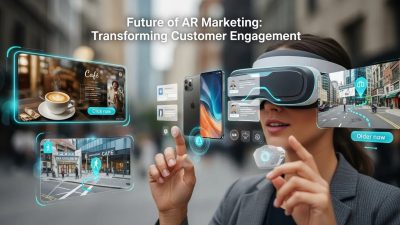
Looking ahead, the Future of AR Marketing and VR integration promises even more sophisticated experiences. AI-driven personalization, real-time analytics, and multilingual accessibility will make immersive campaigns more effective and globally inclusive. Brands that adopt these trends early will gain a competitive edge, positioning themselves as leaders in innovative marketing strategies.
Maximizing ROI with Immersive VR Marketing: Creative Strategies and Advanced Tips

As brands invest in Immersive VR Marketing, the challenge is not just creating captivating experiences, but ensuring measurable returns on investment. A successful campaign combines creativity, technology, and strategic insights to produce immersive experiences that engage users, drive conversions, and enhance brand loyalty.
Story-Driven Immersive Campaigns
At the core of every high-performing Immersive VR Marketing campaign is a compelling story. Brands that craft narratives users can inhabit achieve stronger emotional engagement. Story-driven experiences leverage human psychology by allowing users to explore environments, make decisions, and see consequences in real time. This active participation enhances memory retention and fosters a deeper connection to the brand.
For example, a luxury travel brand can create a virtual journey through an exotic destination, complete with interactive elements such as guided tours, cultural experiences, or local cuisine. Integrating Immersive AR Marketing elements like AR-based local guides or interactive cultural trivia—adds layers of engagement that bridge virtual and real-world experiences. These story-driven campaigns often result in higher engagement rates, increased bookings, and stronger customer loyalty.
Personalization Through AI
Personalization is a key factor in enhancing ROI. By using AI analytics in VR campaigns, marketers can track user behavior, preferences, and interactions to tailor experiences. AI Multilingual Bots can provide personalized guidance, answer questions in the user’s preferred language, and suggest content or products relevant to individual interests.
Imagine a global fashion brand using a VR showroom where AI bots recommend outfits based on the user’s past choices or current trends. By combining immersive engagement with AI-driven personalization, Immersive VR Marketing campaigns can increase conversion rates and deliver a more satisfying customer journey.
Data Privacy and Trust
While leveraging user data is vital for personalization, maintaining Bot Data Privacy is equally important. Consumers are increasingly aware of how their personal information is used, and campaigns that mishandle data can harm brand reputation. Brands must ensure transparency, comply with regulations, and provide users with control over their data. Ethical handling of data not only builds trust but also encourages deeper engagement within immersive environments.
Multi-Channel Integration
To maximize impact, Immersive VR Marketing should not operate in isolation. Integrating VR experiences with other digital touchpoints social media, websites, email campaigns, and even physical stores—creates a seamless omnichannel strategy. For example, an automotive brand may offer a VR test drive experience online, complement it with AR feature previews in stores, and follow up with personalized AI-driven emails. This cohesive strategy strengthens brand recall and reinforces the value of immersive campaigns.
Measuring Success
A critical aspect of any Immersive VR Marketing campaign is evaluating performance. Metrics can include:
-
Engagement time within the VR environment
-
Interaction rates with virtual objects and AR overlays
-
Click-through rates from VR to conversion pages
-
Behavioral insights captured via AI analytics
Using these data points, brands can calculate ROI more accurately, refine their campaigns, and invest in elements that produce the highest engagement. Transparency about data collection and usage ensures adherence to Bot Data Privacy standards.
Future-Proofing Campaigns
As technology evolves, forward-thinking brands are exploring the Future of AR Marketing to anticipate consumer expectations. Incorporating AI-driven personalization, real-time analytics, and multilingual accessibility ensures immersive campaigns remain innovative and scalable. Brands that master the integration of VR, AR, and AI today will dominate customer engagement tomorrow, setting a new standard for interactive marketing.
In conclusion, Immersive VR Marketing is not merely a flashy technological experiment; it is a strategic tool that combines psychology, creativity, and data to deliver meaningful experiences. By focusing on storytelling, personalization, data privacy, multi-channel integration, and measurable ROI, brands can harness the full potential of immersive campaigns while preparing for the evolving landscape of AR and VR marketing.
Conclusion
Immersive VR Marketing is reshaping how brands connect with audiences, blending technology, creativity, and psychology to deliver unforgettable experiences. By integrating Immersive AR Marketing, AI-driven personalization, and ethical practices like Bot Data Privacy, businesses can create campaigns that engage, inform, and convert. From retail to travel, entertainment, and education, immersive experiences allow brands to tell stories, showcase products, and provide interactive environments that traditional marketing cannot match. The strategic use of VR, AR, and AI ensures measurable ROI while preparing brands for the Future of AR Marketing. Embracing immersive strategies today sets the stage for long-term success.
Frequently Asked Questions (FAQ)
What is Immersive VR Marketing?
It’s a strategy that uses virtual reality to create interactive, engaging brand experiences that capture attention and build customer loyalty.
How does AR complement VR marketing?
Immersive AR Marketing overlays digital content onto the real world, enhancing VR experiences and creating hybrid, interactive campaigns.
Why is Bot Data Privacy important in immersive campaigns?
Ethical handling of user data ensures trust, regulatory compliance, and stronger engagement in AI-powered VR environments.
Can AI Multilingual Bots enhance VR marketing?
Yes, they allow global audiences to interact in multiple languages, making campaigns accessible and inclusive.
What industries benefit most from immersive VR marketing?
Retail, automotive, travel, hospitality, entertainment, and education are leading sectors leveraging immersive VR and AR experiences.