Augmented Reality is transforming e-commerce by delivering immersive, personalized, and interactive shopping experiences. From virtual try-ons to AR-powered marketing, it boosts engagement, trust, and conversions while reducing returns—helping brands stand out, innovate faster, and gain a lasting competitive advantage.
Technology and innovation go together hand-in-hand, in no place more so than in the ever-changing world of e-commerce. Of these, Augmented Reality (AR) is one such tech revolution storming the world, redefining how businesses are communicating with their audience, and totally transforming the retail sector. In this post, we discuss how AR is revolutionizing e-commerce marketing and why agencies who incorporate AR technology into their digital offering will have a significant competitive edge.
What is Augmented Reality?

Augmented Reality can be described as a technology that overlays digital objects (like visuals, sounds, or text) on the real world through smart devices like phones, tablets, or AR glasses. Unlike Virtual Reality (VR), which creates an entirely separate digital environment, AR enriches the user’s existing surroundings with interactive digital experiences.
This groundbreaking tech blurs the lines between physical and digital, engaging customers in real-time while addressing the growing demand for personalized and immersive experiences.
Why Augmented Reality is Gaining Momentum in E-Commerce
Customer shopping habits are evolving rapidly, and the one-size-fits-all approach rarely works anymore. E-commerce businesses are now prioritizing enhancing the customer experience, and AR is a key solution to cater to this demand. Here’s why AR is gaining momentum:
- Improved Decision-Making: AR allows customers to view, interact with, and “try” products before buying. This interactive element eliminates guessing games and leads to more confident purchasing decisions.
- Enhanced Personalization: From makeup try-on filters to virtual furniture placement in rooms, AR provides a tailored shopping experience aligned with individual consumer preferences.
- Bridging the Gap Between Physical and Digital: AR replicates in-store experiences in online spaces. This makes it easier for consumers to inspect products in detail without leaving their homes.
Statistically speaking, e-commerce stores adopting AR are seeing a 94% higher conversion rate than those that don’t, according to Retail Perceptions. The bottom line? AR isn’t just a fancy buzzword; it’s a proven driver of success.
Game-Changing Applications of AR in E-Commerce Marketing

Augmented Reality is not just reshaping e-commerce; it’s driving new ways to market, sell, and nurture customer relationships. Here are some of the key applications of AR in e-commerce marketing:
1. Virtual Try-Ons
One of the most common applications of AR lies in virtual try-ons, particularly in sectors like fashion and beauty. AR lets customers visualize and “try on” items through their devices.
For example:
- Sephora’s Virtual Artist allows users to experiment with different shades of lipstick or eyeshadow using their smartphone cameras.
- Warby Parker lets customers try on glasses virtually to ensure the perfect fit.
By offering innovation like this, brands not only simplify the buying process but also build trust.
2. Interactive Product Demos
With AR, customers no longer have to imagine how a product works. Interactive AR demos allow them to see functionality firsthand.
Case in point:
- IKEA’s “IKEA Place” app enables users to virtually place furniture in their homes to see how well it fits spatially and whether it matches their interior decor.
This level of interaction minimizes uncertainty and creates a satisfying purchase experience.
3. Augmented Reality Advertising
AR ads take traditional marketing to the next level by offering a highly immersive and engaging experience. Advertisers use it to create memorable campaigns that capture attention for longer durations.
For example:
- Michael Kors ran an AR campaign where consumers could “try on” sunglasses directly through their Facebook feed.
Such campaigns go beyond clicks and impressions, driving emotional and interactive connections with a brand.
4. Location-Based Shopping Experiences
Retailers are also utilizing AR for location-based experiences. By integrating AR into their physical retail locations, brands can guide customers through stores with digital markers, providing product information, and even gamified experiences.
- Nike introduced an AR-powered in-store experience where shoppers could scan shoes and gain detailed insights about design, features, and pricing.
By combining AR with physical spaces, brands create an unforgettable omnichannel customer experience.
5. Learning and Education through AR Commerce
AR is making e-commerce products not just visible but also educational. Brands leverage AR to explain how their products work, providing instant value to customers.
For instance:
- Home improvement e-commerce companies, such as Lowe’s, utilize AR to show customers how tools are used or how installations should be done.
This doubles as a marketing tactic and a value-added service that fosters brand loyalty.
Benefits of Adopting AR in E-Commerce Marketing
Adopting AR has several concrete advantages for any e-commerce business:
1. Fewer Returns
One of the key concerns in online shopping is the inability to physically inspect products before purchase, leading to higher return rates. AR mitigates this issue by allowing customers to virtually interact with products, ensuring satisfaction and fewer returns.
2. Boosted Customer Engagement
AR creates playful, exciting interactions that hold consumers’ attention longer than text or standard visuals. Increased engagement often leads to stronger customer relationships.
3. Higher Conversion Rates
When customers feel confident in their product choices, they’re more likely to complete purchases. AR has been shown to increase conversion rates, as users can make informed decisions without hesitation.
4. Competitive Edge
Brands that adopt AR stand out in the crowded e-commerce landscape. Early adopters gain precious mindshare and positioning as innovators within their industries.
AR-Driven Customer Experience Transformation
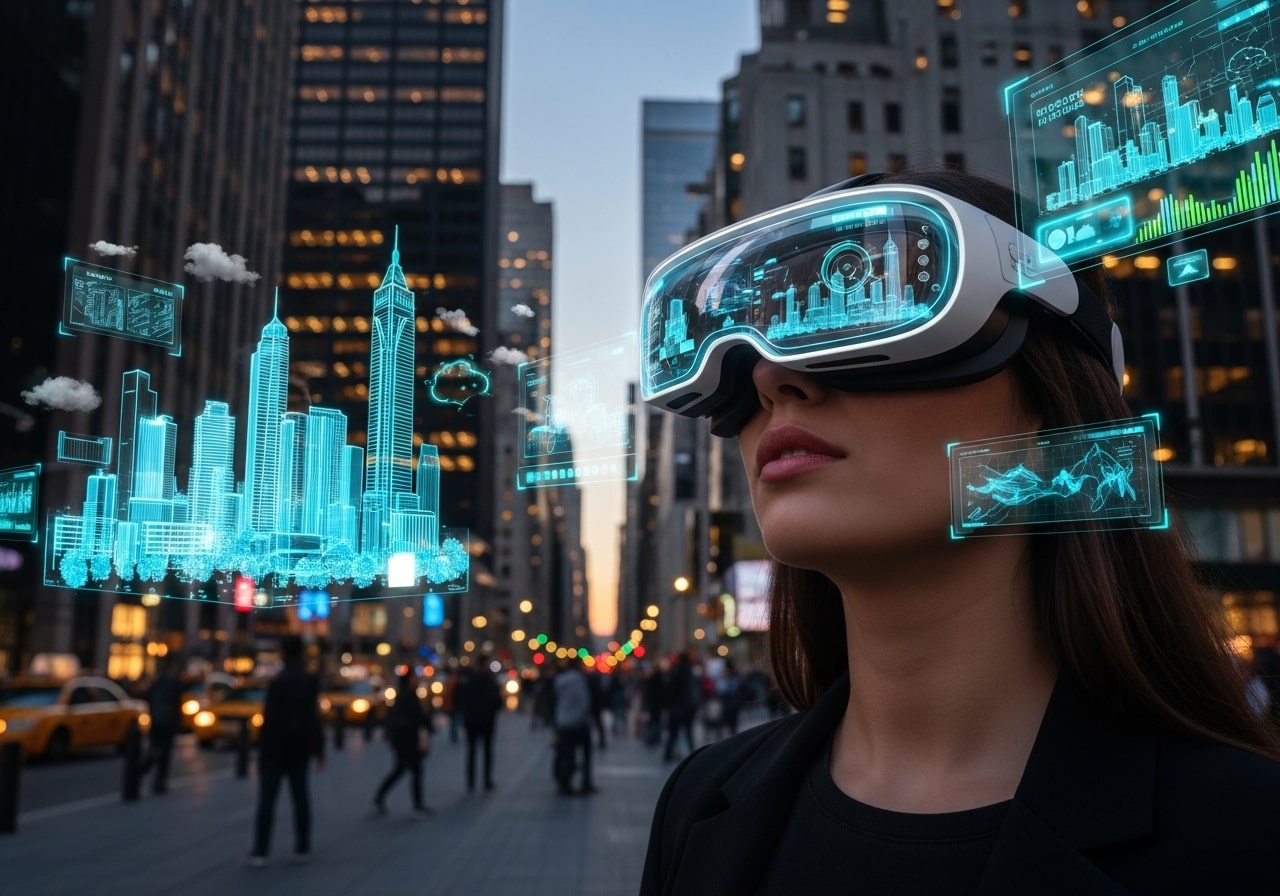
Augmented Reality is redefining the customer experience by making online shopping more interactive, immersive, and engaging. Instead of relying on static images or videos, customers can actively explore products in real-world contexts. This hands-on interaction builds emotional connections and reduces uncertainty during the buying journey. AR-powered experiences replicate the in-store feel, helping customers better understand size, fit, color, and functionality. As expectations for personalization grow, AR enables brands to deliver memorable experiences that keep users engaged longer, increase satisfaction, and encourage repeat visits—making customer experience a major competitive differentiator in e-commerce.
The Role of AR in Building Consumer Trust
Trust is one of the biggest challenges in e-commerce, and AR plays a crucial role in overcoming it. By allowing customers to visualize products realistically, AR reduces doubt and mismatched expectations. When shoppers can “try before they buy,” they feel more confident and informed about their decisions. This transparency builds credibility and minimizes disappointment after purchase. Over time, consistent AR experiences help brands establish reliability and authenticity. As trust increases, customers are more likely to complete purchases, recommend the brand to others, and remain loyal in the long term.
AR as a Powerful Conversion Optimization Tool
Augmented Reality directly impacts conversion rates by addressing common barriers to online purchasing. Customers often hesitate due to uncertainty about fit, appearance, or usability. AR removes these doubts by offering interactive previews that simulate real-life usage. When shoppers feel confident, they are more likely to move from browsing to buying. Additionally, AR increases engagement time on product pages, which positively influences purchasing behavior. By integrating AR strategically into product pages and campaigns, e-commerce businesses can turn curiosity into action and significantly boost sales performance.
Enhancing Brand Storytelling Through AR
AR allows brands to tell richer, more compelling stories by blending digital creativity with real-world environments. Instead of simply describing a product’s benefits, brands can visually demonstrate them in interactive ways. This immersive storytelling captures attention and makes messaging more memorable. AR campaigns can showcase brand values, innovation, and lifestyle positioning more effectively than traditional formats. When customers actively participate in a brand story, it creates stronger emotional connections. These experiences not only improve recall but also help brands stand out in crowded e-commerce markets.
AR’s Impact on Omnichannel Marketing Strategies
Augmented Reality strengthens omnichannel strategies by creating seamless connections between online and offline experiences. Customers can engage with AR both at home and in physical retail environments, ensuring consistency across touchpoints. Whether through mobile apps, social media filters, or in-store AR displays, brands maintain a unified customer journey. This integration improves brand recognition and customer satisfaction. By bridging digital and physical interactions, AR supports smoother transitions between channels, encouraging customers to explore, engage, and purchase wherever they feel most comfortable.
Personalization at Scale with AR Technology
Augmented Reality enables e-commerce brands to deliver personalization at a level traditional tools cannot achieve. By allowing users to interact with products in their own environment, AR creates experiences tailored to individual preferences, spaces, and needs. Customers can see how products look on them or in their homes, making the shopping journey feel uniquely customized. This scalable personalization increases relevance without manual effort from brands. As consumers increasingly expect experiences designed “just for them,” AR helps businesses meet these expectations efficiently while improving engagement, satisfaction, and conversion outcomes.
Challenges Businesses Must Overcome
While the benefits of AR in e-commerce marketing are clear, implementing it is not without challenges.
- Development Costs: Creating high-quality AR experiences can require significant investment in both development and hardware.
- Complexity: Businesses must ensure their AR interfaces are intuitive and user-friendly, or they risk alienating less tech-savvy customers.
- Limited Consumer Readiness: While AR is becoming more common, not all customers may have devices capable of supporting this technology, potentially shrinking reach.
How to Get Started with AR in Your E-Commerce Strategy
If you’re ready to tap into the potential of AR, here’s how to start:
- Define Your Goals – What do you want to achieve? Increased sales, brand engagement, or more? Having clear objectives keeps your AR initiative focused.
- Choose the Right Technology – There are various AR platforms to consider, such as Spark AR, ARKit, or bespoke solutions tailored to your business.
- Collaborate with Experts – Work with experienced developers to design immersive, impactful AR experiences that align with your branding.
- Test Before Launching – Run pilot programs to gather user feedback and refine your AR experience before going live.
Businesses of all sizes can take advantage of AR, and with the tools and resources available today, getting started is easier than ever.
Unlock the Future of Shopping
Augmented Reality is the future of virtual representations, and it’s a game-changing tool for e-commerce. Virtual try-ons, AR-powered ads, and more – this tech provides fun, personalized, and highly integrated shopping experiences that cater to today’s user.
Want to get ahead of the curve? Re-evaluate your marketing plan and see how AR can make it the best for your business.
If you want to get on the front foot with technology, you can take advantage of AR for your e-commerce store right now and give your shop a head start on your competition.
Frequently Asked Questions (FAQ)
1. What is Augmented Reality (AR) in e-commerce?
Augmented Reality in e-commerce allows customers to interact with digital product visuals overlaid onto their real-world environment using smartphones, tablets, or AR-enabled devices, helping them visualize products before purchasing.
2. How does AR improve the online shopping experience?
AR enhances shopping by enabling virtual try-ons, interactive product demos, and personalized experiences, reducing uncertainty and making purchase decisions more confident and engaging.
3. Can AR really increase e-commerce conversion rates?
Yes. Studies show that AR experiences can significantly boost conversion rates by helping customers better understand products, increasing confidence, and reducing hesitation at checkout.
4. Which industries benefit most from AR in e-commerce?
Fashion, beauty, furniture, home décor, eyewear, and home improvement industries benefit the most, as AR allows customers to visualize fit, size, color, and placement effectively.
5. Does AR help reduce product return rates?
Absolutely. By allowing customers to preview products accurately before purchase, AR minimizes mismatched expectations, leading to fewer returns and higher customer satisfaction.
6. Is AR technology expensive to implement?
While advanced AR experiences may require higher upfront investment, many scalable and cost-effective AR platforms are now available, making AR accessible even for small and mid-sized e-commerce businesses.
7. Do customers need special devices to use AR features?
Most AR experiences work on modern smartphones and tablets. However, device compatibility may vary, and not all users may have AR-enabled devices.
8. How can businesses start using AR in e-commerce marketing?
Businesses should begin by defining goals, selecting suitable AR platforms, collaborating with experienced developers, and testing AR features before full-scale deployment.
9. What role does AR play in digital marketing campaigns?
AR adds interactivity to digital ads, social media campaigns, and product launches, helping brands capture attention, increase engagement, and create memorable brand experiences.
10. Is AR the future of e-commerce?
Yes. As consumer demand for immersive and personalized shopping experiences grows, AR is expected to become a standard feature in e-commerce, offering brands a strong competitive advantage.