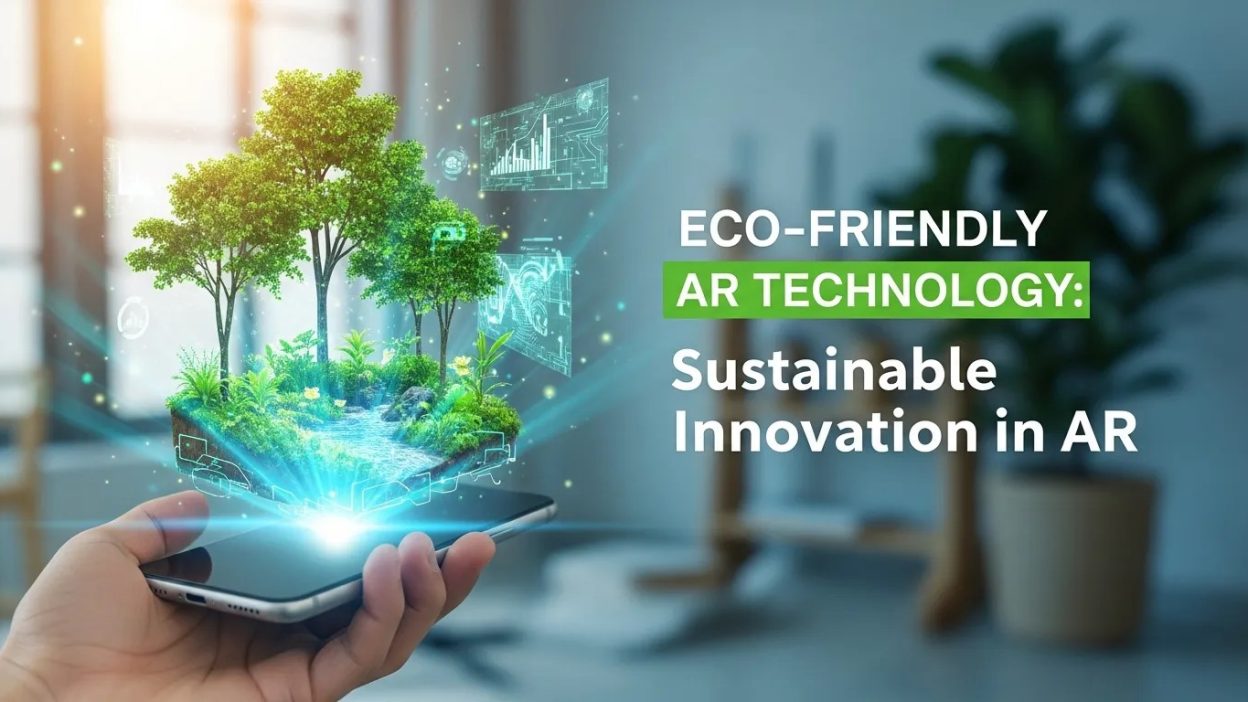
Eco-Friendly AR Technology merges sustainability with innovation, reducing environmental impact through efficient hardware, AI-driven software, and responsible AR practices. From retail to urban planning, it supports immersive experiences while promoting a greener, more sustainable technological ecosystem.
Introduction The Rise of Eco-Friendly AR Technology
Augmented reality (AR) has transformed the way we interact with the digital world, offering immersive experiences across industries. From retail to healthcare, AR provides innovative solutions that enhance user engagement. However, as AR technology grows, so does its environmental footprint. The energy consumption of AR devices, data processing, and high-performance computing infrastructure contributes to carbon emissions, making it essential to explore eco-friendly AR technology that prioritizes sustainability without compromising performance.
Sustainable innovation in AR goes beyond device efficiency; it incorporates software optimization, green computing practices, and responsible development of AR ecosystems. By integrating eco-conscious design principles, companies can reduce energy consumption while delivering the sophisticated experiences users expect.
Understanding the Environmental Impact of AR
The environmental impact of augmented reality involves multiple factors. High-resolution AR applications often rely on cloud computing, which requires substantial data centers and energy usage. The production of AR headsets and wearable devices also involves mining and manufacturing processes that have ecological consequences. To mitigate these effects, developers are exploring solutions that leverage renewable energy, energy-efficient algorithms, and resource-conscious hardware design.
Moreover, sustainable AR initiatives often involve the use of computer vision in AR, which allows devices to process environmental data more efficiently. By optimizing computer vision models, AR systems can reduce computational load, leading to lower energy consumption and a smaller carbon footprint.
Sustainable Design Principles for AR Development

Eco-friendly AR technology relies heavily on thoughtful design. Developers can apply sustainable principles across hardware, software, and user experience design to minimize environmental impact. These principles include:
-
Energy-efficient Hardware: Designing AR headsets and devices that consume less power without compromising performance.
-
Optimized Algorithms: Implementing AI and neural networks in AR to process data efficiently, reducing unnecessary computations.
-
Resource-conscious Materials: Using recycled or low-impact materials in AR device manufacturing.
-
Cloud Optimization: Reducing server load and leveraging green cloud providers to minimize data center energy consumption.
By following these guidelines, AR solutions can deliver engaging experiences while aligning with broader sustainability goals.
AR Environment Mapping and Eco-Conscious Applications
A key component of AR experiences is AR environment mapping, which allows devices to understand and interact with physical spaces accurately. Environment mapping can be computationally intensive, especially in applications like urban planning, architectural visualization, and interactive gaming. Eco-friendly AR technology addresses this challenge by implementing efficient mapping techniques, minimizing redundant calculations, and leveraging adaptive algorithms that prioritize essential data.
Sustainable AR applications extend to areas like environmental monitoring, where AR can visualize pollution levels, track energy usage, and support green infrastructure planning. By presenting complex environmental data in an accessible, interactive format, AR encourages eco-conscious decision-making in both corporate and public sectors.
AI-Powered AR Vision for Sustainable Experiences
Integrating artificial intelligence into AR systems enhances efficiency while enabling innovative solutions. AI-powered AR vision allows devices to interpret surroundings intelligently, reducing the need for continuous high-energy processing. For example, smart object recognition can dynamically adjust rendering quality based on user focus, conserving power and improving performance.
Additionally, AI integration facilitates predictive modeling, which can optimize the way AR applications respond to environmental factors. This is particularly important for eco-friendly AR technology, where minimizing computational waste is as critical as improving user experience.
Transforming Industries with Sustainable AR
Eco-friendly AR technology is reshaping multiple industries by balancing innovation with environmental responsibility. Key sectors experiencing transformation include:
Retail and E-commerce
AR allows consumers to visualize products in real-world settings, reducing returns and associated transportation emissions. Integrating AI and efficient computer vision models ensures that these experiences remain sustainable without sacrificing realism.
Healthcare
Medical training and patient care benefit from AR simulations that reduce the need for physical resources. By leveraging optimized neural networks in AR, these solutions can operate effectively on low-power devices, contributing to sustainability goals.
Education and Training
AR-based educational tools provide immersive learning experiences while minimizing material usage. Eco-conscious AR design ensures that these tools are accessible on energy-efficient devices without compromising interactivity.
Urban Planning and Architecture
Architects and planners use AR environment mapping to visualize projects before construction, reducing material waste and environmental disruption. Smart algorithms and AI-powered analysis streamline these processes, making urban development more sustainable.
Advancing Eco-Friendly AR Technology Through Smart Hardware
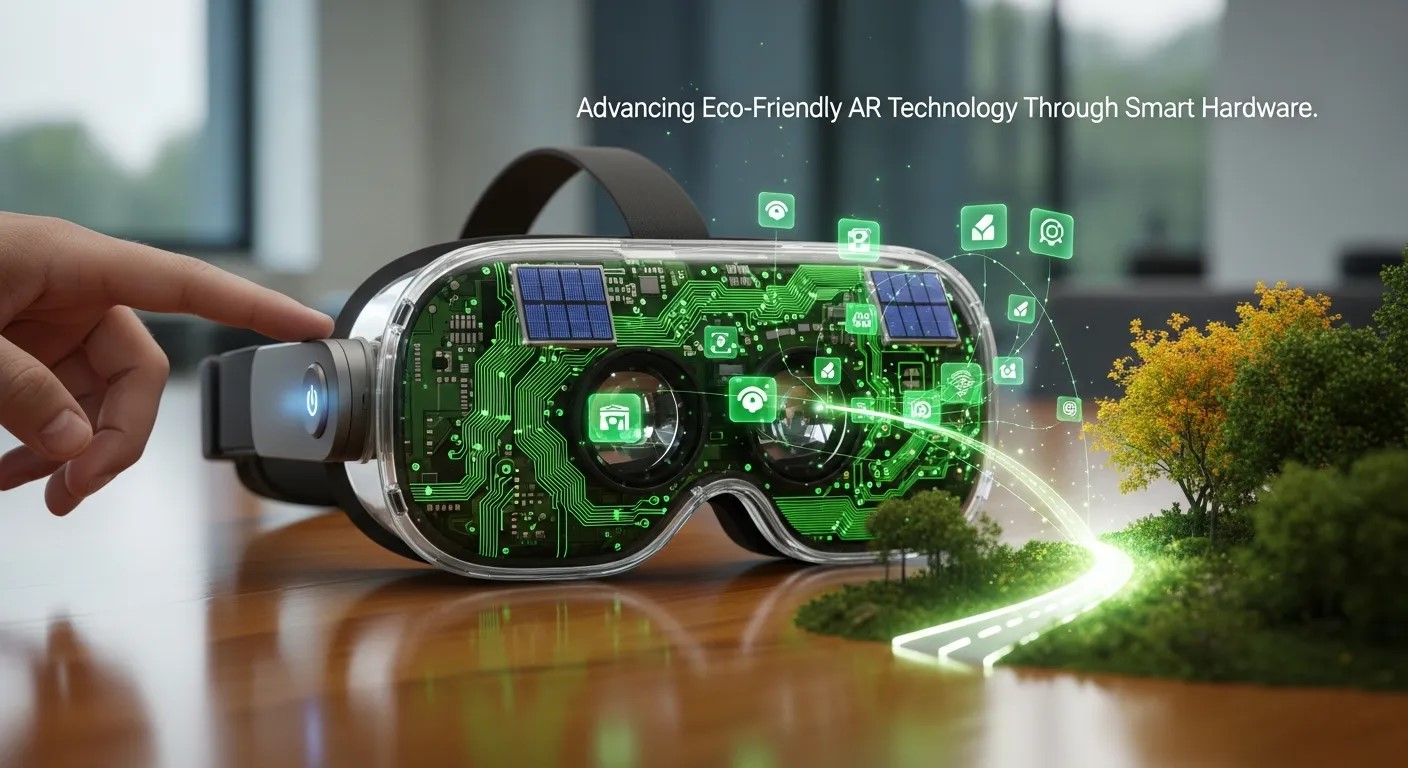
One of the most significant drivers of Eco-Friendly AR Technology is the development of energy-efficient AR hardware. Modern AR headsets and smart glasses are often power-hungry, with high-resolution displays and continuous sensor activity consuming substantial energy. By incorporating low-power processors, optimized battery management systems, and lightweight materials, manufacturers can ensure that devices operate sustainably without sacrificing performance.
Companies committed to Eco-Friendly AR Technology are increasingly using recycled and ethically sourced materials in their production processes. These innovations not only reduce environmental impact but also appeal to eco-conscious consumers, aligning with the growing trend of sustainability in tech adoption.
Moreover, hardware improvements complement software efficiency. When AR devices are paired with optimized neural networks in AR, the system can perform complex computations while consuming minimal power. This combination of smart hardware and intelligent software is central to advancing sustainable AR experiences.
Software Optimization in Eco-Friendly AR Technology
Sustainable AR experiences rely heavily on software that is both efficient and intelligent. Eco-Friendly AR Technology leverages advanced algorithms to reduce processing load, manage energy consumption, and enhance performance across devices.
One of the most impactful software strategies is integrating computer vision in AR for context-aware processing. By analyzing the environment intelligently, AR systems can selectively render graphics and animations only where necessary, reducing wasteful computations. Similarly, AR environment mapping can be optimized to prioritize critical spatial data, ensuring smoother operation while minimizing energy use.
In addition, AI-driven tools such as AI-powered AR vision allow devices to anticipate user interactions, adjusting processing demands dynamically. This predictive approach ensures that AR applications operate efficiently, which is a hallmark of Eco-Friendly AR Technology.
Eco-Friendly AR Technology in Corporate Applications
Businesses are increasingly adopting Eco-Friendly AR Technology to align with sustainability goals while enhancing productivity. In corporate settings, AR facilitates smarter workflows, better training, and reduced reliance on physical resources.
Chatbots in B2B Marketing
The integration of AR with digital tools, such as chatbots in B2B marketing, creates interactive and engaging experiences without the need for extensive travel or printed materials. By visualizing products, services, or workflow processes in AR, companies can improve communication efficiency while lowering environmental impact.
AI Conversational Commerce
Similarly, AI conversational commerce powered by AR allows businesses to create immersive shopping and service experiences. Users can interact with virtual products and environments directly, reducing the need for physical prototypes, shipping, and packaging. Incorporating these solutions under the umbrella of Eco-Friendly AR Technology emphasizes sustainability while driving business innovation.
Measuring Sustainability in AR Development
To fully realize the benefits of Eco-Friendly AR Technology, companies must track environmental impact and sustainability metrics. This includes evaluating energy consumption during AR sessions, monitoring the lifecycle of hardware components, and assessing software efficiency.
Tools such as green computing dashboards, carbon footprint calculators, and adaptive AI algorithms help developers and businesses optimize their AR solutions. By continually improving energy efficiency and reducing resource waste, AR applications can achieve a sustainable balance between functionality and environmental responsibility.
Future Trends in Eco-Friendly AR Technology
The next wave of Eco-Friendly AR Technology focuses on deeper integration with renewable energy, cloud-based optimization, and smart AI-driven interfaces. Emerging trends include:
-
Edge Computing in AR: Reducing cloud reliance by processing data locally, cutting energy use.
-
Adaptive Rendering Techniques: Dynamically adjusting visual fidelity based on environmental context to save power.
-
Green Cloud Services: Leveraging servers powered by renewable energy to host AR applications.
-
Integration with IoT and Smart Cities: Eco-conscious AR overlays that support sustainable urban planning.
By embracing these innovations, Eco-Friendly AR Technology will continue to shape a future where augmented reality experiences are both immersive and environmentally responsible.
Case Studies Showcasing Eco-Friendly AR Technology

Several companies are leading the way in implementing Eco-Friendly AR Technology, demonstrating how sustainability and innovation can coexist. These case studies illustrate both practical benefits and measurable environmental impact.
Retail Innovations
Retailers using Eco-Friendly AR Technology have successfully reduced waste associated with product sampling and returns. For example, AR applications allow consumers to virtually try products, from furniture to apparel, before purchase. By integrating AI-powered AR vision, retailers can create highly realistic visualizations that maintain user engagement while reducing energy-intensive shipping cycles.
Moreover, AR solutions that utilize computer vision in AR ensure that virtual try-ons and simulations are accurate, minimizing the need for repeated physical trials. Retailers adopting Eco-Friendly AR Technology report lower carbon footprints and increased customer satisfaction, proving that sustainable innovation is profitable.
Urban Planning and Architecture
In architecture and urban development, Eco-Friendly AR Technology is transforming the design process. AR environment mapping enables architects and planners to overlay digital models onto real-world sites, reducing errors and unnecessary material usage. This sustainable approach aligns with modern environmental goals.
By leveraging neural networks in AR, planners can simulate complex scenarios such as traffic flow, energy efficiency, and environmental impact. Integrating Eco-Friendly AR Technology into these workflows ensures that sustainability is embedded from conceptualization to execution.
Healthcare Applications
Healthcare professionals are also benefiting from Eco-Friendly AR Technology. AR-assisted surgery and training platforms allow for realistic practice without relying on consumable materials or extensive travel for workshops. AI-powered AR vision enhances the accuracy of these simulations, ensuring high-quality outcomes while conserving resources.
Additionally, Eco-Friendly AR Technology in telemedicine applications reduces the need for patient travel, decreasing overall environmental impact. These examples illustrate that sustainable AR solutions can have far-reaching benefits beyond traditional tech sectors.
Technical Innovations Driving Sustainability
The growth of Eco-Friendly AR Technology is supported by continuous technical innovation. Some of the most impactful advancements include:
-
Energy-Efficient Rendering: Dynamic resolution and selective processing minimize power consumption during AR sessions.
-
AI-Optimized Interactions: Predictive modeling via AI-powered AR vision reduces unnecessary computations, increasing device longevity.
-
Lightweight AR Devices: Hardware innovations reduce energy usage and resource requirements, central to Eco-Friendly AR Technology.
-
Cloud-Based Sustainability: Leveraging green cloud services ensures that AR applications maintain low environmental impact.
By combining these innovations, developers can create AR experiences that are immersive, responsive, and environmentally conscious.
Integrating Eco-Friendly AR Technology into Corporate Strategy

Companies looking to embrace sustainability often integrate Eco-Friendly AR Technology as a core part of their business strategy. This approach includes:
-
Reducing physical resource consumption by replacing manuals, prototypes, and training materials with AR simulations.
-
Using chatbots in B2B marketing combined with AR overlays to provide interactive product demos and virtual consultations.
-
Enhancing digital customer interactions via AI conversational commerce, reducing travel and shipping-related emissions.
Strategically embedding Eco-Friendly AR Technology into corporate operations not only improves environmental outcomes but also strengthens brand reputation and customer loyalty.
Challenges and Opportunities
Despite its advantages, implementing Eco-Friendly AR Technology presents challenges. High upfront costs, hardware limitations, and complex software requirements can hinder adoption. However, these obstacles are increasingly mitigated by scalable solutions and continuous innovation in neural networks in AR and computer vision in AR.
Opportunities include collaboration across industries to standardize green AR practices, investment in renewable energy-powered cloud infrastructure, and integration of AR into educational initiatives to promote sustainability awareness. By addressing these challenges strategically, companies can maximize the impact of Eco-Friendly AR Technology while remaining environmentally responsible.
Emerging Frameworks for Green AR Development
Sustainable AR frameworks are emerging to guide developers in creating Eco-Friendly AR Technology applications. Key principles include:
-
Lifecycle Analysis: Evaluating the environmental footprint of hardware, software, and cloud services.
-
Adaptive Computing: Dynamically allocating resources based on task priority, reducing energy use.
-
Responsible Material Sourcing: Prioritizing recyclable or low-impact materials in device manufacturing.
-
Continuous Monitoring: Tracking energy consumption and optimizing performance over time.
These frameworks ensure that Eco-Friendly AR Technology remains both innovative and sustainable, providing a roadmap for future development.
Global Adoption of Eco-Friendly AR Technology
The adoption of Eco-Friendly AR Technology is rapidly expanding across industries worldwide. From North America to Europe and Asia, businesses and governments are recognizing the dual benefits of immersive augmented reality and sustainability. By prioritizing Eco-Friendly AR Technology, organizations reduce energy consumption, lower operational costs, and enhance their environmental credentials.
One significant trend is the integration of computer vision in AR for global logistics and supply chain management. By using AR overlays to track inventory and optimize transport routes, companies reduce fuel consumption and packaging waste, exemplifying how Eco-Friendly AR Technology can create tangible environmental benefits.
Sustainable Manufacturing and Product Design
Eco-Friendly AR Technology is also reshaping manufacturing processes. Engineers use AR environment mapping to visualize product designs before physical prototyping, reducing material waste. This approach supports a circular economy, where resources are reused efficiently, and energy-intensive production is minimized.
In addition, neural networks in AR are being applied to predictive maintenance, allowing machinery to operate at peak efficiency with minimal energy consumption. Integrating these AI-driven insights into production lines further strengthens the sustainability impact of Eco-Friendly AR Technology.
Enhancing Corporate and Consumer Experiences
Businesses are leveraging AI-powered AR vision to improve both employee training and consumer engagement sustainably. Training simulations reduce the need for physical resources, while interactive AR shopping experiences minimize returns and transport-related emissions. Companies that prioritize Eco-Friendly AR Technology gain not only operational efficiency but also demonstrate social responsibility.
Moreover, integrating chatbots in B2B marketing with AR interfaces allows clients to explore products virtually, reducing travel and printed marketing materials. Similarly, AI conversational commerce enables interactive customer experiences without relying on resource-intensive processes, emphasizing the sustainable value of Eco-Friendly AR Technology.
Policy and Regulation Support
Government initiatives and regulatory frameworks increasingly support the growth of Eco-Friendly AR Technology. Incentives for energy-efficient computing, green cloud infrastructure, and low-impact hardware development encourage innovation while maintaining environmental responsibility. These measures make it easier for companies to implement Eco-Friendly AR Technology at scale, ensuring widespread adoption.
By combining innovative hardware, intelligent software, and responsible corporate strategies, Eco-Friendly AR Technology is becoming a cornerstone of sustainable digital transformation. Its high adoption rate across global industries demonstrates that immersive AR experiences can coexist with environmental stewardship.
Conclusion
Eco-Friendly AR Technology represents a crucial intersection of innovation and sustainability. By combining energy-efficient hardware, optimized software, and AI-driven solutions like neural networks in AR and AI-powered AR vision, AR applications can deliver immersive experiences while minimizing environmental impact. Industries ranging from retail and healthcare to urban planning are adopting these solutions to reduce waste, lower carbon emissions, and enhance operational efficiency. Additionally, integrating chatbots in B2B marketing and AI conversational commerce demonstrates how eco-conscious AR can improve business outcomes. Overall, Eco-Friendly AR Technology paves the way for a sustainable, intelligent, and responsible digital future.
Frequently Asked Questions
What is Eco-Friendly AR Technology?
It refers to augmented reality solutions designed to minimize environmental impact through energy-efficient hardware, optimized software, and sustainable practices.
How does Eco-Friendly AR Technology reduce energy consumption?
By using AI-powered rendering, neural networks in AR, optimized algorithms, and efficient hardware, it lowers power usage during AR operations.
Which industries benefit most from Eco-Friendly AR Technology?
Retail, healthcare, urban planning, education, and corporate sectors benefit through reduced waste, lower emissions, and interactive digital experiences.
Can Eco-Friendly AR Technology integrate with existing business tools?
Yes. It works alongside chatbots in B2B marketing, AI conversational commerce, and other AI-driven platforms for sustainable business innovation.
Is Eco-Friendly AR Technology cost-effective?
While initial investment may be higher, long-term savings from reduced resource usage, energy efficiency, and operational improvements make it cost-effective and sustainable.