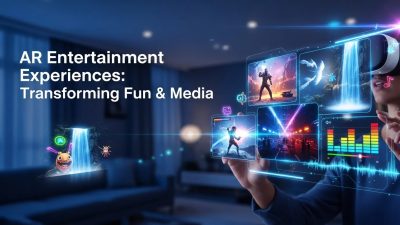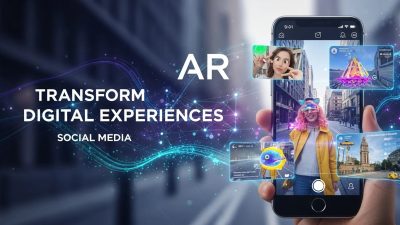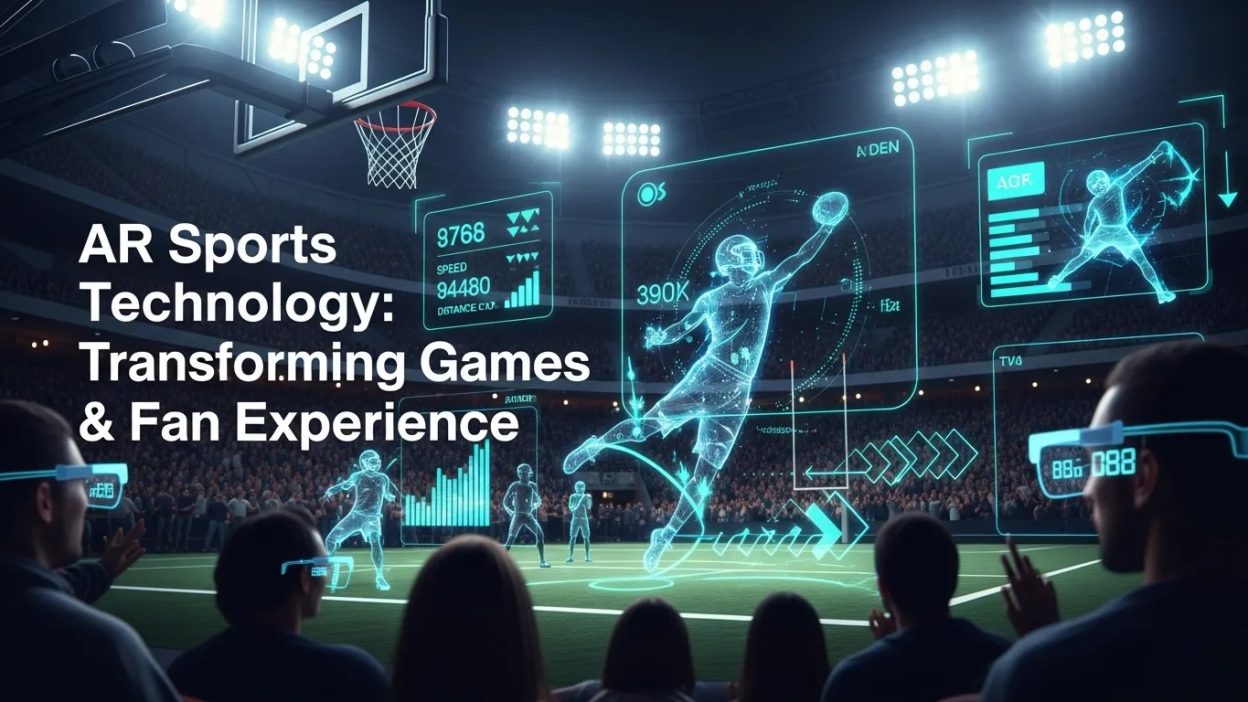
AR Sports Technology enhances athlete performance, fan engagement, and stadium experiences through immersive visuals and data insights. Integrating AI, wearables, and healthcare solutions, it transforms training, viewing, and sponsorship, creating smarter, safer, and more interactive sports worldwide.
Introduction to AR Sports Technology
The world of sports is undergoing a profound transformation with the integration of AR Sports Technology. From enhancing player performance to revolutionizing fan experiences, augmented reality (AR) is no longer a futuristic concept it’s becoming an essential tool in the sports industry. Coaches, athletes, and sports organizations are leveraging these technologies to gain a competitive edge, offering fans immersive experiences that were unimaginable a decade ago.
Unlike traditional broadcasting or static digital platforms, AR enables real-time, interactive engagement. Fans can explore statistics overlays during live games, view holographic replays, and even experience immersive simulations of crucial moments on the field. This kind of AR Entertainment Experiences is redefining how spectators connect with their favorite teams, creating deeper emotional bonds and increasing engagement across digital platforms.
AR Sports Technology in Player Training
One of the most impactful applications of AR Sports Technology lies in athlete training. Coaches are using augmented reality to simulate game scenarios, allowing athletes to make strategic decisions in controlled virtual environments. For example, a quarterback in football can visualize defensive alignments projected onto the field, while basketball players can practice shot timing and positioning with real-time AR overlays.
This integration significantly reduces the risk of injury during training, as players can mentally and physically rehearse complex maneuvers without exhaustive on-field repetitions. Additionally, AR-powered performance tracking devices provide insights into movement patterns, stamina, and tactical decision-making. Such advancements are not only enhancing athletic performance but also preparing athletes for high-pressure scenarios in actual games.
Fan Engagement and Interactive Viewing
Sports fans are increasingly seeking interactive experiences, and AR Sports Technology delivers precisely that. Beyond the traditional screens, AR allows spectators to access live stats, player metrics, and 3D visualizations during games. Imagine attending a stadium and pointing a mobile device at a player to see real-time speed, heart rate, and performance history this level of engagement transforms passive watching into an active, informative experience.
Furthermore, sports broadcasters are experimenting with AR Hologram Technology to bring fans closer to the action. Holographic projections of players or iconic moments can be integrated into studio broadcasts or even fan zones, creating a bridge between the physical and digital worlds. This creates an unforgettable spectacle that enhances loyalty and builds excitement for both in-stadium audiences and viewers at home.
Enhancing Strategic Decisions with AR Intelligence

AR Intelligence plays a critical role in both coaching and team management. By integrating AR with advanced analytics, teams can visualize complex data sets in a more intuitive manner. Coaches can overlay tactical strategies on the field, review opponent patterns, and predict likely outcomes of plays—all in real time.
For instance, soccer teams can project opponent formations during practice sessions, enabling players to anticipate movements and optimize positioning. Similarly, in basketball, coaches can evaluate shooting percentages, defensive gaps, and player rotation strategies using AR-enhanced insights. This combination of intelligence and visualization is creating a new era of data-driven decision-making in sports.
Integrating AR Across Sports Arenas
Stadiums and sports venues are increasingly embracing AR Sports Technology to improve fan experience. Mobile apps equipped with AR functionalities allow fans to access interactive seating maps, locate amenities, or view live game overlays while in the stadium. Teams are also using AR-enabled merchandise displays to provide detailed product information and exclusive content, blending physical and digital experiences seamlessly.
Additionally, the adoption of AI Chatbot Learning Resources in fan engagement apps is supporting AR features by providing instant guidance. These chatbots help users navigate AR functionalities, answer queries about player stats, and even recommend interactive experiences tailored to individual preferences. This synergy between AR and AI is redefining digital engagement in sports.
Applications of AR Sports Technology in Different Sports
| Sport | AR Application | Fan Engagement Element |
|---|---|---|
| Football | Defensive alignment visualization | Real-time player metrics on mobile |
| Basketball | Shot timing and positioning overlays | Holographic replays in arenas |
| Soccer | Opponent formation projection | Interactive stadium AR maps |
| Tennis | Serve trajectory analysis | Augmented match stats on personal devices |
| eSports | AR-enhanced gaming overlays | Immersive AR viewing for live tournaments |
AR Sports Technology and Sponsorship Opportunities
Sponsorships in sports are also evolving with AR Sports Technology. Brands can integrate AR elements into fan experiences, offering interactive promotions, virtual merchandise, or exclusive content. For example, a beverage sponsor could launch an AR game where fans collect virtual rewards during match highlights. These experiences not only increase brand visibility but also create measurable engagement metrics, which are more impactful than traditional advertisements.
Moreover, AR allows for B2B and B2C Chatbot integration in promotional campaigns. These chatbots can guide users through interactive content, answer questions about products, and even facilitate online purchases all while being embedded within the AR experience. This combination ensures that sponsorships are not only seen but actively interacted with, creating a deeper connection with fans.
AR Sports Technology for Remote Fans
The rise of digital viewership has made remote fan engagement a critical component of sports entertainment. AR Sports Technology is bridging the gap between physical stadiums and fans watching from home. With augmented reality overlays, remote viewers can experience the thrill of live games as if they were physically present. Real-time stats, 3D visualizations of key moments, and immersive camera angles create a dynamic viewing experience.
These interactive features go beyond passive watching, allowing fans to select which player metrics to view or switch perspectives mid-game. By integrating AR Entertainment Experiences, broadcasters can transform ordinary broadcasts into engaging spectacles that keep viewers invested for longer periods. This technology ensures that fans never miss out on the action, no matter where they are.
eSports and AR Sports Technology
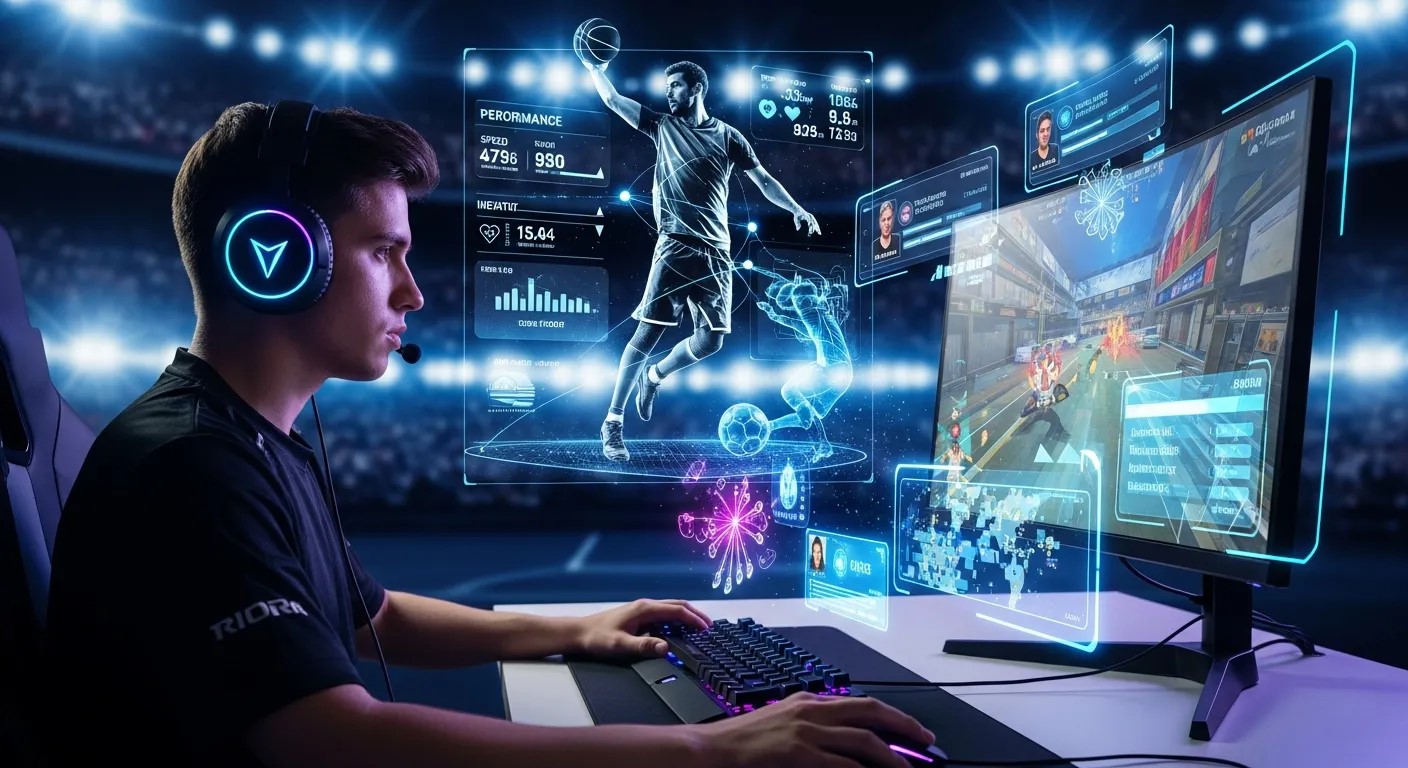
eSports is another arena where AR Sports Technology is rapidly making an impact. Virtual competitions benefit immensely from AR overlays that enhance both player performance and audience engagement. Players can utilize AR for real-time strategy visualization, optimizing reaction times and tactical decisions during gameplay. Spectators, on the other hand, enjoy AR Hologram Technology that allows them to see immersive replays, highlight key plays, or even project a live 3D rendering of their favorite players into their living rooms.
This synergy of AR with digital gaming platforms is also boosting sponsorship and advertising opportunities. Interactive AR campaigns allow brands to embed themselves seamlessly into the gaming experience, making every engagement memorable while providing measurable metrics for campaign success.
Improving Athlete Health and Safety with AR
Athlete health and safety are critical in professional sports, and AR Sports Technology plays a significant role here as well. Through AR-based simulations, athletes can rehearse movements and scenarios that might otherwise put them at risk of injury during live play. For example, tennis players can practice their swings and footwork in a virtual environment, while football players can visualize tackles and avoid dangerous collisions.
Moreover, AR integrates seamlessly with AR in Healthcare applications. Medical teams can track biomechanical data, identify early signs of fatigue, and create personalized recovery programs. This ensures athletes maintain peak performance while minimizing long-term injuries. The combination of AR and healthcare intelligence is setting a new standard for athlete safety across all levels of competition.
AR Sports Technology in Broadcasting and Analytics
Broadcasting networks are rapidly adopting AR Sports Technology to enhance storytelling during live games. Augmented graphics provide detailed player analytics, movement tracking, and tactical insights that were previously only available to teams internally. For example, football broadcasts can overlay expected play routes, while basketball games show shot probabilities and defensive coverage.
This level of analytics not only enriches the viewer experience but also attracts data-driven audiences who crave deeper insights. Broadcasters are also integrating AR Intelligence tools that allow instant scenario simulations, predictive analytics, and audience-customizable overlays. This dual focus on engagement and insight is changing the way fans interact with sports content.
AR Sports Technology Across Different Fan Engagement Channels
| Channel | AR Application | Fan Interaction Element |
|---|---|---|
| Mobile apps | Real-time stats overlays | Choose preferred player data |
| Live broadcasts | Tactical analysis overlays | Predictive simulations for viewers |
| Stadium experiences | AR signage and navigation | Interactive venue maps |
| Home VR/AR systems | Immersive 3D replays | Personalized camera angles |
| Social media integrations | AR filters and challenges | Shareable immersive experiences |
Sponsorship and Commercial Opportunities
AR Sports Technology is not just transforming gameplay and fan engagement—it’s redefining commercial opportunities. Sponsors can use AR to create branded experiences, such as interactive halftime games, virtual merchandise drops, and real-time promotional offers. Fans engaging with these experiences are more likely to retain brand messages and participate in campaigns.
Moreover, B2B and B2C Chatbot integrations complement AR sponsorships by guiding users through interactive content. These chatbots can answer product questions, recommend AR experiences, or facilitate purchases directly from the platform, creating a seamless engagement loop that benefits both brands and fans.
AR in Fan Communities and Social Interaction
Fan communities thrive on interaction, and AR Sports Technology is enhancing this social dimension. Augmented reality allows fans to connect virtually, project holograms of themselves into shared experiences, or participate in AR-powered trivia and competitions. Social media platforms are increasingly leveraging AR Entertainment Experiences to host interactive watch parties, turning solitary game-viewing into a shared, engaging event.
By enabling fans to interact with both digital and physical content, AR strengthens community bonds, increases loyalty, and encourages repeat engagement. Teams that successfully harness AR for social interaction often see a direct impact on merchandise sales, subscription models, and overall brand perception.
AR Sports Technology and Wearable Devices
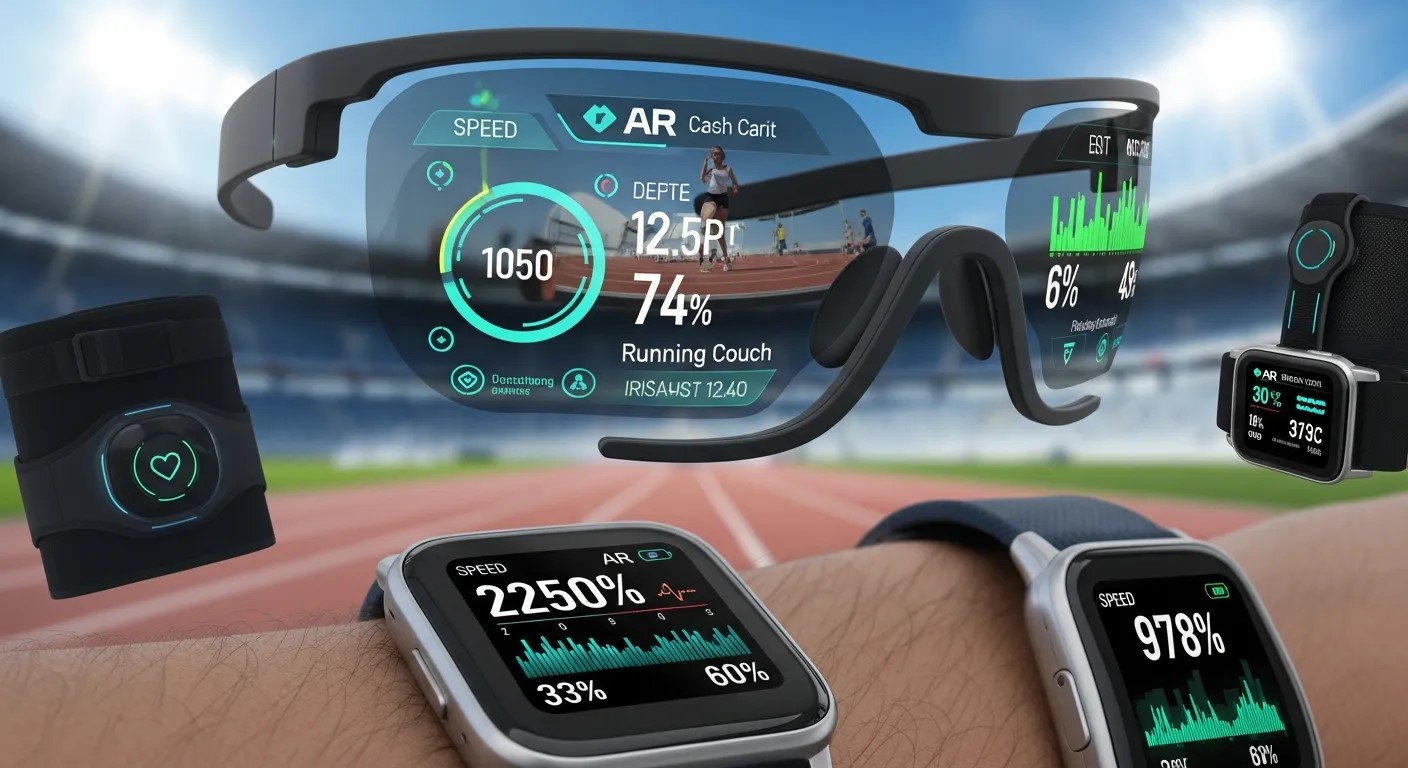
The integration of AR Sports Technology with wearable devices is revolutionizing how athletes train, monitor performance, and interact with data. Smart glasses, AR-enabled helmets, and sensor-equipped jerseys allow athletes to receive real-time feedback on movement, speed, and physiological metrics. For example, cyclists can see their power output and optimal route projections through AR displays, while football players can track positioning and defensive gaps live during practice sessions.
Wearables also enhance fan engagement. Spectators can use AR-enabled smart glasses or mobile apps to overlay player statistics, heat maps, and tactical visuals during live games. The combination of wearables and AR creates a seamless bridge between the physical action and digital insights, making both training and viewing experiences highly immersive.
AI Synergy with AR Sports Technology
Artificial intelligence and AR Sports Technology are creating intelligent systems capable of delivering predictive insights and personalized experiences. Machine learning algorithms analyze historical game data, player statistics, and real-time events to generate actionable predictions. This allows coaches to design more effective strategies and helps fans understand likely outcomes in a visually compelling way.
Furthermore, the integration of AI Chatbot Learning Resources with AR platforms enables interactive tutorials, training guides, and fan support. Chatbots can provide step-by-step instructions on how to use AR features, explain in-game analytics, and suggest personalized AR experiences. This AI-AR synergy is transforming both the operational and experiential aspects of sports, making technology an indispensable part of modern athletics.
Global Adoption of AR Sports Technology
Adoption of AR Sports Technology is growing worldwide, with leagues and organizations in North America, Europe, and Asia leading the charge. Major football, basketball, and tennis leagues are integrating AR to enhance fan experience, optimize player training, and unlock new revenue streams. In emerging markets, AR provides opportunities to engage younger audiences who consume sports primarily through digital channels.
The accessibility of mobile devices and AR-enabled apps has lowered the barrier to entry, allowing smaller teams and local leagues to implement technology previously reserved for elite organizations. This democratization ensures that AR’s benefits—ranging from tactical analysis to interactive fan engagement are no longer confined to top-tier sports.
AR Sports Technology in Sports Medicine
AR in Healthcare is increasingly applied in sports medicine, particularly in injury prevention, rehabilitation, and recovery monitoring. Physical therapists use AR overlays to guide athletes through precise rehabilitation exercises, ensuring correct form and movement patterns. Motion tracking and real-time visual feedback help reduce the risk of re-injury and accelerate recovery times.
Medical teams can also leverage AR to simulate high-risk scenarios in a safe environment, allowing athletes to mentally rehearse and build muscle memory without physical strain. This integration of AR and healthcare intelligence demonstrates how technology is not only enhancing performance but also extending athletic careers and improving long-term wellbeing.
AR in Stadium Experience and Ticketing
Modern stadiums are embracing AR Sports Technology to enhance the fan journey from entry to exit. AR-enabled ticketing apps provide interactive maps, guide fans to seats, and highlight amenities like concessions and restrooms. Fans can scan QR codes to unlock exclusive AR content, such as 3D replays, player interviews, and behind-the-scenes footage.
This technology also allows teams to gamify the stadium experience. Fans can participate in AR scavenger hunts, trivia challenges, or virtual meet-and-greets, creating an entertainment ecosystem beyond the actual game. By integrating AR Entertainment Experiences, stadiums become more than venues—they evolve into immersive entertainment hubs that extend the value of each ticket.
AR Sports Technology and Sponsorship Analytics
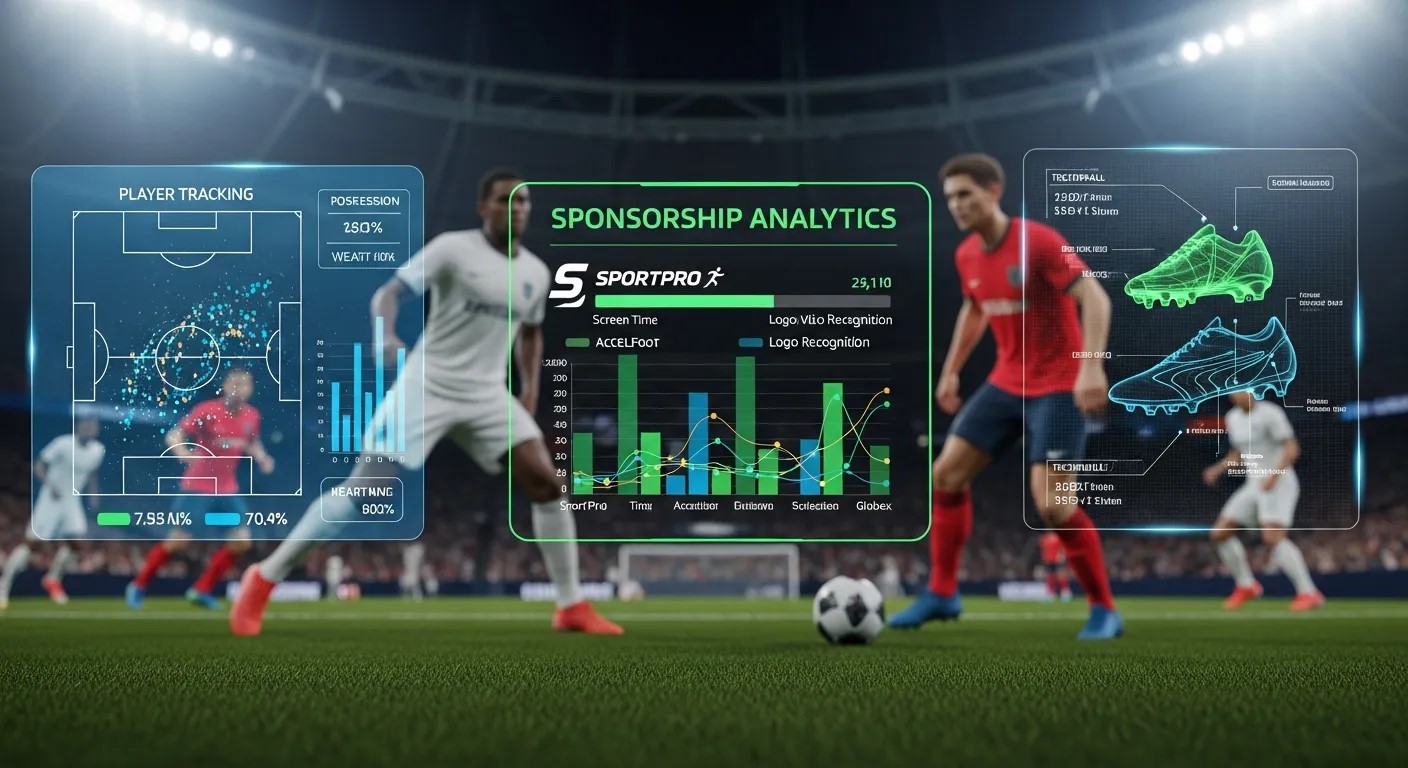
Sponsors increasingly rely on AR campaigns to gain measurable insights into fan behavior. Interactive AR promotions provide engagement metrics far beyond traditional advertisements. Fans interacting with branded AR content can be tracked for click-through rates, time spent, and social sharing, giving sponsors tangible ROI data.
Additionally, B2B and B2C Chatbot integrations within AR experiences guide users through campaigns, answer product questions, and facilitate seamless purchases. This combination ensures that sponsorship efforts are not only seen but actively engaged with, providing value for both the brand and the sporting organization.
AR Sports Technology Impact Across Key Areas
| Area | AR Application | Key Benefits |
|---|---|---|
| Athlete Training | Real-time performance overlays | Enhanced skill development & strategy |
| Fan Engagement | Interactive stats, holograms | Deeper immersion and loyalty |
| Sports Medicine | Rehabilitation guidance, injury simulation | Faster recovery & reduced re-injury risk |
| Stadium Experience | AR maps, gamified challenges | Enhanced entertainment & venue engagement |
| Sponsorship & Marketing | Interactive branded campaigns | Measurable engagement & ROI |
| Broadcasting & Analytics | Tactical overlays & predictive insights | Data-driven decision-making & viewer insights |
Conclusion
AR Sports Technology is reshaping every aspect of sports—from training and injury prevention to fan engagement and broadcasting. By combining immersive AR experiences with AI-driven insights, athletes gain strategic advantages while fans enjoy interactive, personalized viewing. Stadiums, eSports arenas, and mobile platforms are leveraging AR to create unforgettable entertainment, while brands benefit from measurable engagement through innovative sponsorships. The integration of AR in healthcare, wearables, and data analytics demonstrates that this technology is not just a trend but a transformative force in sports. As adoption grows globally, AR promises a future where games are smarter, safer, and more immersive for everyone involved.
Frequently Asked Questions (FAQ)
What is AR Sports Technology?
AR Sports Technology uses augmented reality to overlay digital information on real-world sports environments, enhancing training, fan engagement, and broadcasting experiences.
How does AR improve athlete performance?
AR provides real-time feedback, tactical simulations, and motion tracking, allowing athletes to train efficiently, reduce injury risk, and optimize performance.
Can fans use AR at home?
Yes, AR enables remote fans to access live stats, 3D visualizations, and immersive experiences through mobile apps or AR-enabled devices.
How are brands using AR in sports?
Sponsors integrate AR campaigns, gamified content, and interactive advertisements to engage fans, track metrics, and boost ROI.
Is AR Sports Technology used in healthcare?
Yes, AR assists in injury prevention, rehabilitation, and recovery monitoring, helping athletes maintain peak performance while reducing long-term risks.