AR glasses benefits include productivity, immersive experiences, learning enhancement, and health applications. Coupled with AI and AR innovations, these devices transform daily life, professional work, and entertainment, proving their growing relevance and value in modern technology ecosystems.
AR Glasses Benefits: Are They Worth Your Investment?
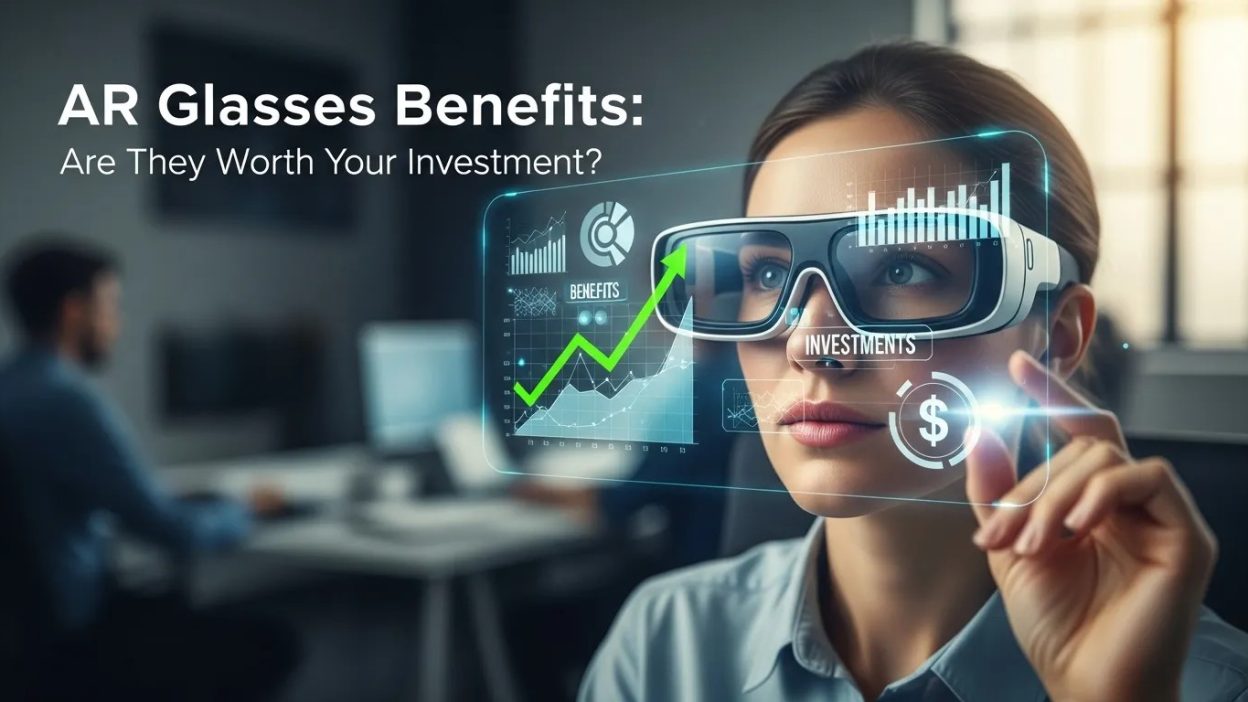
Augmented Reality (AR) has steadily transformed the way we interact with the digital world, and AR glasses benefits are becoming increasingly evident for both personal and professional applications. Unlike traditional screens, AR glasses overlay digital information directly onto the physical environment, offering a seamless blend of reality and virtual content. For anyone considering investing in this technology, understanding its tangible advantages is crucial.
Enhanced Productivity and Workflow
One of the most compelling AR glasses benefits is the enhancement of productivity across multiple sectors. Professionals can access real-time data, collaborate virtually, and navigate complex tasks without being tethered to traditional monitors. In industrial settings, AR glasses allow workers to visualize schematics, instructions, or equipment diagnostics directly in their line of sight. This hands-free approach reduces errors and accelerates learning curves, making day-to-day operations significantly more efficient.
Moreover, AR intelligence integrated into these devices can provide contextual suggestions. For example, in warehouse management, AR glasses can highlight the fastest picking routes, track inventory, and even alert staff to potential hazards. This intelligent overlay of information transforms mundane tasks into optimized workflows, emphasizing how AR glasses benefits extend beyond novelty into practical, measurable improvements.
Revolutionizing Entertainment and Experiences
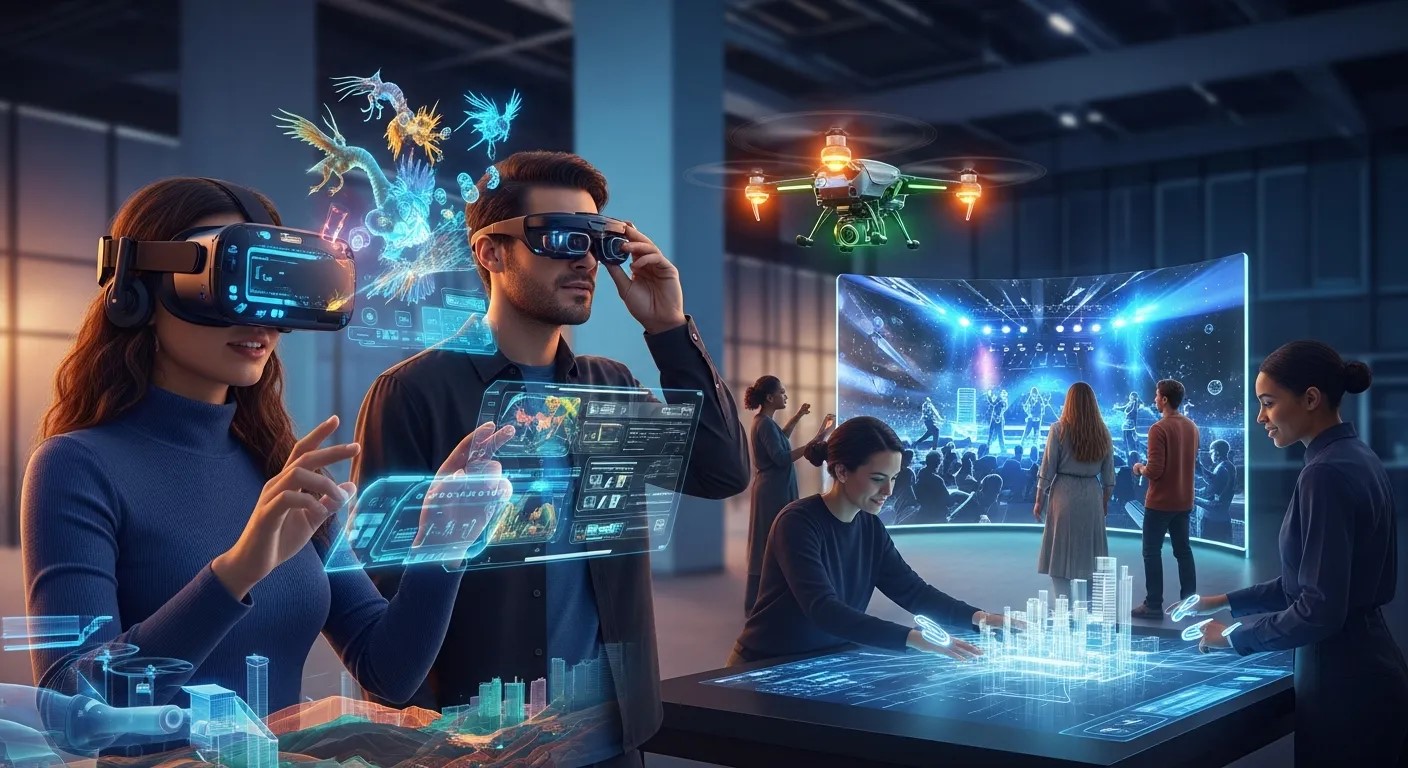
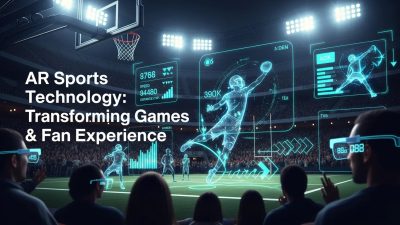
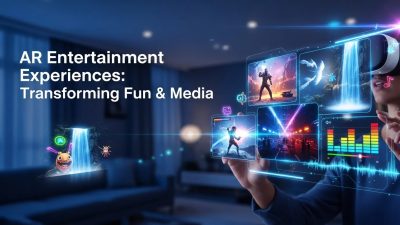
Beyond productivity, AR glasses are reshaping entertainment landscapes. Music fans attending live shows can enjoy AR in music festivals by seeing enhanced stage effects, digital overlays, and interactive visuals, creating a multisensory experience that traditional viewing cannot replicate. Similarly, sports enthusiasts can leverage AR sports technology to access live stats, player tracking, and immersive replays directly in their field of vision, elevating how audiences engage with their favorite games.
The fusion of physical events with augmented digital content allows brands and event organizers to craft experiences that are both memorable and personalized. For users, this represents a direct AR glasses benefit—the ability to interact with content in ways previously confined to imagination or large screens.
Learning and Skill Development
Education and training are other areas where AR glasses benefits stand out. In professional training environments, AR can simulate real-world scenarios, enabling learners to practice skills safely and efficiently. For instance, medical students can overlay anatomical diagrams onto cadavers or AR mannequins, enhancing comprehension and retention. Technical apprentices can receive step-by-step visual instructions on complex machinery without constant supervision.
Additionally, the combination of AI chatbot learning resources with AR glasses allows learners to receive interactive guidance and instant feedback. This blended approach not only accelerates skill acquisition but also fosters independent problem-solving, highlighting another key advantage of investing in AR technology.
Remote Collaboration and Communication
In today’s hybrid work environment, remote collaboration is essential. AR glasses facilitate immersive meetings where participants can see shared 3D models, annotations, or virtual whiteboards in their own space. This hands-free interaction reduces cognitive load and encourages natural communication flow, making remote teamwork feel closer to in-person collaboration.
B2B and B2C organizations are increasingly leveraging these features to enhance client interactions. For example, design firms can present architectural models in a client’s actual environment, while e-commerce companies can allow customers to virtually try products before purchase. This seamless integration demonstrates that AR glasses benefits are not confined to niche applications—they have broad, scalable relevance across industries.
Gaming and Interactive Content
The gaming industry has been an early adopter of AR, and the expansion into AR glasses represents a major leap forward. Players can experience immersive environments without relying on handheld devices, with real-world surroundings integrated into gameplay. The potential for location-based games and social experiences makes this technology uniquely engaging.
Furthermore, developers are beginning to explore AR hologram technology, allowing virtual characters and objects to appear lifelike in physical spaces. This advancement increases the realism and interactivity of AR games, adding significant value for consumers considering the investment in AR glasses.
Health and Wellness Applications
Health-focused applications are emerging as another critical area of AR glasses benefits. From posture correction and exercise guidance to real-time visual reminders for medication, these devices offer practical support for wellness routines. Physical therapists can use AR overlays to correct patients’ movements, while cognitive therapy programs can leverage interactive AR scenarios to stimulate mental health improvement.
By integrating AR into daily wellness practices, users can gain more personalized, actionable insights than what standard screens or apps provide, emphasizing the tangible utility of AR glasses.
Professional Fields: Architecture, Engineering, and Design
Architects and engineers have discovered that AR glasses enhance visualization during project planning and execution. Complex models can be viewed in situ, allowing teams to identify design flaws or spatial conflicts before construction begins. Similarly, interior designers can virtually stage furniture and decor, offering clients a realistic preview of outcomes.
The combination of AR intelligence and real-time spatial mapping makes these applications highly practical, underscoring that AR glasses benefits extend far beyond entertainment they can directly impact efficiency, accuracy, and client satisfaction in professional fields.
Consumer Convenience and Daily Life Integration
One of the most practical aspects of AR glasses benefits lies in their ability to seamlessly integrate into daily routines. From navigation assistance to instant access to notifications, users can streamline their day without constantly checking smartphones. Directions, reminders, and real-time alerts appear in the line of sight, reducing distractions and improving efficiency.
For travelers, AR glasses provide context-aware information such as historical details about landmarks, restaurant recommendations, or even language translations. This real-world overlay demonstrates that AR glasses benefits go beyond entertainment—they enhance lifestyle convenience in ways traditional devices cannot.
Retail and Shopping Transformation
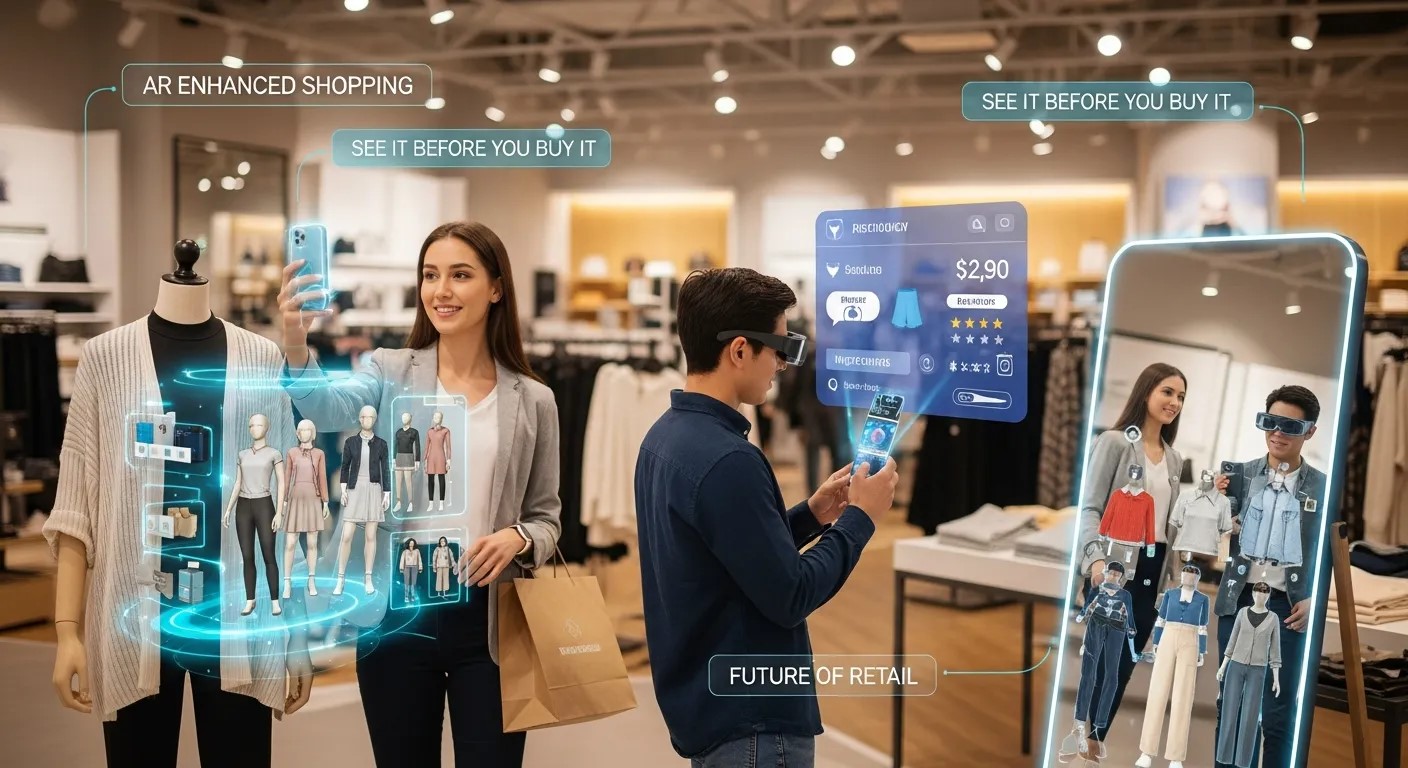
Retail experiences are being transformed by the subtle yet powerful impact of AR glasses benefits. Shoppers can virtually try on clothing, eyewear, or accessories using AR-enabled mirrors or apps integrated with glasses. Furniture and home décor can be previewed in actual spaces, allowing customers to make more informed purchasing decisions.
Brands leveraging this technology are discovering that consumers engage more deeply with products when immersive experiences are available. AR glasses also support B2B and B2C chatbot interactions by overlaying personalized shopping guidance, which further enhances decision-making. These silent integrations demonstrate how AR glasses benefits directly influence consumer behavior and satisfaction.
AR in Music Festivals and Live Events
Another exciting application of AR glasses benefits is in entertainment, particularly live events. Attendees can experience AR in music festivals, where visuals, lyrics, or interactive elements appear in sync with performances. Fans can engage with artists in new ways, such as virtual meet-and-greets or dynamic stage effects, amplifying overall enjoyment.
This level of engagement shows that the value of AR extends beyond personal utility to creating shared, memorable experiences. The ability to combine physical attendance with digital augmentation is a subtle but powerful AR glasses benefit that event organizers are increasingly recognizing.
Sports and Fitness Enhancement
Sports enthusiasts can access AR sports technology to improve performance and engagement. Whether tracking player movements, overlaying tactical instructions, or providing instant statistics, AR glasses offer insights that enhance both training and spectator experiences.
For amateur athletes, personalized AR feedback can correct posture, refine technique, and monitor progress over time. Integrating AR intelligence ensures that data is not only visualized but also analyzed in real time, giving users actionable recommendations. Clearly, AR glasses benefits extend to the domain of health, wellness, and athletic performance, making them valuable tools for a wide audience.
Education and Knowledge Retention
In academic and professional learning environments, AR glasses benefits are particularly notable. Students can explore complex topics using interactive visualizations, from molecular structures to historical reconstructions. Technical apprentices can learn machinery operation with visual overlays guiding each step, reducing errors and increasing confidence.
Coupled with AI chatbot learning resources, AR glasses provide contextual assistance, adaptive challenges, and instant feedback. This combination of AR and AI creates a unique, immersive learning ecosystem. The cumulative effect underscores that AR glasses benefits are not just convenience—they actively enhance comprehension, retention, and skill development.
Collaborative Workspaces and Remote Assistance
The integration of AR glasses into remote collaboration is another significant advantage. Teams can interact with shared 3D models, diagrams, and annotations as if co-located, even from different continents. This is especially relevant for industries like architecture, engineering, and product design, where precision and visualization are critical.
Companies leveraging these capabilities also benefit from B2B and B2C chatbot integration, which facilitates guided workflows and real-time problem-solving. Such features demonstrate that AR glasses benefits are transformative for both internal team efficiency and client-facing operations.
Emerging AR Hologram Technology
An emerging area where AR glasses benefits are becoming increasingly visible is AR hologram technology. Users can visualize virtual objects or characters as lifelike 3D projections in physical spaces. This has implications for gaming, education, live events, and remote collaboration.
For example, holographic demonstrations can replace traditional slides during meetings, while gamers can experience avatars interacting naturally with their environment. As this technology matures, the potential for AR glasses benefits will expand dramatically, offering immersive experiences that were once purely science fiction.
Travel and Tourism Experiences
Travelers are discovering AR glasses benefits through enhanced navigation and location-specific content. Augmented overlays can highlight points of interest, provide historical context, or offer interactive guides for sightseeing.
Tour operators are integrating AR with personalized recommendations, enabling tourists to experience destinations in novel ways. The combination of contextual information, interactive maps, and guided experiences illustrates how AR glasses benefits extend into real-world exploration, creating a new dimension for travel experiences.
Advanced Professional Applications
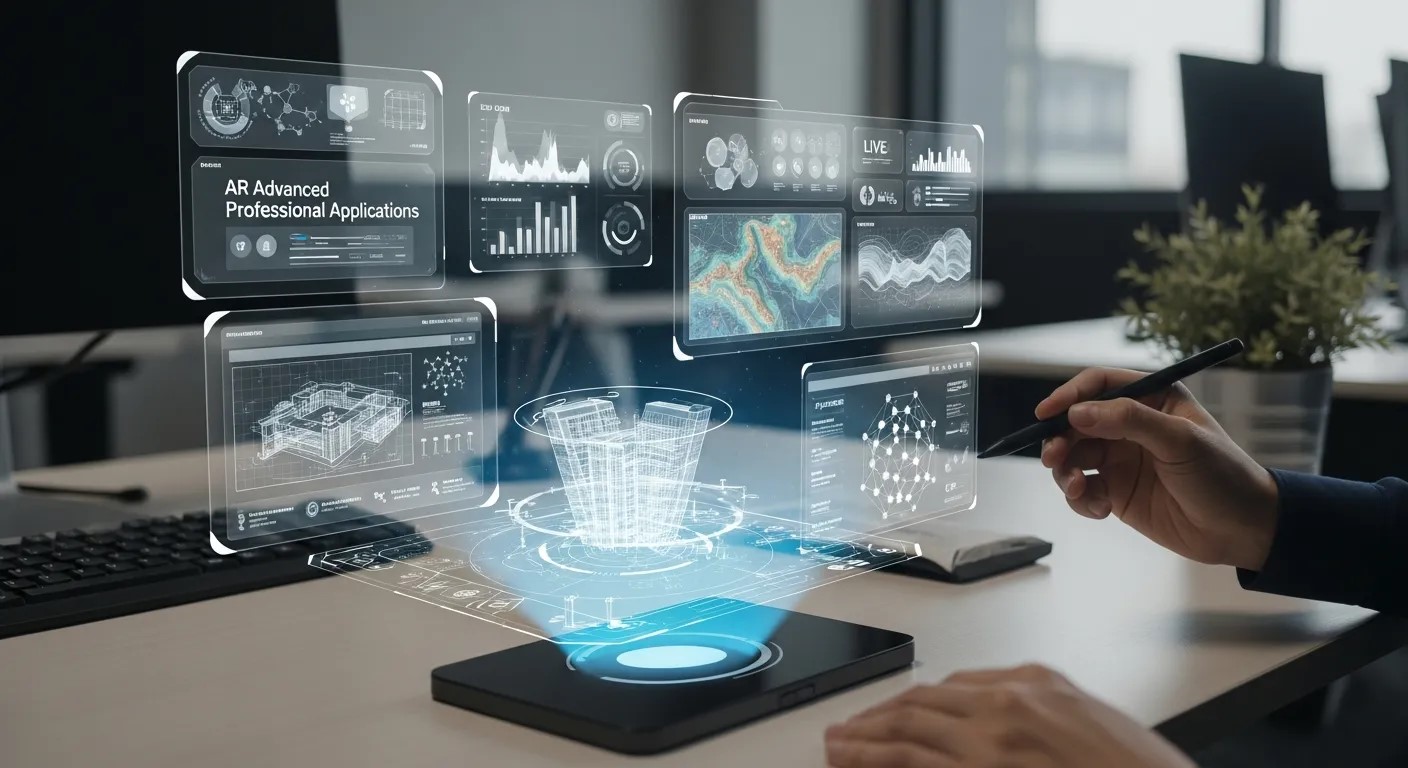
The professional landscape is rapidly evolving with AR glasses benefits reaching sectors like healthcare, architecture, engineering, and industrial design. Surgeons can overlay patient scans directly onto the body, allowing for precise planning and reduced error rates. Similarly, engineers and architects can visualize 3D models in real-world environments, identifying structural issues or design misalignments before actual construction begins.
The integration of AR intelligence further enhances these professional applications. Smart overlays can suggest adjustments, flag potential risks, and even simulate alternative scenarios. By doing so, AR glasses serve as more than a viewing device—they become an indispensable tool for efficiency, accuracy, and decision-making. These applications demonstrate that AR glasses benefits are tangible, measurable, and increasingly essential in high-stakes industries.
Gaming and Interactive Media Evolution
Gaming has long been a proving ground for AR technology, and AR glasses benefits in this arena are immense. Unlike traditional devices, AR glasses immerse players in interactive environments that blend digital objects with real-world settings. Location-based games gain a new dimension, where users navigate actual streets while engaging with virtual challenges.
Emerging AR hologram technology adds another layer, bringing characters and objects into physical spaces. This capability transforms gaming into an interactive, multi-sensory experience. Social gaming also benefits, as AR glasses allow players to share environments and objects, fostering collaborative play without traditional hardware limitations. Clearly, the entertainment sector is a major beneficiary of AR technology.
Cultural and Social Impact
The adoption of AR in everyday social interactions highlights further AR glasses benefits. From enhancing cultural experiences to changing how audiences engage with media, AR glasses allow users to overlay content onto public spaces, events, and social gatherings. For instance, museums can provide contextual AR overlays explaining exhibits, while urban tours can display historical reconstructions in situ.
The influence of AR in music festivals also illustrates the social potential of this technology. Attendees can engage with digital effects, follow interactive narratives, or access exclusive content during live performances. These integrations highlight how AR glasses can create shared, immersive experiences that deepen engagement and participation.
Consumer Technology Integration
For the average consumer, AR glasses benefits include enhanced convenience, accessibility, and interactivity. Users can manage smart home devices, navigate cities, or receive real-time updates seamlessly. Daily routines become more efficient as notifications, directions, and relevant data are presented directly in the field of view.
Retail environments are also adapting. Shoppers can try products virtually, from furniture to fashion, creating a more informed and satisfying purchasing experience. Integration with B2B and B2C chatbot solutions allows for personalized guidance, demonstrating that AR glasses are not just entertainment tools—they provide real value in everyday decision-making and lifestyle enhancement.
Medical and Healthcare Innovations
Healthcare continues to see significant AR glasses benefits, particularly in diagnostics, surgery, and patient care. Surgeons can visualize anatomy overlaid on patients during procedures, reducing errors and improving outcomes. Physical therapists can guide exercises with precise visual cues, while cognitive therapy can use AR scenarios for patient engagement and rehabilitation.
The integration of AI chatbot learning resources in healthcare settings allows professionals and patients alike to receive instant, interactive guidance. This combination of AR and AI represents a transformative approach to medical training, patient support, and overall care quality.
Education and Knowledge Sharing
Educational institutions are adopting AR to enhance learning experiences, further emphasizing AR glasses benefits. Students can explore complex subjects interactively, such as chemistry structures, historical events, or mechanical systems. Technical apprentices can follow step-by-step visual instructions for machinery operation, reducing the need for direct supervision.
When combined with AI chatbot learning resources, learners can receive contextual assistance and adaptive challenges. This integration enhances comprehension, retention, and skill development, proving that AR glasses are not merely a tech novelty but an effective educational tool.
Travel, Tourism, and Real-World Exploration
Travelers increasingly benefit from AR glasses benefits through navigation assistance, real-time translations, and contextual information about their surroundings. Historic sites, city tours, and attractions can come alive with digital overlays, enriching the visitor experience.
Tour operators and guides can integrate AR with personalized recommendations, creating immersive experiences tailored to individual preferences. These capabilities show that AR glasses are not just a gadget—they are tools that redefine how people explore, learn, and engage with the world.
Future Prospects and Emerging Trends

The future of AR glasses is promising, with emerging trends set to enhance AR glasses benefits even further. Integration with AR hologram technology, more advanced AR intelligence, and wider compatibility with AI-driven systems is expanding the range of applications.
Companies are exploring AR for retail, healthcare, entertainment, and education, while consumers increasingly seek devices that enhance convenience, productivity, and experience. As adoption grows, the technology will become more affordable and integrated into daily life, solidifying AR glasses as a worthwhile investment.
Conclusion
AR glasses benefits extend far beyond novelty, offering tangible advantages across productivity, entertainment, education, healthcare, and social experiences. From real-time overlays to immersive gaming and professional applications, these devices enhance efficiency, engagement, and learning. Integration with AI-driven tools and B2B and B2C chatbot systems further amplifies their utility. While adoption costs remain a consideration, the long-term value in convenience, personalization, and immersive interaction positions AR glasses as a worthwhile investment. As AR hologram technology and AR intelligence continue to evolve, the potential benefits will expand, making this technology an essential tool for both personal and professional use.
Frequently Asked Questions (FAQ)
Are AR glasses worth buying?
Yes, the benefits in productivity, education, entertainment, and social experiences make them a valuable investment for both personal and professional use.
How do AR glasses improve learning?
They provide interactive overlays, guided instructions, and integration with AI chatbot learning resources for enhanced comprehension and skill retention.
Can AR glasses be used in healthcare?
Absolutely. AR glasses assist in surgery, therapy, patient monitoring, and training, improving accuracy and engagement.
Do AR glasses work for gaming and entertainment?
Yes, AR glasses enable immersive gaming, interactive media, live events, and AR in music festivals, offering unique experiences beyond traditional screens.
Are AR glasses future-proof?
With emerging AR hologram technology and AR intelligence, their applications are expanding rapidly, making them increasingly relevant and valuable for long-term use.