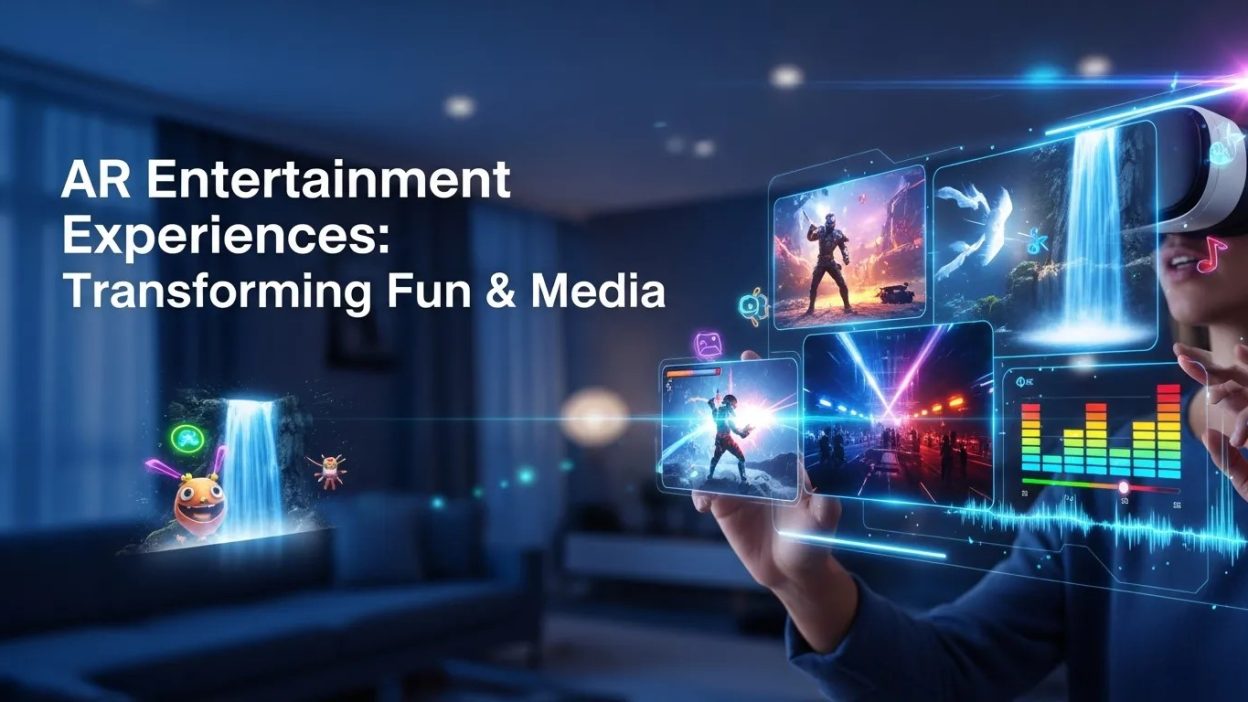
AR Entertainment Experiences transform fun and media through interactive storytelling, AI-driven personalization, and holographic innovations. From gaming to education, marketing, and live events, AR blends reality with digital content, delivering unforgettable, immersive, and engaging experiences for users worldwide.
The Rise of AR Entertainment Experiences
The digital landscape is evolving at an unprecedented pace, and at the forefront of this revolution is augmented reality. AR Entertainment Experiences are reshaping how audiences engage with media, games, and live events. Unlike traditional entertainment forms, AR seamlessly merges the digital and physical worlds, creating immersive experiences that captivate users on a personal level. From interactive concerts to location-based gaming, the possibilities are endless, and the demand for these experiences is skyrocketing.
In recent years, AR has expanded beyond novelty applications, entering mainstream entertainment platforms. Developers and creators are leveraging the technology to design content that responds to the environment and user actions. This interactivity not only enhances engagement but also transforms the way stories are told. For example, imagine attending a music festival where AR overlays bring the stage to life with holographic dancers and dynamic visual effects. Such experiences are no longer confined to the imagination; they are a tangible part of AR Entertainment Experiences.
How AR is Changing Media Consumption
Traditional media consumption has always been passive—watching, listening, or reading content. AR Entertainment Experiences, however, invite users to actively participate. This shift in engagement is significant for both creators and audiences. Users can now interact with characters, manipulate environments, or even influence story outcomes. By bridging the gap between reality and virtual content, AR creates a more memorable and personalized experience.
Streaming platforms and social media networks are adopting AR tools to enhance user engagement. For instance, integrating AR in Social Media allows audiences to create and share immersive content effortlessly. Filters, interactive games, and AR-driven effects are becoming standard features that transform passive scrolling into interactive exploration. This technological convergence illustrates how AR Entertainment Experiences are no longer a niche but a vital part of modern digital interaction.
AR Hologram Technology in Live Events
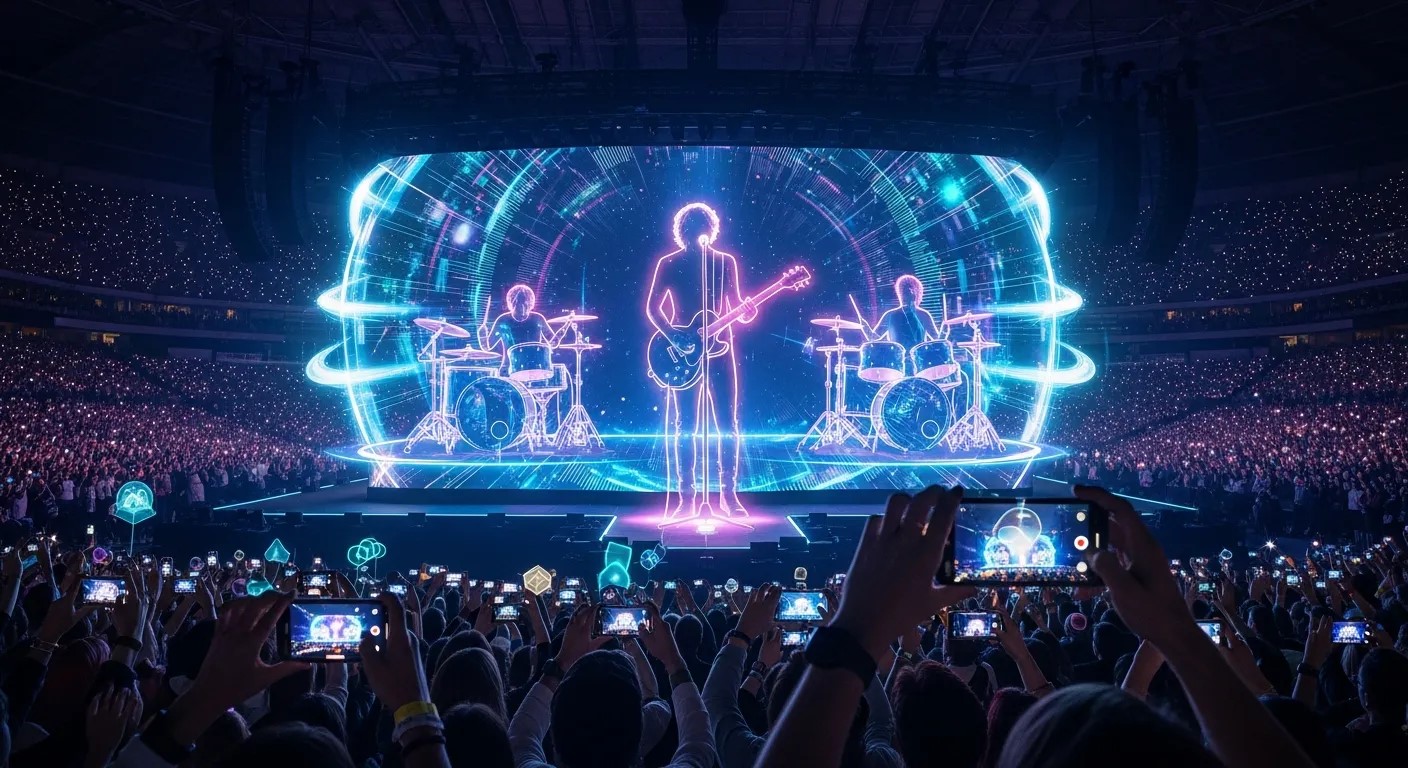
One of the most visually striking applications of AR Entertainment Experiences is the use of AR Hologram Technology in live performances. Artists, performers, and event organizers are embracing this technology to craft shows that defy physical limitations. Holographic projections can appear alongside live performers, creating a multidimensional spectacle. Concert-goers can witness their favorite artists performing virtually in multiple locations simultaneously, breaking traditional geographical boundaries.
The implications of AR Hologram Technology extend beyond music. Theater productions, sports events, and even educational demonstrations are integrating holographic elements to enrich audience engagement. By blending real-time interactions with augmented visuals, these experiences offer a unique fusion of reality and imagination. Audiences are no longer spectators but active participants, navigating through immersive environments that stimulate multiple senses simultaneously.
Gaming and Interactive Experiences
AR Entertainment Experiences have profoundly transformed the gaming industry. Mobile AR games, such as location-based adventures, encourage players to explore real-world environments while interacting with digital elements. This combination of physical and virtual engagement elevates the gaming experience, creating challenges that are both mentally and physically stimulating. Unlike traditional games confined to screens, AR games integrate the surrounding environment, offering endless opportunities for creativity and exploration.
Moreover, AR is influencing the design of new game narratives. Developers are incorporating real-world landmarks, spatial mapping, and context-aware elements to craft immersive storylines. By leveraging AR Intelligence, games can adapt dynamically to player behavior, enhancing replay value and user satisfaction. This intelligent integration of data and environmental awareness is setting new benchmarks for what entertainment can achieve in the digital era.
AR in Healthcare Meets Entertainment
While AR in Healthcare is primarily associated with medical training, patient care, and therapy, its intersection with entertainment is emerging in innovative ways. For instance, gamified rehabilitation programs use AR to motivate patients through interactive exercises, turning physical therapy into engaging experiences. Similarly, educational platforms are creating immersive simulations where users learn about anatomy or medical procedures while interacting with AR-driven environments.
This crossover illustrates the versatility of AR Entertainment Experiences. By combining entertainment with practical applications, AR can deliver meaningful experiences that educate, entertain, and empower simultaneously. The convergence of fun and utility is a defining feature of modern AR innovations, demonstrating the technology’s broad potential.
AI-Powered AR: Chatbots and Learning Resources
AR Entertainment Experiences are no longer limited to visuals and interactivity—they are increasingly powered by artificial intelligence. One exciting development is the integration of AI Chatbot Learning Resources within AR platforms. These chatbots provide guidance, tutorials, and personalized assistance while users navigate immersive environments. For instance, in AR-driven gaming or museum tours, AI chatbots can answer questions, offer tips, or even suggest new ways to interact with the experience.
This blend of AR and AI enhances user engagement by creating adaptive and responsive environments. Users feel guided and supported without breaking immersion, making learning and entertainment seamless. Gamified learning modules in AR applications are a prime example—educational content becomes interactive and engaging, turning passive observation into active participation. By leveraging AI Chatbot Learning Resources, developers ensure that experiences are both enjoyable and intellectually stimulating.
Student Engagement Chatbots in Entertainment Platforms
Beyond individual experiences, AR Entertainment Experiences are influencing business interactions. Student Engagement Chatbots integration in entertainment apps allows companies to connect with audiences in real-time. For example, ticketing platforms or streaming services can provide AR-driven recommendations, personalized event previews, or interactive customer support. These chatbots operate behind the scenes, enhancing user satisfaction without disrupting the immersive experience.
Moreover, businesses can analyze AR user behavior data to optimize content delivery. By understanding how users engage with AR elements, companies can tailor entertainment offerings, improve event experiences, and increase retention. The combination of AR and chatbot intelligence represents a new frontier in audience engagement, blending entertainment with strategic business insights.
AR in Retail and Interactive Marketing
AR Entertainment Experiences are transforming marketing strategies and retail engagement. Brands now employ AR to create immersive advertising campaigns that allow consumers to interact with products in a digital-physical hybrid environment. Virtual try-ons for fashion, AR product demos, and interactive promotional games exemplify how AR can turn passive shoppers into active participants.
For instance, using AR in Social Media campaigns, marketers can encourage users to share interactive experiences online, organically extending reach and engagement. This immersive approach strengthens brand recall, drives conversions, and fosters loyalty. When combined with gamification and AI-driven personalization, AR experiences in retail become more than just marketing—they become an entertainment medium that captivates consumers while delivering measurable business outcomes.
AR in Film and Storytelling
The film and entertainment industry is also embracing AR Entertainment Experiences to redefine storytelling. Filmmakers are experimenting with AR overlays, interactive plot elements, and location-based narratives that invite viewers to explore scenes beyond the screen. By merging physical surroundings with cinematic content, audiences gain a sense of agency, blurring the line between spectator and participant.
For example, AR-enabled movie promotions allow fans to unlock hidden scenes, interact with characters, or experience immersive trailers. Integrating AR Intelligence ensures that content adapts to user interactions, creating a personalized narrative journey. This innovative storytelling method enhances engagement, builds community excitement, and introduces new monetization opportunities for studios and creators.
Educational Entertainment with AR
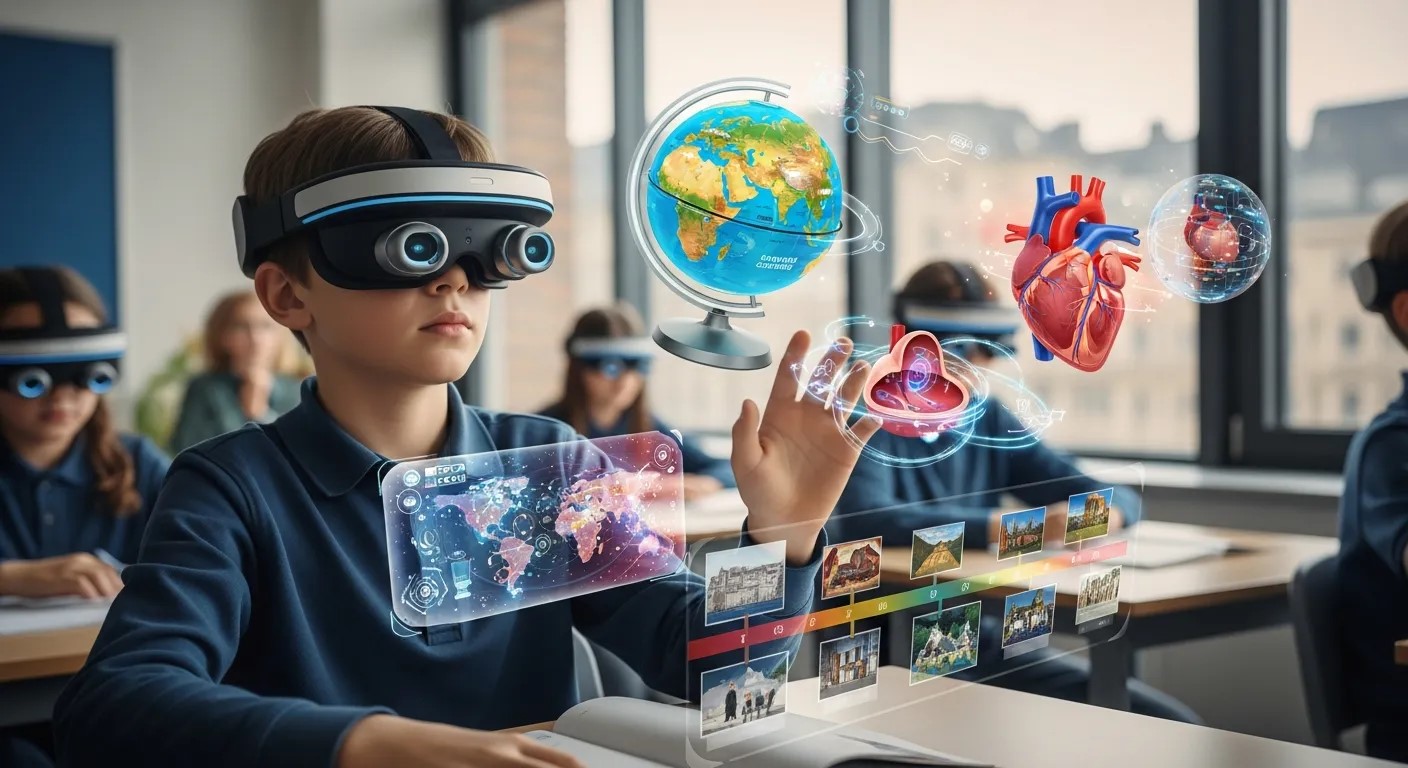
AR Entertainment Experiences are particularly effective in educational contexts, making learning interactive and memorable. AR simulations, interactive exhibits, and gamified learning environments combine fun and knowledge. Students can explore historical sites virtually, dissect digital models in science labs, or engage in scenario-based learning that encourages critical thinking.
Educational platforms are increasingly incorporating AI Chatbot Learning Resources to guide learners through these experiences. The combination of AR and AI fosters curiosity, maintains attention, and improves information retention. By turning learning into an entertainment-driven experience, AR is redefining the boundaries of both education and fun, proving that immersive technologies can have a profound impact across sectors.
AR in Live Events and Concerts
Live events, from music concerts to theater performances, are being revolutionized by AR Entertainment Experiences. Attendees no longer simply watch a performance; they interact with it. AR overlays can add immersive visuals to stages, create virtual fireworks, or bring holographic performers to life, offering experiences that blend the real and digital seamlessly.
Using AR Hologram Technology, artists can perform simultaneously in multiple locations, making concerts accessible to a global audience. Fans can even interact with AR content through mobile devices, customizing their view of the performance or participating in interactive segments. This level of engagement enhances emotional connection, driving higher audience satisfaction and repeat attendance.
Event organizers also leverage AR for audience analytics. By observing how attendees interact with AR elements, they can optimize stage design, content placement, and interactive opportunities. The result is not just entertainment but a data-informed experience that evolves with audience preferences.
AR in Sports and Fan Engagement
Sports entertainment is another sector where AR Entertainment Experiences are gaining momentum. Stadiums and broadcasters are implementing AR overlays to enhance fan engagement. Live stats, interactive replays, and player animations can appear on mobile devices or stadium screens, allowing fans to engage with the game beyond passive viewing.
AR in Social Media also complements live sports by enabling fans to share augmented experiences in real-time, from personalized filters to interactive challenges. Sports franchises can gamify engagement, offering rewards or challenges that deepen fan loyalty. By combining physical events with digital interactivity, AR transforms sports into a participatory spectacle rather than just a viewing experience.
Museums and Cultural Attractions
Museums, galleries, and cultural attractions are embracing AR Entertainment Experiences to make exhibits interactive and educational. Visitors can use AR-enabled devices to see historical figures come to life, explore 3D reconstructions of ancient artifacts, or participate in immersive storytelling experiences.
By incorporating AI Chatbot Learning Resources, museums guide visitors through exhibits, answer questions, and provide context dynamically. This blend of entertainment and education increases visitor engagement and encourages repeat visits. Unlike traditional exhibits, AR creates memorable, multi-sensory experiences that resonate long after the visit ends.
Theme Parks and Immersive Attractions
Theme parks are taking AR Entertainment Experiences to new heights. From AR-enhanced rides to interactive scavenger hunts across park grounds, visitors can explore digitally augmented worlds in real time. Augmented reality maps, immersive character interactions, and gamified attractions increase engagement while reducing traditional queue frustrations.
AR Intelligence plays a crucial role here, adapting experiences based on visitor behavior and preferences. For instance, if a visitor completes one AR challenge, the system can suggest the next optimal experience, creating a personalized journey through the park. This intelligent interactivity enhances satisfaction and encourages longer stays, benefiting both guests and operators.
The Future of AR Entertainment Experiences
Looking forward, AR Entertainment Experiences are set to become more sophisticated and accessible. Advances in AR glasses, spatial mapping, and mobile AR platforms will enable fully immersive experiences that seamlessly integrate with daily life. Streaming platforms, social media apps, and live events will increasingly leverage AR Hologram Technology to attract and retain audiences.
AR in Healthcare, education, and retail will continue to intersect with entertainment, offering experiences that are both enjoyable and functional. Gamified therapy, interactive learning, and immersive shopping experiences will blur the lines between entertainment, utility, and engagement.
The combination of AR Intelligence, AI Chatbot Learning Resources, and immersive storytelling promises a future where entertainment is no longer passive but a participatory, adaptive, and personalized experience for every user.
AR in Media Streaming and Interactive Shows
AR Entertainment Experiences are reshaping how audiences consume media content. Streaming platforms are experimenting with AR overlays to create interactive shows, where viewers can engage with storylines, characters, and environments. For example, viewers can explore alternate story paths, unlock hidden content, or interact with characters in real-time.
This interactivity encourages longer watch times and deeper engagement. Integrating AI Chatbot Learning Resources within streaming apps allows users to navigate content intuitively, get personalized recommendations, or receive contextual explanations, making entertainment both immersive and informative. The era of passive watching is fading; audiences now expect participatory experiences, and AR is enabling exactly that.
Virtual Influencers and Digital Celebrities
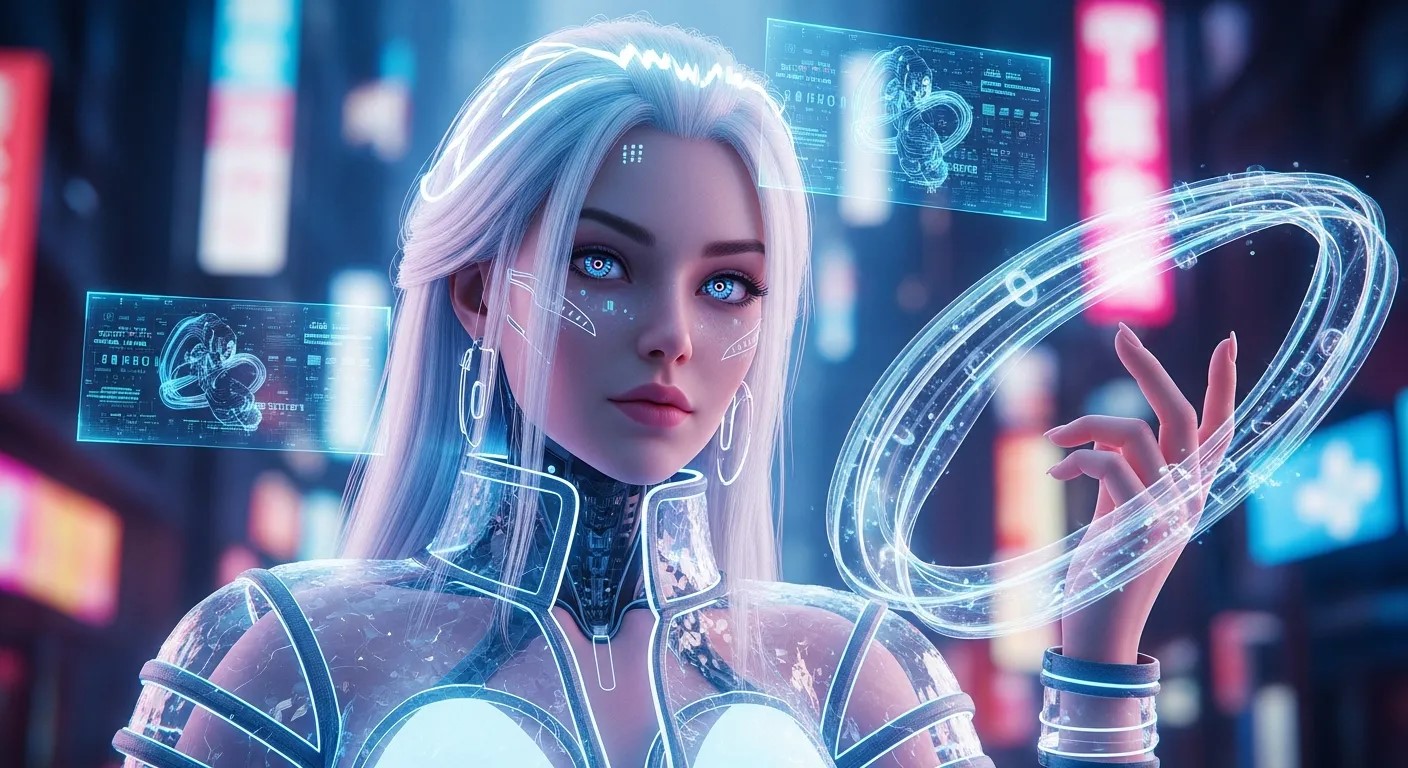
The rise of virtual influencers is another manifestation of AR Entertainment Experiences. These AI-driven digital personalities can appear in real-world environments through AR-enabled devices, participating in campaigns, performances, or social interactions. Brands and creators leverage these virtual celebrities to engage audiences in ways traditional marketing cannot.
AR in Social Media allows followers to interact with these personalities, attend AR-driven meet-and-greets, and experience content in an immersive, shareable format. The convergence of AR, AI, and entertainment has birthed a new category of influencer marketing, where engagement is both interactive and personalized.
Immersive Advertising and Brand Storytelling
Marketing strategies are also being revolutionized by AR. Immersive advertising campaigns leverage AR Entertainment Experiences to create interactive narratives that captivate audiences. Consumers can explore products virtually, participate in AR-driven games, or experience brand stories in a multisensory way.
Retailers and entertainment companies increasingly use AR Intelligence to tailor campaigns based on user behavior and preferences. For instance, a consumer exploring an AR product demo might be guided toward complementary items or interactive content based on their engagement patterns. By turning marketing into an experience rather than a broadcast, brands foster deeper emotional connections and increase conversion rates.
Cross-Industry Collaborations and Innovation
AR Entertainment Experiences are no longer confined to media and gaming—they are influencing multiple industries. Cross-industry collaborations, such as partnerships between entertainment studios, tech companies, and healthcare providers, are creating novel experiences. For instance, AR-driven wellness programs integrate gamification with therapeutic exercises, making health-focused entertainment both fun and beneficial.
Similarly, educational institutions and cultural organizations collaborate with AR developers to design interactive exhibits, virtual classrooms, and gamified learning experiences. These partnerships demonstrate the adaptability and broad potential of AR Entertainment Experiences, showing that the technology’s impact extends far beyond conventional entertainment.
Emerging Trends in AR Entertainment Experiences
The future of AR Entertainment Experiences is marked by continuous innovation. Key trends to watch include:
-
Wearable AR Devices: Lightweight AR glasses and headsets will offer hands-free immersive experiences.
-
Context-Aware Content: AR Intelligence will create adaptive experiences based on location, behavior, and preferences.
-
Social AR Integration: AR in Social Media will expand collaborative and shareable experiences among global communities.
-
Holographic Storytelling: AR Hologram Technology will enable interactive performances and live shows on unprecedented scales.
-
AI-Powered Personalization: AI Chatbot Learning Resources and predictive algorithms will tailor entertainment uniquely to each user.
These trends indicate that AR Entertainment Experiences will become increasingly seamless, intelligent, and integrated into daily life. From gaming and live events to education, retail, and healthcare, AR is redefining the boundaries of entertainment, making it immersive, interactive, and deeply engaging.
Conclusion
AR Entertainment Experiences are revolutionizing the way audiences engage with media, games, and live events. By seamlessly blending the digital and physical worlds, AR creates immersive, interactive, and personalized experiences that captivate users. From AR Hologram Technology in concerts to AI Chatbot Learning Resources in educational platforms, these experiences extend beyond entertainment, influencing retail, healthcare, and marketing. The integration of AR Intelligence ensures adaptability and responsiveness, making content smarter and more engaging. As AR continues to evolve, entertainment will shift from passive consumption to active participation, offering a future where immersive experiences are an everyday part of how we connect, learn, and enjoy media.
Frequently Asked Questions (FAQ)
What are AR Entertainment Experiences?
AR Entertainment Experiences use augmented reality to create interactive, immersive media, games, and live events, blending digital content with the physical world.
How is AR used in social media?
AR in Social Media allows users to create, share, and interact with filters, games, and interactive content for more engaging digital experiences.
What role does AR Hologram Technology play?
AR Hologram Technology enables virtual performers, objects, and interactive visuals in live events, concerts, and storytelling, enhancing audience immersion.
How is AI integrated into AR entertainment?
AI Chatbot Learning Resources and AR Intelligence personalize content, guide users, and adapt experiences dynamically, making entertainment more engaging and interactive.
Can AR Entertainment Experiences be used outside gaming?
Yes, AR extends to education, retail, healthcare, and marketing, offering interactive learning, immersive shopping, therapy, and brand engagement opportunities.
What is the future of AR Entertainment Experiences?
The future includes wearable AR devices, context-aware adaptive content, virtual influencers, holographic storytelling, and AI-driven personalization for highly immersive experiences.