
In today’s digital landscape, businesses are constantly seeking innovative ways to capture attention and foster genuine connections with their audience. Augmented reality (AR) has emerged as a transformative technology that blends virtual elements with real-world environments, creating immersive experiences that resonate deeply with consumers. By leveraging an AR marketing funnel, brands can guide prospects through a structured journey—from initial awareness to sustained loyalty—while measuring impact at every stage.
Rather than deploying isolated AR campaigns, companies adopting a funnel-based approach can ensure consistent engagement, higher conversion rates, and lasting advocacy. This guide will walk you through the five essential stages of an effective AR marketing funnel, providing actionable best practices, key performance metrics, and inspiring case studies. Whether you are a seasoned marketer or new to immersive technology, you will discover how to align strategy, tools, and content for maximum impact. Ready to elevate your brand experience? Let’s explore the roadmap to success with the AR marketing funnel.
Section 1: Awareness in the AR Marketing Funnel
Why Awareness Matters
The first stage of any funnel is about capturing attention. In the AR marketing funnel, awareness is critical because it introduces your brand’s immersive experience to a broad audience. Today, attention spans are shorter than ever, and traditional marketing messages often struggle to break through the noise. By incorporating interactive AR elements—such as branded filters or geofilters—you create shareable moments that spark curiosity. According to research from the National Institute of Standards and Technology, interactive media can boost brand recall by up to 70% compared with static content.
Top Awareness Tactics
- Social AR Filters: Develop custom face filters or world effects for platforms like Instagram and Snapchat. These encourage users to share branded content organically.
- Location-Based AR: Utilize geofilters or beacon-triggered AR when customers enter a store or event venue, creating a sense of exclusivity.
- WebAR Banners: Embed clickable AR experiences within your website or display ads. Eliminate app downloads by providing instant, browser-based access.
- Influencer Partnerships: Collaborate with AR-savvy creators who can showcase your immersive experiences to a relevant community.
- Event Activations: Deploy AR photo booths or scavenger hunts at trade shows and festivals, generating buzz and live social shares.
Tracking Awareness Metrics
Measuring success in the awareness stage requires monitoring impressions, reach, and initial engagement rates. Leverage analytics tools to capture:
- Impressions & Reach: Number of unique views your AR experience receives.
- Share Rate: Frequency users share the experience on social channels.
- Click-Through Rate (CTR): Percentage of impressions that lead to an AR launch.
Optimizing these metrics will lay a strong foundation for moving prospects deeper into the AR marketing funnel.
Section 2: Interest Through Immersive Engagement

Deepening Engagement
Once you’ve captured initial attention, the next goal is to spark genuine interest. In the interest stage of the AR marketing funnel, you shift from grabbing attention to encouraging active exploration. This encourages prospects to spend more time interacting with your brand, learning about product features, and envisioning real-world applications.
Key Interest-Boosting AR Experiences
- Virtual Try-Ons: Allow users to experiment with beauty products, eyewear, apparel, or accessories in real time. This interactive trial builds confidence and personal connection.
- 3D Product Visualization: Enable customers to place furniture, décor, or appliances within their own environment. This practical demonstration helps prospects evaluate fit and style.
- AR Storytelling: Craft multi-scene narratives that unfold as users interact with triggers. Story-driven AR can highlight brand values and product benefits more memorably.
- Educational Overlays: Offer informative guides or mini-tutorials layered on top of real-world objects. For instance, show maintenance tips for equipment or recipe suggestions for kitchenware.
- Gamified Interactions: Introduce simple AR-based games or challenges that align with your brand theme. Rewards or leaderboards can further motivate participation.
Measuring Interest Signals
To assess the effectiveness of interest-stage initiatives, focus on interaction depth:
- Session Duration: Average time users spend within the AR experience.
- Feature Engagement: Percentage of users interacting with multiple AR elements (e.g., try-on, visualization, tutorials).
- Return Visits: How often users come back to the AR experience after their initial interaction.
Strong performance in these indicators suggests prospects are moving confidently through the AR marketing funnel towards deeper consideration.
Section 3: Consideration with Personalized AR
Influencing Decision-Making
In the consideration stage of the AR marketing funnel, prospects compare options and seek reassurance before purchasing. Personalized AR experiences can deliver the detailed information and social proof needed to sway decisions. By tailoring content to individual preferences or behaviors, you address pain points directly and build trust.
Personalized AR Tactics
- Interactive Configurators: Offer AR-enabled product builders that adapt to user choices. Let customers mix and match colors, features, or materials in 3D.
- Live AR Assistance: Integrate chat or video support within the AR experience. A real-time guide can answer questions and reduce uncertainty.
- User-Generated Content: Encourage customers to share their own AR trials as testimonials. Authentic peer-to-peer content can significantly influence decision-makers.
- Side-by-Side Comparisons: Use AR overlays to highlight differences between product tiers or models, making features clear and comparable.
- Location-Specific Offers: Trigger exclusive promotions based on geolocation or past shopping behavior to make consideration feel more personalized.
Key Metrics for Consideration
Track metrics that reveal how effectively your AR experiences inform and persuade prospects:
- Comparison Engagement Rate: Percentage of users who interact with comparison or configurator tools.
- Assisted Interaction Rate: Users who engage with live support or FAQs within the AR funnel.
- Content Sharing: Volume of user-generated AR posts and testimonials.
Monitoring these indicators ensures your AR marketing funnel delivers the right information at the right time to steer prospects closer to conversion.
Section 4: Conversion with Frictionless AR Experiences
Sealing the Deal
The conversion stage of the AR marketing funnel focuses on turning engaged prospects into paying customers. Here, reducing friction and reinforcing purchase intent are paramount. Integrate secure, seamless purchase flows directly into your AR interfaces to minimize drop-off and capitalize on the heightened interest built earlier.
Conversion-Optimized AR Features
- One-Click AR Checkout: Embed payment options within the AR experience to allow instant purchases. Streamlining the path from product preview to transaction boosts conversion rates.
- Exclusive AR Coupons: Offer time-limited discount codes visible only through the AR lens. This encourages immediate action and creates a feeling of exclusivity.
- Contextual Upsells: Suggest complementary items or premium features during the AR trial. Personalized recommendations reinforce relevance and increase average order value.
- Exit-Intent Overlays: Detect when users hesitate or attempt to exit and deploy targeted AR prompts offering incentives or reminders.
- Trust Badges: Display security certifications and reviews within the AR interface to reassure buyers. For example, mention data from a MIT study on secure AR payment adoption to build confidence.
Tracking Conversion Success
Key performance indicators at this stage focus on transaction completion and revenue impact:
- Conversion Rate: Percentage of engaged users who complete a purchase.
- Average Order Value (AOV): Revenue per transaction initiated through AR.
- Return on Ad Spend (ROAS): Revenue generated for every dollar invested in AR advertising.
By optimizing these metrics, you validate the ROI of your AR marketing funnel and identify areas for further enhancement.
Section 5: Retention & Advocacy with Engaging AR
Fostering Loyalty
Beyond one-time conversions, the true power of an AR marketing funnel lies in retention and advocacy. Encouraging repeat engagement and turning satisfied customers into brand ambassadors amplifies long-term value. AR can make loyalty programs more interactive and reward-driven, strengthening emotional connections.
Retention & Advocacy Tactics
- AR Loyalty Programs: Design gamified point systems where customers earn rewards by scanning products or attending virtual events. Regular challenges keep participation high.
- Referral Rewards: Enable users to invite friends to AR experiences in exchange for exclusive benefits. Peer recommendations often lead to high-quality leads.
- Interactive Product Tutorials: Provide post-purchase AR guides for setup, maintenance, or creative use cases. This reduces support inquiries and enhances satisfaction.
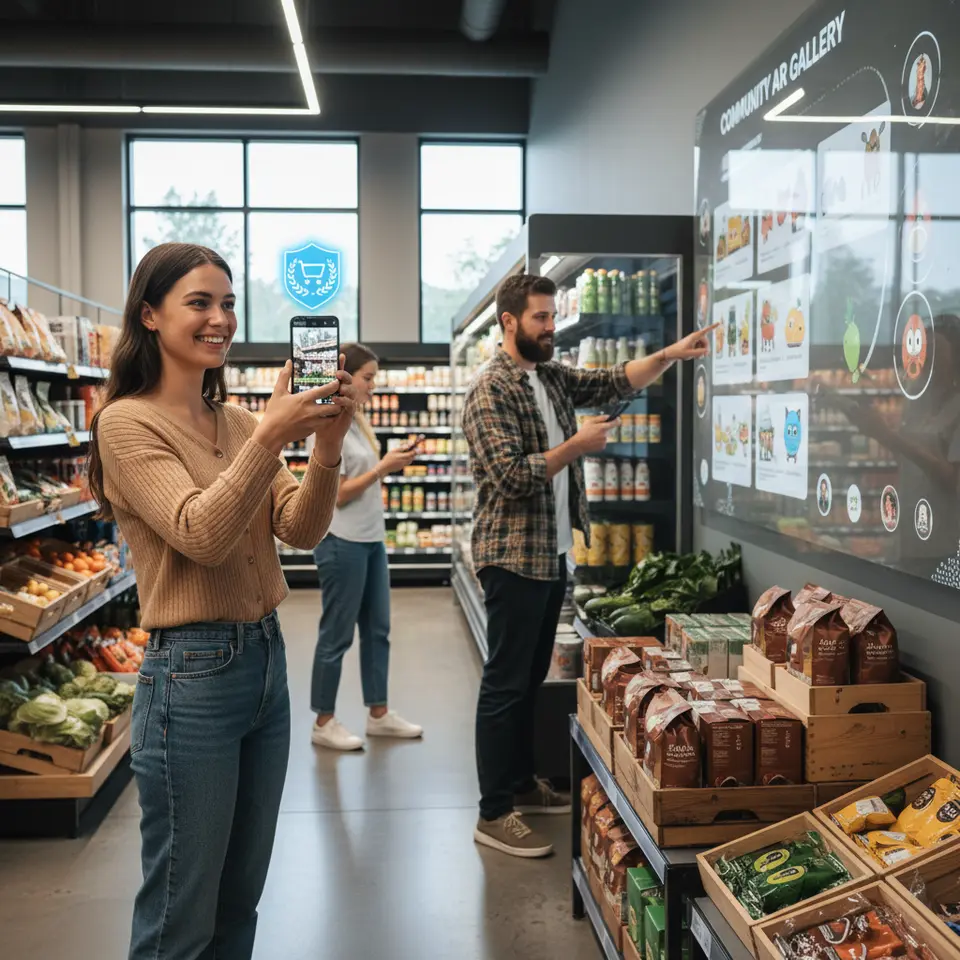
- Community Galleries: Showcase user-submitted AR content on your website or in-app. Featuring customers fosters a sense of belonging and encourages ongoing engagement.
- Milestone Badges: Reward customers with collectible digital badges for purchase anniversaries or participation milestones, turning loyalty into a shareable accolade.
Retention Metrics to Monitor
Evaluate the impact of retention initiatives by tracking:
- Repeat Purchase Rate: Portion of customers who return within a set period.
- Program Participation: Number of active users in AR-based loyalty or referral programs.
- Net Promoter Score (NPS): Customer willingness to recommend your brand, influenced by AR experiences.
- Customer Lifetime Value (CLV): Average revenue generated by a customer over their engagement cycle.
Strong results in these areas demonstrate the enduring influence of a well-crafted AR marketing funnel.
Frequently Asked Questions
What is an AR marketing funnel?
An AR marketing funnel is a strategic framework that guides prospects through stages of awareness, interest, consideration, conversion, and retention using immersive technologies. It helps brands create cohesive experiences and measure impact at each phase.
How can I measure the success of my AR campaigns?
Success can be measured using stage-specific metrics such as impression and share rates for awareness, session duration and engagement depth for interest, configurator interaction for consideration, conversion rate and AOV for purchasing, and repeat purchase rate and NPS for retention.
Which AR experiences drive the most engagement?
Experiences like virtual try-ons, 3D product visualizations, gamified challenges, and personalized configurators typically drive high engagement, as they offer interactive value and address user needs directly.
Conclusion
Implementing an AR marketing funnel offers a strategic framework to transform fleeting interactions into meaningful customer journeys. By guiding prospects through the stages of awareness, interest, consideration, conversion, and retention, you create a cohesive experience that drives measurable business outcomes. Today, leveraging AR is not just a novelty—it’s a pathway to deeper engagement, higher conversions, and sustained advocacy in today’s digital landscape.
As you plan your campaigns this year (2026), focus on aligning technology with user needs, tracking the right metrics, and iterating based on insights. With the right strategy and tools, the AR marketing funnel will become a powerful engine for growth and loyalty. Now is the time to embrace immersive marketing and lead your brand into the future of customer experience.