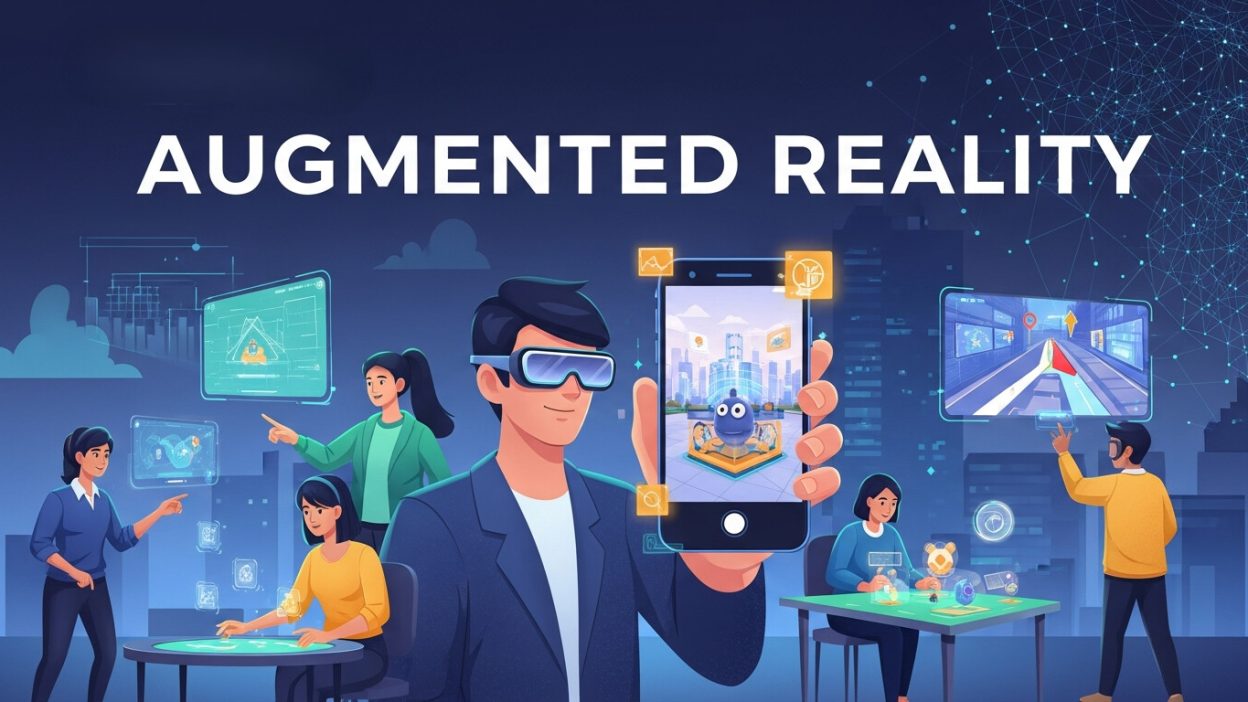
Augmented reality (AR) is not just a buzzword; it’s a rapidly growing technology transforming industries, from gaming and healthcare to retail and education. Whether you’re an aspiring developer, a creative innovator, or someone exploring new skills, learning AR is an excellent way to stay ahead in tech innovation. But where do you start, and what should you focus on? This guide breaks down the steps to help you master augmented reality and create impactful, immersive experiences.
Why Learn Augmented Reality
Before jumping into the how, it’s important to understand the why. Augmented reality is projected to be a $100 billion market by 2030. Companies are adopting AR for product visualization, employee training, and marketing campaigns. Even more exciting, AR offers creative freedom to build new ways for people to interact with the digital world. Learning AR could open doors to various industries, high-paying roles, and the chance to innovate.
Whether you’re a tech enthusiast, designer, marketer, or developer, AR could be one of the most valuable skills to add to your toolkit.
Understand What AR Is and How It Works
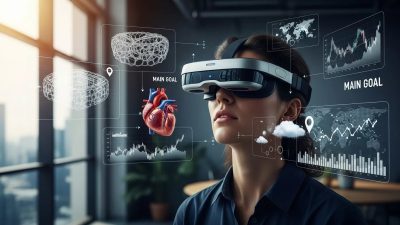
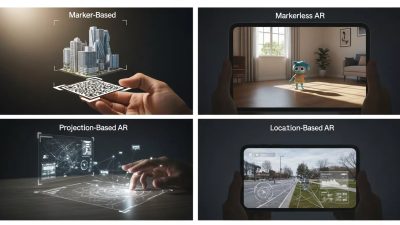
To learn AR effectively, you need to understand the foundational concepts. Augmented reality overlays digital visuals, objects, or information onto the real world through devices like smartphones, tablets, and AR glasses. Unlike virtual reality (VR), which immerses users in a fully digital environment, AR blends the physical and digital world.
Key parts of AR include:
- Hardware: Devices like smartphones (iPhones, Androids), AR glasses (Magic Leap, HoloLens), and wearable tech.
- Software: AR programming frameworks like ARKit (Apple), ARCore (Google), and Vuforia.
- Tracking and Mapping: How AR devices track the real world and map digital elements.
- Rendering: Displaying digital objects in real-time over the physical space.
Start by exploring free resources and tutorials that explain these core principles in simple terms.
Build a Strong Foundation in Programming

While AR-friendly platforms make it easier to create experiences without coding, having a programming background can be a huge advantage. AR often relies on the following programming languages:
- C: Used with Unity, one of the most popular AR development platforms.
- Python & JavaScript: These are helpful for custom AR applications, web-AR projects, and scripting.
- Swift/Java: Great for developing AR mobile apps on iOS and Android, respectively.
If you’re new to programming, start with beginner-friendly courses or platforms like Codecademy, freeCodeCamp, or Coursera.
Explore AR Development Platforms
Frameworks and engines help developers build AR applications efficiently. They offer tools, APIs, and assets that make AR development more accessible. Here are some key platforms to get started with:
Unity
Unity is one of the most popular platforms for AR development, offering robust tools and support for both 2D and 3D content. Its partnership with ARKit and ARCore makes it a go-to choice for AR developers.
- Why Unity? Easy-to-use interface, vast library of assets, and strong community support.
- How to Learn Unity: Take Unity’s official AR development courses or check out YouTube tutorials for hands-on projects.
Unreal Engine
Known for its high-performance rendering, Unreal Engine is an excellent option for creating visually stunning AR experiences.
- Why Unreal Engine? Real-time rendering and advanced graphics capabilities.
- How to Learn Unreal? Epic Games offers Unreal Engine’s learning portal with beginner to advanced courses.
ARKit and ARCore
These are native platforms for iOS and Android AR app development.
- Why ARKit/ARCore? Seamless integration with Apple and Android devices.
- How to Learn Them? Apple’s ARKit documentation and Google’s ARCore Developer Guide are free resources.
Master 3D Modeling and Design
One of the key elements of AR is creating visually engaging and interactive 3D elements. Here’s how you can upskill in this area:
- Learn 3D Tools: Familiarize yourself with 3D modeling software like Blender (free) or Maya.
- Brush Up on Design Principles: Explore courses on UX/UI and 3D design to ensure your AR applications are user-friendly and visually appealing.
Even if you’re not directly creating 3D assets, a fundamental knowledge of this area will help you better communicate with designers and collaborators.
Work on Hands-On Projects
The best way to solidify your learning is by creating AR projects. Start small and gradually build more complex applications. Some examples include:
- A simple AR app that places virtual furniture in a room.
- An educational AR app teaching kids about planets and the solar system.
- An AR game using location-based interactions.
Collaborate with others by joining AR communities. Websites like GitHub, Reddit’s AR/VR subreddit, and AR-focused Discord groups can help you brainstorm, find collaborators, and troubleshoot.
Stay Updated on Industry Trends and Tools
AR is evolving rapidly, so staying updated is critical. Follow blogs, attend webinars, and network with other AR enthusiasts to keep up with the latest tools, frameworks, and use cases.
Some valuable resources include:
- ARPost (blog for AR news and trends)
- YouTube Channels like TheDigitalLife for development tips.
- Industry Events like AWE (Augmented World Expo).
Leverage AR Communities and Bootcamps
Learning in isolation can be tough. Engage with communities and specialized training programs that cater to AR learners:
- Online Communities: Platforms like Stack Overflow, Reddit, and Meetup.
- Coursera’s AR/VR Specialization by the University of London.
- Udemy courses like Build Twelve Augmented Reality Apps.
- AR tutorials by Unity and Unreal Engine.
These networks and programs don’t just aid your learning but may also help you find career opportunities.
Turning Learning Into Career Opportunities
AR skills can lead to exciting roles across industries. Here are some career paths to consider once you’ve got the hang of AR:
- AR Developer: Build applications for gaming, marketing, or education.
- 3D Artist for AR: Create engaging AR assets.
- AR/VR Strategist: Help businesses integrate AR into their workflows.
- Product Designer: Use AR to design customer-centric experiences.
Market your skills through platforms like LinkedIn, personal websites, or even AR-centered portfolio websites like ArtStation.
The Role of AR in Education and Learning
Augmented reality is reshaping how people learn by turning abstract concepts into interactive experiences. Instead of reading static textbooks, students can visualize complex subjects like anatomy, physics, or architecture in real-world environments. AR-based learning improves engagement, retention, and understanding by allowing learners to interact with digital elements in real time. Educational institutions are increasingly adopting AR to make lessons more immersive and inclusive. From virtual science labs to interactive history lessons, augmented reality in research-driven education enables deeper exploration and experimentation. As digital learning continues to evolve, AR is becoming a powerful tool for bridging the gap between theory and real-world application.
How AR Is Transforming Business and Marketing

Businesses are rapidly adopting AR to enhance customer engagement and decision-making. Retailers use AR to let customers visualize products before purchasing, while brands leverage immersive experiences for marketing campaigns. AR helps reduce uncertainty, increase conversion rates, and build stronger emotional connections with customers. Companies are also using AR for employee training and remote collaboration. By integrating digital layers into physical environments, businesses are cultivating the future of customer interaction. As competition increases, organizations that embrace AR-driven innovation gain a significant edge in delivering memorable and value-driven experiences.
AR in Healthcare and Medical Training
Healthcare is one of the most impactful industries benefiting from augmented reality. Medical professionals use AR for surgical planning, real-time guidance, and anatomy visualization. Students can practice procedures in a risk-free environment, improving accuracy and confidence. AR also supports patient education by explaining diagnoses and treatments visually. As technology advances, healthcare systems are harvesting the future of medical innovation through immersive training and precision-based care. AR not only improves outcomes but also reduces costs and errors, making it a valuable tool in modern medicine.
Challenges You May Face While Learning AR
Learning augmented reality comes with challenges that beginners should be prepared for. These include understanding 3D space, performance optimization, device compatibility, and mastering multiple tools simultaneously. Debugging AR experiences can be complex due to real-world variables like lighting and motion tracking. However, these challenges are part of the learning curve. With consistent practice, community support, and hands-on experimentation, most learners overcome these obstacles. Breaking projects into smaller tasks and focusing on fundamentals can make the process manageable and rewarding over time.
Best Practices for Designing User-Friendly AR Experiences
Creating a successful AR experience requires more than technical skills—it demands thoughtful design. User comfort, clarity, and simplicity should always come first. Overloading users with too many visual elements can cause confusion or fatigue. Clear instructions, intuitive interactions, and responsive feedback enhance usability. Designers should also test experiences in real environments to ensure accuracy and comfort. By prioritizing usability and accessibility, developers can create AR applications that feel natural and enjoyable, encouraging long-term adoption and engagement.
The Long-Term Future of Augmented Reality
Augmented reality is still evolving, and its long-term potential is enormous. As hardware improves and software becomes more efficient, AR will integrate seamlessly into everyday life. From smart cities to advanced research labs, AR will influence how people work, learn, and communicate. Industries will continue experimenting with immersive solutions, pushing boundaries of innovation. For learners and developers, investing time in AR today means being part of a technological shift that will shape digital experiences for decades to come.
Take Your First Step Into Augmented Reality
Learning augmented reality may seem daunting, but it boils down to starting with the basics and progressing step by step. You’ll experiment, fail, and iterate, but that’s the beauty of creating something innovative. The key is consistency and staying curious.
Are you excited to create your first AR experience? Get started by picking a platform, exploring courses, and working on a small project this week. The AR world is expanding rapidly, and there’s no better time to jump in.
Frequently Asked Questions (FAQ)
1. What is augmented reality (AR)?
Augmented reality overlays digital content, such as visuals, objects, or information, onto the real world using devices like smartphones, tablets, or AR glasses. Unlike virtual reality (VR), AR enhances the real environment rather than fully immersing users in a digital space.
2. Why should I learn AR?
AR is a rapidly growing technology projected to reach a $100 billion market by 2030. Learning AR opens doors to careers in gaming, education, healthcare, retail, marketing, and design, while allowing you to create immersive and interactive experiences.
3. What programming languages do I need for AR?
Key languages include C# (for Unity), Python and JavaScript (for custom or web AR), and Swift or Java (for iOS and Android development). Programming knowledge helps create more flexible and advanced AR experiences.
4. Which AR development platforms are best for beginners?
Unity and Unreal Engine are top choices due to their robust tools, extensive learning resources, and community support. For mobile development, ARKit (iOS) and ARCore (Android) are essential platforms to explore.
5. Do I need 3D modeling skills to develop AR apps?
Not necessarily, but understanding 3D modeling and design principles helps you create visually appealing AR experiences and communicate effectively with designers. Tools like Blender or Maya are commonly used.
6. How can I practice AR development?
Start with small projects like virtual furniture placement, educational AR apps, or AR-based games. Collaborate with communities on GitHub, Reddit, or Discord to get feedback and ideas.
7. How do I stay updated on AR trends?
Follow blogs like ARPost, YouTube channels such as TheDigitalLife, attend industry events like Augmented World Expo (AWE), and join AR-focused communities to learn about new tools and applications.
8. What career opportunities exist in AR?
Roles include AR Developer, 3D Artist for AR, AR/VR Strategist, and Product Designer. Professionals can work in gaming, marketing, education, healthcare, or product design sectors.
9. Can I learn AR without prior coding experience?
Yes, beginner-friendly platforms and tutorials allow you to start without coding. However, learning programming improves your ability to create complex and custom AR applications.
10. How do I get started with AR this week?
Pick a platform (Unity, Unreal, ARKit, or ARCore), explore free tutorials or courses, and start a small project. Experiment, iterate, and join AR communities to build skills and gain feedback.