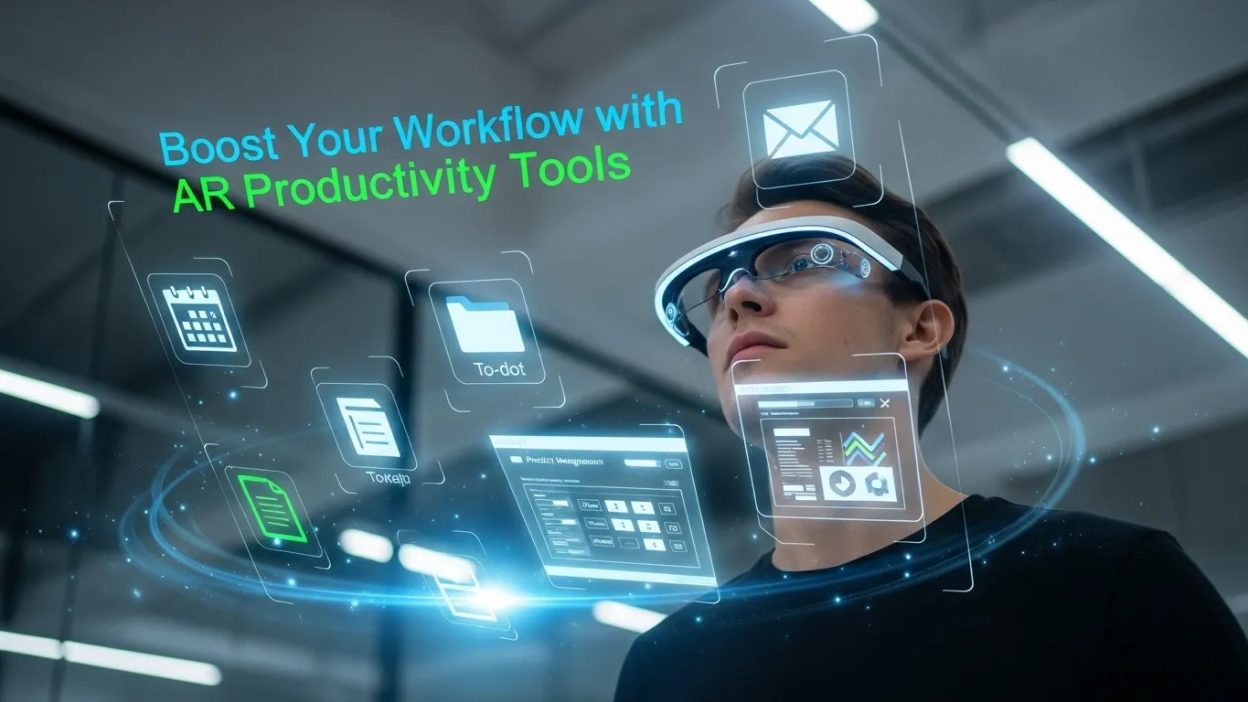
AR Productivity tools revolutionize workflows, combining AR, AI, and immersive dashboards to enhance collaboration, reduce errors, and increase efficiency across industries. Businesses adopting these solutions gain measurable ROI, better engagement, and streamlined operations for modern, dynamic work environments.
Why AR Productivity is the Future of Work
In today’s fast-paced professional environment, businesses and individuals are constantly seeking ways to streamline workflows, reduce errors, and enhance collaboration. Traditional productivity tools like spreadsheets, chat apps, and project management software have served their purpose, but they often fail to fully engage users or provide a dynamic visualization of tasks. Enter AR Productivity a revolutionary approach that leverages augmented reality to transform how people work.
By integrating AR Technology into daily routines, teams can now interact with virtual content overlaid in real-world spaces. Imagine walking into a meeting room and seeing live project timelines hovering above the table, or organizing multiple dashboards in a 3D space without switching between screens. AR tools don’t just display data they make it interactive and immersive. This new dimension of work engagement helps users process complex information more intuitively, improves decision-making, and minimizes miscommunication.
Companies that adopt AR Productivity solutions can see a remarkable difference in efficiency. Tasks that once required hours of back-and-forth communication can now be resolved in minutes, thanks to the immersive collaboration environment. Moreover, AR interfaces can highlight priorities visually, allowing team members to focus on what truly matters instead of being buried under endless notifications.
While the concept of augmented reality was once limited to entertainment and gaming, businesses have realized its potential across productivity sectors. The integration of AR Pioneers in corporate solutions is helping redefine standard workflows, creating opportunities for innovation in project planning, team management, and even remote work. The psychological effect is also notable: employees feel more connected, engaged, and empowered when interacting with data in a spatial and immersive format.
Key Features of AR Productivity Tools
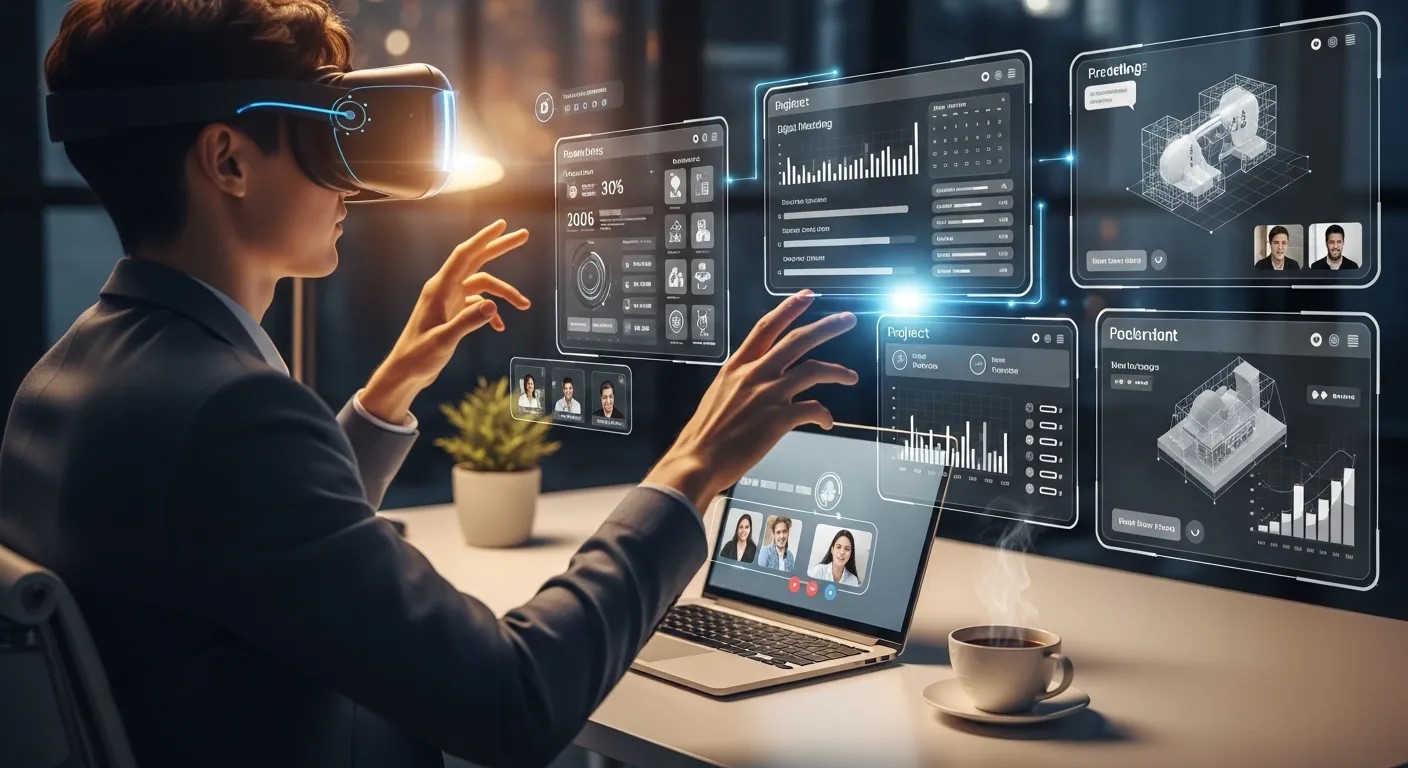
Understanding the unique capabilities of AR Productivity solutions is essential for organizations looking to invest wisely. Modern AR tools are designed with several core features that enhance efficiency:
Interactive Task Management
Traditional task lists can be overwhelming and static. AR productivity platforms allow users to manipulate tasks in a three-dimensional environment. Tasks can be grouped, color-coded, and positioned spatially to indicate priority, deadlines, or team responsibility. By interacting directly with tasks, users gain a tangible understanding of workflow progression, which reduces the cognitive load typically associated with project management.
Real-Time Collaboration
Remote teams often face challenges in maintaining clarity and alignment. AR interfaces enable participants to view and interact with the same project elements simultaneously, whether in the same room or across the globe. Features like virtual sticky notes, 3D diagrams, and shared dashboards bridge the gap between physical and digital collaboration. Even complex brainstorming sessions benefit from the immersive environment, as team members can visualize relationships, dependencies, and workflows more effectively than in 2D screens.
Enhanced Data Visualization
Data analysis is often hindered by flat charts and tables. With AR Mechanics, productivity apps can present analytics in three dimensions, allowing for new perspectives on performance metrics, bottlenecks, and resource allocation. Decision-makers can interact with datasets dynamically, rotating graphs, drilling down into subcategories, or comparing different variables visually. This approach makes insights more actionable and intuitive, reducing decision fatigue.
Seamless Integration with Existing Tools
One of the concerns organizations have when adopting new technology is compatibility. Leading AR productivity solutions are designed to integrate with existing platforms such as CRM software, task managers, and calendar apps. This ensures that teams can benefit from immersive experiences without disrupting established workflows.
Gamification and Motivation
Psychologically, AR interfaces tap into the human desire for interactivity and reward. By using immersive visuals and interactive milestones, AR productivity apps gamify routine tasks. Employees are more likely to complete assignments on time and engage in collaborative projects, fostering a culture of accountability and efficiency.
Practical Applications of AR Productivity in Business
Project Management
Project managers can use AR tools to map out timelines in a spatial 3D layout, allowing teams to quickly identify critical paths and dependencies. Complex projects, such as product launches or software development sprints, benefit from this intuitive visualization. Traditional Gantt charts are replaced by immersive boards that teams can manipulate, update, and annotate in real-time.
Remote Work Collaboration
With the rise of distributed teams, AR Productivity platforms offer virtual co-working spaces where team members can brainstorm, design, or problem-solve together. Even global offices can meet “in the same room” virtually, interacting with shared dashboards, 3D mockups, and annotated visuals. This approach maintains human connection and ensures everyone is aligned on objectives.
Training and Onboarding
Augmented reality is proving highly effective in training scenarios. New employees can interact with virtual tutorials, simulated workflows, or step-by-step task instructions in real environments. This accelerates learning and reduces mistakes, making onboarding more efficient and engaging.
Data Privacy Considerations
As immersive tools collect and visualize sensitive corporate information, it is crucial to address Bot Data Privacy. Businesses must implement robust security protocols to ensure that AR dashboards, shared files, and interactive analytics remain confidential and comply with regulatory standards.
AR Productivity vs Traditional Tools
| Feature | Traditional Tools | AR Productivity Tools | Benefit |
|---|---|---|---|
| Task Visualization | Flat lists & charts | 3D interactive dashboards | Improved clarity & prioritization |
| Collaboration | Video calls & chat | Real-time immersive interaction | Better alignment & engagement |
| Data Analysis | Static reports | Interactive 3D visualizations | Faster, more intuitive insights |
| Employee Engagement | Minimal | Gamified & immersive experiences | Increased motivation |
Advanced Features of AR Productivity Tools
As businesses embrace AR Productivity, the next step is understanding how advanced features enhance efficiency beyond basic task management. Modern AR platforms combine spatial computing, AI assistance, and immersive visualization to create a workspace that is both intuitive and scalable.
AI-Enhanced Task Prioritization
One of the most significant upgrades in AR productivity platforms is the integration of AI algorithms. These systems analyze task history, deadlines, and team availability to suggest optimal workflows. By leveraging AI Multilingual Bots, global teams can interact with the AR interface in their preferred language, breaking down barriers in multinational corporations. For example, a project manager in Tokyo can assign tasks to a team in Berlin using natural language prompts, and the AR system will visualize the updated workflow for everyone in real-time.
Immersive Project Visualization
Beyond simple 3D dashboards, AR productivity tools now offer AR Mechanics that simulate real-world processes. Manufacturing teams can walk through a virtual assembly line to identify inefficiencies, while marketing teams can map campaign touchpoints in immersive layouts. By allowing teams to see operations in motion, businesses can anticipate challenges before they happen, reducing errors and improving planning accuracy.
Integration with VR Environments
While augmented reality overlays digital content on physical spaces, integrating VR Marketing techniques takes collaboration to a fully immersive level. Marketing teams, for example, can simulate product launches or customer interactions in a controlled virtual environment before implementing them in the real world. This integration enhances creative decision-making and ensures campaigns are optimized for engagement, all while keeping team members connected no matter their location.
Interactive Data Dashboards
Data is the backbone of modern productivity, and AR dashboards transform raw numbers into actionable insights. Users can interact with charts, pivot tables, and heat maps in a 3D space. Imagine rotating a revenue chart around a conference table, examining seasonal trends from multiple angles, or highlighting top-performing projects. These interactive dashboards reduce cognitive load and make data-driven decisions more intuitive.
Scenario-Based Planning
Advanced AR tools allow teams to simulate “what-if” scenarios in real-time. For instance, a supply chain manager can model delays or resource shortages and immediately visualize the impact on project timelines. This capability, combined with AR Technology, ensures that teams not only react to challenges but proactively plan solutions.
Industry-Specific Applications of AR Productivity
Healthcare
In healthcare, AR Productivity tools are revolutionizing training, surgical planning, and patient management. Surgeons can overlay virtual models of anatomy onto real patients for preoperative planning. Hospital administrators can organize schedules, resources, and patient flows using interactive AR dashboards, reducing bottlenecks and improving care efficiency. AI-powered assistants also help maintain patient data privacy while ensuring seamless communication across departments.
Manufacturing and Engineering
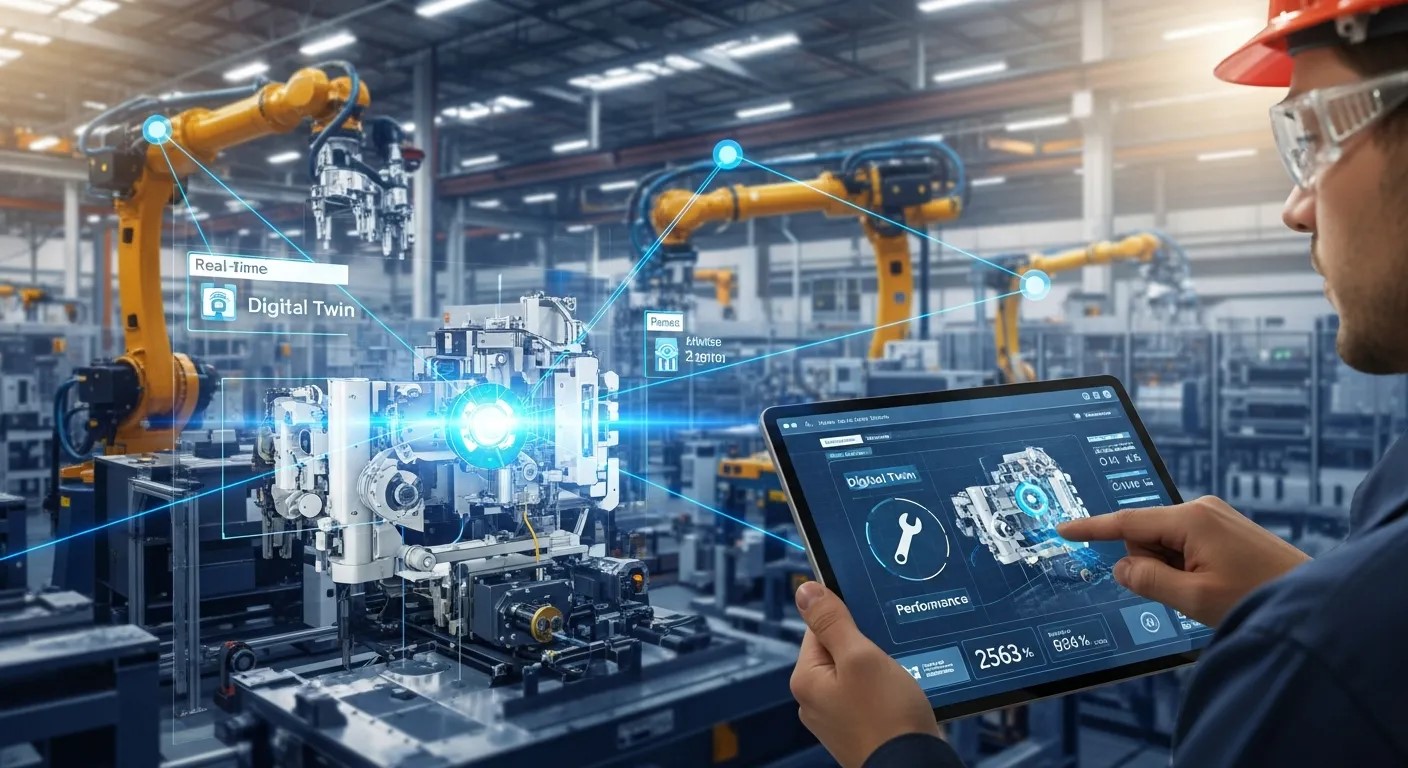
Manufacturing teams benefit greatly from immersive workflows. Engineers can test prototypes in virtual environments before committing to production. Using AR Mechanics, teams can explore machinery and assembly lines in 3D, reducing setup time and predicting maintenance requirements. Teams can also collaborate globally, with AI Multilingual Bots translating annotations or instructions in real-time, ensuring clarity across language barriers.
Marketing and Advertising
Marketing professionals are increasingly using AR and VR together to enhance productivity. VR Marketing campaigns can be visualized and tested in immersive environments before launch, reducing errors and maximizing engagement. AR dashboards help teams track KPIs, visualize campaign funnels, and coordinate tasks efficiently. By incorporating AR productivity practices, marketing teams can handle multiple campaigns simultaneously without losing control over deadlines or quality.
Retail and E-Commerce
Retailers are adopting AR solutions for interactive planning, inventory management, and visual merchandising. Managers can simulate store layouts or product placements in 3D, optimizing customer flow and maximizing sales. Integrating AR Pioneers into these platforms ensures cutting-edge features, from real-time analytics to predictive stocking. Customer engagement teams can also visualize campaign performance in immersive dashboards, creating a data-driven culture that spans departments.
Advanced AR Productivity Features by Industry
| Industry | Feature | AR Advantage | Business Impact |
|---|---|---|---|
| Healthcare | Virtual surgical planning | Overlay models onto real patients | Reduced errors & faster procedures |
| Manufacturing | 3D workflow simulation | Interactive assembly line visualization | Lower production costs, faster testing |
| Marketing | VR Marketing campaign previews | Immersive testing of campaigns | Higher engagement, fewer errors |
| Retail & E-Commerce | Store layout and inventory visualization | 3D simulation of product placement | Optimized sales & operational efficiency |
Leveraging AR Productivity for Team Collaboration
The key to successful adoption of AR Productivity lies in enhancing collaboration without overwhelming users. AR environments create shared, persistent workspaces where team members can:
-
Annotate tasks in 3D space
-
Assign responsibilities with visual cues
-
Track progress in real-time
-
Access interactive dashboards
By integrating tools like AI Multilingual Bots, organizations ensure that remote teams communicate effectively, regardless of language or location. Team meetings are no longer confined to static video calls or email threads—they become immersive, interactive experiences that improve engagement and reduce misinterpretation.
Moreover, AR solutions can connect with traditional productivity software such as Slack, Trello, or Jira. This hybrid approach ensures organizations maintain data continuity while adding the immersive dimension of AR, keeping workflow frictionless.
Real-World Case Studies of AR Productivity
Adopting AR Productivity tools is no longer just experimental. Leading companies across industries have leveraged augmented reality to streamline workflows, enhance collaboration, and drive measurable results. The following case studies highlight how businesses integrate AR into their daily operations effectively.
Manufacturing: GlobalTech Industries
GlobalTech Industries, a multinational manufacturing company, faced challenges in coordinating assembly lines across continents. Using AR Mechanics, they implemented an interactive 3D workflow system that allowed engineers to inspect machinery virtually before production. Teams could annotate, simulate processes, and identify bottlenecks in real-time. The integration of AR dashboards reduced setup errors by 35% and accelerated project completion timelines by 20%. By combining AR Productivity tools with existing ERP systems, GlobalTech created a seamless workflow that enhanced cross-border collaboration without overwhelming staff.
Healthcare: MediCare Hospitals
MediCare Hospitals incorporated AR Technology into surgical planning and administrative operations. Surgeons could overlay patient imaging data onto the actual surgical site, ensuring precise incisions and reduced operative times. Administrators used AR dashboards to manage patient flows, equipment allocation, and staffing. The hospital also adopted strict Bot Data Privacy protocols to secure sensitive patient information while using AR-powered analytics. The results were remarkable: procedural errors dropped by 28%, patient throughput improved by 15%, and staff reported higher engagement due to the interactive nature of AR tools.
Marketing: BrightWave Agency
BrightWave Agency specializes in digital campaigns for global brands. By combining VR Marketing previews with AR productivity dashboards, their teams could simulate campaign launches, track performance, and adjust strategies in real-time. Using immersive interfaces, team members could test customer engagement scenarios virtually, optimizing content before release. The integration of AR Productivity into their workflow resulted in a 25% faster campaign launch cycle and higher client satisfaction. Moreover, the agency could visualize cross-channel analytics in a single 3D dashboard, which significantly improved strategic planning.
Retail: FashionForward Stores
FashionForward implemented AR-powered tools to manage store layouts, inventory placement, and merchandising strategies. With AR Pioneers solutions, visualizing new seasonal collections became faster and more accurate. Managers could simulate store changes, track inventory distribution, and coordinate staff activities using interactive AR dashboards. As a result, in-store operational efficiency increased by 30%, product placement errors decreased, and sales saw a measurable uplift. AR Productivity transformed their planning process from a static, paper-based system to a dynamic, immersive workflow.
Measurable ROI of AR Productivity
Businesses often hesitate to invest in new technology without clear evidence of ROI. AR productivity platforms, however, offer tangible benefits that are easy to quantify:
-
Time Savings – Tasks that previously required manual coordination, such as team updates or project visualizations, are completed faster in AR-enabled environments. Case studies indicate time reduction of up to 30% in routine workflows.
-
Error Reduction – By allowing teams to simulate operations and visualize data interactively, errors are detected before they escalate. AR Mechanics simulations can identify potential workflow conflicts or resource shortages before implementation, significantly reducing costly mistakes.
-
Enhanced Team Engagement – Human psychology plays a major role in productivity. Immersive AR environments increase engagement, collaboration, and focus. Employees are more likely to participate actively in meetings and follow through on tasks when they can interact with data in real-time.
-
Cross-Border Efficiency – With the integration of AI Multilingual Bots, global teams can communicate seamlessly, reducing misunderstandings due to language barriers. This directly impacts productivity by ensuring tasks are completed accurately and on time.
-
Cost Efficiency – While the initial investment in AR solutions may be significant, long-term savings from reduced errors, faster workflows, and decreased travel for remote collaboration often outweigh upfront costs. ROI can often be measured within the first 6–12 months of deployment.
Best Practices for Implementing AR Productivity

Adopting AR Productivity tools effectively requires careful planning. Here are best practices derived from industry leaders:
Start with High-Impact Workflows
Identify areas where immersive visualization offers the most value. For instance, complex project planning, data-heavy analysis, or cross-department collaboration often benefit the most from AR integration. Avoid overwhelming teams by rolling out AR across all processes at once.
Prioritize User Training
Successful AR adoption relies on employees understanding the tools. Provide training sessions, guided tutorials, and real-world exercises to ensure comfort and proficiency. Teams that embrace AR are more likely to engage fully with productivity features.
Ensure Data Security
Immersive platforms often handle sensitive corporate data. Integrating Bot Data Privacy measures ensures confidential information, analytics, and workflow processes remain protected. Implement robust access controls, encryption, and compliance checks before scaling AR solutions.
Integrate with Existing Systems
AR productivity tools should complement, not replace, existing platforms. Integrating AR dashboards with project management software, collaboration apps, and CRM tools creates a seamless experience. This avoids workflow disruption while enhancing productivity through immersive features.
Measure and Iterate
Regularly track the impact of AR tools on workflows. Measure time savings, error reduction, engagement levels, and ROI. Use insights to refine the AR implementation, ensuring continuous improvement and alignment with business goals.
AR Productivity ROI Metrics
| Metric | Traditional Workflow | AR-Enabled Workflow | Improvement (%) |
|---|---|---|---|
| Task Completion Time | 10 hrs/week | 7 hrs/week | 30% |
| Project Errors | 15 errors/month | 10 errors/month | 33% |
| Employee Engagement | Medium | High | +25% |
| Remote Collaboration Efficiency | Moderate | High | +20% |
| Training Time | 8 hrs | 5 hrs | 37% |
Conclusion
AR Productivity is reshaping the way businesses and teams operate, offering immersive solutions that streamline workflows, enhance collaboration, and boost efficiency. By integrating AR Technology, interactive dashboards, and AI-powered tools like AI Multilingual Bots, companies can visualize complex projects, reduce errors, and engage employees more effectively. Industries from manufacturing to marketing are leveraging AR Pioneers and advanced AR Mechanics to optimize operations, manage remote teams, and improve decision-making. With measurable ROI and scalable implementation, AR productivity platforms are no longer futuristic experiments they are essential tools for organizations seeking to stay competitive in a fast-evolving digital landscape.
Frequently Asked Questions (FAQs)
What is AR Productivity?
AR Productivity refers to using augmented reality tools to manage tasks, visualize data, and collaborate in immersive, interactive environments for better workflow efficiency.
How can businesses implement AR Productivity tools?
Start with high-impact workflows, integrate with existing software, provide employee training, ensure data security, and track performance metrics for continuous improvement.
Which industries benefit the most from AR Productivity?
Healthcare, manufacturing, marketing, retail, and corporate remote teams benefit significantly, leveraging AR dashboards, simulations, and interactive data visualization.
How does AR Productivity impact ROI?
AR tools reduce task completion time, minimize errors, improve engagement, and streamline collaboration, delivering measurable cost savings and faster project completion.
Can AR Productivity work with multilingual teams?
Yes, integrating AI Multilingual Bots ensures seamless communication across languages, allowing global teams to collaborate efficiently in immersive AR environments.