Industrial AR Applications optimize manufacturing, maintenance, and training with real-time guidance, AI support, and sustainable practices. Inclusive design, AR navigation, and environment mapping enhance efficiency, safety, and collaboration, while reducing costs and driving measurable operational and financial benefits.
How Industrial AR Applications Are Revolutionizing Manufacturing and Maintenance
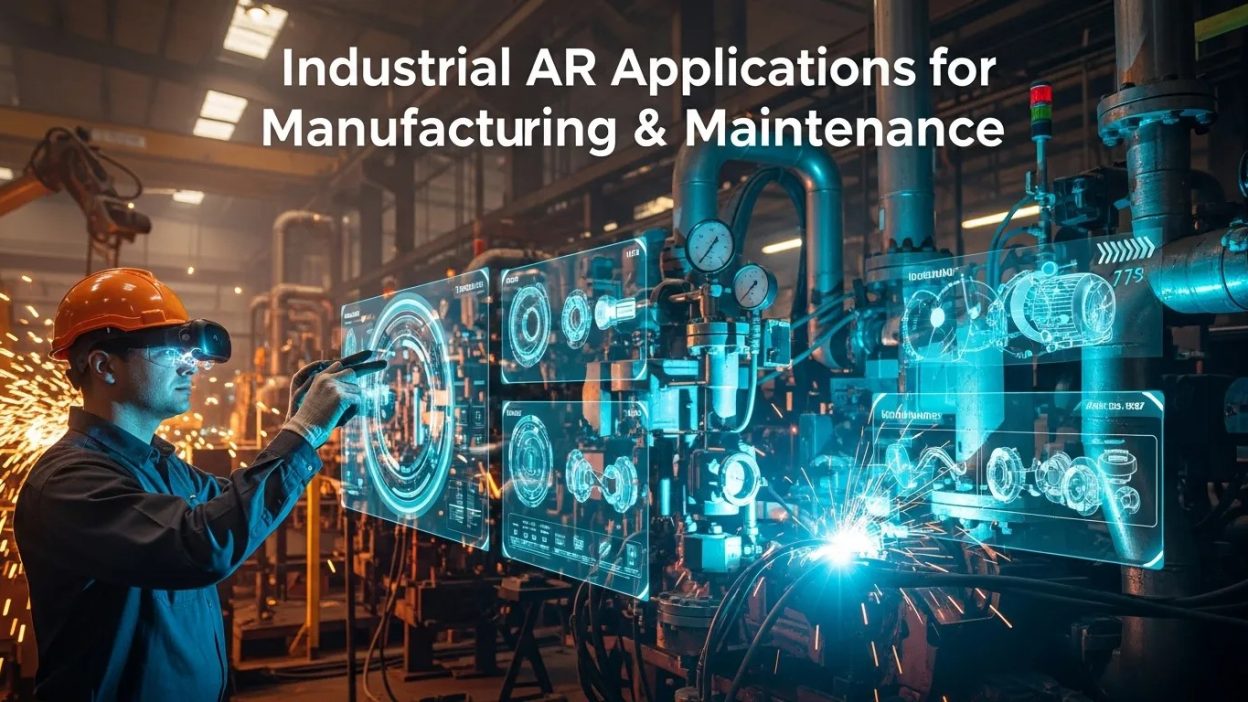
The manufacturing and maintenance sectors are undergoing a significant transformation through the integration of cutting-edge technologies. Among these, Industrial AR Applications are proving to be a game-changer. Augmented Reality (AR) provides real-time visualization, enabling technicians, engineers, and operators to interact with machinery and systems in ways that were previously impossible. By overlaying digital information directly onto physical environments, AR enhances precision, reduces errors, and increases operational efficiency.
In modern factories, AR technology is no longer just a futuristic concept. Industrial AR Applications are being adopted to streamline complex assembly processes, troubleshoot equipment issues, and provide hands-on training without disrupting production schedules. Through immersive AR experiences, employees can access contextual instructions, step-by-step guidance, and real-time analytics, all while remaining physically present on the factory floor. The result is reduced downtime, improved safety, and enhanced overall productivity.
Enhancing Workflow with AR Navigation Systems

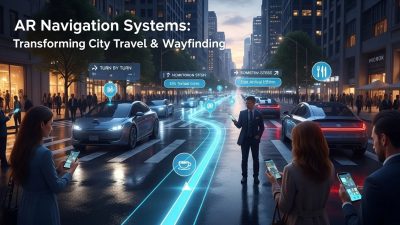
One of the most practical implementations of Industrial AR Applications is in navigation and guidance on large manufacturing floors. AR Navigation Systems allow workers to locate equipment, parts, or production lines quickly, reducing time lost to searching and minimizing human error. By combining AR overlays with IoT sensors and real-time data, navigation becomes intuitive and highly interactive. This is particularly valuable in sprawling industrial complexes where traditional signage and maps may be insufficient.
Moreover, AR navigation isn’t limited to humans. Automated guided vehicles (AGVs) can also integrate AR-based guidance to optimize logistics, transport components safely, and ensure timely delivery to assembly stations. Integrating Industrial AR Applications with navigation systems not only enhances efficiency but also contributes to overall workplace safety and ergonomic workflow design.
Real-Time Insights through AR Environment Mapping
Another critical aspect of Industrial AR Applications is the ability to map and monitor environments in real time. AR Environment Mapping enables digital twins of factory layouts, equipment, and operational processes. These virtual replicas help engineers simulate scenarios, identify potential bottlenecks, and predict maintenance needs before they escalate into costly issues.
By leveraging AR Environment Mapping, maintenance teams can inspect machinery virtually, overlay diagnostic data, and even perform remote guidance for on-site technicians. This reduces the reliance on manual inspections, limits exposure to hazardous zones, and streamlines routine operations. Industries utilizing AR mapping report faster troubleshooting times and a measurable reduction in operational errors, making it an essential feature of modern Industrial AR Applications.
Sustainability in AR: Eco-Friendly AR Technology
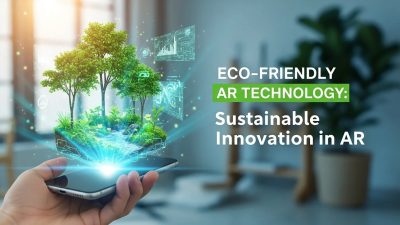
As industries become more conscious of their environmental impact, the role of Eco-Friendly AR Technology in Industrial AR Applications has gained prominence. AR reduces the need for physical prototypes, printed manuals, and repetitive training sessions, cutting down on material waste and energy consumption. In addition, digital simulations powered by AR can optimize energy use in manufacturing processes, helping companies achieve greener production methods.
Implementing sustainable AR solutions not only aligns with corporate social responsibility goals but also positions organizations as innovators in eco-conscious manufacturing. Over time, Eco-Friendly AR Technology can significantly lower costs associated with resources, improve compliance with environmental regulations, and enhance brand reputation.
Inclusive Design in Industrial AR Applications
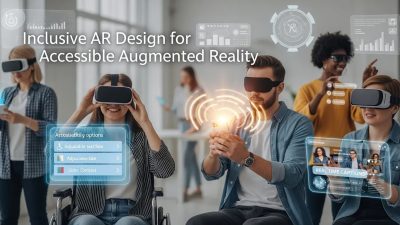
Industrial AR Applications are not just about efficiency—they are also about inclusivity. Inclusive AR Design ensures that AR interfaces and tools accommodate diverse workforce needs, including individuals with varying levels of technical proficiency or physical capabilities. By incorporating accessibility features such as adjustable visual overlays, voice commands, and multilingual support, AR solutions become more user-friendly and widely adoptable.
Inclusive AR Design promotes equitable access to technology, improves employee satisfaction, and reduces training barriers. When combined with Industrial AR Applications, inclusive design principles ensure that the technology serves every member of the workforce effectively, contributing to higher productivity and a safer working environment.
Optimizing Maintenance with Industrial AR Applications
Industrial maintenance is one of the most critical areas where AR is making a tangible impact. Traditional maintenance often requires extensive manuals, expert guidance, and significant downtime. With Industrial AR Applications, technicians can visualize complex machinery with AR overlays, highlighting components that need inspection or replacement. This ensures accuracy and reduces the risk of human error.
Additionally, AR-guided maintenance can be linked with predictive analytics. Sensors embedded in machines send real-time data, allowing Industrial AR Applications to provide alerts before a breakdown occurs. By combining digital information with hands-on guidance, industries achieve reduced repair times, extended equipment lifespan, and improved operational continuity.
Training and Skill Development with AR
Another powerful application of Industrial AR Applications is in workforce training. Training new employees on sophisticated machinery can be time-consuming and costly. AR allows immersive learning experiences, where workers can interact with virtual machines and simulate scenarios safely.
Integrating Chatbots in B2B Marketing within AR training platforms can further enhance the experience by providing instant answers to queries and guiding employees through complex processes. This hybrid approach accelerates learning, reduces errors, and builds confidence among staff, especially in high-precision manufacturing environments.
Integrating AI for Smart Industrial AR Applications
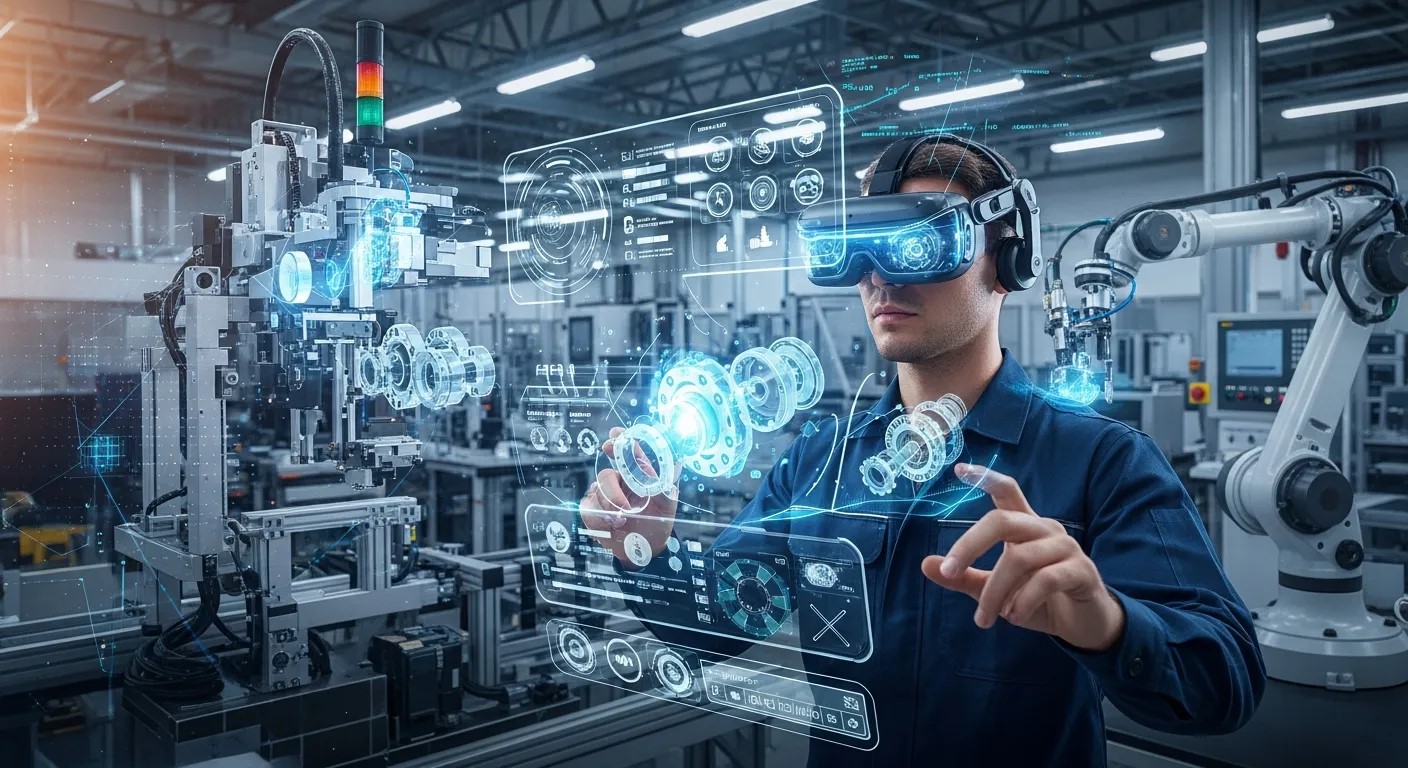
Artificial Intelligence (AI) has become a key enabler for Industrial AR Applications. By combining AI algorithms with AR interfaces, systems can provide intelligent recommendations, predict maintenance needs, and optimize workflows. For instance, AI Conversational Commerce tools can be integrated into AR-enabled service platforms, allowing technicians or managers to interact with virtual assistants for instant guidance, resource allocation, or troubleshooting tips.
This integration transforms AR from a passive visualization tool into an active decision-support system. It allows organizations to move from reactive maintenance to proactive and predictive operations, resulting in higher productivity and lower operational costs.
Safety Enhancement with AR Overlays
Industrial AR Applications significantly improve workplace safety by providing real-time hazard visualization. Technicians can see critical data such as temperature, pressure, or vibration levels overlaid directly on machines. In environments where heavy machinery or hazardous substances are present, these AR overlays act as a preventive tool, alerting workers to potential dangers before accidents occur.
Coupled with AR Navigation Systems, employees can navigate complex industrial sites safely, avoiding restricted zones or high-risk areas. The combined use of AR for safety and navigation ensures that Industrial AR Applications not only enhance productivity but also actively protect human lives.
Streamlining Collaboration and Remote Support
In globalized manufacturing, collaboration across multiple sites is often necessary. Industrial AR Applications enable remote experts to see what on-site workers see and provide guidance in real time. This capability reduces the need for travel, accelerates troubleshooting, and ensures consistent operational standards across facilities.
Furthermore, AR platforms with embedded AR Environment Mapping allow teams to share detailed virtual representations of factory floors or assembly lines. Remote teams can annotate equipment, suggest modifications, or simulate changes without interrupting ongoing operations, making Industrial AR Applications a critical tool for modern, distributed manufacturing teams.
Advanced Use Cases: Quality Control and Inspections
Quality control is another area benefiting from Industrial AR Applications. AR can overlay design specifications onto physical products, allowing inspectors to quickly identify deviations or defects. By integrating real-time measurement data and visual cues, inspections become faster, more accurate, and less reliant on manual checks.
Additionally, AR-enabled inspection reports can be stored digitally, creating a comprehensive record of production quality. When combined with Eco-Friendly AR Technology, the reduction of printed inspection sheets contributes to sustainability while maintaining rigorous quality standards. Industrial AR Applications thus enhance both operational efficiency and environmental responsibility.
Industrial AR Applications in Supply Chain Optimization
Supply chain efficiency is critical for manufacturing competitiveness, and Industrial AR Applications are reshaping this landscape. By overlaying inventory data, shipment schedules, and warehouse layouts onto the physical environment, AR helps workers locate materials, track stock, and optimize storage. This reduces delays, minimizes errors, and enhances operational efficiency.
For example, integrating AR Navigation Systems in warehouses allows staff to quickly identify the shortest routes to pick items, improving speed while reducing fatigue. Similarly, AR can provide alerts for perishable goods or high-priority shipments, ensuring timely processing and maintaining product quality across the supply chain. Industrial AR Applications thus enable smarter logistics and more responsive manufacturing operations.
Predictive Analytics and AR
Predictive analytics paired with Industrial AR Applications empowers manufacturers to anticipate equipment failures and optimize maintenance schedules. Sensors embedded in machinery generate real-time data, which AR platforms interpret and visualize for operators. This proactive approach minimizes downtime and prevents costly disruptions.
In addition, AR interfaces can display predictive insights directly on equipment, enabling technicians to take immediate action. Integrating AI Conversational Commerce allows users to query predictive models verbally, receive instant feedback, and make informed decisions faster. This synergy of analytics, AR, and AI transforms Industrial AR Applications from passive visualization tools into intelligent operational assistants.
AR in Equipment Design and Prototyping
Industrial AR Applications are revolutionizing how companies design and prototype machinery. Traditional prototyping involves physical models, costly materials, and iterative testing. AR allows engineers to overlay digital models onto real-world environments, simulating functionality and identifying design flaws before production begins.
AR Environment Mapping plays a crucial role here by providing accurate spatial context. Engineers can visualize how new components fit into existing systems, test assembly sequences virtually, and collaborate with remote teams seamlessly. By reducing physical prototyping, AR accelerates development timelines, lowers costs, and encourages innovative design practices across manufacturing sectors.
Enhancing Customer Engagement through AR
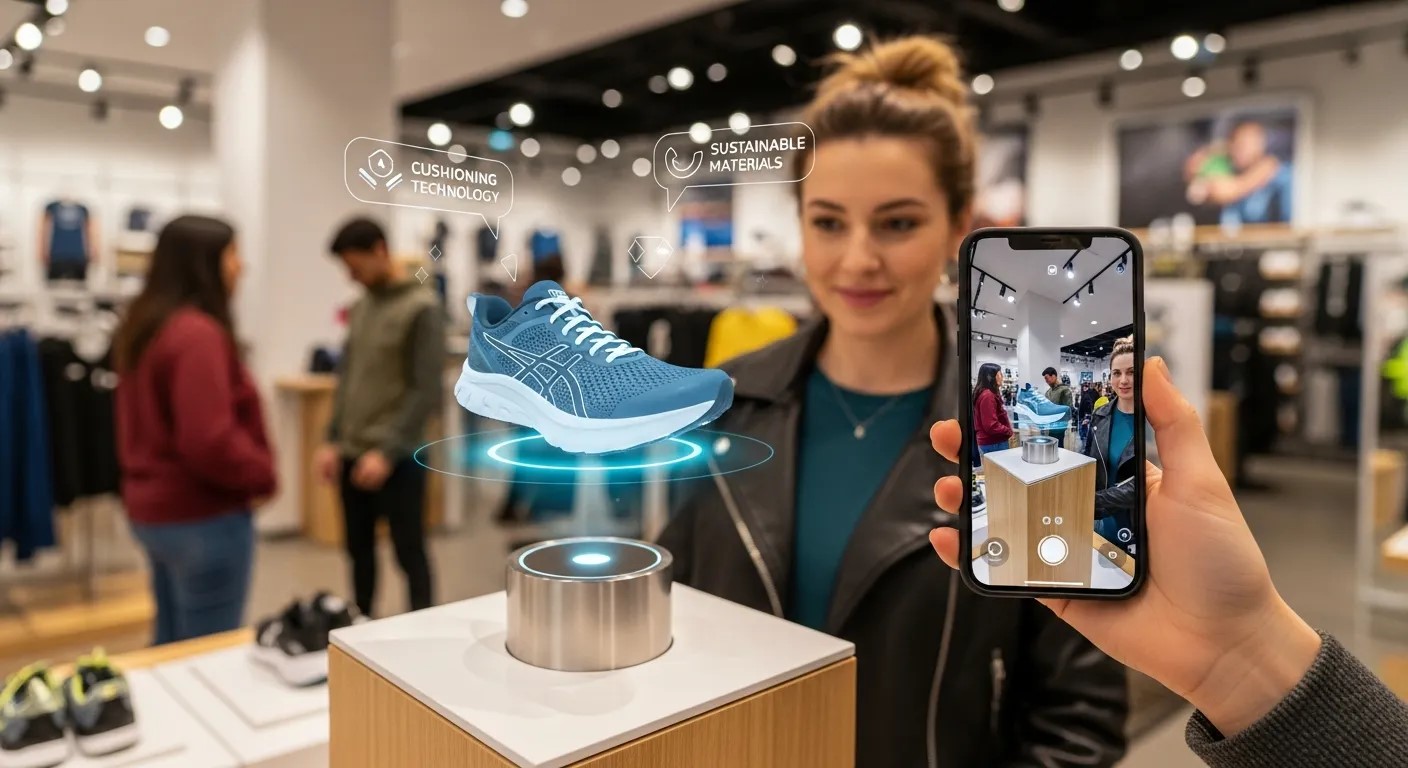
Industrial AR Applications are not just internal tools they also improve customer interactions. Manufacturers can demonstrate machinery performance, assembly processes, and maintenance procedures using AR overlays during client visits or virtual demonstrations.
Incorporating Chatbots in B2B Marketing within these AR experiences provides real-time information, answers client queries, and guides potential buyers through technical details. This combination enhances transparency, builds trust, and accelerates purchasing decisions. By integrating AR into marketing and client interactions, manufacturers extend the benefits of Industrial AR Applications beyond operational efficiency to strategic business growth.
Future Trends in Industrial AR Applications
The future of Industrial AR Applications is marked by increased connectivity, intelligence, and sustainability. Emerging trends include:
-
Wearable AR Devices: Smart glasses and headsets offering hands-free instructions and real-time feedback.
-
IoT-Integrated AR: Seamless interaction between sensors, machines, and AR interfaces for data-driven operations.
-
Eco-Friendly AR Technology: Reducing material waste and energy consumption through virtual simulations and digital workflows.
-
Inclusive AR Design: Expanding accessibility to diverse workforce capabilities, supporting multilingual and adaptive interfaces.
These trends highlight how Industrial AR Applications will continue to evolve, making manufacturing and maintenance more efficient, sustainable, and inclusive.
Cross-Functional Collaboration with AR
Industrial AR Applications also foster cross-functional collaboration across departments. Design, engineering, maintenance, and logistics teams can interact within the same AR environment, overlaying data relevant to their workflows. This integrated approach reduces silos, improves communication, and enhances decision-making efficiency.
By combining AR with Inclusive AR Design, teams ensure that all members, regardless of technical proficiency, can participate meaningfully. Moreover, incorporating AI Conversational Commerce tools into these collaborative sessions provides on-demand guidance, ensuring that insights are actionable and accessible to everyone involved.
Case Studies of Industrial AR Applications
Real-world examples demonstrate the transformative power of Industrial AR Applications. Major manufacturing firms are leveraging AR to streamline operations, enhance worker productivity, and reduce downtime.
For instance, a leading automotive manufacturer integrated AR Navigation Systems on its assembly lines to guide workers through complex component installations. This reduced assembly errors by 30% and shortened onboarding time for new employees. Similarly, heavy machinery producers are using AR Environment Mapping to visualize equipment layouts during installation and maintenance, enabling faster troubleshooting and minimizing service interruptions. These examples underscore how Industrial AR Applications are no longer experimental—they are operational essentials.
ROI and Efficiency Gains
One of the most compelling arguments for adopting Industrial AR Applications is the measurable return on investment (ROI). Companies report reductions in operational errors, improved maintenance efficiency, and significant savings in labor hours.
By implementing AR-guided workflows, maintenance teams can complete tasks up to 40% faster. Eco-Friendly AR Technology contributes indirectly by lowering material waste from printed manuals and reducing energy consumption through virtual simulations. Collectively, these factors demonstrate that Industrial AR Applications not only enhance operational efficiency but also deliver tangible financial benefits.
Addressing Implementation Challenges
While the advantages are clear, successful implementation of Industrial AR Applications requires overcoming several challenges. Integrating AR into legacy systems, training staff, and ensuring hardware compatibility can be complex. Organizations must also consider ergonomic factors and ensure that Inclusive AR Design principles are followed to accommodate all workers.
Additionally, data security is critical. Industrial AR Applications often interface with sensitive operational data, making robust cybersecurity protocols essential. Strategic planning, phased implementation, and continuous monitoring are necessary to maximize benefits while minimizing risks.
Practical Steps for Implementation
Implementing Industrial AR Applications effectively involves several strategic steps:
-
Assessment of Needs: Identify processes that will benefit most from AR integration, such as maintenance, training, or quality control.
-
Technology Selection: Choose hardware and software platforms that align with operational goals, including wearable devices, AR software suites, and IoT sensors.
-
Pilot Programs: Start with small-scale pilots to evaluate efficiency gains, troubleshoot issues, and gather user feedback.
-
Training & Support: Equip employees with skills to use AR tools efficiently and safely, leveraging interactive tutorials and AI guidance.
-
Scalability Planning: Expand AR solutions gradually while integrating Chatbots in B2B Marketing or other AI tools for enhanced interaction.
-
Sustainability Focus: Incorporate Eco-Friendly AR Technology practices to reduce environmental impact and optimize digital workflows.
By following these steps, companies can seamlessly integrate Industrial AR Applications into their manufacturing and maintenance operations, ensuring maximum ROI and operational improvement.
Enhancing Workforce Productivity
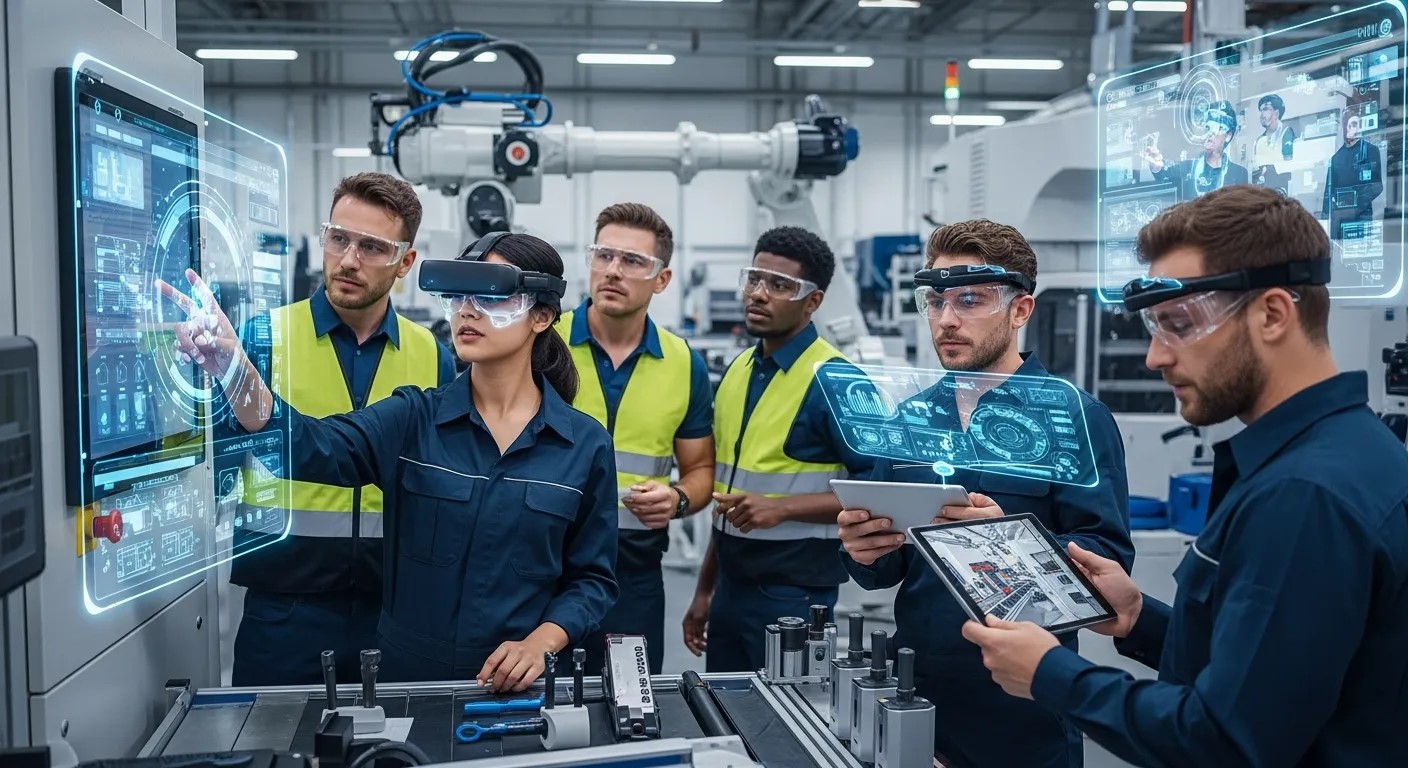
Industrial AR Applications are also enhancing workforce productivity in significant ways. Technicians can receive real-time instructions via AR overlays, minimizing delays and improving task accuracy. By combining AR with AI Conversational Commerce, employees can ask for procedural guidance or diagnostic insights directly, creating a hands-free, interactive support system.
Moreover, inclusive AR interfaces allow workers of varying skill levels to perform complex tasks effectively. The integration of AR into daily operations empowers employees, reduces cognitive load, and fosters a culture of continuous improvement across the organization.
Conclusion
Industrial AR Applications are revolutionizing manufacturing and maintenance by combining visualization, real-time data, and intelligent guidance. From enhancing operational efficiency to reducing errors and downtime, AR is becoming a critical tool across industries. Technologies such as AR Navigation Systems and AR Environment Mapping streamline workflows, while Eco-Friendly AR Technology ensures sustainable practices. Inclusive design principles expand accessibility for diverse workforces, and AI integrations, including AI Conversational Commerce, empower teams with predictive insights and interactive support. By adopting Industrial AR Applications, organizations can achieve faster maintenance, higher productivity, improved safety, and measurable ROI, positioning themselves as leaders in modern, innovative manufacturing.
Frequently Asked Questions (FAQ)
What are Industrial AR Applications?
Industrial AR Applications are augmented reality tools used in manufacturing and maintenance to visualize equipment, guide technicians, and optimize workflows for efficiency and safety.
How do AR Navigation Systems help in manufacturing?
AR Navigation Systems provide real-time guidance on factory floors, helping workers locate equipment, materials, and assembly points quickly while minimizing errors and improving workflow efficiency.
Can AR improve maintenance processes?
Yes, AR overlays diagnostic information, step-by-step instructions, and predictive analytics directly on machinery, reducing downtime, enhancing accuracy, and allowing proactive maintenance.
Are Industrial AR Applications eco-friendly?
With Eco-Friendly AR Technology, industries reduce reliance on printed manuals, physical prototypes, and repetitive training materials, minimizing waste and energy consumption while improving sustainability.
How does AI integrate with Industrial AR Applications?
AI integrations, including AI Conversational Commerce, provide predictive insights, interactive guidance, and intelligent decision support, turning AR into a proactive operational tool for maintenance, training, and production optimization.