Inclusive AR enhances accessibility in augmented reality through AI-powered tools, navigation systems, and environment mapping. By embracing multi-sensory, sustainable, and adaptive design, AR experiences become universally usable, supporting users across healthcare, education, retail, and corporate environments.
Inclusive AR Design for Accessible Augmented Reality
Augmented Reality (AR) has transformed the way we interact with digital information in real-world environments. As this technology grows, the need for Inclusive AR design becomes more critical. Inclusive design ensures that AR applications are usable by everyone, including individuals with disabilities, and creates experiences that are universally accessible without compromising functionality or engagement. By focusing on accessibility from the early stages of AR development, designers and developers can create applications that reach wider audiences while adhering to ethical design principles.
Understanding Inclusive AR
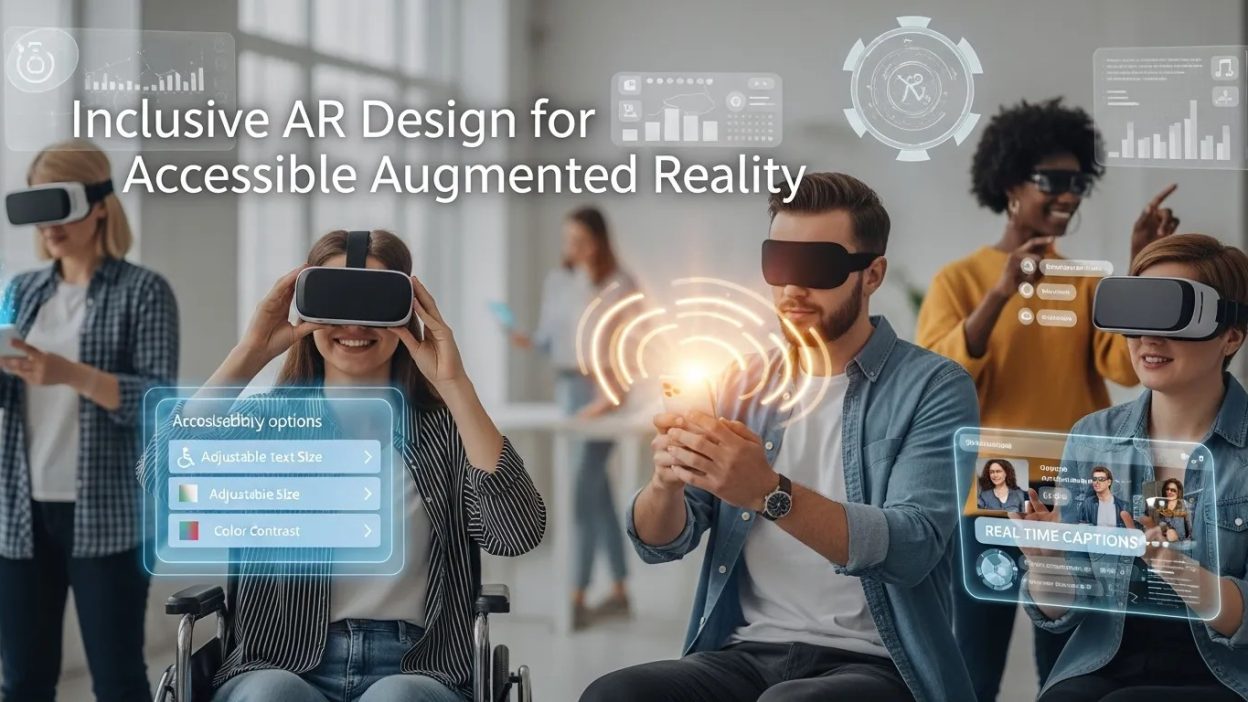
Inclusive AR is the practice of designing augmented reality systems that accommodate a diverse range of users, including those with visual, auditory, cognitive, and mobility impairments. Unlike standard AR applications, inclusive designs consider accessibility features such as voice-guided navigation, tactile feedback, adjustable display settings, and alternative input methods. The goal is not only to comply with accessibility regulations but also to create an immersive and user-friendly experience for all users.
Designing for inclusivity requires a deep understanding of user needs. Developers must research how different users interact with AR interfaces, including potential barriers they may face. For example, users with limited mobility may require gesture-free controls, while visually impaired users may rely on auditory cues or AI-powered haptic feedback systems.
Key Principles of Accessible AR Design
-
Perceptibility: Ensuring that all visual, auditory, and tactile information is perceivable to every user. This may involve adjustable font sizes, color contrast options, and alternative sensory outputs.
-
Operability: Interfaces should be operable through multiple input methods, accommodating users with limited dexterity. For example, voice commands or simplified gesture recognition can enhance usability.
-
Understandability: Content and navigation should be easy to comprehend. Clear labeling, simple instructions, and consistent interaction patterns reduce cognitive load and enhance accessibility.
-
Robustness: AR applications should function across a variety of devices, platforms, and assistive technologies, ensuring a consistent experience for all users.
Implementing AR Navigation Systems for Accessibility
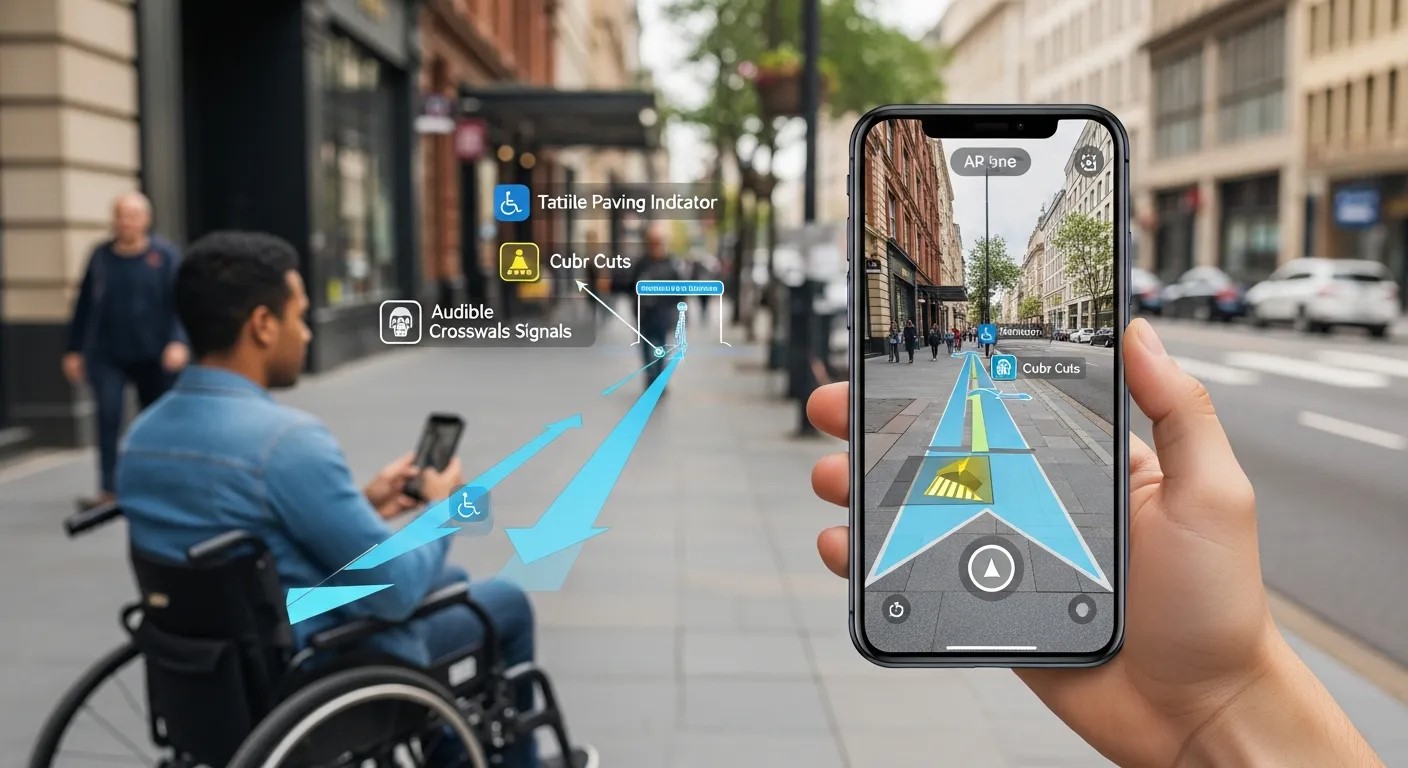
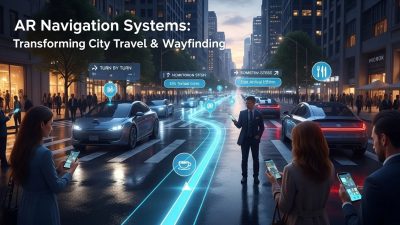
One of the most impactful applications of Inclusive AR is in navigation. AR Navigation Systems can help users navigate complex environments such as airports, hospitals, or shopping centers. For visually impaired users, AR can provide voice-guided directions or haptic feedback that communicates proximity to obstacles.
Designing accessible AR navigation requires integration with existing mapping and sensor technologies. Developers can leverage AR Environment Mapping to create detailed spatial representations, enabling accurate pathfinding and real-time guidance. By overlaying digital cues onto physical spaces, these systems reduce confusion and enhance independence for users with disabilities.
Leveraging AR Environment Mapping
AR Environment Mapping is a critical component of creating inclusive experiences. It involves creating detailed, three-dimensional models of physical spaces that AR applications can reference for interactions and navigation. These maps allow AR systems to recognize obstacles, identify points of interest, and adapt content placement for maximum accessibility.
For example, in a museum, AR environment mapping can help users locate exhibits while providing context-specific information through audio narration or visual overlays. In outdoor spaces, it can support safe navigation for wheelchair users by highlighting ramps and pathways while avoiding stairs or uneven terrain.
Eco-Friendly AR Technology in Inclusive Design
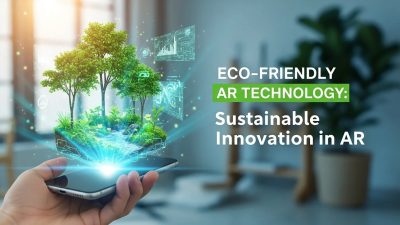
Sustainability is an emerging consideration in AR development. Eco-Friendly AR Technology focuses on designing applications that minimize energy consumption, reduce device resource load, and promote long-term environmental benefits. Inclusive AR design can integrate eco-friendly practices by optimizing software efficiency, encouraging low-power modes, and selecting sustainable hardware.
By combining eco-conscious development with accessibility, designers ensure that inclusive AR applications are not only user-friendly but also environmentally responsible. This approach appeals to socially conscious users and aligns with global sustainability goals, creating a positive impact beyond accessibility alone.
AI-Powered AR Vision for Enhanced User Experience
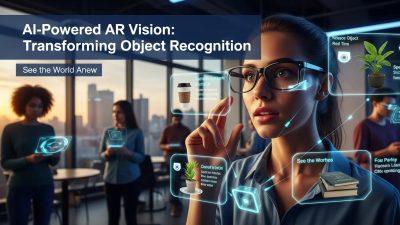
AI-Powered AR Vision is transforming accessibility in AR by providing intelligent assistance and adaptive interfaces. Machine learning algorithms can interpret the user’s environment, recognize objects, and deliver personalized guidance based on individual needs.
For example, AI-powered AR can detect obstacles for users with mobility impairments, describe visual scenes for the visually impaired, or highlight interactive elements in complex interfaces. By integrating AI, developers can create Inclusive AR experiences that dynamically adjust to the user’s context, preferences, and abilities.
AR in Commerce and B2B Applications
The integration of AR into business contexts has opened new opportunities for inclusive experiences. Chatbots in B2B Marketing and AI Conversational Commerce can complement AR applications by providing real-time assistance, answering queries, and guiding users through product demonstrations.
In a retail environment, AR can allow users to visualize products in their physical space, while AI chatbots answer questions about accessibility features, pricing, and usage instructions. For B2B clients, AR tools combined with conversational AI improve training, onboarding, and support processes, ensuring inclusivity across diverse teams.
Designing for Multi-Sensory Accessibility
Inclusive AR design should incorporate multiple sensory channels to accommodate different user needs. For example:
-
Visual: High-contrast interfaces, scalable text, and AR overlays with clear visual cues.
-
Auditory: Voice commands, descriptive audio, and adjustable volume levels.
-
Tactile: Haptic feedback for notifications, navigation, and interactions.
By blending these sensory modalities, developers can create holistic experiences that cater to a broader range of users, making AR applications more intuitive and universally usable.
Standards and Guidelines for Accessible AR
To ensure Inclusive AR, designers should follow established accessibility standards, such as the Web Content Accessibility Guidelines (WCAG) and the emerging AR/VR-specific standards from organizations like ISO and W3C. These frameworks provide guidelines for contrast ratios, text readability, gesture-based interactions, and environmental adaptability.
Adhering to these standards not only ensures compliance but also signals to users that accessibility is a priority, building trust and improving adoption rates.
Advanced Interaction Techniques in Inclusive AR
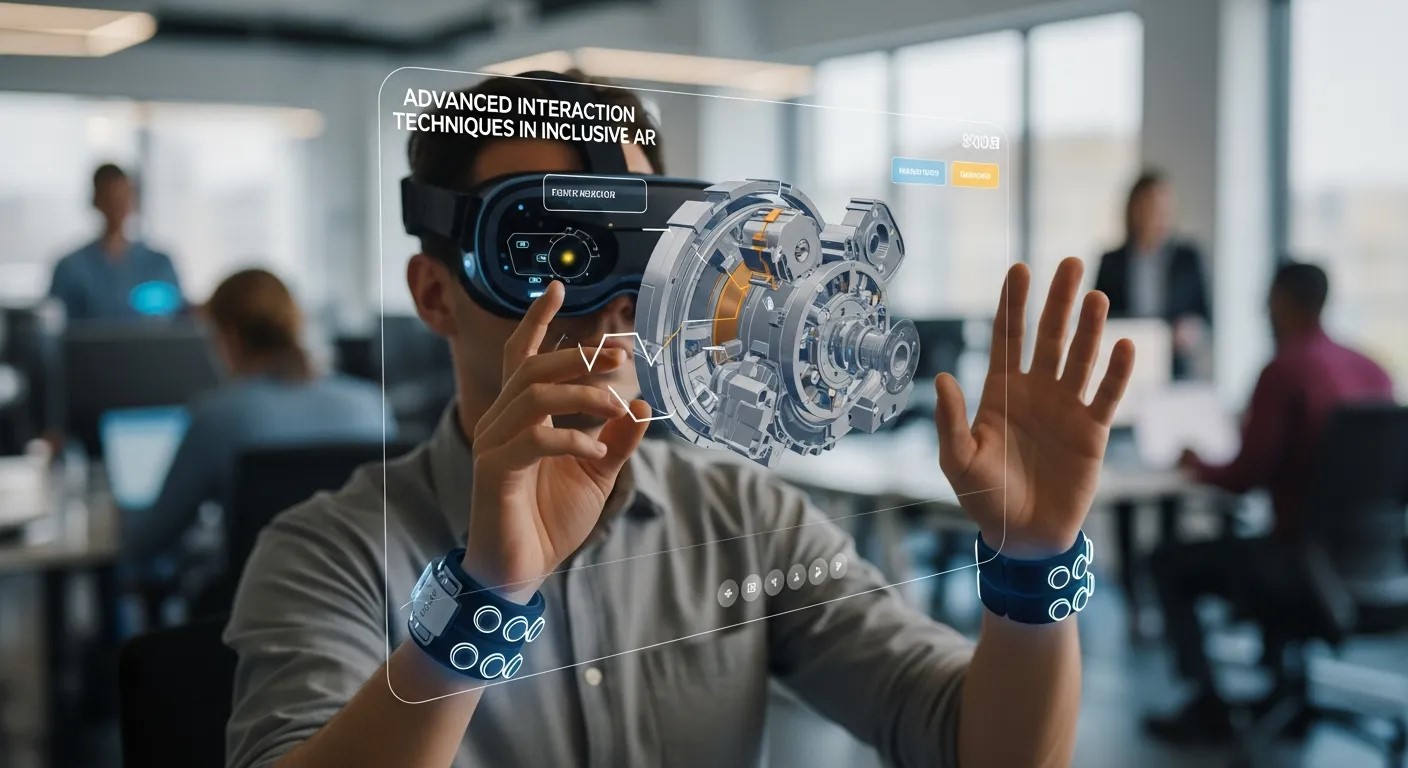
Creating Inclusive AR experiences goes beyond basic accessibility features. Developers must consider how users interact with augmented reality environments in dynamic and intuitive ways. Advanced interaction techniques involve gesture recognition, voice control, and eye-tracking systems that accommodate users with varying abilities. By implementing multiple input methods, applications can provide a seamless experience for users who may not be able to use traditional touch controls.
For example, a gesture-free interface powered by AI can allow users with mobility impairments to navigate complex AR menus without physical input. Similarly, integrating AI-Powered AR Vision helps applications understand context and deliver adaptive content that suits the user’s capabilities. These systems analyze user behavior and environmental conditions to dynamically adjust AR elements, ensuring that accessibility is maintained in all scenarios.
Personalized AR Experiences Through AI
Personalization is key to making Inclusive AR truly effective. By leveraging AI algorithms, AR systems can learn user preferences and tailor the interface accordingly. Features such as adjustable font sizes, custom audio cues, and haptic feedback can be automatically applied based on user behavior.
In retail and commercial applications, AI Conversational Commerce can further enhance inclusivity by providing real-time guidance. For instance, users can ask an AI assistant about product specifications or accessibility features, and the system can respond with voice or AR overlays. This integration ensures that every interaction is personalized, efficient, and fully accessible.
Integrating AR Navigation Systems
Navigation is a core use case for Inclusive AR. AR Navigation Systems guide users through complex indoor and outdoor environments using augmented overlays and spatial audio cues. For users with visual impairments, audio descriptions and directional vibrations can provide critical guidance. Users with cognitive disabilities can benefit from simplified route visualizations and step-by-step instructions.
Combining AR Environment Mapping with navigation systems allows applications to adapt in real time. For example, if a pathway becomes obstructed, the AR system can reroute the user instantly. This ensures that users can rely on AR for independent mobility while maintaining safety and accessibility.
AR for Education and Training
Inclusive AR can revolutionize education by providing multi-sensory learning experiences. Students with disabilities can interact with Inclusive AR content in ways that suit their abilities, including audio narration, interactive 3D models, and haptic feedback. AI-driven systems can assess user progress and adjust difficulty or presentation style accordingly.
In corporate training environments, AR combined with Chatbots in B2B Marketing concepts allows learners to ask questions and receive immediate, context-aware guidance. This approach ensures that training is accessible, engaging, and effective for employees with diverse needs.
Sustainability and Eco-Friendly AR Technology
Incorporating Eco-Friendly AR Technology into inclusive design is not just ethical but strategic. Energy-efficient AR applications reduce device battery consumption, making technology more accessible to users who rely on mobile or wearable devices. Optimized applications also reduce strain on hardware, ensuring consistent performance across older or lower-powered devices.
Sustainable AR design aligns with broader corporate social responsibility goals while enhancing user experience. By integrating eco-conscious features, developers create inclusive and environmentally responsible AR systems that appeal to conscious consumers.
Multi-Device Compatibility
True Inclusive AR must function across a variety of devices, including smartphones, AR glasses, and wearable sensors. Device compatibility ensures that users are not excluded due to hardware limitations. Developers should design responsive interfaces that automatically adjust to different screen sizes, input methods, and performance capabilities.
For example, AR applications on wearable glasses can provide heads-up navigation with AR Environment Mapping, while mobile apps deliver the same functionality via screen overlays and audio cues. By maintaining consistent accessibility features across devices, developers expand the reach of inclusive AR experiences.
Testing for Accessibility
Testing is crucial to ensure that Inclusive AR features meet real-world needs. This involves recruiting users with varying abilities to participate in usability studies and gather feedback on navigation, content comprehension, and interaction comfort. AI-driven analytics can track engagement and identify areas for improvement.
Testing also ensures that supporting technologies like AI-Powered AR Vision and AR Navigation Systems function correctly for all users, providing a reliable, inclusive experience. Continuous iteration based on user feedback strengthens both usability and accessibility compliance.
Future Trends in Inclusive AR
The future of Inclusive AR involves integrating more intelligent AI, adaptive interfaces, and universal design principles. Advances in AI-Powered AR Vision and sensor technology will enable applications to anticipate user needs proactively, enhancing accessibility without requiring manual adjustments.
Emerging areas such as voice-first AR, gesture-free interactions, and haptic-enabled feedback will create richer inclusive experiences. Combined with AI Conversational Commerce and Chatbots in B2B Marketing, these systems will transform how businesses, educators, and consumers interact with augmented reality, ensuring that no user is left behind.
Implementing Inclusive AR in Real-World Applications
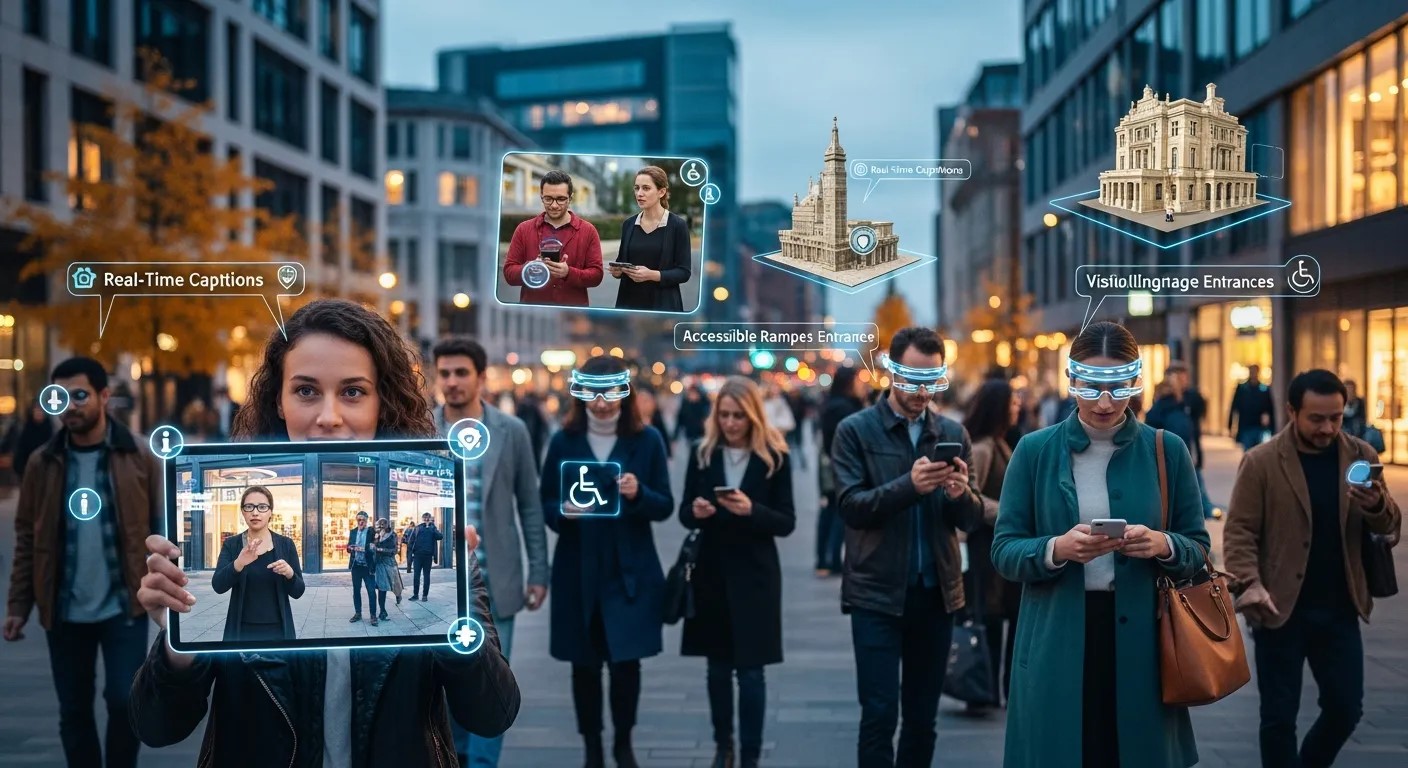
Successfully deploying Inclusive AR requires thoughtful planning and integration of both hardware and software components. The key is to ensure that accessibility features are not an afterthought but are built into the AR experience from the beginning. Developers should consider multiple user scenarios, including visual, auditory, and mobility-related challenges, while leveraging emerging technologies like AI and environmental mapping.
AR Accessibility Toolkits
One approach to streamlining Inclusive AR development is through AR accessibility toolkits. These frameworks provide pre-built components that enable:
-
Voice guidance and audio cues for visually impaired users
-
Haptic feedback for spatial navigation and notifications
-
Adjustable visual overlays with customizable contrast, color schemes, and text sizes
-
Gesture recognition and alternative input methods for users with limited mobility
By using these toolkits, developers can accelerate the creation of accessible experiences while maintaining high usability standards. Additionally, integrating AI-Powered AR Vision can further enhance these toolkits by providing real-time object recognition and environmental analysis.
AR in Healthcare
Healthcare is a prime example of how Inclusive AR can transform accessibility. Applications such as virtual rehabilitation, patient education, and medical training can benefit from AR interfaces that adapt to individual patient needs. For instance, AR overlays can highlight muscle groups during physical therapy exercises, while voice instructions provide step-by-step guidance.
AR Navigation Systems are particularly valuable in hospitals, guiding patients and visitors through complex layouts while accounting for mobility limitations. AR Environment Mapping ensures that paths are safe and efficient, reducing stress and enhancing independence for users with disabilities.
AR in Retail and E-Commerce
The retail sector is increasingly adopting AR for interactive product visualization. Inclusive AR ensures that every customer can access these experiences. Applications can use AI to provide audio descriptions of products, highlight accessibility features, or adjust visual displays for users with low vision.
Integrating AI Conversational Commerce allows users to interact with virtual assistants for product recommendations, order placement, and real-time support. This combination of AR visualization and intelligent AI ensures that shopping remains accessible, inclusive, and efficient.
AR in Tourism and Cultural Experiences
Tourism benefits greatly from Inclusive AR by providing immersive and accessible experiences. Visitors with disabilities can explore historical sites, museums, and cityscapes with AR guides tailored to their needs. Audio descriptions, directional cues, and interactive 3D models enhance engagement while removing barriers.
AR Environment Mapping helps these applications deliver accurate spatial guidance, while Eco-Friendly AR Technology ensures that AR experiences remain sustainable for large-scale implementations, such as outdoor tours or city-wide installations.
Gamification and Learning
Inclusive AR also enhances learning and gamification. Educational applications can provide multi-sensory experiences, allowing students with disabilities to interact with AR simulations using voice commands, touch-free gestures, and haptic feedback.
For example, in science education, a 3D AR model of the human body can be explored through audio narration, tactile cues, and interactive hotspots, ensuring that students with diverse abilities can fully engage with the content.
Corporate Training and Remote Collaboration
Businesses are leveraging Inclusive AR for employee training and remote collaboration. AR simulations allow employees to practice tasks in a safe virtual environment, while Chatbots in B2B Marketing can answer accessibility-related questions in real time.
By incorporating multi-modal interactions, AI-guided instructions, and AR overlays, training becomes more inclusive and adaptable to different learning styles. This approach improves skill acquisition while promoting diversity and equity within corporate environments.
Multi-Sensory AR Interfaces
To maximize accessibility, AR interfaces should leverage multiple sensory modalities simultaneously. Inclusive AR can combine visual, auditory, and tactile inputs to create robust experiences. For instance:
-
A navigation app could provide on-screen arrows, audio directions, and vibrating wristbands to guide users simultaneously.
-
Educational AR content can pair visual diagrams with spoken explanations and haptic feedback to reinforce learning.
This multi-sensory approach ensures that users with varying abilities can access information in a manner that suits their preferences.
Integration with Smart Environments

The future of Inclusive AR involves connecting AR applications with smart environments. IoT devices, smart sensors, and location-aware systems can communicate with AR apps to provide real-time feedback, optimize accessibility, and enhance user experience.
For example, in a smart building, AR systems could adjust lighting, provide voice alerts for upcoming stairs, or highlight accessible routes based on a user’s mobility requirements. Combining AR Navigation Systems with environmental intelligence ensures safety, convenience, and inclusivity.
Measuring the Impact of Inclusive AR
To assess the effectiveness of Inclusive AR, developers should track user engagement, accessibility compliance, and usability metrics. Surveys, analytics, and AI-driven insights can help identify barriers, highlight areas for improvement, and quantify benefits.
By continuously evaluating AR applications, designers ensure that accessibility remains a core principle rather than a temporary addition. This feedback loop is essential for refining features such as AI-Powered AR Vision, environmental mapping, and multi-sensory interfaces.
Conclusion
Inclusive AR is transforming augmented reality into a universally accessible technology, ensuring users of all abilities can benefit from immersive experiences. By integrating AR Navigation Systems, AR Environment Mapping, AI-Powered AR Vision, and eco-conscious practices, developers can create adaptive and intuitive interfaces. Applications in healthcare, education, retail, tourism, and corporate training demonstrate the real-world potential of inclusive design. Combining AI-driven personalization, multi-sensory feedback, and sustainability ensures that AR experiences are effective, engaging, and socially responsible. As technology evolves, Inclusive AR will continue to expand opportunities for accessibility, bridging gaps and empowering users globally.
Frequently Asked Questions (FAQ)
What is Inclusive AR?
Inclusive AR refers to augmented reality designed for accessibility, ensuring users with disabilities can interact seamlessly with digital content in real-world environments.
How do AR Navigation Systems improve accessibility?
They provide voice guidance, haptic feedback, and adaptive routing, helping users navigate spaces independently, including visually or mobility-impaired users.
What role does AI-Powered AR Vision play?
It interprets environments, personalizes interfaces, and dynamically adjusts content for individual accessibility needs.
Can Inclusive AR be eco-friendly?
Yes, by optimizing energy use, reducing hardware strain, and implementing sustainable AR practices without compromising accessibility.
Where is Inclusive AR applied?
Healthcare, education, retail, tourism, corporate training, and B2B applications all benefit from inclusive AR design.