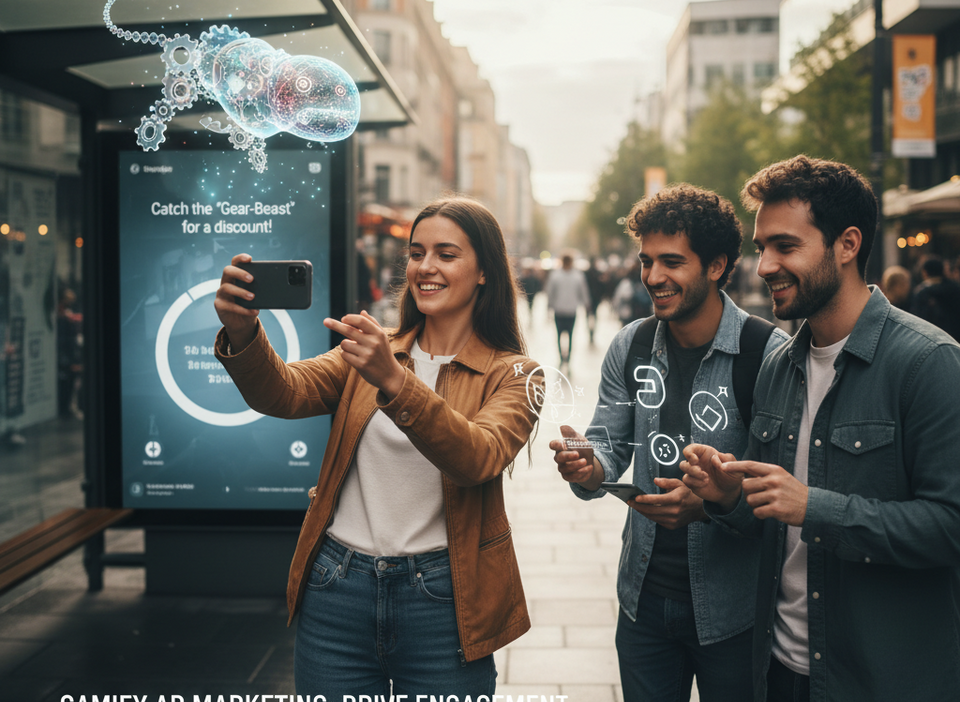
In today’s digital landscape, brands seek fresh ways to captivate audiences and stand out from the competition. Gamified AR marketing offers a dynamic solution by merging augmented reality experiences with game mechanics to transform passive viewers into active participants. This year (2026), marketers are leveraging interactive ads that blur the lines between digital and physical realms, driving engagement, boosting brand recall, and ultimately increasing conversions. By embedding points, badges, challenges, and rewards within AR overlays, companies can create immersive journeys that keep users coming back for more.
As we explore the potential of gamified AR marketing, you’ll learn how to plan, execute, and measure campaigns that resonate with modern consumers. We’ll examine key benefits such as extended session durations and stronger emotional connections, while also highlighting real-world examples from retail, beauty, food & beverage, and automotive sectors. Alongside strategic best practices, this guide will offer actionable insights on setting clear objectives, designing intuitive user experiences, and leveraging data to optimize results.
Whether you’re a seasoned digital marketer or brand manager exploring new frontiers, understanding how to harness game dynamics within AR can elevate your advertising efforts. Throughout this article, we’ll reference authoritative research from leading institutions like Stanford University and government sources such as NASA to illustrate best practices and emerging trends. Let’s dive into the world of gamified AR marketing and discover how interactive ads can drive deeper engagement and deliver measurable ROI.
What Is Gamification in AR Marketing?
Gamification integrates game-like mechanics into non-game contexts, applying elements such as points, badges, leaderboards, challenges, and rewards to encourage specific behaviors. When combined with augmented reality (AR), these mechanics appear as digital overlays on the real world, inviting users to interact with branded content in novel ways. Instead of simply viewing an advertisement, participants embark on missions, collect virtual objects, or unlock exclusive experiences—all within their physical environment.
AR technology uses the device’s camera and sensors to superimpose 3D graphics, animations, or interactive elements onto real-world scenes. By layering game mechanics on top, brands create an engaging narrative that motivates users to explore further. For instance, a gamified AR campaign might present a map with hidden tokens scattered around a city. Users scan locations with their smartphones, earn points for each discovery, and compete on a live leaderboard. This fusion of digital rewards and physical exploration transforms each ad into an experience worth sharing and replaying.
Key components of gamified AR marketing include:
- Clear objectives—Users know what they need to achieve, whether it’s collecting five virtual badges or topping a weekly leaderboard.
- Instant feedback—Dynamic AR overlays respond immediately, displaying scores, animations, or progress bars.
- Reward structures—Incentives range from digital badges to real-world discounts or exclusive product bundles.
- Social integration—Built-in sharing options encourage participants to broadcast achievements across social media channels.
By weaving these elements into AR campaigns, companies can move beyond traditional static ads and foster meaningful interactions. Gamified AR marketing taps into fundamental human motivations—competition, achievement, and social recognition—resulting in richer brand experiences that resonate long after the app closes.
Key Benefits of Gamified AR Marketing
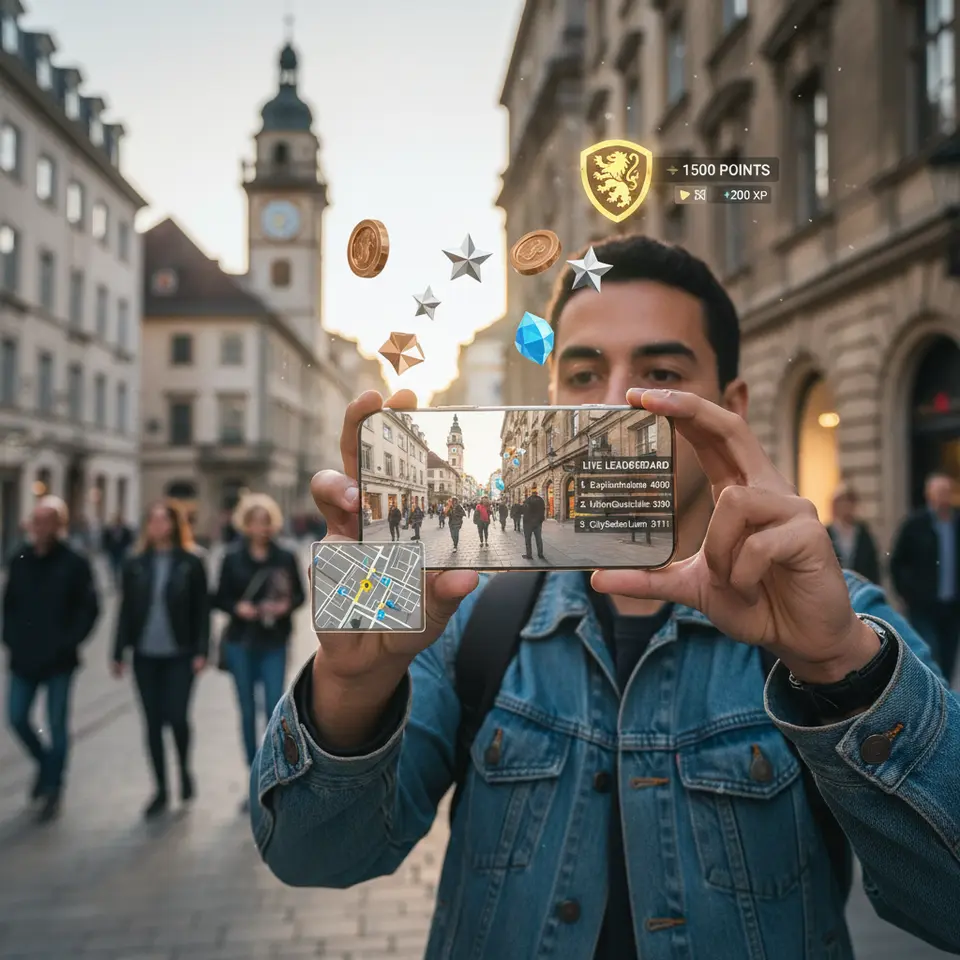
Brands investing in gamified AR marketing unlock a multitude of advantages that extend well beyond simple click-through rates. In today’s competitive environment, interactive ads offer unique selling points that static banners or video spots cannot match.
- Enhanced Engagement: By challenging users with interactive tasks and providing tangible rewards, gamified experiences significantly increase session durations. Participants often spend several minutes or more engaging with AR content, boosting brand visibility and dwell time.
- Improved Brand Recall: Research from Stanford University indicates that interactive experiences create stronger memory encoding compared to passive ad formats. When consumers actively participate, they form emotional connections that deepen recall.
- Viral Potential: Leaderboards, achievement badges, and social sharing prompts turn satisfied participants into brand advocates. Peer-to-peer recommendations amplify reach organically, reducing acquisition costs.
- Rich Data Insights: Gamified AR platforms provide real-time analytics on user behavior, including completion rates, preferred features, and drop-off points. Brands can refine targeting, adjust difficulty levels, or personalize future campaigns based on these insights.
- Higher Conversion Rates: Structured reward systems guide participants toward desired actions—whether signing up for a newsletter, redeeming a discount code, or making a purchase. Clear incentive paths reduce friction and boost conversion rates.
Beyond these core benefits, gamified AR marketing empowers brands to differentiate themselves. Consumers today expect immersive, interactive content, and campaigns that surprise and delight stand out in crowded digital channels. By aligning playfulness with strategic business objectives, companies can achieve stronger engagement metrics, deeper loyalty, and sustainable competitive advantages.
Real-World Examples of Interactive AR Ads
Several leading brands have already embraced gamified AR marketing to deliver memorable experiences and measurable results. Their successes illustrate how creative execution and clear objectives can transform ordinary campaigns into interactive sensations.
Retail Scavenger Hunt
A global apparel retailer launched an in-store AR scavenger hunt that encouraged shoppers to scan markers throughout the store. Each scan revealed a virtual clothing item and awarded points redeemable for discounts at checkout. This initiative increased time spent in-store by 40% and boosted average order values by 25%, demonstrating the power of blended physical-digital experiences.
Beauty Brand Try-On Quest
A cosmetics company introduced an AR makeup app where users could test different looks, earn badges for completing themed quests (‘summer glow’, ‘nightlife drama’), and unlock exclusive product bundles. Social share prompts at milestone achievements drove a 150% increase in user-generated content, while app downloads rose by 80% in just a few weeks.
Food & Beverage Virtual Spin the Wheel
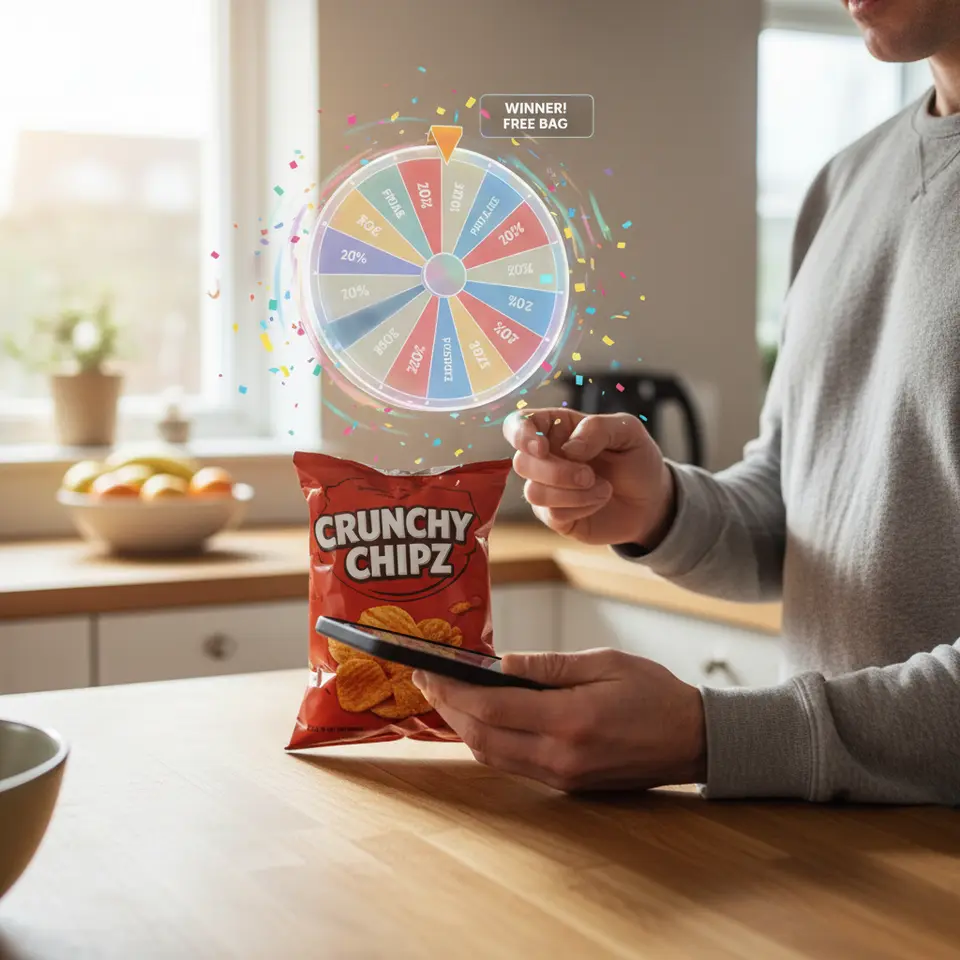
One fast-food chain placed AR markers on packaging, inviting customers to scan and play a virtual spin-the-wheel game. Prizes ranged from free menu items to limited-edition merchandise. The campaign achieved a 20% redemption rate and doubled loyalty program enrollment within six weeks.
Automotive Test Drive Challenge
An automaker’s AR app let users complete virtual test-drive challenges on iconic racetracks, complete with real-time lap timing and a global leaderboard. Gamification generated 30,000 qualified leads and boosted dealership visits by 18%, proving that interactive experiences can accelerate the purchase funnel.
These examples illustrate how diverse industries can adapt gamified AR marketing to their unique goals. Whether driving foot traffic, increasing app engagement, or generating qualified leads, interactive ads offer flexible frameworks to achieve success in today’s market.
Best Practices for Gamified AR Campaigns
To maximize the impact of gamified AR marketing, follow these strategic guidelines and design principles:
1. Align Mechanics with Brand Objectives
Start by defining clear goals—brand awareness, lead generation, user acquisition, or sales. Select game elements that naturally reinforce these objectives. For instance, if the aim is social amplification, incorporate shareable badges or referral rewards. For direct sales, offer discount unlocks tied to in-app achievements.
2. Prioritize User Experience
Ensure AR content loads quickly and functions smoothly across devices. Use intuitive on-screen prompts or animated avatars to guide participants through each challenge. Minimize instructions and streamline interactions to reduce drop-off rates.
3. Design Meaningful Rewards
Offer a tiered incentive system that balances digital and tangible prizes. Early-stage rewards should be easy to attain, building momentum and motivation. Higher-tier rewards can include exclusive merchandise, limited-edition products, or special event access.
4. Leverage Context and Location
Combine geolocation data with AR gamification to create hyper-local experiences. Hide virtual tokens at partner stores, landmarks, or event venues to drive foot traffic and foster local partnerships.
5. Foster Social Sharing
Embed social share buttons at key milestones to encourage participants to post achievements on platforms like Instagram, TikTok, or Twitter. Consider adding branded AR filters or frames to amplify reach and visibility.
By adhering to these best practices, marketers can deliver polished, engaging experiences that resonate with modern audiences. Remember that simplicity and clarity often outperform complex mechanics, so focus on crafting compelling narratives and smooth user journeys.
Measuring Success & Future Trends
Evaluating performance metrics is critical for understanding the ROI of gamified AR marketing and guiding continuous improvement. Key performance indicators (KPIs) to track include:
- Engagement Rate: Percentage of users who initiate and complete AR interactions.
- Session Duration: Average time spent exploring AR environments.
- Conversion Rate: Ratio of participants who complete targeted actions such as purchases or sign-ups.
- Social Shares: Number of posts, likes, and referrals generated from the campaign.
- Retention Rate: Percentage of users returning for repeat play or additional challenges.
Utilize A/B testing to compare variations in reward thresholds, game lengths, and UI designs. Analyze aggregated data to identify high-performing elements and iterate rapidly. Integrating analytics platforms and CRM systems enables a holistic view of customer journeys, linking AR engagement to downstream sales and lifetime value.
Looking ahead, several emerging trends will shape the future of gamified AR marketing:
- Mixed Reality Experiences blending AR and VR for richer storytelling and deeper immersion.
- AI-Driven Personalization where machine learning adapts challenges in real time based on user behavior.
- Wearable AR Devices such as smart glasses, enabling hands-free interactions and extended play sessions.
- Blockchain & NFT Rewards offering secure, tradable digital collectibles that enhance loyalty and secondary market engagement.
As technology evolves this year (2026) and beyond, brands that embrace these innovations will unlock new opportunities to engage consumers in playful, memorable ways.
Frequently Asked Questions
What is gamified AR marketing?
Gamified AR marketing combines augmented reality with game mechanics—such as points, badges, and challenges—to create immersive, interactive campaigns that drive user engagement and brand loyalty.
How can I measure the success of an AR gamification campaign?
Track KPIs like engagement rate, session duration, conversion rate, social shares, and retention rate. Use A/B testing and analytics platforms to identify high-performing elements and refine your strategy.
What types of rewards work best in AR gamification?
Offer a mix of digital badges, exclusive content, discounts, and physical prizes. Tiered rewards help build momentum and motivation, while social incentives—like shareable badges—amplify reach.
Is gamified AR marketing suitable for small businesses?
Yes. Even small brands can leverage affordable AR tools and simple game mechanics—like virtual scavenger hunts or spin-the-wheel promotions—to boost engagement and differentiate themselves.
Conclusion
Gamified AR marketing has emerged as a powerful strategy for driving engagement, fostering brand loyalty, and generating measurable ROI. By blending game mechanics with immersive augmented reality experiences, marketers can create interactive ads that stand out in today’s crowded digital landscape. Whether you’re aiming to boost in-store visits, increase app engagement, or drive online conversions, the principles outlined in this guide provide a roadmap for success.
Start by defining clear objectives, designing intuitive user experiences, and offering meaningful rewards. Monitor key metrics through robust analytics and iterate based on real-time data insights. As AR devices, AI personalization, and blockchain technologies continue to mature, the possibilities for gamified campaigns will expand even further.
Embrace playful innovation, partner with experienced AR developers, and craft experiences that delight audiences today. The future of marketing is immersive, interactive, and gamified—don’t get left behind.