Driving into Tomorrow: The Transformative Power of Augmented Reality in the Automotive Realm
Introduction
Automotive innovation has always thrived at the intersection of engineering prowess and emerging technologies. Over the past decade, augmented reality (AR) has moved beyond early prototypes and conceptual demos to become an integral tool in every phase of the vehicle lifecycle. Whether speeding up design iterations, enhancing production accuracy, empowering field technicians, or enriching the in-car experience, AR is poised to reshape how vehicles are conceived, manufactured, sold, and maintained. In this comprehensive overview, we examine real-world implementations, measurable benefits, key challenges, and a forward-looking perspective on what lies ahead for AR in the automotive industry.
1. From Head-Up Displays to Integrated AR Platforms
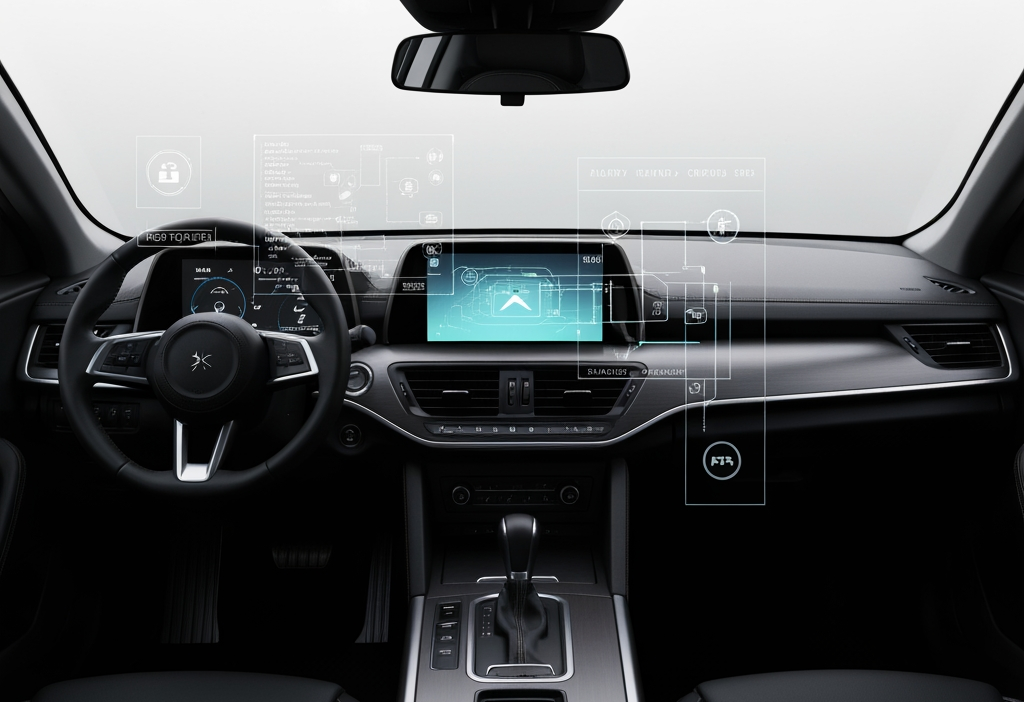
What began as simple head-up displays (HUDs) projecting speedometer readouts or basic turn indicators onto windshields has evolved into sophisticated, context-aware AR systems. Early experiments circa 2010 relied on bulky projectors and limited computer-vision capabilities. Today, thanks to advances in miniaturized waveguides, high-resolution microdisplays, and AI-driven object recognition, manufacturers can overlay 3D navigation cues, hazard alerts, and vehicle diagnostics directly into a driver’s line of sight. According to the National Highway Traffic Safety Administration (NHTSA), these immersive alerts can reduce reaction times to imminent dangers by up to 30%. Beyond safety, automakers are exploring dynamic speed-limit warnings, live traffic-flow visualizations, and even predictive lane-change guidance based on AI-analyzed road data.
2. Accelerating Concept Development and Prototyping
Traditional vehicle development often demands multiple full-scale physical mock-ups, each costing six figures and taking weeks to build. AR solutions enable designers and engineers to superimpose digital blueprints on chassis, examine aerodynamic simulations in real time, or experiment with interior layouts on an empty cabin shell. A pilot study by the American Society of Mechanical Engineers (ASME) showed that AR-assisted design reviews cut iterative cycles by 25% and reduced material costs for early prototypes by nearly 40%. Cloud-based collaboration tools embedded in AR headsets facilitate synchronous design sessions across continents, breaking down silos between R&D centers in Detroit, Munich, and Shanghai. Interactive markup features let stakeholders highlight issues instantly, streamlining decision-making and accelerating time to market.
3. Revolutionizing Manufacturing Lines
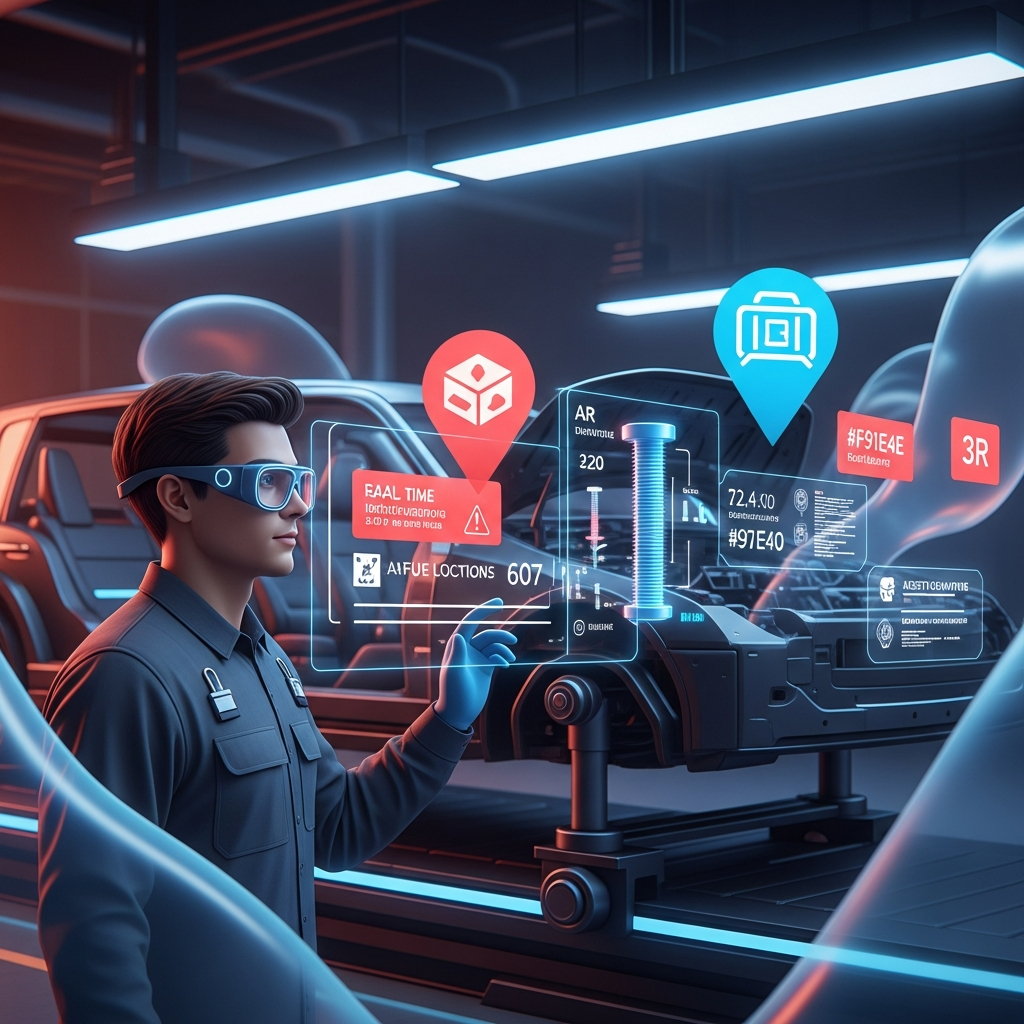
On modern assembly floors, precision and speed are paramount. AR-equipped technicians don lightweight smart glasses that guide them step-by-step through complex welds, torque sequences, or sensor calibrations. Visual overlays pinpoint the exact location for each component, while embedded safety warnings flash when approaching high-voltage elements in electric vehicles. A global automaker reported a 20% reduction in assembly errors and a 35% faster onboarding timeline for new hires after deploying AR work instructions integrated with its Manufacturing Execution System (MES). Edge computing and 5G connectivity ensure that these instructions can adapt dynamically if production schedules shift or part numbers change, maintaining seamless workflow continuity.
4. Next-Level Maintenance and Remote Diagnostics
Once vehicles leave the factory, AR remains a powerful ally for after-sales service. Technicians wearing AR glasses can access interactive wiring diagrams, fluid-level indicators, and torque specifications directly overlaid on the engine bay. For intricate repairs—such as high-voltage battery module replacements—remote experts can livestream the technician’s view and annotate components in real time, drastically reducing truck rolls and travel costs. According to McKinsey & Company, AR-guided maintenance can slash diagnostic time by 40% and improve first-time fix rates by as much as 25%. Detailed repair histories, logged automatically during AR sessions, further enrich maintenance databases for predictive analytics.
5. Enriching the Driver Experience
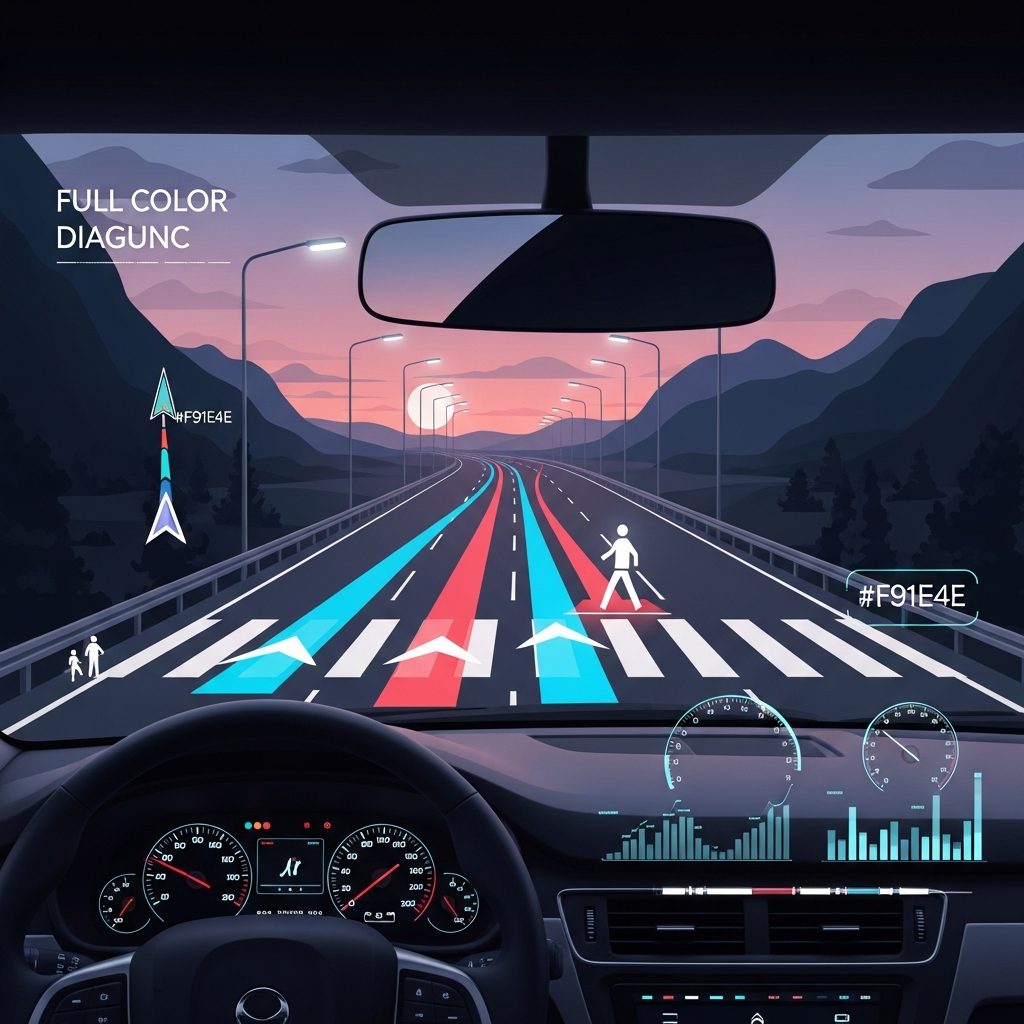
Drivers today expect intuitive, information-rich interfaces that blend seamlessly with their environment. Advanced AR HUDs can project lane-level navigation, speed limits, and collision warnings onto the windshield, helping drivers keep their eyes on the road. The U.S. Department of Transportation conducted field trials showing that contextual AR cues—such as highlighting a pedestrian crossing point at dusk—can lower near-miss incidents by up to 15%. Beyond safety, emerging infotainment applications overlay route-based points of interest, restaurant recommendations, or EV charging station availability, ensuring a smooth and connected journey for every passenger.
6. Virtual Showrooms and Interactive Sales
Automobile retail is undergoing a digital transformation driven by AR-powered showrooms. Potential buyers, armed with tablets or AR headsets, can visualize custom paint finishes, wheel designs, and interior trim options on a static display vehicle or even an empty showroom floor. Interactive 3D configurators allow clients to interact with drivetrain animations, examine performance data, or step virtually into a car parked thousands of miles away. Studies from Deloitte indicate that dealerships leveraging AR tools see a 20–25% boost in customer engagement and as much as a 15% increase in average deal size due to real-time upsell of optional packages.
7. Training, Safety Drills, and Emergency Response Simulations
Automotive production and service environments can be hazardous if staff are insufficiently trained. AR offers immersive training modules that simulate high-risk scenarios—such as thermal runaway events in lithium-ion batteries—within a safe, virtual overlay. Trainees practice emergency shutdown sequences, fire suppression protocols, or extrication procedures for autonomous vehicles without real-world danger. The International Association of Fire Fighters has integrated AR training for first responders to simulate collision rescues without the need for physical wreckage, cutting training costs and improving preparedness across the board.
8. Predictive Maintenance Through AR-IoT Convergence
The fusion of AR with Internet of Things sensor networks yields powerful predictive maintenance solutions. Fleet managers can don AR tablets that scan vehicles and instantly visualize tire pressure trends, brake wear levels, or engine temperature anomalies. Predictive algorithms—backed by machine-learning models—flag components approaching failure thresholds, and AR overlays guide technicians to replace parts before unscheduled breakdowns. Research published by the Society of Automotive Engineers shows that fleets employing AR-driven predictive maintenance reduce unplanned downtime by up to 50% and extend equipment lifespan by 20%.
9. Best Practices for AR Deployment
- Define precise KPIs—whether cutting assembly errors, shortening repair times, or boosting showroom conversions.
- Select appropriate hardware—contrast the field durability of rugged smart glasses with the immersive capabilities of tethered headsets.
- Integrate AR platforms with core IT systems—such as PLM, ERP, and CRM suites.
- Start with pilot projects in controlled environments to refine user interfaces, capture feedback, and quantify benefits.
- Scale methodically, combining iterative software updates with hands-on training and executive sponsorship to drive cultural change.
10. Overcoming Roadblocks: Cost, Comfort, Connectivity, Security
While AR offers transformative potential, manufacturers and service providers must navigate several challenges:
- Upfront Device Investment: Commercial AR headsets and smart glasses command high CapEx. Total cost of ownership declines as volumes scale, but careful ROI modeling is essential.
- Ergonomics and User Fatigue: Extended headset use can cause eye strain or neck discomfort. Ongoing hardware advancements are mitigating these issues, but robust user trials remain critical.
- Network Resilience: Low-latency AR applications hinge on reliable wireless infrastructure. Future 5G rollouts and private campus networks can deliver the throughput and latency profile required.
- Data Protection: Sharing proprietary CAD data or live video streams raises IP and cybersecurity concerns. End-to-end encryption, access controls, and secure on-premise edge compute nodes help safeguard sensitive information.
11. The Horizon: AI, 5G, and Mixed Reality Windshields
Looking forward, several converging trends will amplify AR’s impact on mobility:
- 5G and Edge Computing: Ultra-fast, low-latency networks will enable real-time rendering of photorealistic overlays and remote expert support anywhere.
- Artificial Intelligence: Scene understanding, gesture recognition, and automated annotation will streamline workflows—from faster defect detection in manufacturing to hands-free AR navigation aids.
- Mixed Reality Windshields: Next-generation glass technologies promise full-color, wide-field AR projections capable of blending virtual scenery with the physical world for personalized in-car entertainment and enhanced situational awareness.
- Autonomous and Connected Vehicles: As vehicles become more self-driving, AR dashboards will transition from active driver aids to passenger infotainment hubs, facilitating remote collaboration and fleet monitoring.
Conclusion
Augmented reality has transcended novelty status to become a vital enzyme in the automotive innovation ecosystem. From cutting weeks off design cycles to empowering technicians with intelligence at a glance, AR is delivering measurable returns across research, manufacturing, sales, and service. While hurdles around cost, ergonomics, and security remain, the rapid pace of hardware and network evolution—combined with AI’s problem-solving prowess—ensures AR will be a mainstay in tomorrow’s mobility landscape. Automotive leaders who embrace this immersive technology today will set the pace for safer roads, leaner operations, and more engaging customer experiences. The road ahead is not just about where we go, but how vividly we visualize the journey.