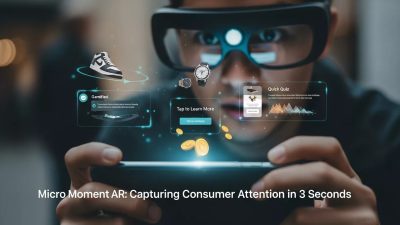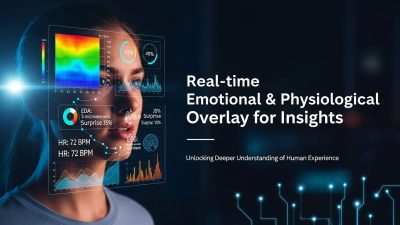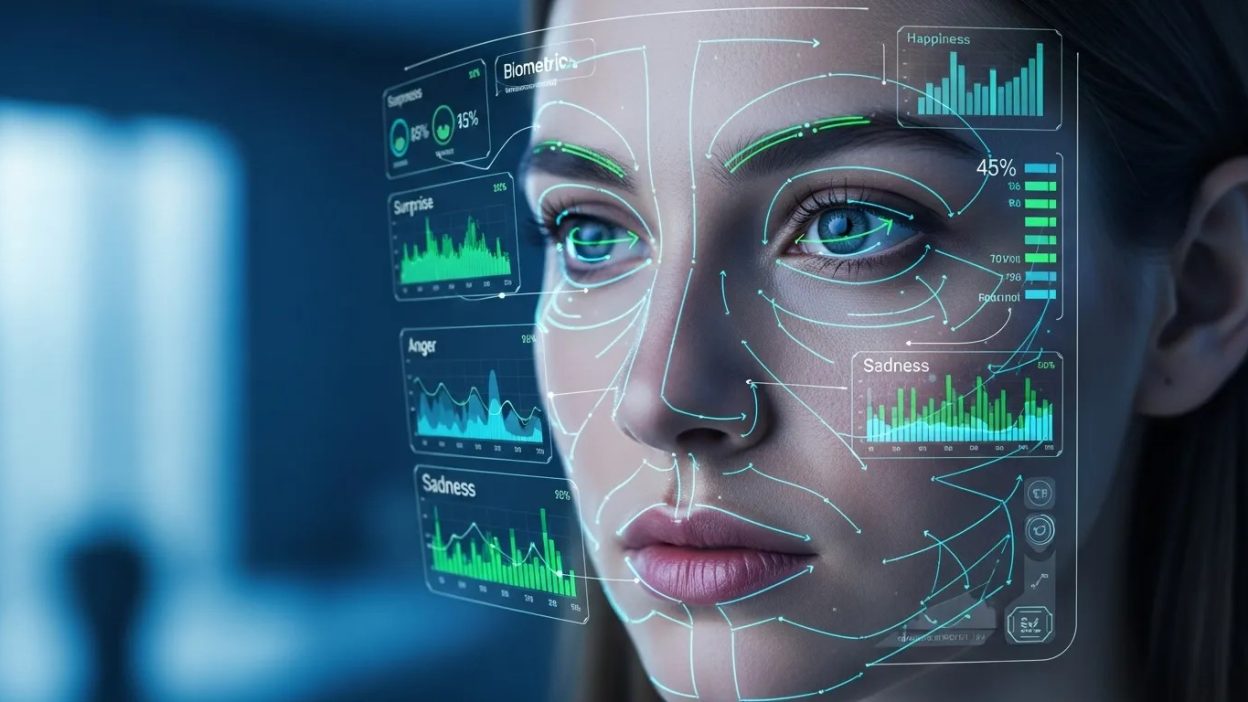
Biometric AR merges emotion tracking with augmented reality, enabling personalized consumer experiences, enhanced engagement, and data-driven insights, transforming marketing, e-commerce, and research for measurable results in today’s competitive digital landscape.
Understanding the Power of Biometric AR
In the rapidly evolving digital landscape, Biometric AR is emerging as a groundbreaking tool that bridges the gap between human emotion and technological interaction. Augmented reality, when combined with biometric sensors, allows businesses to understand users at a deeply personal level, capturing reactions, expressions, and even subtle physiological cues. As companies strive to deliver personalized experiences, Biometric AR offers the ability to go beyond traditional engagement metrics and truly measure emotional responses.
How Biometric AR Captures Real Time Emotions
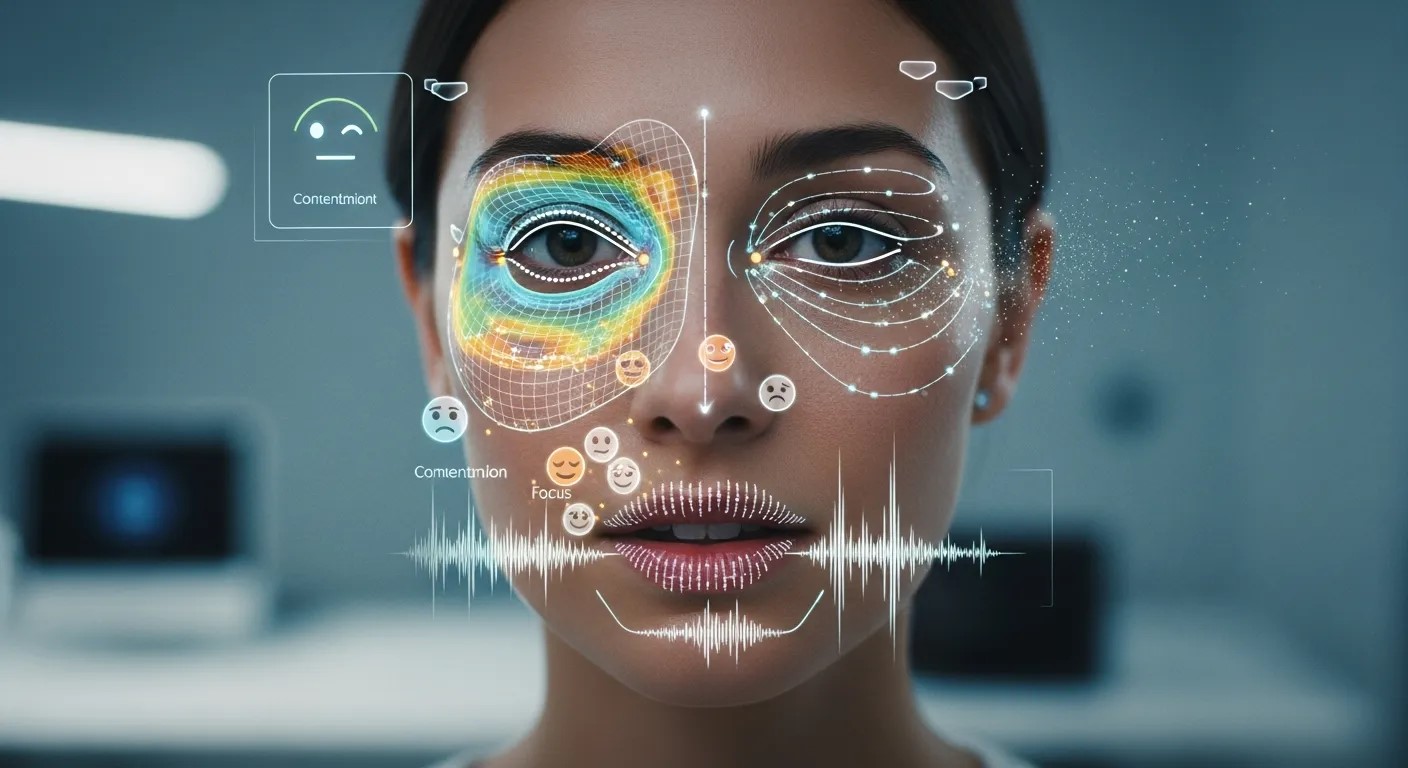
At its core, Biometric AR integrates facial recognition, eye-tracking, heart rate monitoring, and other biometric indicators into augmented reality applications. Unlike standard AR, which focuses primarily on visual overlays, this next-generation technology captures the emotional state of users in real time. By analyzing micro-expressions, pupil dilation, and other subtle signals, brands can tailor experiences dynamically, providing content that resonates on a personal and emotional level.
The significance of this innovation cannot be overstated. Traditional digital marketing often relies on clicks, impressions, or time spent on a page. While useful, these metrics rarely convey the depth of consumer engagement. Biometric AR fills this gap by providing insights into genuine emotional reactions, allowing marketers to understand what truly motivates and influences their audience.
Applications in Consumer Engagement
The applications of Biometric AR are broad and varied. In retail, for example, augmented reality mirrors can detect customers’ emotional responses to different products, offering suggestions that align with their mood or preferences. Similarly, in the entertainment industry, AR experiences can adapt dynamically based on the viewer’s reactions, enhancing immersion and satisfaction.
In B2B settings, AR Marketing is Transforming B2B interactions. By integrating biometric data into virtual product demonstrations or presentations, companies can observe client reactions to proposals, product designs, or concepts in real time. This allows for more strategic decision-making and personalized follow-ups, ultimately improving conversion rates and ROI.
Measuring Emotional Engagement
One of the most compelling aspects of Biometric AR is its ability to measure engagement quantitatively. Metrics like micro-expression frequency, gaze fixation, and biometric stress indicators provide a rich dataset that allows marketers to understand not just what users do, but how they feel.
For instance, a user interacting with an AR shopping app may look at one product longer than another. By correlating this behavior with biometric signals like heart rate or pupil dilation, businesses can determine which items elicit excitement, hesitation, or indifference. This level of insight is particularly valuable when measuring the effectiveness of AR campaigns. Measuring AR Marketing ROI becomes more precise, as companies can link emotional responses directly to consumer actions, such as purchases, shares, or sign-ups.
The Role of Software in Biometric AR
Implementing Biometric AR requires specialized software that can process complex data streams from multiple biometric sensors in real time. Leading platforms provide developers with SDKs and APIs to integrate facial recognition, emotion tracking, and eye-tracking into AR applications seamlessly.
Companies often face challenges in selecting the right Software Used for Augmented Reality, as compatibility with different devices, data security, and latency are critical factors. Advanced AR software not only ensures accurate biometric data capture but also integrates smoothly with marketing analytics platforms, allowing businesses to extract actionable insights without disrupting user experience.
Case Study: Retail Industry
Consider a luxury retail brand using Biometric AR in its flagship stores. Customers interact with AR-enabled mirrors that overlay clothing options virtually. The system captures emotional responses to each outfit, such as subtle smiles, eyebrow raises, or gaze patterns. Based on this data, the app recommends additional products that align with the shopper’s mood, creating a highly personalized experience that drives higher engagement and sales.
This approach also enables precise performance tracking. By analyzing biometric data across multiple users, retailers can identify trends in consumer preferences, optimize store layouts, and refine marketing strategies. Coupled with CPC Advertising campaigns targeting specific segments, this integration ensures that AR-driven insights translate into measurable business outcomes.
Biometric AR in Research and Development
Beyond marketing, Biometric AR has profound implications for research. In product testing and usability studies, combining augmented reality with emotion tracking allows researchers to understand user experiences in a naturalistic setting. Augmented Reality in Research provides an immersive environment where participants can interact with digital prototypes, while biometric sensors capture their genuine emotional reactions.
For example, automotive companies can test new dashboard designs in AR simulations, measuring drivers’ stress levels, focus, and emotional responses under various conditions. These insights inform design improvements, ensuring products resonate emotionally with end-users.
Integrating SEM with Biometric Insights
Search Engine Marketing (SEM) strategies can also benefit from Biometric AR insights. By understanding which digital experiences evoke positive emotional responses, marketers can optimize landing pages, ad creatives, and content strategies for maximum engagement. Emotion-driven design ensures that SEM campaigns are not only seen but felt, increasing click-through rates and enhancing the overall impact of paid search efforts.
The Science Behind Emotion Tracking
Emotion tracking relies on a combination of computer vision, AI, and physiological sensors. Facial action coding systems (FACS) detect micro-expressions, while eye-tracking gauges attention and interest. Heart rate variability and skin conductance provide additional indicators of emotional arousal.
By integrating these measurements into Biometric AR, applications can respond dynamically to user states. For instance, an AR training module for employees may adjust the difficulty of exercises if stress indicators suggest frustration, creating an adaptive learning experience that maximizes retention and satisfaction.
Ethical Considerations
While Biometric AR offers tremendous potential, it also raises ethical questions regarding privacy, consent, and data security. Companies must ensure that biometric data is anonymized, securely stored, and used only with explicit user consent. Transparent communication about how data is collected and utilized fosters trust and encourages user participation, which is essential for long-term adoption.
Future Trends in Biometric AR
The future of Biometric AR is closely tied to advances in AI and sensor technology. We can expect more lightweight, wearable devices capable of capturing detailed biometric data without being intrusive. Integration with IoT devices and cloud computing will allow real-time emotional analytics at scale, enabling marketers to deliver hyper-personalized experiences across channels.
Additionally, as AR becomes more mainstream, Biometric AR could revolutionize not just marketing, but healthcare, education, and entertainment. Emotion-sensitive AR tutors could adapt lessons based on student engagement, while immersive AR gaming experiences could react to players’ excitement or fatigue levels, creating truly interactive and responsive environments.
Implementation Strategies for Businesses

To leverage Biometric AR effectively, businesses should consider a phased approach:
-
Define Objectives: Determine the specific goals for using emotion-tracking AR, such as improving customer engagement, increasing sales, or enhancing research insights.
-
Select Technology: Evaluate AR platforms and Software Used for Augmented Reality that can integrate biometric tracking efficiently.
-
Pilot Programs: Start with small-scale implementations to test user reactions, measure outcomes, and refine workflows.
-
Analyze Data: Use biometric insights to inform marketing strategies, SEM campaigns, and product development.
-
Scale Up: Gradually expand AR initiatives, integrating learnings from pilot programs to maximize ROI.
| Step | Key Focus | Example |
|---|---|---|
| 1 | Objectives | Increase engagement with AR-enabled product demos |
| 2 | Technology | AR platforms supporting facial recognition and eye-tracking |
| 3 | Pilot | Small-scale in-store AR mirrors or virtual showrooms |
| 4 | Analysis | Track emotional responses and optimize marketing |
| 5 | Scale | Nationwide or multi-channel AR campaigns |
Benefits Across Industries
From retail to healthcare, entertainment to education, Biometric AR offers benefits that traditional analytics cannot match:
-
Personalized Experiences: Tailor content dynamically based on real-time emotional feedback.
-
Improved Engagement: Emotionally resonant interactions increase attention, satisfaction, and loyalty.
-
Data-Driven Decisions: Quantitative emotional insights complement traditional metrics.
-
Optimized Marketing Spend: Coupling biometric insights with CPC Advertising or SEM ensures higher ROI.
Challenges to Consider
Despite its advantages, implementing Biometric AR comes with challenges:
-
Hardware Limitations: Not all devices support advanced sensors or real-time processing.
-
Privacy Concerns: Users may hesitate to share biometric data without clear transparency.
-
Cost: Developing high-quality AR experiences with integrated emotion tracking can be expensive.
-
Technical Expertise: Effective implementation requires knowledge of AR development, AI, and biometric analysis.
Practical Use Cases
-
Retail: AR fitting rooms that recommend products based on emotional responses.
-
Marketing: Emotion-driven ad campaigns optimized for SEM and audience engagement.
-
Healthcare: AR therapy sessions that adjust intensity based on patient stress indicators.
-
Education: Interactive AR lessons adapting to student engagement and attention levels.
By implementing these use cases strategically, businesses can unlock the true potential of Biometric AR, transforming how they interact with their customers.
Biometric AR in Customer Journey Mapping
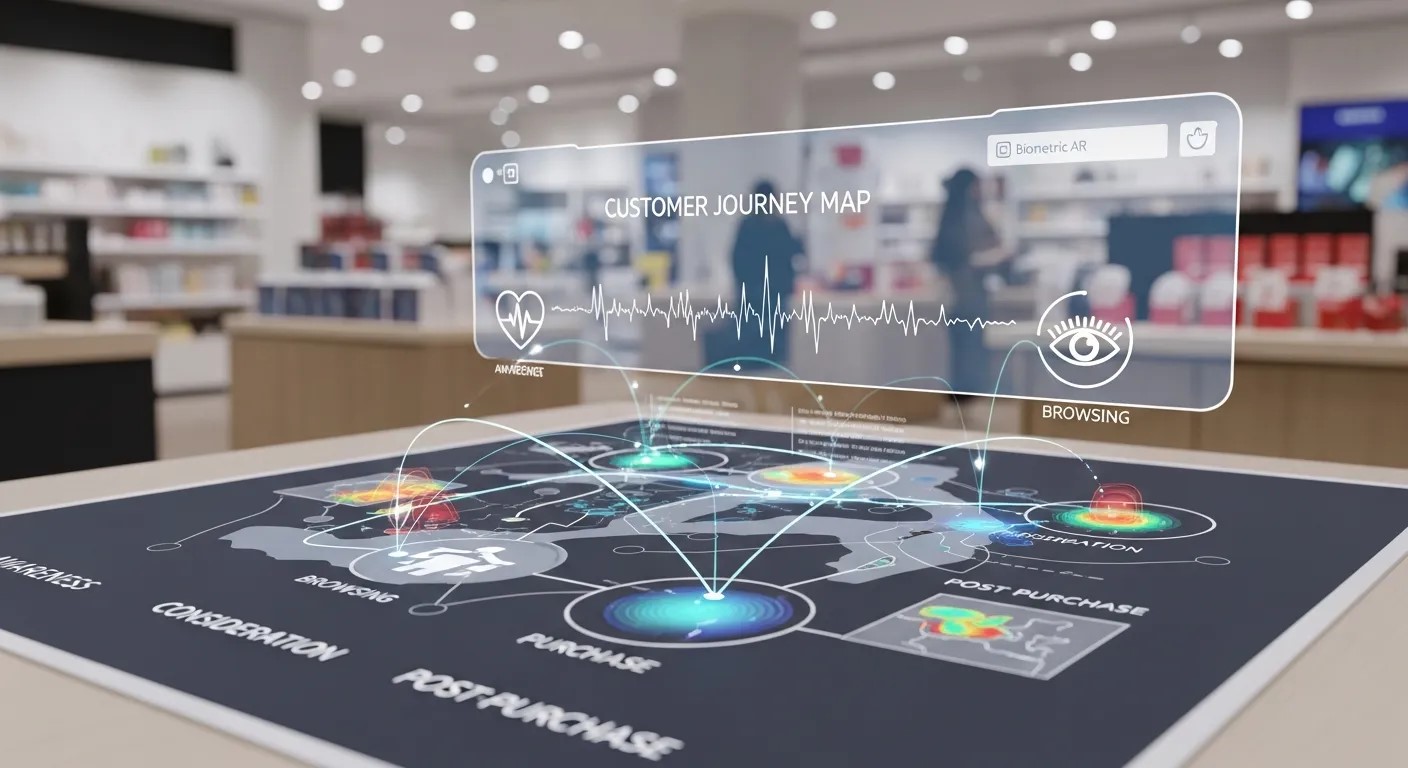
Biometric AR is transforming the way brands understand the customer journey. By tracking emotions at every touchpoint—online, in-store, or in AR-enabled apps—businesses can identify moments of delight, frustration, or hesitation. Integrating these insights into CRM and marketing automation allows companies to create personalized campaigns that align perfectly with user expectations. This holistic approach ensures that each interaction is meaningful and contributes to stronger brand loyalty.
Enhancing E-commerce Experiences with Biometric AR
In e-commerce, engagement is everything. Biometric AR allows online retailers to simulate a real-world shopping experience virtually. Customers can “try on” clothing, accessories, or even furniture, while the system tracks emotional responses to different products. Combined with data-driven campaigns, this technology can optimize product recommendations, helping increase conversions. Additionally, insights gained here can inform CPC Advertising strategies by highlighting which products generate the strongest emotional response from audiences.
Biometric AR in Event Marketing and Trade Shows
Event marketers are now leveraging Biometric AR to create interactive and memorable experiences at conferences, exhibitions, and trade shows. AR installations can gauge visitor engagement and provide personalized content in real time. Insights from these interactions allow marketers to fine-tune future events, improving ROI. When combined with AR Marketing is Transforming B2B strategies, it becomes possible to deliver highly targeted experiences that resonate with both prospects and existing clients, elevating brand perception significantly.
Cross-Channel Marketing Integration
One of the unique advantages of Biometric AR is its ability to integrate across multiple marketing channels. Emotion-tracking data from AR experiences can inform social media campaigns, email marketing, or even Search Engine Marketing (SEM) strategies. For example, ads can be dynamically adjusted based on the emotional preferences of target segments. This creates a consistent, emotion-driven brand experience across all touchpoints, making campaigns more impactful and measurable.
Future of Biometric AR in AI-Powered Analytics
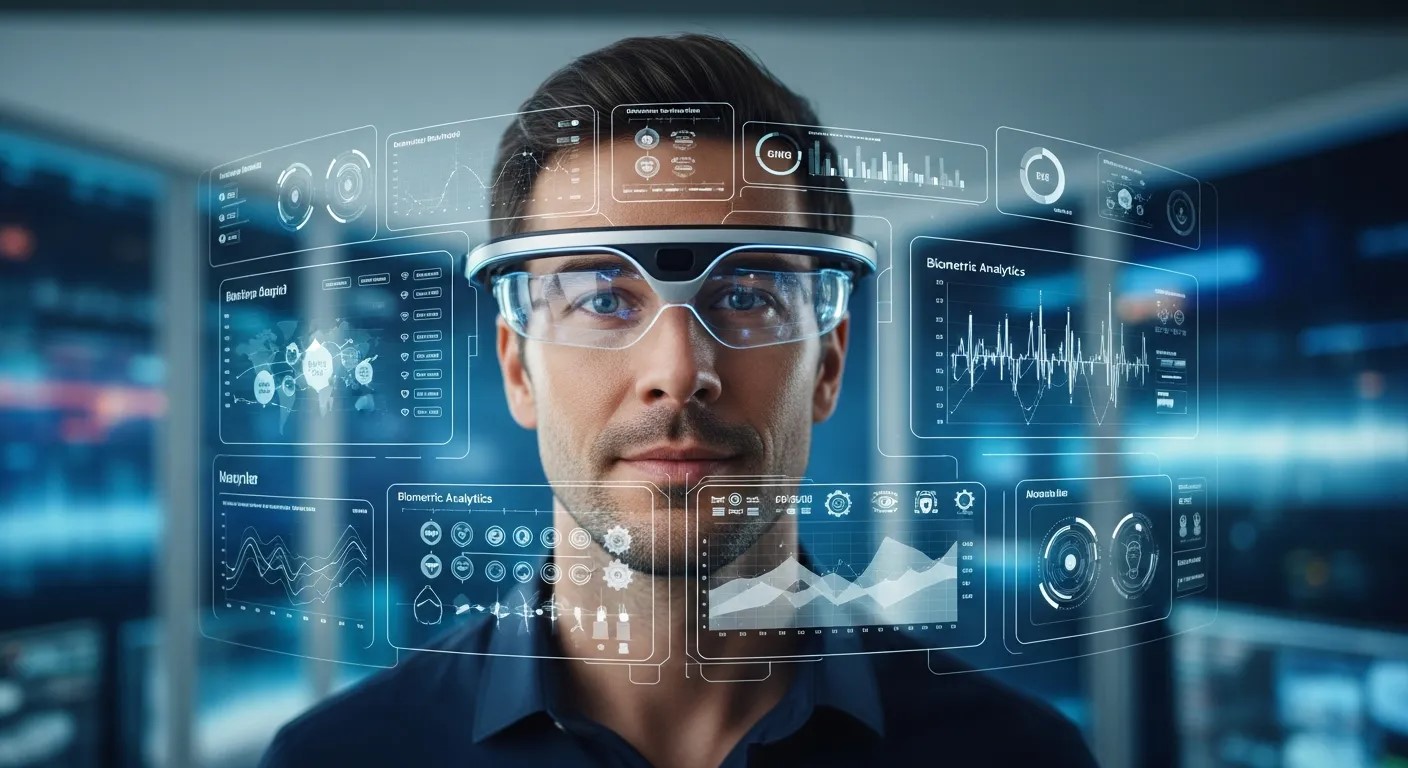
The combination of Biometric AR with AI-powered analytics is a game-changer. By leveraging machine learning algorithms, businesses can predict customer behavior, identify emerging trends, and personalize interactions at scale. For instance, analyzing biometric patterns across a large audience can reveal insights into product appeal or campaign effectiveness before making large investments. This predictive capability enhances decision-making, helping companies maximize ROI while staying ahead of competitors.
Conclusion
Biometric AR represents the next generation of emotion-driven technology, reshaping how businesses engage with their audiences. By combining augmented reality with real-time biometric insights, companies can deliver personalized experiences that resonate emotionally, improve engagement, and drive measurable results. From retail and e-commerce to event marketing and research, the potential applications are vast and transformative.
Frequently Asked Questions (FAQ)
What is Biometric AR?
Biometric AR is the integration of biometric sensors, like facial recognition, eye-tracking, and heart rate monitors, into augmented reality experiences. It captures real-time emotional responses to deliver personalized, immersive interactions.
How does Biometric AR improve consumer engagement?
By tracking emotions and physiological cues, Biometric AR allows brands to tailor content dynamically. This creates experiences that resonate personally with users, increasing attention, satisfaction, and overall engagement.
Which industries can benefit from Biometric AR?
Industries like retail, e-commerce, marketing, healthcare, education, and entertainment can leverage Biometric AR to enhance experiences, optimize campaigns, and gain actionable emotional insights.
Is Biometric AR safe and secure for users?
Yes, when implemented ethically. Companies must ensure biometric data is anonymized, securely stored, and collected with explicit user consent. Transparency builds trust and encourages participation.
What software is used for Biometric AR?
There are specialized Software Used for Augmented Reality platforms and SDKs that support emotion tracking, facial recognition, and eye-tracking. Choosing the right software ensures accurate data collection and smooth integration with marketing or analytics tools.
How can Biometric AR impact marketing ROI?
By providing insights into genuine emotional reactions, Biometric AR helps marketers optimize campaigns, improve conversion rates, and make data-driven decisions. Measuring AR Marketing ROI becomes more precise, connecting emotional responses directly to outcomes.
Can Biometric AR be used in SEM and advertising campaigns?
Yes. Insights from Biometric AR can inform Search Engine Marketing (SEM) strategies and CPC Advertising campaigns, allowing brands to design emotionally resonant creatives that perform better and drive higher engagement.