Augmented reality (AR) is rapidly moving beyond gaming and industrial applications to reshape one of humanity’s oldest professions: farming. By overlaying digital information onto real-world environments, AR tools empower farmers, agronomists, and supply chain managers with real-time insights for crop management, soil analysis, and equipment operation. This convergence of high-tech visualization and traditional agriculture promises to boost yields, reduce waste, and foster sustainable practices on farms of all sizes.
The Rise of AR in Modern Agriculture
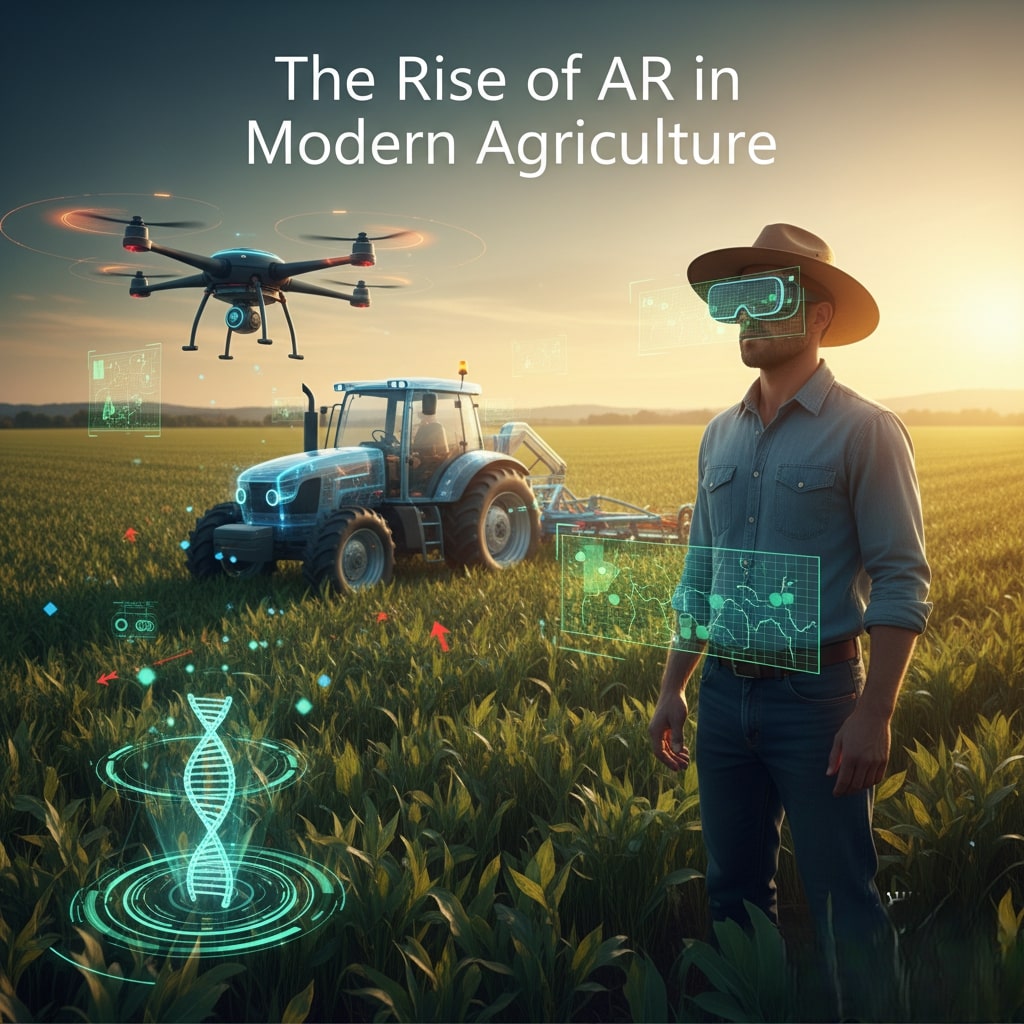
The global population is projected to reach nearly 10 billion by 2050, driving urgent demand for more efficient food production. Traditional farming methods often rely on manual scouting, fixed schedules for irrigation or fertilization, and reactive pest control. AR changes the game by delivering contextual, on-the-spot data directly into a farmer’s field of vision. Early adopters are already using AR headsets, tablets, and even smartphone apps to visualize soil moisture levels, nutrient distributions, and pest hotspots without trekking back to an office or laboratory.
Key AR Technologies in the Field
Several AR components are reshaping agricultural workflows:
- Wearable Displays: Headsets and smart glasses overlay georeferenced crop data, irrigation schedules, and equipment diagnostics while keeping hands free for manual tasks.
- Drones with AR Interfaces: Pilots view real-time infrared or multispectral imagery through AR-enabled goggles, allowing precise mapping of plant health and water stress.
- Mobile AR Apps: Field workers can scan plants or soil, then instantly view treatment recommendations, fertilizer mixes, or historical yield data on their tablets or phones.
- IoT & Sensor Integration: Soil sensors feed live readings into AR dashboards, helping farmers adjust pH balance and moisture levels with pinpoint accuracy.
Precision Farming: Maximizing Yield, Minimizing Waste
Precision farming has long promised to optimize resource use by treating individual sections of a field according to specific needs. AR accelerates this vision by visualizing sensor data and predictive models in situ. Farmers can walk their land with AR glasses and see color-coded overlays indicating nutrient deficiencies, weed invasions, or compacted soil zones. Instead of broadcasting fertilizers or pesticides over an entire field, they can apply inputs selectively, reducing chemical runoff and lowering input costs. Over a growing season, this level of granularity can improve crop yields by up to 20% while cutting water and fertilizer usage by 15% or more.
AR-Guided Pest and Disease Detection
Augmented reality enables early detection of pests and plant diseases by overlaying visual indicators on affected crops. Using AI-powered image recognition, farmers can scan leaves or stems and instantly identify disease types, infestation severity, and recommended treatments. AR highlights problem areas directly in the field, reducing reliance on manual inspections and lab testing. Early intervention minimizes crop loss, lowers pesticide usage, and prevents disease spread. This proactive approach improves plant health and protects yields, especially in large farms where manual scouting is time-consuming and prone to human error.
Enhancing Farmer Training and Skill Development with AR
AR is transforming agricultural education by providing immersive, hands-on training experiences. New farmers and field workers can learn complex tasks—such as machinery operation, irrigation setup, or crop pruning—through step-by-step AR visual guides. These overlays reduce training time and errors while improving safety. AR simulations allow users to practice scenarios like equipment malfunctions or pest outbreaks without real-world risks. By democratizing access to expert knowledge, AR helps bridge skill gaps, supports workforce development, and ensures consistent farming practices across regions and experience levels.
AR-Assisted Equipment Maintenance and Repair
Modern farming relies heavily on advanced machinery, and AR simplifies equipment maintenance. By pointing an AR device at a tractor or harvester, farmers can view diagnostic data, maintenance schedules, and repair instructions overlaid on the machine. This reduces downtime, prevents costly breakdowns, and minimizes dependence on external technicians. AR-guided repairs improve accuracy and safety, especially in remote areas. Over time, predictive maintenance powered by AR and IoT sensors extends equipment lifespan and reduces operational costs.
Soil Health Visualization Using AR
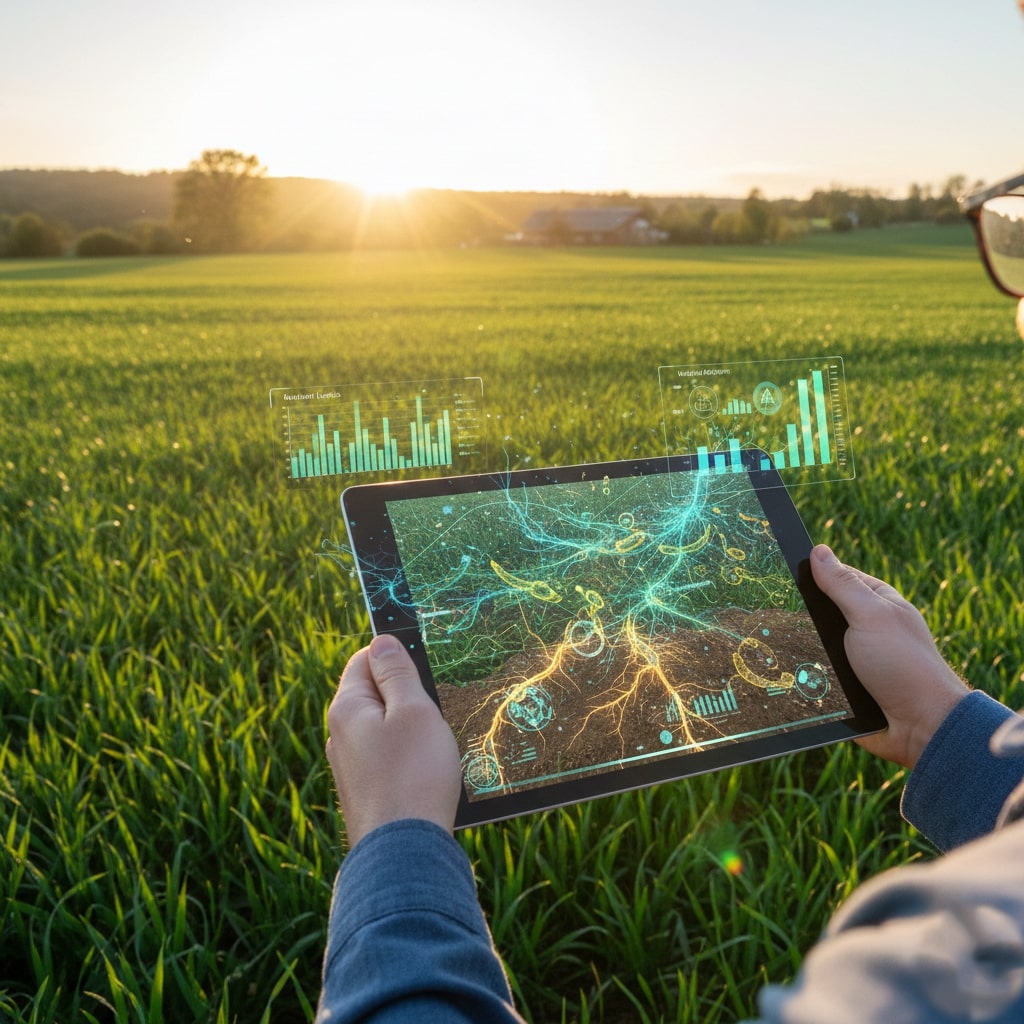
Soil quality is fundamental to crop success, and AR makes invisible soil conditions visible. By integrating soil sensor data, AR overlays display moisture levels, nutrient content, compaction zones, and pH variations across fields. Farmers can instantly understand where corrective actions are needed. This visualization supports precision tilling, fertilization, and irrigation strategies. Better soil management leads to healthier crops, reduced erosion, and long-term land sustainability. AR-driven soil insights empower farmers to make informed, site-specific decisions that improve productivity.
AR in Livestock Management
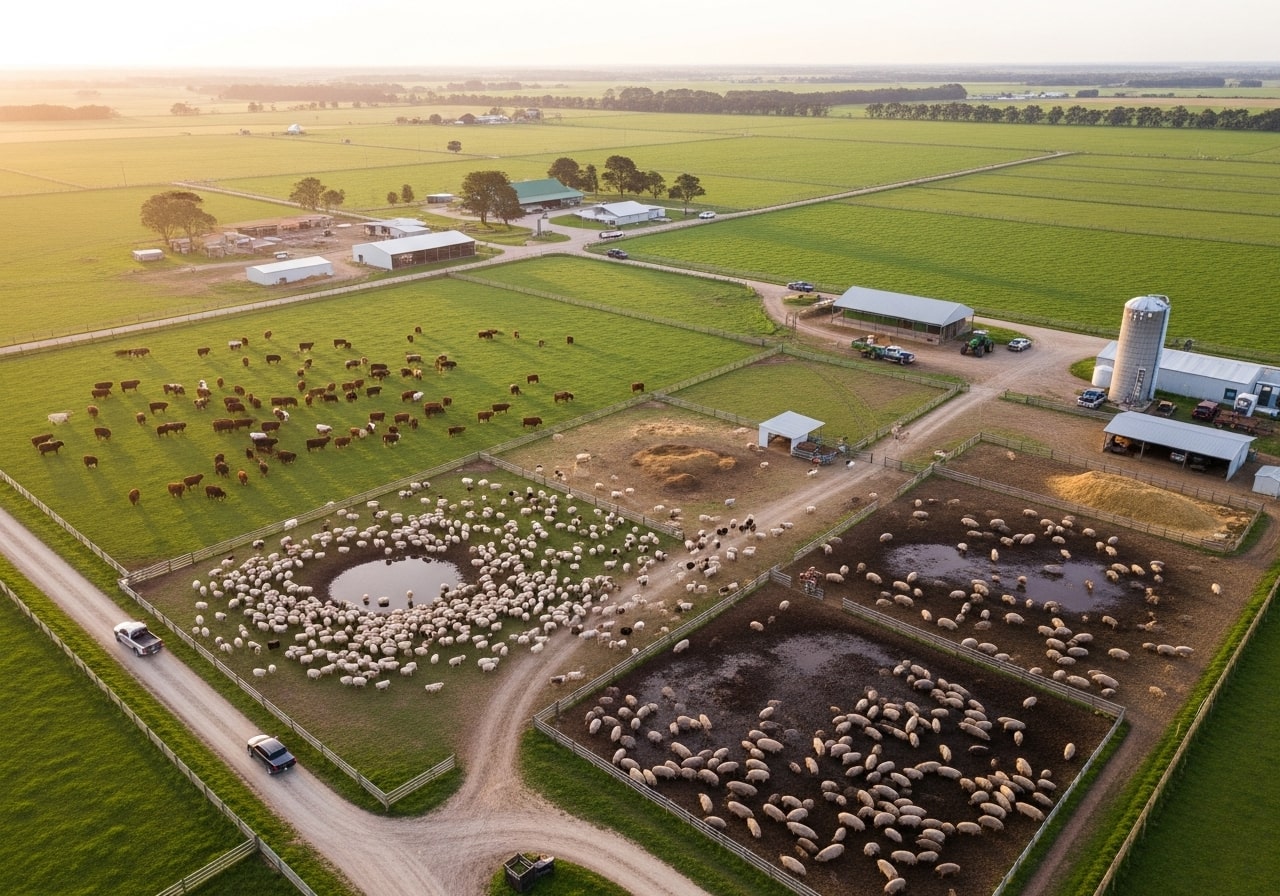
Beyond crops, AR is increasingly used in livestock farming. Farmers can view real-time health data, feeding schedules, and movement patterns by scanning animals with AR devices. Wearable sensors feed data into AR systems, alerting farmers to signs of illness, stress, or abnormal behavior. This improves animal welfare and reduces veterinary costs through early intervention. AR also supports efficient pasture management and feeding optimization, helping farmers balance productivity with ethical and sustainable livestock practices.
Weather-Adaptive Farming Through AR
Weather variability poses a major risk to agriculture. AR platforms integrate real-time weather forecasts and climate models, displaying localized predictions directly on fields. Farmers can visualize frost risks, rainfall intensity, or heat stress zones in advance. These insights support timely decisions on planting, harvesting, irrigation, and crop protection. By adapting operations to weather conditions, farmers reduce losses and improve resilience against climate change. AR turns complex meteorological data into actionable, easy-to-understand visual guidance.
AR for Harvest Optimization
AR helps farmers determine the optimal harvest time by visualizing crop maturity indicators such as color, size, sugar levels, or moisture content. This ensures crops are harvested at peak quality, maximizing market value. In specialty crops like fruits and vegetables, AR-guided harvesting improves consistency and reduces waste. Harvest crews can receive real-time instructions, improving speed and accuracy. Optimized harvesting enhances supply chain efficiency and ensures better outcomes for both farmers and consumers.
Supply Chain Transparency and Traceability with AR
AR enhances agricultural supply chains by linking farm-level data to downstream stakeholders. By scanning produce, distributors and retailers can access AR overlays showing origin, harvest date, quality metrics, and sustainability certifications. This transparency builds consumer trust and supports premium pricing for responsibly grown products. Farmers benefit from better market access and traceability compliance. AR-powered traceability strengthens food safety, reduces fraud, and creates a more connected agricultural ecosystem.
AR and Data-Driven Decision Making

AR transforms raw agricultural data into intuitive visual insights. Instead of analyzing spreadsheets or dashboards, farmers see data contextualized directly in their fields. This accelerates decision-making and reduces cognitive overload. By combining historical trends, real-time sensor data, and predictive analytics, AR supports smarter planning and execution. Data-driven farming improves consistency, reduces guesswork, and enhances profitability. AR acts as a bridge between advanced analytics and practical, everyday farm operations.
Economic Impact of AR Adoption in Agriculture
The economic benefits of AR extend beyond yield improvements. Reduced input costs, lower labor requirements, minimized waste, and improved equipment efficiency all contribute to higher margins. While initial investments may be significant, long-term ROI often justifies adoption. As AR technology becomes more affordable, adoption will expand across small and medium farms. Governments and ag-tech companies are increasingly offering incentives and support programs, accelerating AR’s role as a cost-effective driver of agricultural innovation and growth.
Case Studies: AR in Action on the Farm
1. Vineyard Management—A California winery equipped field crews with AR headsets to monitor grape development. By visualizing moisture gauges and leaf temperature, they optimized irrigation schedules, reducing water use by 25% and improving grape quality metrics for a premium harvest.
2. Smart Greenhouses—In the Netherlands, hydroponic farms use AR overlays to guide nutrient dosing in vertical towers. Technicians scan plant rows and instantly receive feeding instructions, eradicating human error and ensuring uniform growth rates across all levels of the structure.
3. Grain Storage Inspection—Grain silos equipped with AR-enabled tablets allow operators to inspect moisture hotspots and temperature gradients without climbing ladders. This preventive maintenance reduces spoilage and safeguards supply chain continuity.
Implementing AR on Your Farm: Best Practices
Adopting any new technology requires planning. Follow these steps to integrate AR effectively:
- Assess Infrastructure—Ensure reliable internet connectivity or deploy local edge servers to support real-time data processing.
- Start Small—Pilot AR on a single crop type or greenhouse before scaling across all operations.
- Train Teams—Offer hands-on workshops for agronomists and field workers to build confidence with AR hardware and software.
- Integrate Data Sources—Connect AR platforms to existing farm management systems, soil sensors, and weather services to create a unified dashboard.
- Monitor ROI—Track metrics such as yield per acre, input usage, and labor hours before and after AR deployment to measure impact.
Challenges and Considerations
While AR offers compelling benefits, farmers should weigh potential obstacles:
- Upfront Costs—AR hardware and software subscriptions can require significant investment. Leasing options or subsidies may alleviate financial barriers.
- Technical Expertise—Smallholder operations may lack IT support. Partnering with ag-tech providers can bridge this gap.
- Connectivity—Rural areas often suffer from limited broadband. Edge computing and local networks can mitigate latency issues.
- User Adoption—Resistance to change is natural. Clear communication of benefits and ongoing support is key to a smooth rollout.
Looking Ahead: The Next Frontier in AR Agriculture
Emerging technologies will elevate AR’s role in farming even further. Integration with artificial intelligence will enable predictive analytics that recommend planting dates based on weather forecasts and market demand. 5G connectivity will power seamless drone coordination for automated seeding and spraying. Blockchain can tie AR-captured provenance data to supply-chain records, enhancing transparency for consumers. As sensor costs continue to drop and software platforms become more intuitive, AR will transition from experimental pilot to mainstream farming tool.
Conclusion
Augmented reality is more than a futuristic concept—it is a tangible catalyst for transforming agriculture into a highly efficient, data-driven industry. By overlaying critical insights directly onto fields, greenhouses, and storage facilities, AR empowers farmers to make smarter decisions, conserve resources, and deliver higher-quality produce. As challenges like climate change and population growth intensify, the rapid adoption of AR in agriculture may prove essential for feeding the world sustainably. Now is the time for forward-thinking growers to plant the seeds of technological innovation and harvest the benefits for years to come.
Frequently Asked Questions (FAQ)
1. What is augmented reality (AR) in agriculture?
AR in agriculture uses digital overlays—such as data, visuals, and alerts—on real-world farm environments to help farmers monitor crops, soil, equipment, and operations in real time.
2. How does AR improve crop yields?
AR enables precision farming by visualizing soil health, moisture levels, and nutrient deficiencies directly in the field, allowing targeted interventions that increase yields and reduce waste.
3. What devices are used for AR in farming?
Common AR devices include smart glasses, AR headsets, smartphones, tablets, and drone-based AR interfaces integrated with sensors and farm management systems.
4. Is AR suitable for small-scale or traditional farms?
Yes. Many mobile AR apps are affordable and scalable, making them accessible for small and medium-sized farms as well as large commercial operations.
5. How does AR support sustainable farming practices?
By enabling precise use of water, fertilizers, and pesticides, AR reduces chemical runoff, conserves resources, and minimizes environmental impact.
6. Does AR require constant internet connectivity?
Not always. While cloud connectivity enhances real-time data access, edge computing and offline modes allow AR tools to function in low-connectivity rural areas.
7. What are the main challenges of adopting AR in agriculture?
Key challenges include upfront costs, technical training needs, connectivity limitations, and initial resistance to adopting new technology.
8. Can AR integrate with existing farm technologies?
Yes. AR platforms can integrate with IoT sensors, drones, weather systems, GPS tools, and farm management software for unified insights.
9. How secure is farm data used in AR systems?
Reputable AR and ag-tech providers use encryption, access controls, and secure data storage to protect sensitive farm and operational data.
10. What is the future of AR in agriculture?
AR will increasingly integrate with AI, 5G, drones, and blockchain to enable predictive farming, automation, and transparent supply chains, making it a core tool in smart agriculture.