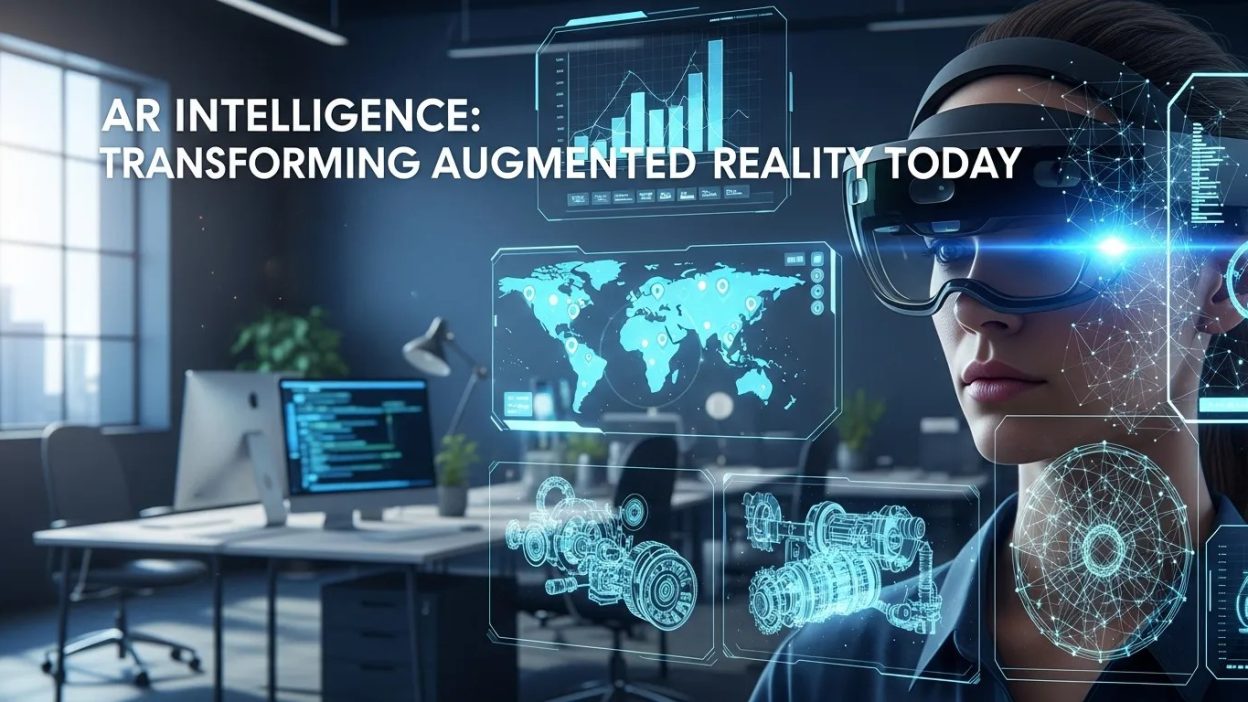
AR Intelligence combines AI and AR to create adaptive, personalized, and immersive experiences across sectors. From retail and marketing to enterprise training, it enhances engagement while ensuring privacy and security, shaping the future of interactive digital technology.
Introduction to AR Intelligence
The digital landscape is rapidly evolving, and at the heart of this transformation is AR Intelligence. Augmented reality (AR) has long promised immersive experiences, but the integration of artificial intelligence (AI) is now elevating these experiences to a whole new level. By combining machine learning algorithms, computer vision, and context-aware computing, AR Intelligence allows users to interact with digital content in ways that are more intuitive, personalized, and responsive than ever before. Whether it’s through smart visual overlays, predictive analytics, or adaptive interfaces, the role of AR Intelligence in modern technology is undeniable.
In today’s competitive market, businesses are increasingly turning to AI-driven AR solutions to differentiate themselves. From retail environments to educational applications, AR Intelligence enables more precise interactions with the digital and physical world. For instance, AR Retail experiences powered by AI can suggest products based on user behavior, real-time preferences, and even prior purchase patterns, creating a seamless shopping journey that feels personalized without being intrusive. Similarly, in industrial settings, AR Intelligence assists technicians by providing step-by-step guidance on complex machinery, improving efficiency while reducing human error.
One critical aspect of this emerging field is understanding the underlying technologies that make AR Intelligence possible. Transfer Learning in AR plays a pivotal role by allowing AI models to leverage knowledge gained from one domain and apply it to new AR tasks. This approach significantly reduces the time and computational resources needed to train intelligent systems from scratch. As a result, developers can deploy adaptive AR solutions that evolve based on user interactions, environmental conditions, and contextual data.
How AI Enhances User Experiences in AR
The core advantage of AR Intelligence lies in its ability to create highly interactive and personalized experiences. Unlike traditional AR, which overlays static content onto the physical world, AI-powered AR systems continuously analyze user behavior, environmental cues, and historical data to refine the interaction. For example, AI Adaptive AR UX ensures that the placement, timing, and type of digital content respond dynamically to each user’s needs, enhancing engagement and satisfaction. This adaptability is particularly valuable in sectors such as e-learning, gaming, and marketing, where user retention depends heavily on the relevance and fluidity of the experience.
Another transformative application of AR Intelligence is in data visualization. Complex datasets, whether in finance, healthcare, or logistics, can be projected into the physical environment, making insights immediately actionable. By leveraging AI to identify patterns and anomalies, users can interact with information more intuitively. AR Privacy and Security measures are also crucial here, as sensitive data must be safeguarded while maintaining seamless interaction. AI systems embedded within AR platforms can automatically detect unauthorized access attempts and adjust visibility settings in real time, ensuring a secure yet immersive experience.
AR Intelligence in Retail and Marketing
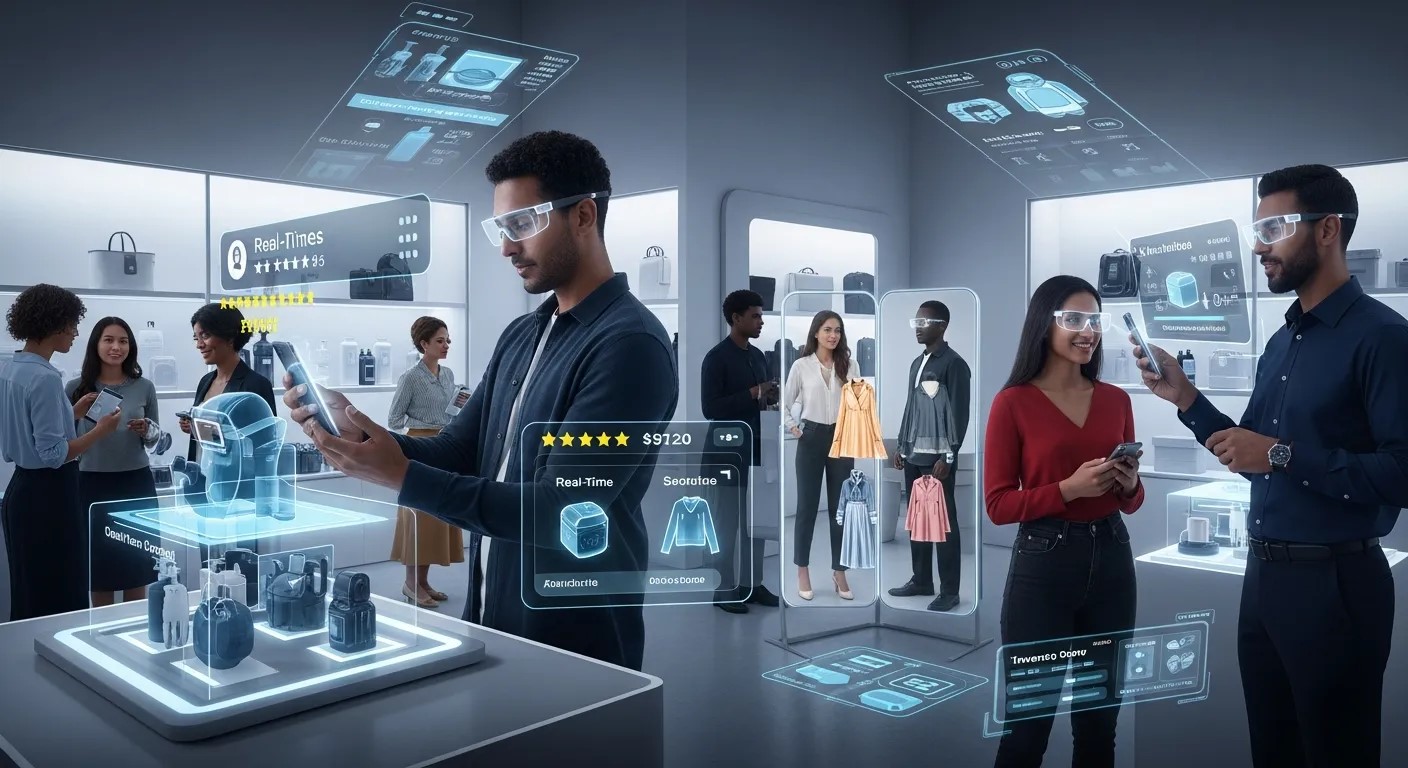
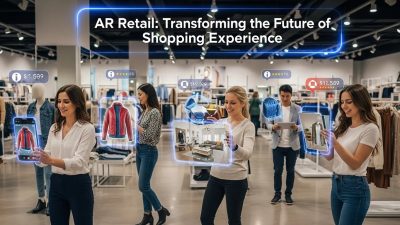
Retail has become one of the most fertile grounds for AR Intelligence innovation. Brands are using AI-driven AR to create immersive shopping experiences that go beyond simple product visualization. For instance, virtual try-ons for fashion or cosmetics can leverage AR Intelligence to adjust lighting, scale, and perspective automatically, enhancing realism. Moreover, intelligent systems can track user engagement, preferences, and interactions to fine-tune recommendations, optimizing the overall shopping journey. AR Retail is no longer just about displaying products it’s about crafting a highly personalized, data-informed experience that drives conversion.
Marketing applications also benefit greatly from the integration of AR Intelligence. AI Chatbot Marketing Funnels are becoming an integral part of AR campaigns, guiding users through interactive content while capturing valuable insights about behavior and intent. Similarly, Chatbots in Brand Marketing allow companies to provide real-time assistance and recommendations within AR experiences, ensuring that engagement remains high while the user journey stays frictionless. The combination of AR, AI, and conversational interfaces represents a new frontier in customer engagement, where technology anticipates user needs and delivers personalized solutions on the spot.
Transfer Learning and the Evolution of AR Intelligence
One of the most important developments enabling advanced AR experiences is the application of Transfer Learning in AR. Traditional AI models require massive datasets and extensive training to perform well, which can be impractical in dynamic AR environments. Transfer learning allows systems to apply pre-existing knowledge from related domains, drastically reducing development time and enhancing performance. For example, a model trained on facial recognition can be adapted for virtual try-on applications, or a navigation AI can be repurposed for indoor AR wayfinding. By leveraging past learning, AR Intelligence becomes more flexible, scalable, and effective across diverse applications.
The combination of transfer learning with AI Adaptive AR UX ensures that AR systems do not remain static after deployment. Instead, they continuously evolve based on user interaction patterns, feedback, and environmental changes. This creates a loop of improvement, where AR Intelligence becomes more refined and intuitive over time, resulting in higher user satisfaction and engagement. Whether in education, healthcare, or entertainment, this dynamic adaptability is a key differentiator that separates conventional AR from truly intelligent augmented reality solutions.
AR Privacy and Security Considerations
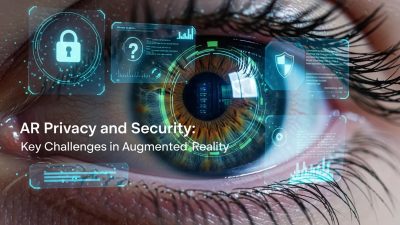
While the potential of AR Intelligence is immense, it comes with its own set of challenges, particularly concerning AR Privacy and Security. Immersive AR systems often rely on cameras, sensors, and data collection to function effectively. AI models analyze this data to optimize the user experience, but if not properly safeguarded, it could expose sensitive personal or corporate information. Advanced security protocols, data anonymization techniques, and real-time threat detection powered by AI are essential to ensure safe interactions. Companies must balance the benefits of AI-driven personalization with the need to maintain user trust and comply with regulations.
Future Applications of AR Intelligence
Looking ahead, the possibilities for AR Intelligence are virtually limitless. Industries like healthcare can use AI-powered AR to overlay diagnostic information during surgery, enhancing precision and safety. In education, immersive AR environments can adapt lessons in real time to match student comprehension levels, leveraging AI Adaptive AR UX to maximize learning outcomes. Retailers will continue to push the boundaries of AR Retail experiences, while marketing teams can integrate AI Chatbot Marketing Funnels and Chatbots in Brand Marketing to deliver interactive, personalized campaigns that were once only imaginable in science fiction.
Moreover, as Transfer Learning in AR techniques continue to mature, developers will be able to deploy smarter, more responsive AR solutions faster than ever before. These systems will not only react to user input but anticipate needs, creating experiences that feel truly intelligent and human-centric. In this evolving landscape, AR Intelligence is not just a tool it is becoming a platform for innovation across sectors, merging the physical and digital worlds seamlessly.
The Role of AI in Immersive AR Experiences
As AR Intelligence continues to evolve, one of its most powerful applications lies in creating immersive experiences that are adaptive and context-aware. Traditional AR overlays static content onto real-world environments, but AI integration allows these overlays to respond intelligently to user actions and environmental changes. For instance, AI can analyze gestures, facial expressions, and object recognition to modify AR content in real time, making interactions more natural and engaging. This capability is critical for sectors such as gaming, education, and industrial training, where immersion and responsiveness directly influence outcomes.
In addition, AI-powered systems enable predictive interactions. By analyzing historical usage patterns, AI Adaptive AR UX can anticipate user needs, suggesting the next steps in a workflow or highlighting relevant content before the user even asks. This predictive layer enhances efficiency and engagement, creating experiences that feel both intuitive and intelligent. Companies leveraging this capability are not only improving usability but also gaining a competitive edge by delivering smarter, more personalized AR solutions.
AI and AR in Retail Innovation
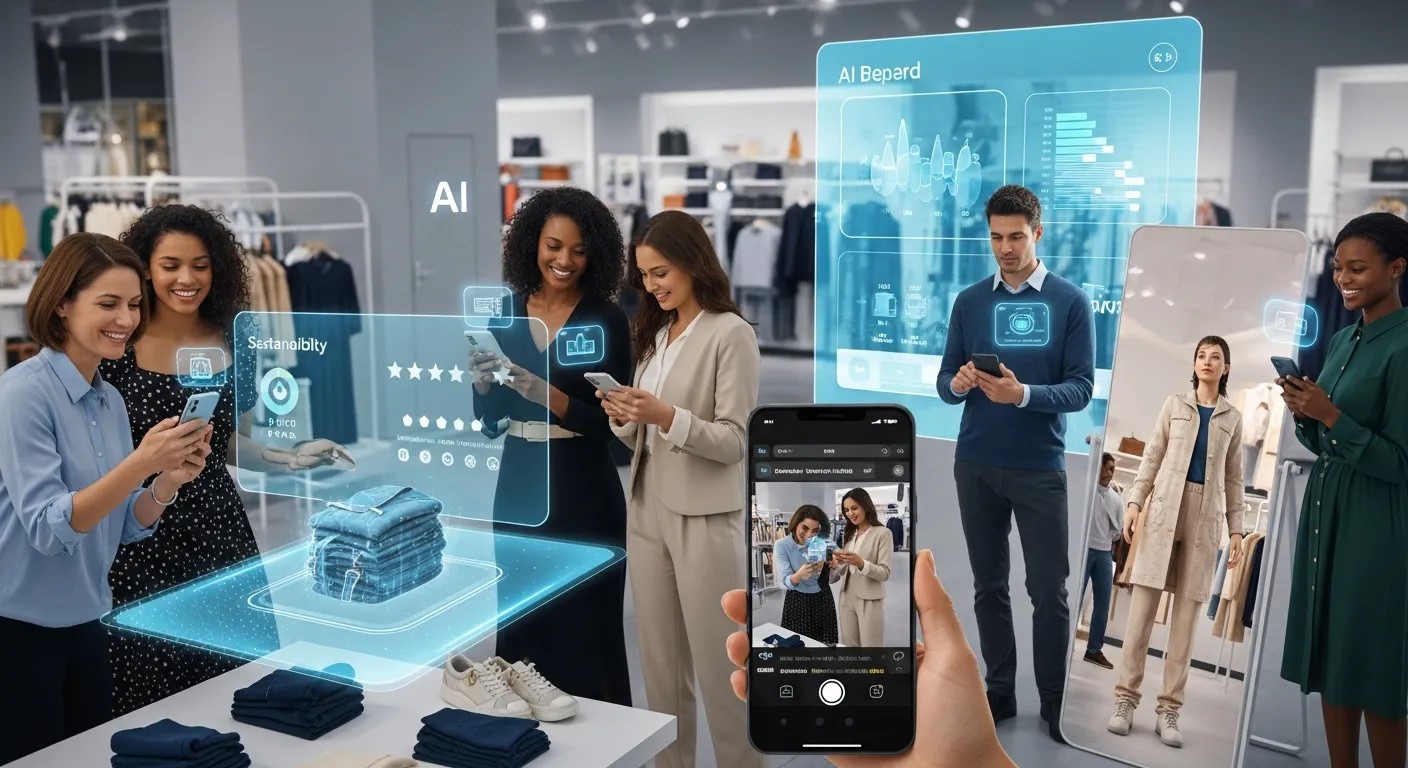
Retail continues to be a fertile ground for AR Intelligence applications. The integration of AI in AR retail environments allows brands to deliver personalized shopping journeys that are highly interactive. AR Retail solutions enable customers to visualize products in their own space, try virtual outfits, or even explore product features through interactive overlays. What sets AI-powered AR apart is its ability to adapt these experiences dynamically. For example, intelligent algorithms can recommend complementary products based on previous interactions, seasonal trends, or real-time behavioral data, enhancing both satisfaction and conversion rates.
Marketing teams are also finding innovative ways to combine AI and AR. AI Chatbot Marketing Funnels are seamlessly integrated into AR experiences, guiding users through personalized journeys that collect valuable insights while maintaining engagement. Similarly, Chatbots in Brand Marketing provide real-time support and suggestions, answering questions, or offering promotions based on context-aware analysis. The combination of AI-driven automation and AR’s immersive capabilities is redefining the customer experience, turning passive viewers into active participants.
Leveraging Transfer Learning in AR Development
One of the technical breakthroughs powering AR Intelligence is Transfer Learning in AR. Developing AI models from scratch for every new AR application can be time-consuming and resource-intensive. Transfer learning allows developers to repurpose existing models, applying knowledge gained from one task to another. This approach accelerates development, improves accuracy, and reduces the need for massive data sets. For example, a model trained for gesture recognition in a gaming environment can be adapted for industrial AR training modules, or facial recognition models can be applied to virtual fitting rooms in retail.
The benefits extend beyond efficiency. By reusing knowledge, AR systems become more robust and adaptive, able to handle new environments or user interactions without extensive retraining. This capability aligns perfectly with AI Adaptive AR UX, ensuring that AR Intelligence solutions remain flexible, scalable, and responsive in diverse contexts.
AR Privacy and Security in the Age of AI
While the potential of AR Intelligence is vast, it introduces critical challenges related to privacy and security. Immersive AR environments often rely on continuous data collection, including location, visual inputs, and behavioral patterns. Protecting this data requires sophisticated safeguards. AI algorithms can play a pivotal role by monitoring for unauthorized access, anonymizing sensitive information, and adjusting visibility dynamically. AR Privacy and Security is not just a technical requirement—it is a fundamental component of trust. Users are more likely to engage with AR applications when they are confident that their data is secure and handled responsibly.
Furthermore, privacy-aware AI systems can create personalized experiences without compromising confidentiality. For instance, recommendation engines can suggest content or products based on anonymized patterns rather than personal identifiers, maintaining relevance while respecting privacy. As regulations around data protection tighten globally, integrating AR Privacy and Security measures with AI Intelligence is becoming a standard best practice for all developers and brands.
Healthcare Applications of AR Intelligence
Healthcare is another sector where AR Intelligence is transforming traditional practices. AI-powered AR can overlay diagnostic information during surgical procedures, guide clinicians through complex interventions, or visualize patient data in three dimensions for better decision-making. For example, AR systems can highlight anatomical structures during surgery, while AI algorithms analyze vital signs and imaging in real time to provide actionable insights.
Additionally, Transfer Learning in AR allows healthcare applications to adapt models trained on one type of medical data for use in another, reducing training time and improving accuracy. Educational applications for medical students benefit from AI Adaptive AR UX, offering lessons that adjust in real time to individual comprehension levels, pacing, and learning style. The combination of AI and AR not only enhances precision and efficiency but also improves learning outcomes and patient safety.
Education and Training with AI-Powered AR
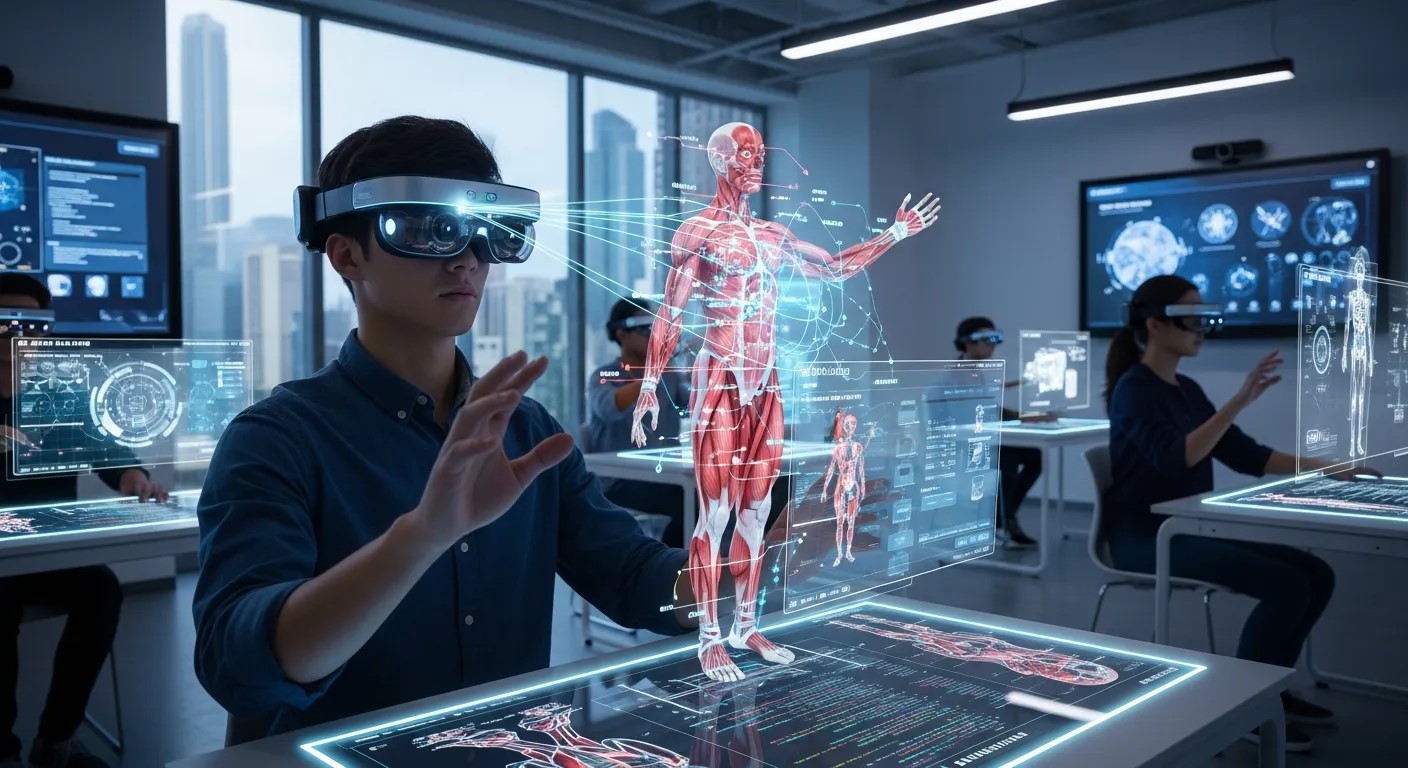
AR Intelligence is redefining learning and training experiences across multiple sectors. Interactive AR lessons, enhanced by AI, allow learners to engage with content in a hands-on, immersive way. By leveraging AI Adaptive AR UX, educational platforms can adjust the difficulty, content pacing, and feedback based on student performance. This personalized learning approach increases engagement, retention, and overall effectiveness.
In corporate training, AR Intelligence can simulate real-world scenarios for employees without the risks associated with on-the-job learning. Industries such as manufacturing, aviation, and logistics use AR-powered simulations to teach complex procedures safely and efficiently. AI analyzes user performance during these simulations, offering insights and adjustments to optimize skill acquisition. By combining immersive visuals with intelligent guidance, organizations can achieve faster, more effective training outcomes while reducing costs and errors.
AR Intelligence in Smart Environments
Beyond individual applications, AR Intelligence is integral to the development of smart environments. Connected spaces, such as smart homes, offices, and cities, can leverage AI-driven AR to provide contextual information, navigation assistance, or real-time analytics. For instance, office employees may receive AR overlays showing meeting room availability or task priorities, while AI algorithms adapt these visual cues based on user behavior patterns.
Moreover, urban planners and architects are beginning to integrate AR Intelligence into city design. Visualizing infrastructure projects, simulating pedestrian flow, and optimizing public spaces become more intuitive with AI-enhanced AR overlays. By combining predictive algorithms with immersive visualization, stakeholders can make better-informed decisions, improving safety, efficiency, and user experience on a larger scale.
AR Intelligence in Enterprise Solutions
Enterprises are increasingly leveraging AR Intelligence to streamline operations and improve decision-making. In manufacturing and logistics, AI-powered AR overlays provide real-time instructions, highlight potential errors, and visualize complex processes, reducing downtime and operational costs. By integrating Transfer Learning in AR, companies can rapidly adapt pre-trained models for different tasks, making deployments faster and more efficient.
Beyond operations, enterprises are using AI Adaptive AR UX to enhance employee training and onboarding. Interactive simulations allow staff to learn in immersive environments, while AI adjusts content based on individual performance and learning pace. Customer-facing applications are also evolving AR Retail and virtual showrooms powered by AR Intelligence provide clients with personalized experiences, increasing engagement and conversion.
Security remains a priority. AR Privacy and Security protocols ensure sensitive enterprise data is protected while maintaining the interactivity and responsiveness of AR solutions. As organizations adopt AR Intelligence across sectors, the combination of AI-driven insights and immersive AR experiences is redefining the future of enterprise technology.
Conclusion
AR Intelligence is reshaping the way we interact with the digital and physical world, bringing immersive, adaptive, and personalized experiences to users across industries. By integrating AI technologies like Transfer Learning in AR and AI Adaptive AR UX, AR systems can evolve dynamically, enhancing usability, efficiency, and engagement. From AR Retail to enterprise training, healthcare, and marketing, AI-powered AR is driving innovation, optimizing workflows, and transforming customer experiences. While AR Privacy and Security remains a crucial consideration, the benefits of AR Intelligence far outweigh the challenges, making it a cornerstone for the future of interactive technology.
Frequently Asked Questions (FAQ)
What is AR Intelligence?
AR Intelligence is the integration of AI into augmented reality to create adaptive, responsive, and personalized experiences.
How does AI Adaptive AR UX work?
It adjusts AR content dynamically based on user behavior, performance, and context to enhance interaction and engagement.
What is the role of Transfer Learning in AR?
Transfer learning allows pre-trained AI models to be adapted for new AR tasks, reducing training time and improving accuracy.
How is AR used in retail?
AR Retail provides immersive shopping experiences, virtual try-ons, and personalized recommendations to enhance customer engagement and conversion.
Why is AR Privacy and Security important?
AR systems collect sensitive data; AI-driven privacy measures ensure secure, responsible handling while maintaining immersive experiences.
Can AR Intelligence be used in enterprise training?
Yes, it enables interactive simulations and adaptive learning, improving efficiency, skill acquisition, and onboarding experiences.