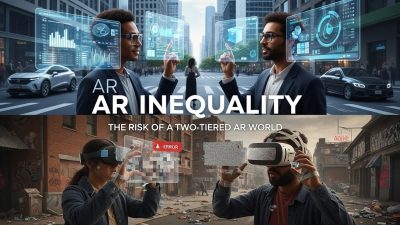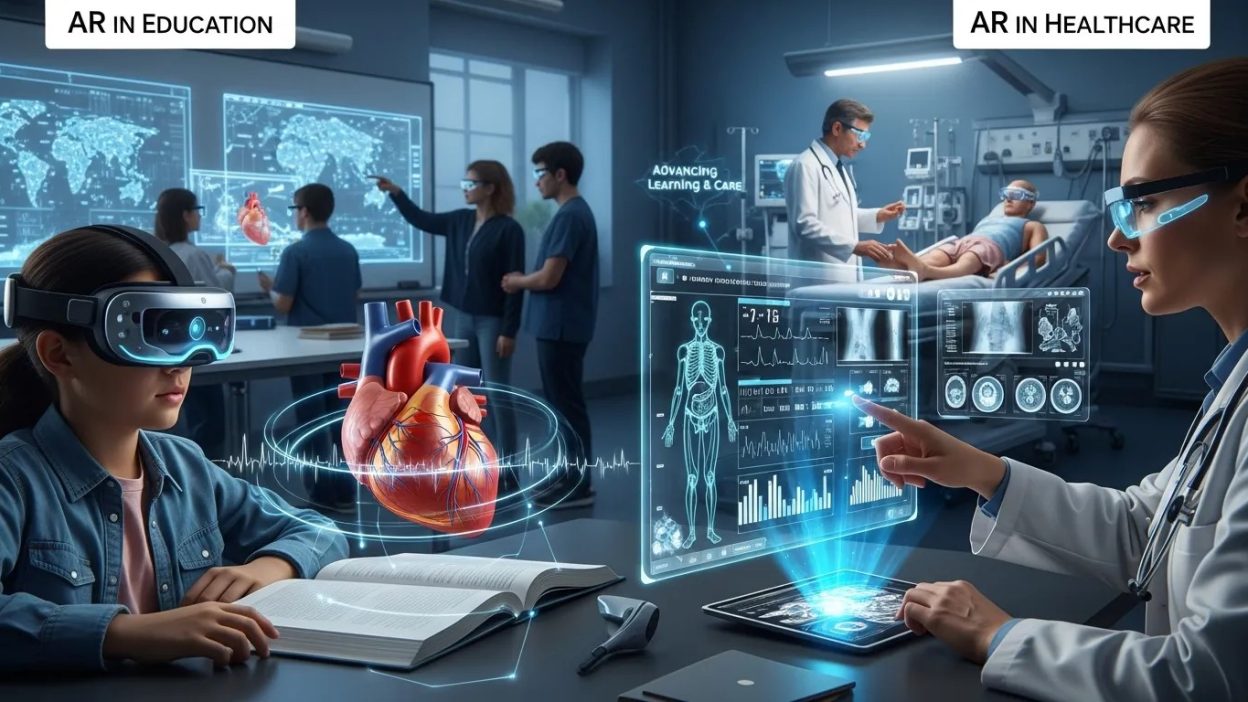
AR in Education and Healthcare enhances learning, patient care, and research through immersive, interactive experiences. By integrating AI, IoT, and personalized solutions, it transforms classrooms, hospitals, and therapy, driving innovation and improved outcomes across both sectors.
Understanding AR in Education and Healthcare
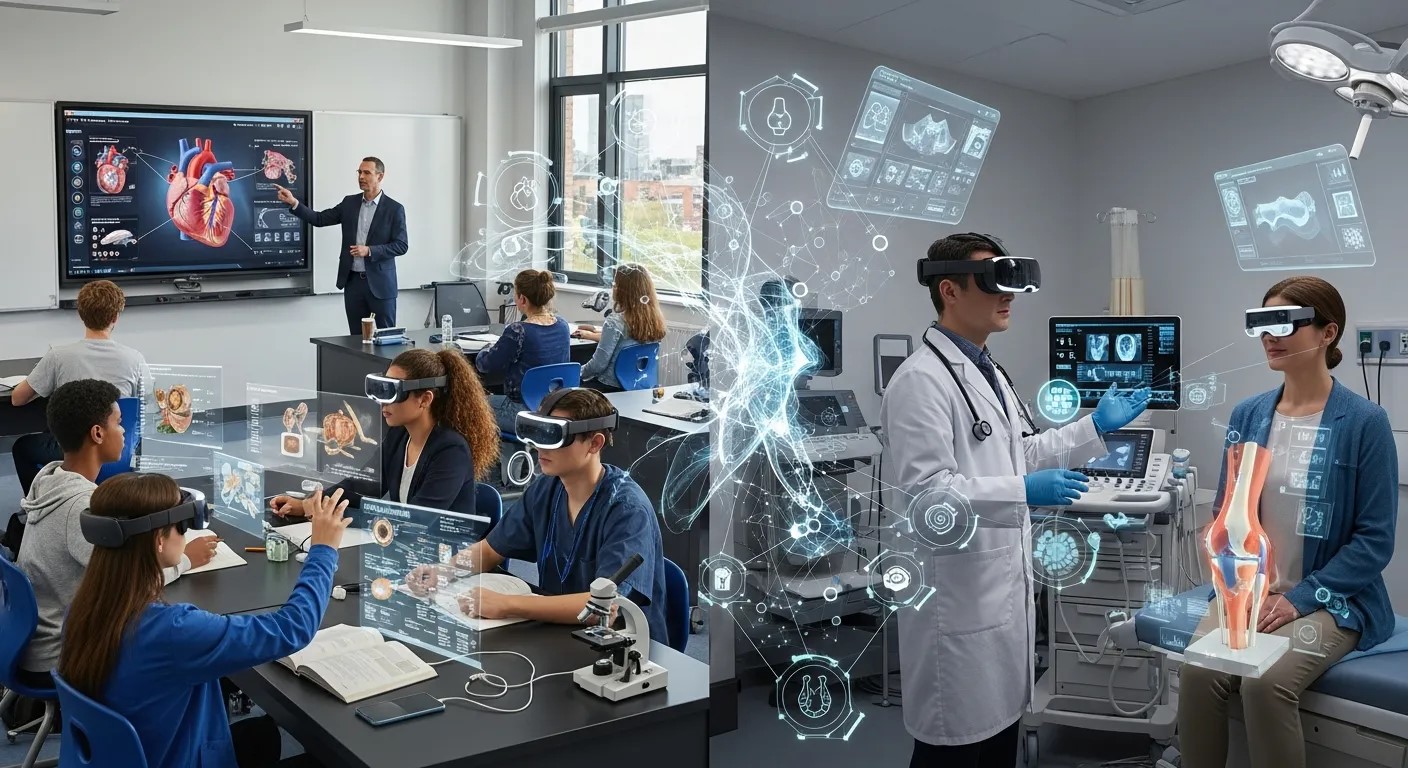
AR in Education and Healthcare combines cutting-edge technology with human-centered applications to create meaningful experiences. In education, AR allows students to interact with 3D models, simulations, and real-time data, promoting active learning and deeper comprehension. In healthcare, AR assists professionals in diagnosis, surgical procedures, patient monitoring, and rehabilitation, improving accuracy and patient outcomes.
Unlike virtual reality, which isolates users in fully digital environments, AR supplements the real world with contextual, interactive elements. This makes it ideal for settings where real-world interaction is essential, such as classrooms, medical labs, or clinical environments.
Key Components of AR Technology
AR relies on several technological components that work together to deliver immersive experiences:
-
Hardware Devices: AR can be experienced through smartphones, tablets, smart glasses, and AR headsets. These devices are equipped with cameras and sensors to track real-world objects.
-
Software Platforms: AR applications use sophisticated software to render virtual content accurately over real-world surfaces.
-
Tracking and Recognition Systems: Through computer vision, AR identifies objects, locations, and gestures, enabling dynamic interactions.
-
User Interfaces: AR interfaces are designed for intuitive engagement, often leveraging touch, voice, or gesture control.
By integrating these components, AR in Education and Healthcare becomes an interactive bridge between digital innovation and practical application.
Applications of AR in Education
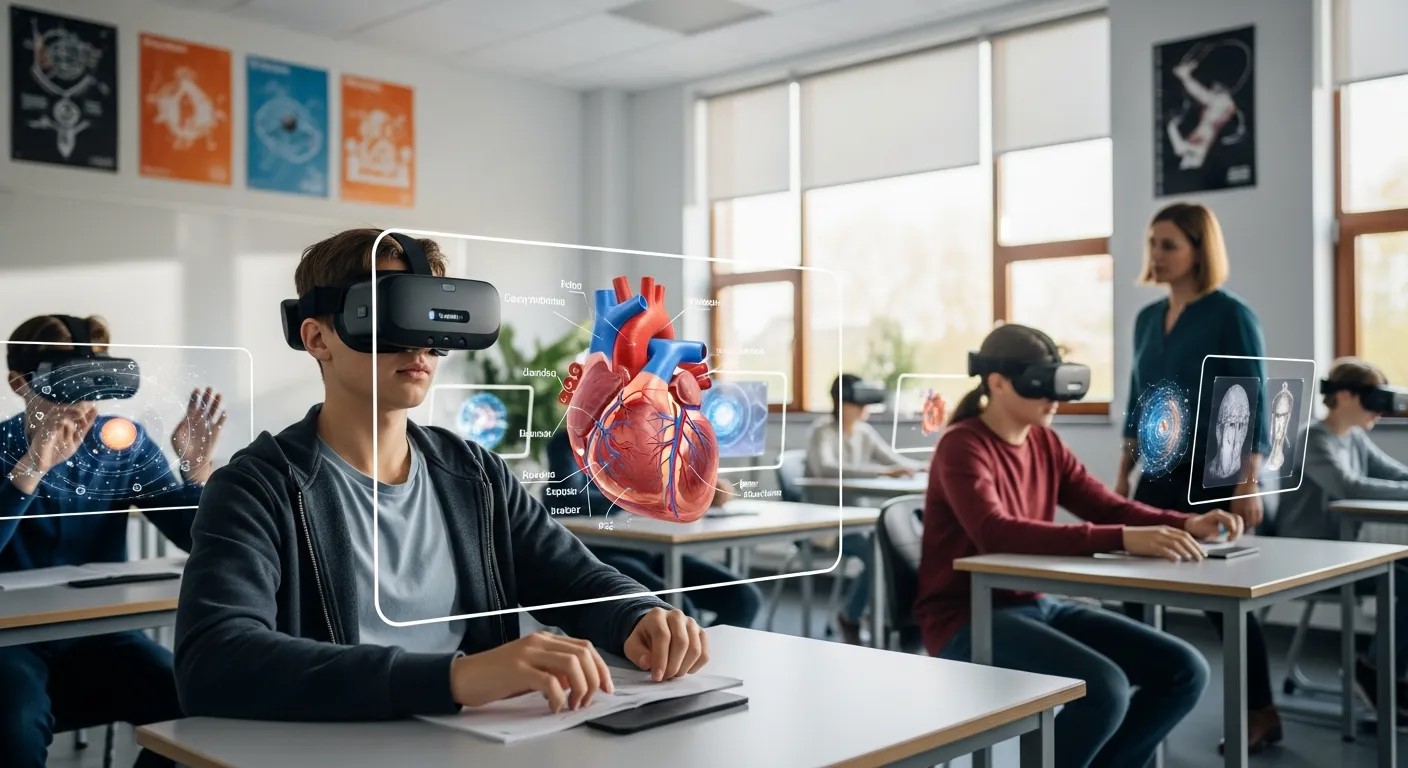
The educational landscape has been dramatically enhanced by AR. Traditional learning methods often rely on static textbooks and passive lectures, which can limit engagement. AR introduces an active, immersive approach that encourages exploration, experimentation, and collaboration.
Interactive Learning Experiences
One of the most significant benefits of Augmented Reality in Education is its ability to create interactive learning experiences. Students can manipulate 3D models of the human body, molecular structures, or historical artifacts, gaining hands-on understanding without physical limitations. For example, a biology student can virtually dissect an organ, exploring intricate details that might be impossible in a traditional lab setting.
Enhanced Engagement and Retention
Engagement is a major challenge in classrooms, especially in subjects like science, mathematics, and history. AR applications, such as interactive AR textbooks or gamified learning modules, make abstract concepts tangible. By bridging the gap between theory and visualization, Augmented Reality in Education enhances retention and comprehension.
Personalized Learning Paths
AR can adapt content to individual learning styles and paces. With adaptive AR platforms, students can receive tailored guidance, instant feedback, and immersive exercises. This personalization improves learning outcomes and encourages continuous curiosity.
Transforming Healthcare with AR
Healthcare is another sector where AR is making a profound impact. The integration of Augmented Reality in Healthcare has enhanced diagnosis, surgery, medical training, and patient engagement, bringing precision and efficiency to previously complex processes.
Surgical Precision and Assistance
AR-assisted surgery allows surgeons to visualize critical anatomical structures in real-time during procedures. By overlaying digital information such as blood vessels, tumors, or surgical pathways onto the patient’s body, AR in Education and Healthcare helps reduce errors and improve outcomes. Complex operations that once required extensive planning can now be performed with greater accuracy and confidence.
Medical Training and Simulation
Training medical professionals often involves high stakes, where mistakes can have severe consequences. With Augmented Reality in Healthcare, students and residents can practice surgical techniques, patient interactions, and emergency procedures in a safe, controlled environment. AR simulations provide immediate feedback and realistic scenarios, accelerating skill acquisition.
Patient Education and Engagement
Patient understanding is crucial for treatment adherence and health outcomes. AR applications allow patients to visualize their conditions, treatment plans, and rehabilitation exercises. For example, a patient recovering from a stroke can follow AR-guided physical therapy exercises, making rehabilitation interactive and motivating.
AR in Research and Innovation
Beyond education and direct patient care, AR also plays a critical role in scientific and medical research. Augmented Reality in Research facilitates data visualization, experimental simulations, and collaborative exploration.
Visualizing Complex Data
Researchers often deal with multidimensional data sets that are challenging to interpret in traditional formats. AR enables interactive visualization of complex structures, such as protein interactions, genetic sequences, or ecological systems, providing insights that drive innovation and discovery.
Collaborative Experiments
AR supports collaborative research by allowing multiple participants to interact with shared virtual models in real-time, regardless of physical location. Teams of scientists can explore simulations, annotate observations, and test hypotheses together, accelerating research outcomes.
Accelerating Medical Innovation
In pharmaceuticals, AR can simulate drug interactions at the molecular level, aiding in the design and testing of new compounds. Similarly, medical device developers can use AR to visualize product usage in clinical environments before physical prototypes are built.
Supporting Mental Health Through AR
Mental health is a growing concern worldwide, and AR offers unique opportunities for intervention. Augmented Reality and Mental Health applications provide immersive experiences that support therapy, relaxation, and skill-building.
Exposure Therapy and Phobia Treatment
AR can simulate controlled environments for exposure therapy, helping patients confront fears in safe, gradual steps. For example, someone with social anxiety can practice interactions in AR-generated scenarios before facing real-world situations.
Mindfulness and Stress Reduction
AR applications can guide users through immersive relaxation exercises, meditative environments, or breathing practices. By blending real and virtual stimuli, Augmented Reality and Mental Health tools make stress management more engaging and effective.
Cognitive Training
AR-based cognitive training exercises improve memory, attention, and problem-solving skills. These applications are particularly beneficial for patients recovering from brain injuries or dealing with cognitive decline, offering interactive mental stimulation.
Benefits of AR Integration Across Sectors
Integrating AR in education and healthcare offers multiple advantages:
| Sector | Key Benefits |
|---|---|
| Education | Interactive learning, enhanced engagement, personalized learning, improved retention |
| Healthcare | Surgical precision, immersive training, patient engagement, better treatment adherence |
| Research | Data visualization, collaborative experiments, accelerated innovation |
| Mental Health | Exposure therapy, mindfulness, cognitive training, stress reduction |
These benefits collectively highlight the transformative potential of AR in Education and Healthcare.
Challenges and Considerations
Despite its advantages, AR adoption faces several challenges:
-
Cost and Accessibility: High-end AR hardware can be expensive, limiting accessibility for some schools and hospitals.
-
Technical Expertise: Implementing AR systems requires skilled personnel and ongoing support.
-
Content Quality: The effectiveness of AR depends on well-designed content aligned with learning or treatment goals.
-
Privacy and Security: Especially in healthcare, patient data must be protected while using AR platforms.
Addressing these challenges is crucial for sustainable adoption and maximizing the impact of AR technologies.
Future Trends in AR for Education and Healthcare
The future of AR in Education and Healthcare promises further integration and innovation:
-
AI-Powered AR: Artificial intelligence will enhance AR experiences by providing real-time analytics, adaptive learning, and predictive modeling in both education and healthcare.
-
Wearable AR Devices: Smart glasses and lightweight headsets will make AR more accessible and convenient in classrooms, labs, and hospitals.
-
AR Cloud and Shared Experiences: Cloud-based AR platforms will enable multi-user, location-independent learning and collaboration.
-
Gamification and Engagement: Gamified AR experiences will boost motivation, retention, and adherence in education, training, and patient care.
As these trends evolve, the synergy between digital and real-world experiences will further advance learning, healthcare outcomes, and research innovation.
AR-Powered Interactive Classrooms
AR in Education and Healthcare is transforming classrooms into immersive learning hubs. Students no longer rely solely on textbooks; they interact with 3D models, virtual labs, and simulations. Anatomy students can explore organs layer by layer, while chemistry students witness molecular reactions in real-time. Teachers integrate AR in Education and Healthcare to create personalized lesson plans, allowing learners to progress at their own pace. Collaboration is enhanced as multiple students manipulate the same virtual object, encouraging teamwork and problem-solving. By merging the digital and physical worlds, AR keeps students engaged and improves retention. Schools adopting AR in Education and Healthcare report higher motivation levels and better academic outcomes, demonstrating the technology’s ability to revolutionize traditional pedagogy. This interactive approach ensures learners connect theory with practice, preparing them for real-world challenges while simultaneously familiarizing them with emerging technologies.
Augmented Reality in Remote Medical Training
The adoption of AR in Education and Healthcare has expanded opportunities for remote medical training. Surgeons and healthcare professionals can practice procedures virtually using AR overlays on mannequins or simulated patients. This reduces mistakes during real operations and enhances precision. Medical students gain exposure to complex cases without the risks of live procedures. Additionally, AR supports telemedicine by allowing specialists to guide on-site doctors remotely, visualizing patient anatomy and treatment plans in real-time. Integrating AR in Education and Healthcare for remote learning ensures that high-quality medical education is accessible globally. Hospitals and universities using AR note improved confidence and competency among trainees. As AR technology evolves, remote training and consultation through AR in Education and Healthcare will become standard, bridging geographic gaps and democratizing access to advanced learning and healthcare expertise.
AR for Personalized Learning and Patient Care
One of the most impactful applications of AR in Education and Healthcare is personalization. In classrooms, AR platforms adapt content to individual learning styles, providing interactive modules that suit a student’s pace and needs. Complex subjects like anatomy or physics become easier to understand through visualization and hands-on virtual practice. In healthcare, AR helps patients visualize their conditions, treatment plans, and progress over time, promoting better engagement and adherence. Clinicians integrate AR in Education and Healthcare into personalized therapy, rehabilitation, and pre-surgical guidance. Students and patients alike benefit from tailored experiences that enhance comprehension, confidence, and motivation. By making education and care interactive and adaptable, AR in Education and Healthcare transforms traditional one-size-fits-all approaches, demonstrating how technology can meet individual needs efficiently and effectively across both sectors.
Augmented Reality in Research and Experimentation
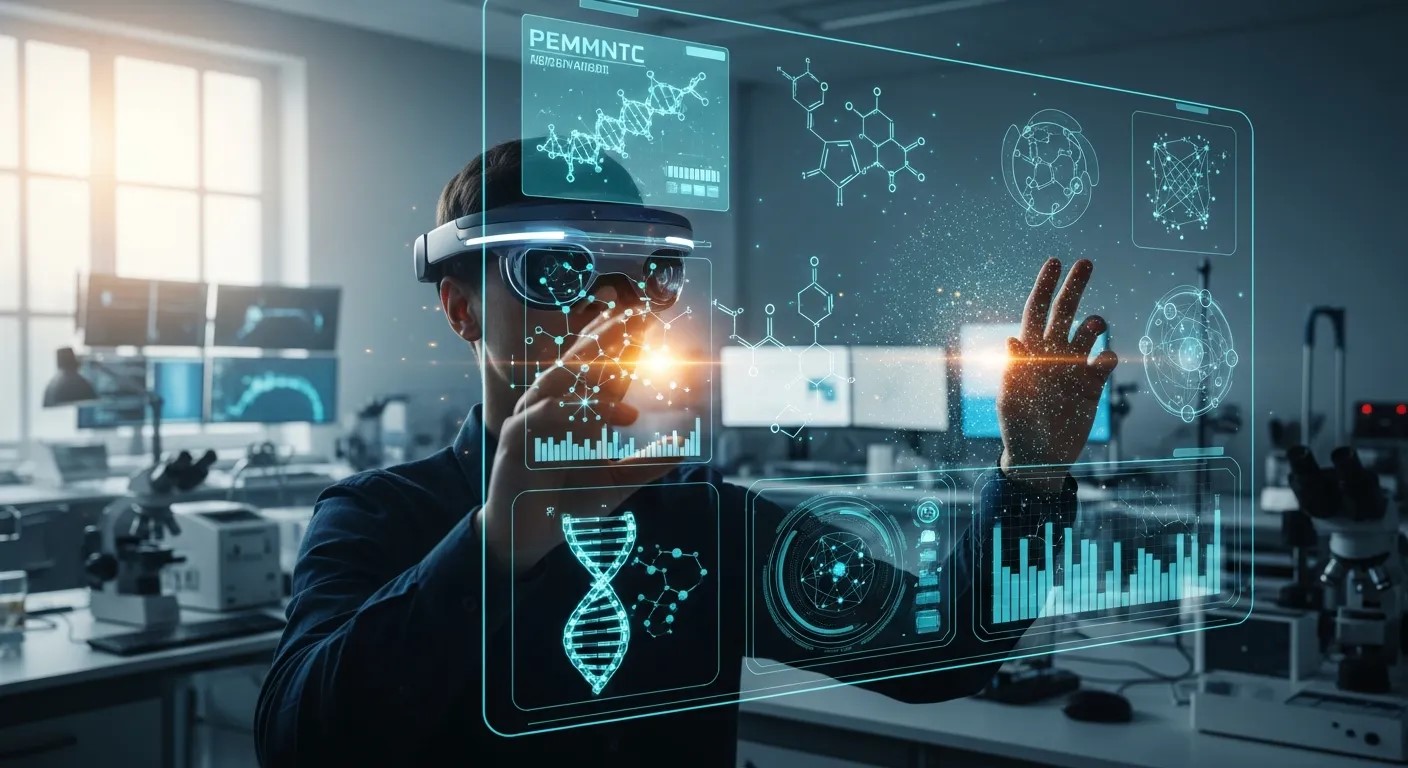
AR in Education and Healthcare is a game-changer for research and experimentation. Scientists and students use AR to visualize complex biological structures, simulate chemical reactions, and conduct virtual experiments safely. Collaborative research is enhanced as multiple participants manipulate virtual models in real-time, regardless of physical location. AR provides interactive data visualization tools, enabling researchers to identify patterns and anomalies that traditional methods might miss. Academic institutions incorporating AR in Education and Healthcare report accelerated experimentation and more accurate results. From studying molecular interactions to testing surgical procedures, AR transforms theoretical research into interactive exploration. By enabling hands-on experimentation without physical constraints, AR in Education and Healthcare drives innovation, fosters interdisciplinary collaboration, and prepares learners and researchers for practical challenges in medicine, science, and technology.
AR in Rehabilitation and Therapy
Rehabilitation programs benefit greatly from AR in Education and Healthcare. Patients recovering from injuries, surgeries, or neurological disorders can engage in AR-guided exercises tailored to their progress. Physical therapists use AR to provide visual cues for correct movements, ensuring accuracy and reducing the risk of further injury. Mental health applications also benefit; interactive AR sessions help patients practice coping strategies, mindfulness, and cognitive exercises. Integrating AR in Education and Healthcare into therapy enhances motivation and adherence, as patients find AR exercises engaging and informative. Rehabilitation centers that adopt AR note improved recovery timelines and higher patient satisfaction. By combining physical, cognitive, and mental health support, AR in Education and Healthcare demonstrates its versatility, offering immersive, personalized, and measurable outcomes across multiple therapeutic domains.
Integration of AR with AI and IoT
The future of AR in Education and Healthcare lies in its integration with artificial intelligence (AI) and the Internet of Things (IoT). AI-powered AR can track student progress, analyze patterns, and recommend customized learning activities. In healthcare, AR combined with IoT devices monitors patient vitals in real-time, providing clinicians with actionable insights. Schools and hospitals leveraging AR in Education and Healthcare benefit from enhanced decision-making and predictive analytics. AI enhances interactivity by adjusting simulations based on user behavior, while IoT sensors feed real-world data into AR platforms for accurate overlays. This convergence ensures a smart ecosystem where education and healthcare become data-driven and highly adaptive. Integrating AR in Education and Healthcare with AI and IoT ensures precision, personalization, and innovation, pushing both sectors toward next-generation digital experiences.
Future Prospects and Ethical Considerations
As AR in Education and Healthcare continues to advance, its potential grows exponentially. Wearable AR devices, gamified applications, and cloud-based platforms will make immersive learning and patient care more accessible. However, ethical considerations such as privacy, data security, and equitable access must guide adoption. Students and patients should benefit safely without risking personal information. Institutions adopting AR in Education and Healthcare must develop policies ensuring inclusivity and responsible use. Additionally, content should be culturally sensitive and accurate. By addressing these challenges, AR in Education and Healthcare can sustainably transform learning, treatment, and research. The future promises highly interactive, efficient, and ethical applications, cementing AR’s role as a critical technology in shaping modern education and healthcare systems.
Conclusion
AR in Education and Healthcare has emerged as a transformative technology, bridging the gap between digital innovation and practical application. From interactive classrooms and personalized learning experiences to surgical precision, rehabilitation, and mental health support, AR is reshaping how knowledge is acquired and care is delivered. Its ability to provide immersive, data-driven, and hands-on experiences enhances engagement, retention, and outcomes across both sectors.
As technology evolves, integrating AI, IoT, and cloud-based solutions will further expand the potential of AR in Education and Healthcare, enabling smarter, more efficient, and personalized solutions for learners, patients, and professionals alike. While challenges such as accessibility, ethics, and privacy remain, responsible adoption ensures that AR continues to improve educational standards and healthcare delivery worldwide.
FAQ: AR in Education and Healthcare
What is AR in Education and Healthcare?
AR in Education and Healthcare refers to the use of augmented reality technology to enhance learning experiences, patient care, medical training, and research. It overlays digital information on the real world, creating interactive and immersive applications.
How does AR improve learning in classrooms?
By using Augmented Reality in Education, students can interact with 3D models, simulations, and virtual labs. This hands-on approach improves engagement, retention, and comprehension, making complex concepts easier to understand.
What are the benefits of AR in healthcare?
Augmented Reality in Healthcare improves surgical precision, medical training, diagnostics, and patient engagement. AR-guided therapy and rehabilitation enhance recovery outcomes, while immersive visualization helps both clinicians and patients understand medical procedures better.
Can AR support mental health therapies?
Yes, Augmented Reality and Mental Health applications provide exposure therapy, mindfulness exercises, and cognitive training, making therapy interactive, measurable, and more effective for patients with anxiety, phobias, or cognitive challenges.
How is AR used in research and innovation?
Augmented Reality in Research allows visualization of complex data, simulation of experiments, and collaborative studies. It accelerates discovery in medical and educational fields by enabling interactive exploration of models and processes.
What are the challenges of implementing AR in education and healthcare?
Challenges include high hardware costs, content development, technical expertise, accessibility, and data privacy concerns. Institutions adopting AR in Education and Healthcare must address these issues for safe and effective use.
What does the future hold for AR in Education and Healthcare?
The future involves AI integration, wearable devices, gamified learning, and cloud-based platforms. AR in Education and Healthcare will become more personalized, interactive, and accessible, transforming learning, patient care, and research globally.