AR In Automotive: Transforming Cars with Augmented Reality
Augmented reality is revolutionizing how automotive companies design vehicles, train employees, engage customers, and deliver services. From assembly lines to showrooms, AR in automotive creates immersive experiences that enhance efficiency, reduce costs, and redefine industry standards.
The automotive sector has always been at the forefront of technological innovation. Now, augmented reality is driving a new wave of transformation. Manufacturers are using AR to streamline production processes, while dealerships leverage it to create compelling customer experiences. Service centers employ AR tools to diagnose and repair vehicles faster than ever before.
This shift isn’t just about adopting new technology—it’s about fundamentally changing how the automotive industry operates. AR in automotive applications span manufacturing, design, marketing, sales, maintenance, and training. Each use case demonstrates how overlaying digital information onto the physical world can solve real-world challenges.
As competition intensifies and customer expectations rise, automotive companies that embrace AR gain significant advantages. They can reduce production errors, accelerate time-to-market, improve customer satisfaction, and enhance workplace safety. The technology also opens new revenue streams through innovative service offerings and marketing campaigns.
Understanding how AR is reshaping the automotive landscape helps industry professionals make informed decisions about technology investments. This comprehensive guide explores the most impactful applications of AR in automotive, backed by real-world examples and measurable results.
Revolutionizing Vehicle Design and Engineering
AR in automotive design allows engineers to visualize 3D models in real-world environments before physical prototypes exist. Designers can walk around virtual vehicles, examining every detail from multiple angles. This capability dramatically reduces the time and cost associated with traditional clay modeling and physical prototyping.
Ford uses AR to evaluate design concepts in their studios. Engineers wear headsets that project full-scale vehicle models into their workspace. They can modify colors, materials, and components instantly, making collaborative design reviews more productive. This approach has cut Ford’s design cycle time by 25%.
BMW employs AR throughout its engineering process. Engineers overlay digital components onto physical vehicles to assess fitment and identify potential issues. This integration of AR in automotive engineering catches design flaws early, preventing costly corrections during production. The company reports saving millions annually through reduced rework.
Testing and Validation Through Virtual Simulations
AR enables comprehensive vehicle testing without building multiple physical prototypes. Engineers simulate crash scenarios, aerodynamic performance, and component stress under various conditions. These virtual tests provide valuable data while minimizing material waste and testing expenses.
Audi uses AR to validate interior ergonomics. Designers can sit in a physical seat frame while viewing the complete interior through AR glasses. They assess dashboard layouts, control placement, and visibility from the driver’s perspective. This method ensures optimal ergonomics before manufacturing begins.
Transforming Manufacturing and Assembly Processes
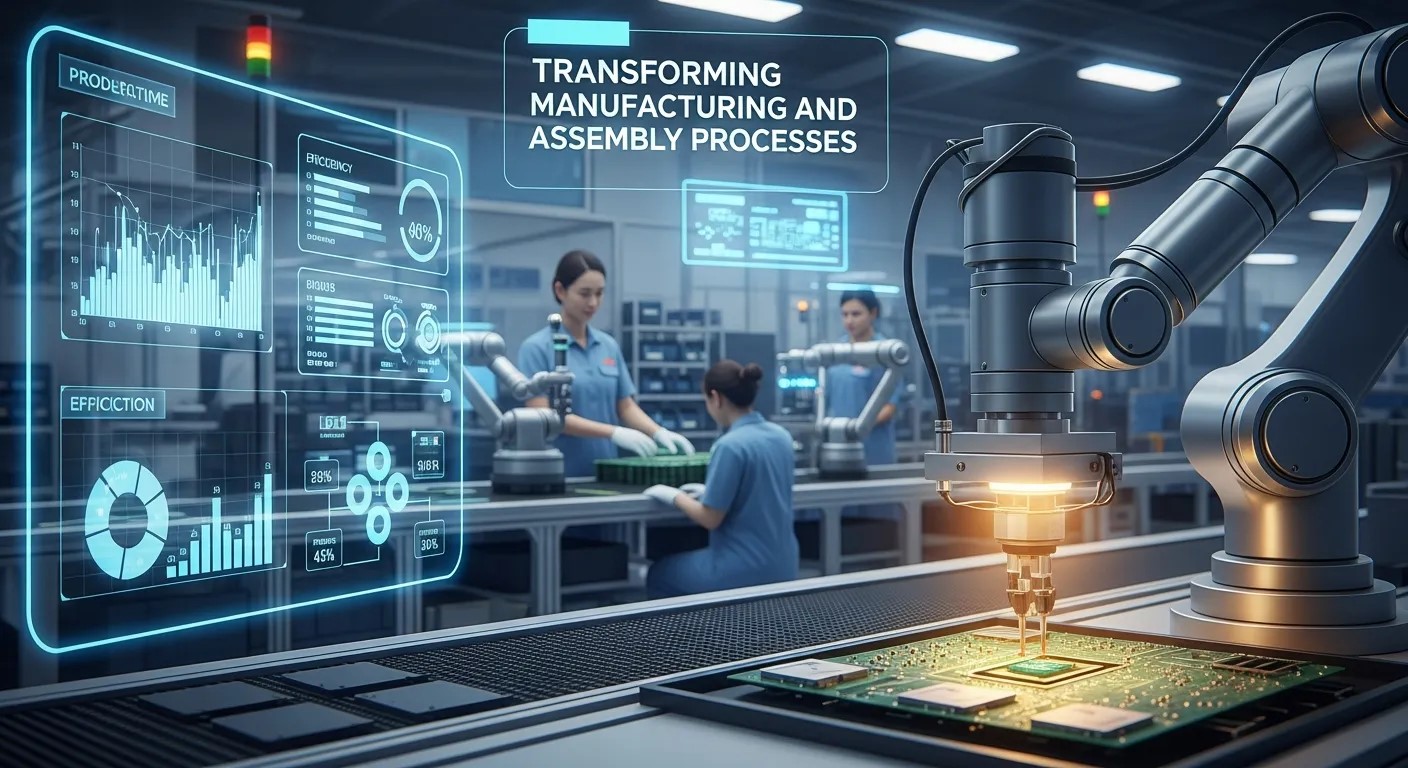
AR in automotive manufacturing guides workers through complex assembly procedures with visual overlays. Workers see step-by-step instructions, part identification, and quality checkpoints directly in their field of vision. This guidance reduces errors, speeds up production, and minimizes the learning curve for new employees.
Volkswagen implemented AR across several assembly plants. Technicians use tablets to view digital work instructions overlaid on actual vehicles. The system highlights the exact location for each component and shows the correct installation method. Error rates dropped by 40% after implementation.
Porsche uses AR smart glasses in their production facilities. Assembly workers see animated instructions showing how to install complex components. The hands-free system allows workers to follow directions while performing tasks, improving both speed and accuracy. Production efficiency increased by 30% in areas using AR technology.
Quality Control and Inspection
AR in automotive quality control provides inspectors with enhanced visualization tools. Digital overlays compare manufactured parts against CAD specifications, instantly highlighting deviations. This precision ensures vehicles meet exact specifications before leaving the factory.
Mercedes-Benz employs AR for final vehicle inspections. Inspectors use AR devices to scan vehicles and identify paint imperfections, panel gaps, and alignment issues. The system documents every defect’s location and severity, streamlining the correction process. Inspection time decreased by 20% while detection accuracy improved.
Enhancing Customer Experiences in Showrooms
AR in automotive retail transforms how customers explore vehicles. Dealerships offer AR experiences that let potential buyers visualize different configurations, colors, and features. Customers can see how their customized vehicle looks in their driveway before ordering.
Hyundai developed an AR showroom experience through a mobile app. Customers point their phones at a physical vehicle to see different paint options, wheel designs, and interior materials. They can also view cutaway animations showing engine technology and safety features. This interactive approach increases customer engagement and accelerates purchase decisions.
Volvo created virtual showrooms using AR technology. Customers in areas without nearby dealerships can experience full-scale vehicles in any location. They walk around virtual cars, open doors, and explore interiors through their smartphones. This innovation expands Volvo’s market reach while reducing the need for physical inventory.
Virtual Test Drives and Feature Demonstrations
AR enables immersive vehicle demonstrations without leaving the showroom. Customers experience advanced driver assistance systems, infotainment features, and performance capabilities through simulated scenarios. These demonstrations educate buyers and build confidence in their purchase decisions.
Tesla uses AR to demonstrate autopilot features. Customers wear AR headsets that simulate highway driving scenarios. They experience how the vehicle responds to traffic, maintains lane position, and handles various road conditions. This firsthand experience helps customers understand the technology’s capabilities and limitations.
Marketing Innovations Through AR
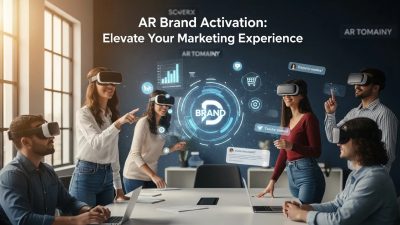
Hyper-Immersive AR Marketing campaigns create memorable brand experiences that traditional advertising cannot match. Automotive companies launch AR campaigns that allow consumers to interact with vehicles in unique ways, generating buzz and building emotional connections with their brands.
Mini Cooper developed an AR experience for a new model launch. Users downloaded an app that projected a full-scale vehicle into their environment. They could walk around the car, change colors, and even take it for a virtual drive through their neighborhood. The campaign generated millions of interactions and significantly boosted brand awareness.
Next Gen AR Marketing strategies leverage social media integration. Automotive brands create AR filters that let users place vehicles in their photos and videos. These shareable experiences extend campaign reach organically, turning customers into brand ambassadors. Engagement rates for AR campaigns exceed traditional digital advertising by substantial margins.
Interactive Print and Outdoor Advertising
AR in automotive marketing brings static advertisements to life. Magazines, billboards, and posters become interactive experiences when viewed through AR-enabled devices. This innovation captures attention and provides deeper engagement than traditional media.
Lexus created AR-enhanced magazine advertisements. Readers scanned pages with their phones to see 3D vehicles emerge from the page. They explored exterior and interior features through interactive hotspots. The campaign achieved 10 times higher engagement than standard print ads.
Streamlining Maintenance and Repair Services
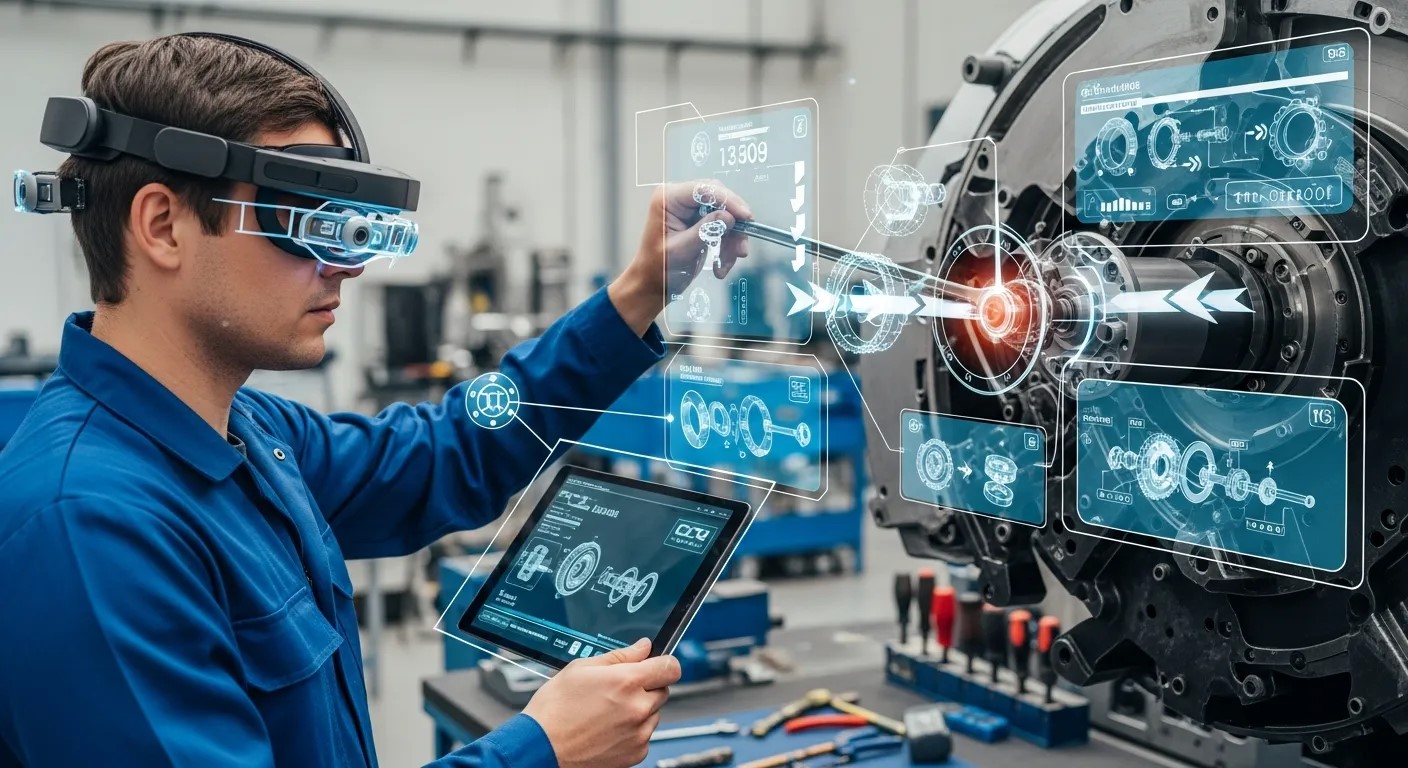
AR in automotive service centers guides technicians through diagnostic and repair procedures. Mechanics see repair manuals, wiring diagrams, and part locations overlaid directly onto vehicles. This real-time guidance improves accuracy and reduces service times.
Bosch developed AR software for automotive technicians. The system identifies components through image recognition and displays relevant repair information. Technicians access torque specifications, removal procedures, and installation tips without leaving their workstation. Service completion times decreased by 15% across dealerships using the system.
BMW technicians use AR glasses during complex repairs. The system provides step-by-step visual instructions for procedures like engine rebuilds and electrical diagnostics. Remote experts can also connect to the technician’s view, offering real-time guidance for challenging situations. This support reduces diagnostic time and improves first-time fix rates.
Remote Assistance and Expert Support
AR enables remote expertise to assist on-site technicians. Specialists from anywhere can see what field technicians see and provide visual guidance. This capability is particularly valuable for rare issues or when specialized knowledge is required.
Jaguar Land Rover implemented remote AR assistance across their service network. Technicians facing complex problems connect with expert engineers. The specialists annotate the technician’s view with arrows, circles, and instructions. This collaboration reduces vehicle downtime and ensures repairs meet manufacturer standards.
Safety Training Applications
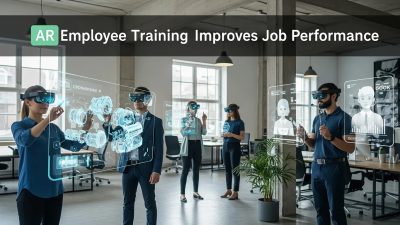
AR in automotive safety training creates realistic scenarios without physical risk. Trainees practice emergency procedures, learn proper safety protocols, and develop critical skills in controlled virtual environments. This approach improves retention and ensures consistent training quality.
Toyota uses AR for forklift safety training in manufacturing facilities. Trainees navigate virtual warehouse environments, responding to hazards and following safety procedures. The system tracks performance and identifies areas needing improvement. Workplace accidents related to forklift operations decreased by 35% after implementing AR training.
General Motors developed AR Emergency Response training for facility safety teams. Team members practice responding to fires, chemical spills, and medical emergencies through AR simulations. The realistic scenarios prepare responders for actual emergencies while avoiding the costs and risks of live drills.
Ethical Considerations in AR Marketing
Ethical AR Marketing ensures transparency and respects consumer privacy. Automotive companies must clearly communicate when AR experiences collect data and obtain appropriate permissions. Building trust through ethical practices ensures long-term customer relationships and brand reputation.
Companies implementing AR must consider how they use customer data collected through AR experiences. Privacy policies should clearly explain data collection, storage, and usage. Providing opt-out options and maintaining data security builds consumer confidence in AR technologies.
Comparison: Traditional Methods vs AR In Automotive
|
Aspect |
Traditional Methods |
AR In Automotive |
|---|---|---|
|
Design Visualization |
Physical prototypes, clay models |
Real-time 3D virtual models in actual environments |
|
Training Efficiency |
Classroom instruction, printed manuals |
Interactive, hands-on AR simulations |
|
Manufacturing Guidance |
Paper instructions, memory-based |
Visual overlays with step-by-step animations |
|
Quality Inspection |
Manual measurements, visual checks |
Digital comparison with CAD specifications |
|
Customer Engagement |
Static brochures, limited test drives |
Interactive vehicle customization and virtual experiences |
|
Service Procedures |
Reference manuals, phone support |
Real-time visual guidance and remote expertise |
|
Marketing Impact |
One-way advertising messages |
Interactive, shareable brand experiences |
|
Cost of Changes |
Expensive physical modifications |
Instant digital updates at minimal cost |
Driving Future Innovation
AR in automotive continues evolving with advancing technology. Next-generation systems will incorporate artificial intelligence, improving object recognition and providing more intelligent guidance. 5G connectivity enables more complex AR experiences with minimal latency, expanding what’s possible in remote assistance and customer experiences.
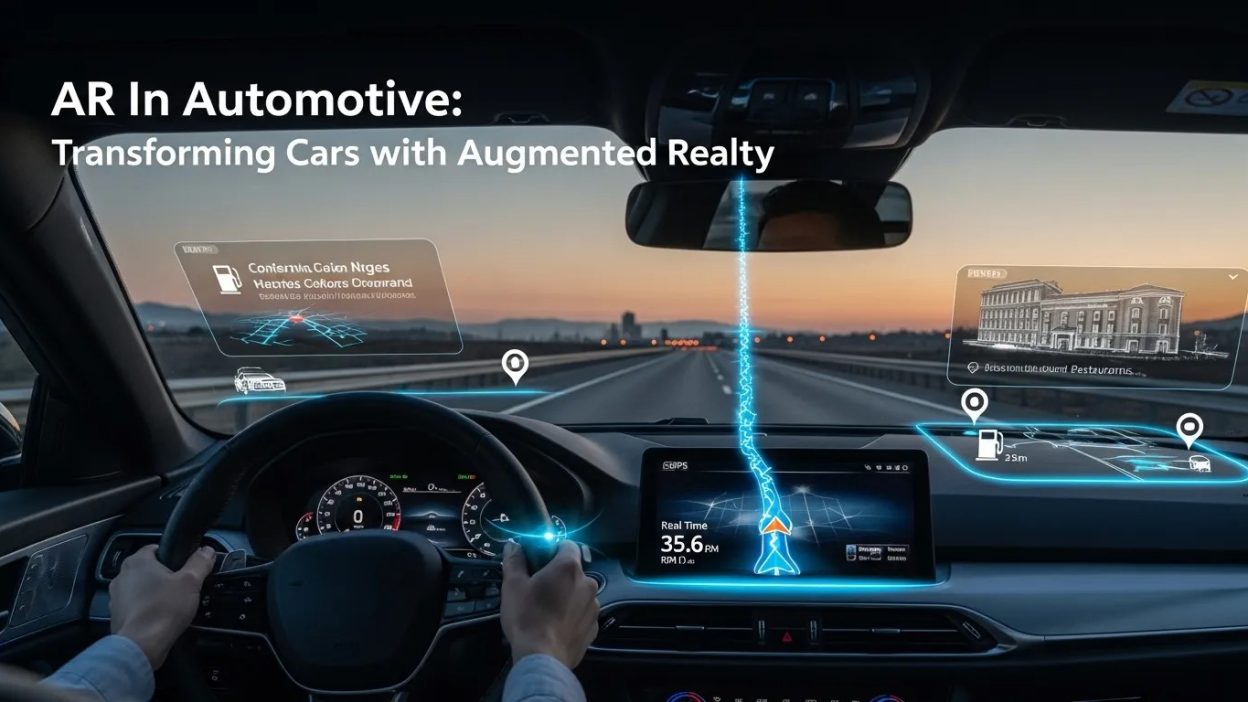
Integration with vehicle systems opens new possibilities. AR windshields could display navigation, hazard warnings, and vehicle information directly in the driver’s field of vision. Maintenance systems might use AR to predict failures before they occur, overlaying diagnostic information for technicians.
The automotive industry’s AR adoption accelerates as hardware becomes more affordable and software more sophisticated. Companies investing in AR technology gain competitive advantages through improved efficiency, enhanced customer experiences, and innovative marketing. As AR capabilities expand, new applications will emerge that further transform how vehicles are designed, built, sold, and maintained.
Automotive companies must develop AR strategies aligned with their business objectives. Successful implementation requires investment in hardware, software, and employee training. However, the returns justify these investments through reduced costs, increased productivity, and stronger customer relationships.
AR-Powered Supply Chain Optimization
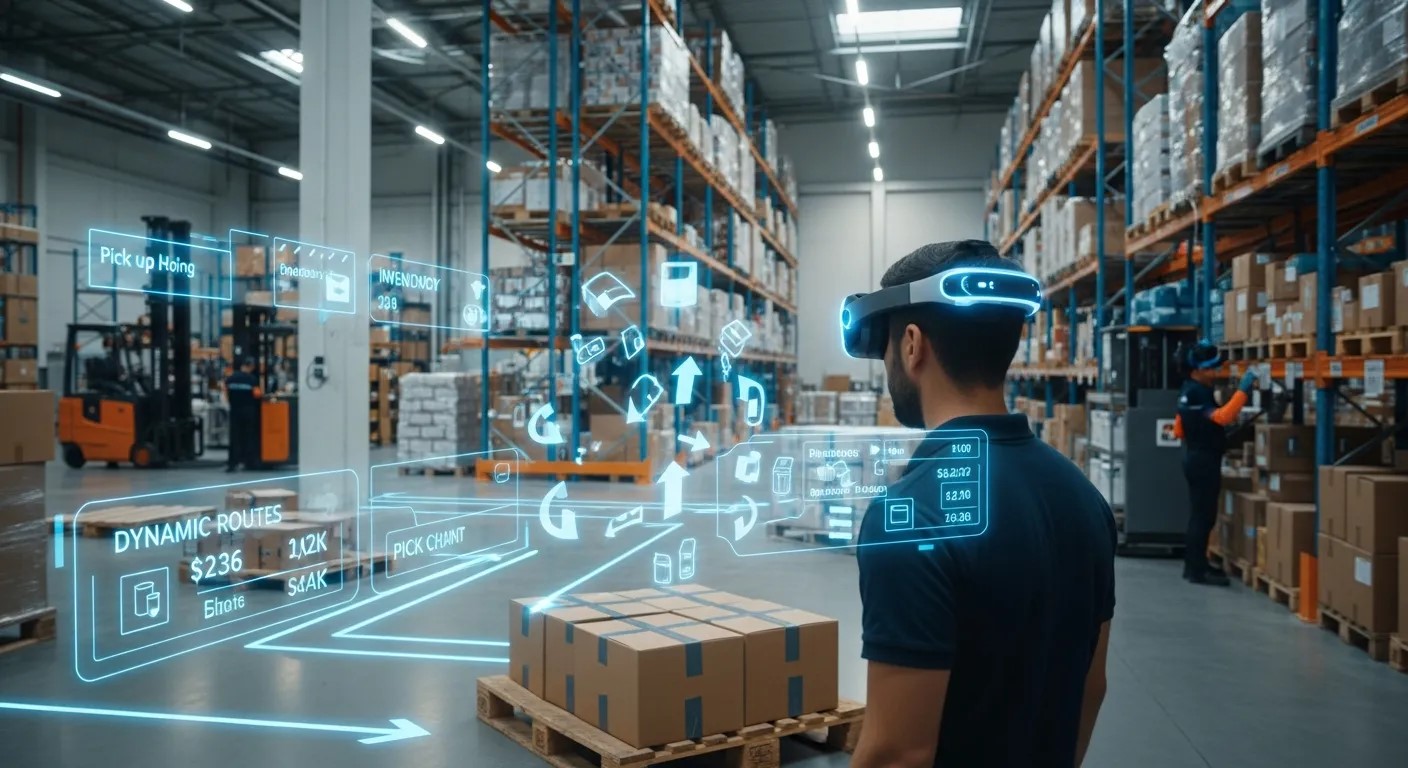
AR in automotive is increasingly streamlining supply chain management. By integrating AR with inventory systems, manufacturers and logistics teams can visualize real-time stock levels, track parts across warehouses, and optimize storage layouts. Workers equipped with AR glasses receive instant guidance on picking, packing, and loading components efficiently, reducing human error and delays. Predictive AR overlays help managers identify potential supply bottlenecks and reroute shipments proactively, ensuring continuous production. Automotive companies like Toyota are leveraging AR for real-time supply chain monitoring, improving delivery accuracy, and reducing operational costs. This approach accelerates production timelines, enhances collaboration between suppliers and assembly plants, and provides a transparent view of the entire supply network, enabling smarter decision-making.
AR Integration in Autonomous Vehicle Development
AR in automotive is playing a pivotal role in autonomous vehicle development. Engineers and software developers use AR simulations to model complex driving scenarios, testing how AI systems respond to pedestrians, traffic, and unpredictable road conditions. AR overlays allow real-time visualization of sensor data from LIDAR, cameras, and radar, helping teams debug algorithms and optimize navigation systems without risking actual vehicles. Companies like Waymo and Tesla employ AR-enhanced environments to accelerate autonomous vehicle testing while minimizing physical trial costs. Additionally, AR enables immersive training for operators and safety drivers, allowing them to interact with simulated scenarios before real-world deployment. This integration reduces development time, enhances safety, and pushes the boundaries of autonomous driving innovation.
AR for Enhanced Fleet Management
AR in automotive is transforming fleet management by providing operators with immersive monitoring and maintenance tools. Fleet managers can overlay vehicle health metrics, fuel usage, and driver behavior data onto real-world dashboards through AR-enabled devices. This visualization helps identify underperforming vehicles, schedule preventive maintenance, and optimize route planning for efficiency. AR-guided inspections allow technicians to quickly locate components requiring attention, reducing downtime and improving reliability. Logistics companies, including DHL and UPS, are exploring AR-assisted fleet operations to enhance driver training, monitor safety compliance, and improve coordination across multiple vehicles. By combining AR insights with telematics and IoT sensors, fleet operations become more predictive, data-driven, and cost-effective, delivering significant ROI and operational resilience.
Conclusion
AR in automotive represents more than technological advancement—it’s a fundamental shift in industry operations. From design studios to service bays, augmented reality enhances every aspect of the automotive value chain. Companies embracing this technology gain measurable advantages in efficiency, quality, and customer satisfaction. As AR capabilities continue expanding, early adopters will define industry standards while competitors struggle to catch up. The transformation has begun, and the automotive future is augmented.
Frequently Asked Questions
What is AR in automotive?
AR in automotive refers to augmented reality technology applications throughout the vehicle lifecycle, including design, manufacturing, sales, service, and training processes.
How does AR improve automotive manufacturing?
AR in automotive manufacturing provides visual assembly guidance, reduces errors by 40%, and accelerates production through hands-free instructions and quality control overlays.
Can AR help train automotive technicians?
Yes, AR in automotive training creates realistic simulations where technicians practice procedures safely, improving skill retention and reducing training time significantly.
What are the benefits of AR in car showrooms?
AR in automotive retail enables vehicle customization visualization, virtual test drives, and interactive feature demonstrations, increasing customer engagement and accelerating purchase decisions.
How does AR assist with vehicle maintenance?
AR in automotive service provides technicians with visual repair guidance, diagnostic information, and remote expert assistance, reducing service times by 15% or more.
Is AR expensive to implement in automotive?
Initial AR in automotive implementation requires investment in hardware and software, but companies typically see positive ROI through efficiency gains, error reduction, and enhanced capabilities.
Which automotive companies use AR technology?
Major brands including Ford, BMW, Audi, Volkswagen, Porsche, Mercedes-Benz, Toyota, and General Motors actively use AR in automotive operations across multiple applications.
How does AR enhance automotive marketing?
AR in automotive marketing creates interactive experiences through mobile apps, social filters, and enhanced advertisements, achieving engagement rates 10 times higher than traditional methods.
Can AR reduce automotive manufacturing costs?
AR in automotive manufacturing reduces costs by minimizing errors, decreasing training time, eliminating physical prototypes, and improving quality control accuracy throughout production.
What safety benefits does AR provide?
AR in automotive improves workplace safety through realistic training simulations, reducing accidents by 35% and ensuring consistent safety protocol adherence across facilities.
How does AR support remote automotive service?
AR in automotive enables remote experts to see technician views, provide visual annotations, and guide complex repairs, improving first-time fix rates and reducing vehicle downtime.
What’s the future of AR in automotive?
AR in automotive will integrate with AI and 5G, enabling AR windshields, predictive maintenance overlays, and more sophisticated design, manufacturing, and customer experience applications.