How AR Property Visualization Is Transforming Real Estate
Augmented reality is reshaping how buyers explore properties, enabling interactive virtual tours and immersive 3D walkthroughs that eliminate geographical barriers and accelerate decision-making in competitive markets.
The real estate industry stands at a crossroads. Traditional property viewings demand significant time investment from both agents and potential buyers, often resulting in wasted trips and missed opportunities. AR property visualization has emerged as a powerful solution, enabling prospective buyers to explore homes, commercial spaces, and developments from anywhere in the world. This technology doesn’t just save time it transforms the entire buying experience by offering unprecedented levels of detail, customization, and engagement.
Real estate professionals who embrace AR property visualization gain a competitive edge in an increasingly digital marketplace. Buyers can now walk through properties at their convenience, visualize different furniture arrangements, and even see how spaces might look with renovations—all before scheduling a single in-person visit. For developers marketing off-plan projects, this technology solves the challenge of selling properties that don’t yet exist, allowing buyers to experience finished spaces months or years before construction completes.
The applications extend beyond residential sales. Commercial real estate agents use AR property visualization to showcase office layouts, retail configurations, and industrial facilities to corporate clients across different time zones. Property management companies employ the technology for virtual inspections, reducing operational costs while maintaining service quality. Interior designers and architects leverage it to present renovation concepts with photorealistic accuracy that static renderings cannot match.
How AR Property Visualization Works
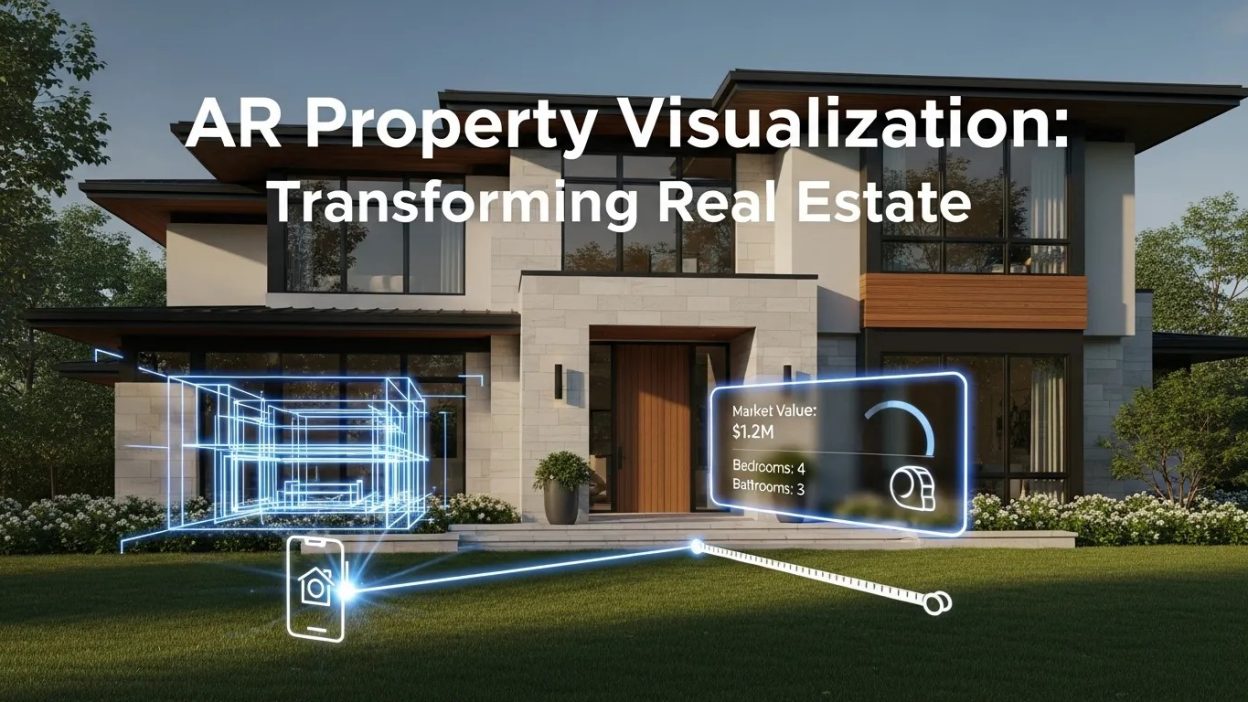
AR property visualization operates through sophisticated software that overlays digital content onto real-world environments. Users point their smartphones or tablets at physical spaces, and the technology superimposes 3D models, measurements, and design elements in real time. Advanced platforms utilize spatial mapping and object recognition to ensure virtual elements align perfectly with actual architectural features.
The technology relies on several core components working in harmony. Camera systems capture the physical environment, while processing algorithms analyze spatial data to create accurate digital representations. Cloud-based rendering engines generate high-quality visuals without requiring expensive hardware, making AR property visualization accessible to agencies of all sizes.
Modern AR property visualization platforms integrate with existing listing databases, automatically pulling property information and floor plans. This seamless integration reduces manual data entry and ensures consistency across marketing materials. Some systems even connect with smart home devices, allowing potential buyers to interact with lighting, climate control, and security features during virtual tours.
Enhancing Property Marketing Through Immersive
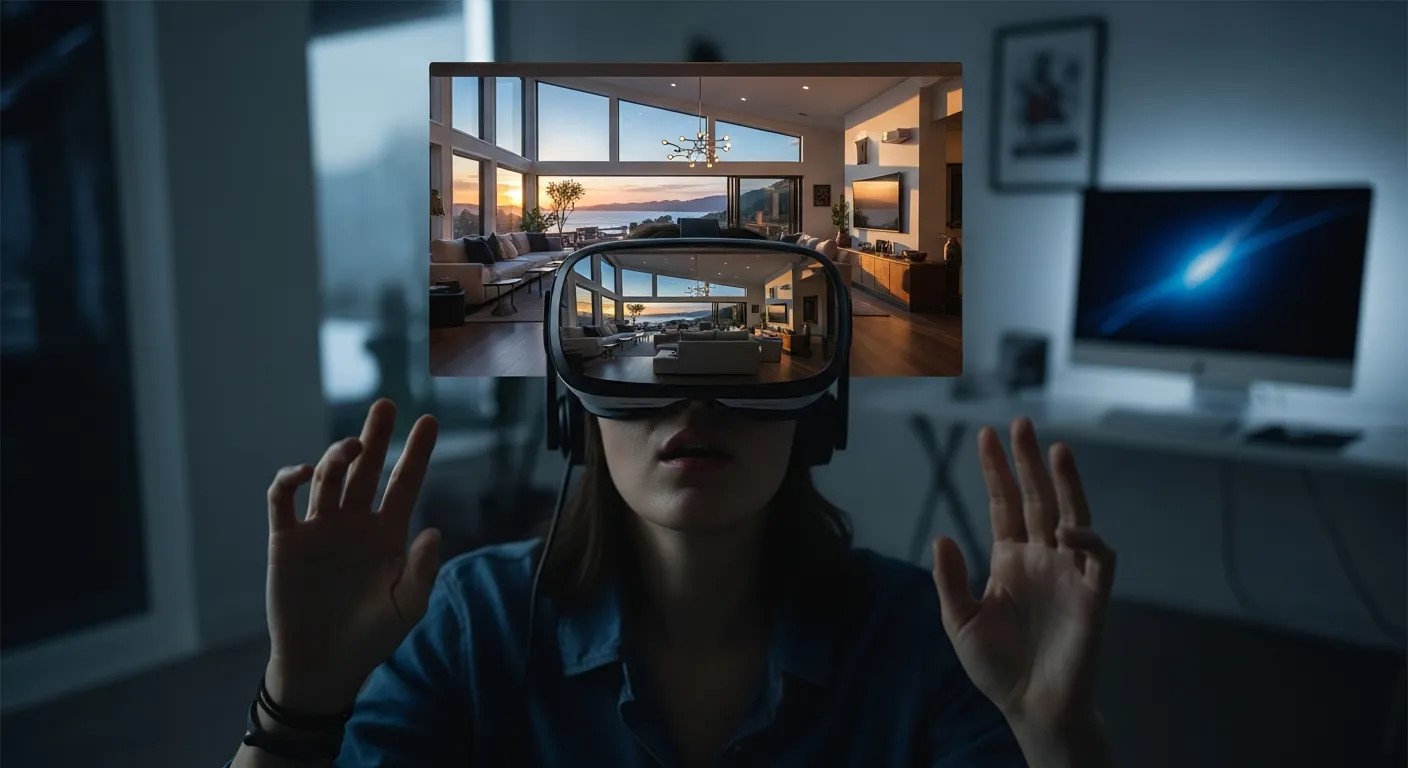
Marketing properties effectively requires capturing attention and maintaining engagement throughout the buyer’s journey. AR property visualization accomplishes both by offering interactive experiences that static photos and videos cannot provide. Listings featuring AR capabilities receive significantly more views and inquiries than traditional presentations, as buyers appreciate the ability to explore properties on their own terms.
The technology enables hyper-immersive AR marketing strategies that resonate with tech-savvy buyers. Real estate agencies create branded AR experiences that showcase not just individual properties, but entire neighborhoods and communities. Prospective buyers can visualize commute times, explore nearby amenities, and understand the lifestyle a location offers—all within a single application.
Next gen AR marketing techniques incorporate gamification elements that increase engagement. Interactive scavenger hunts guide users through property features, while customization tools let them experiment with paint colors, flooring options, and furniture arrangements. These interactive elements transform passive viewers into active participants, deepening their emotional connection to properties and increasing conversion rates.
Overcoming Distance Barriers in Global Real Estate
International property transactions historically faced substantial challenges related to physical distance. Buyers hesitated to invest in properties they couldn’t personally inspect, while sellers struggled to reach qualified prospects in distant markets. AR property visualization eliminates these friction points by delivering authentic spatial experiences regardless of geographical location.
Luxury developments targeting international investors particularly benefit from this technology. Wealthy buyers in Asia can tour Miami penthouses during their morning coffee, while European investors explore Dubai developments without leaving London. This accessibility expands market reach exponentially, connecting sellers with qualified buyers they might never otherwise encounter.
The technology also facilitates collaboration among distributed teams. Real estate agents, interior designers, and contractors can conduct virtual walk-throughs together, discussing renovation plans and design concepts as if standing in the same room. This collaborative capability streamlines decision-making and reduces project timelines, particularly for commercial developments requiring input from multiple stakeholders.
Accelerating Sales Cycles and Improving Conversion Rates

Time kills deals in real estate. The longer a buying decision takes, the greater the chance that buyers will lose interest, encounter competing properties, or face changing circumstances. AR property visualization compresses sales cycles by enabling buyers to thoroughly evaluate properties in minutes rather than weeks.
Buyers using AR property visualization arrive at in-person viewings already familiar with property layouts and features. They’ve eliminated unsuitable options remotely, focusing their time on properties that genuinely meet their needs. This pre-qualification process saves everyone involved countless hours while improving closing ratios.
Data analytics integrated within AR platforms provide valuable insights into buyer behavior. Real estate professionals can track which features attract the most attention, how long users spend in different rooms, and what customization options prove most popular. These behavioral insights inform pricing strategies, staging decisions, and targeted marketing campaigns that align with demonstrated preferences.
Transforming New Development Sales
Selling properties before construction completes presents unique challenges. Traditional marketing materials—renderings, floor plans, and model units require substantial imagination from buyers. AR property visualization bridges the gap between concept and reality, allowing buyers to experience finished spaces with remarkable accuracy.
Developers can showcase entire buildings on empty lots, complete with furnished interiors, landscaping, and surrounding neighborhood context. Buyers walk through virtual penthouses, explore amenity spaces, and understand sight lines and views from different floors. This immersive preview capability dramatically increases pre-construction sales, improving project financing and reducing developer risk.
The technology also facilitates rapid iteration during the design phase. Developers test different layouts, finishes, and amenity configurations through AR before committing to final plans. Buyer feedback collected during virtual tours informs design decisions, ensuring completed projects align with market preferences and reducing costly post-construction modifications.
Practical Applications in Commercial Real Estate
Commercial real estate transactions involve different considerations than residential sales. Corporate tenants evaluate properties based on workflow optimization, employee productivity, and brand alignment rather than emotional appeal. AR property visualization addresses these analytical requirements by enabling detailed space planning and customization.
Office space seekers can visualize different desk configurations, meeting room layouts, and collaborative work zones. Retail tenants preview how their merchandise will display in various store configurations, optimizing customer flow and sales per square foot. Industrial clients assess ceiling heights, loading dock access, and equipment placement without disrupting current tenants.
The technology also supports tenant improvements and lease negotiations. Landlords present buildout options through AR property visualization, helping prospective tenants understand renovation timelines and costs. This transparency builds trust and accelerates lease agreements by eliminating ambiguity around customization possibilities.
Integration with Smart Home Technology
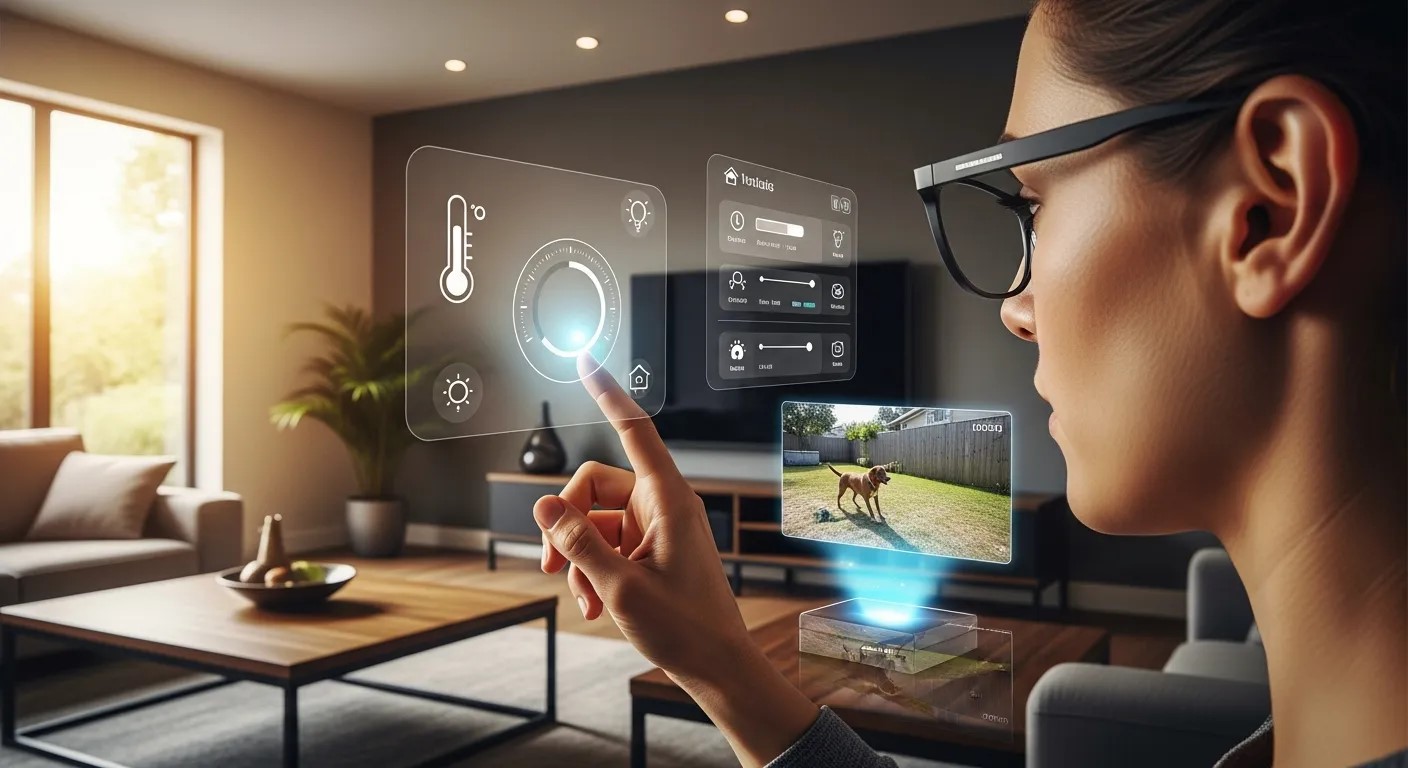
Modern buyers increasingly expect smart home integration, and AR property visualization showcases these technological capabilities effectively. During virtual tours, users can interact with smart thermostats, lighting systems, and security features, experiencing how these technologies enhance daily living.
This interactive demonstration proves particularly valuable for high-end properties where smart home systems represent significant value propositions. Buyers see exactly how voice commands control lighting, how automated window treatments respond to sunlight, and how integrated security systems monitor entry points. These demonstrations communicate value far more effectively than written descriptions or static feature lists.
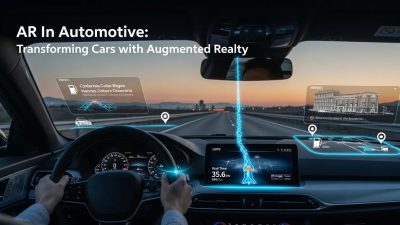
The automotive industry has successfully employed similar strategies through AR in automotive showrooms, where customers configure vehicles and explore features interactively. Real estate is following this proven model, creating immersive experiences that build buyer confidence and justify premium pricing for technology-enhanced properties.
Addressing Ethical Considerations in AR Marketing
As AR property visualization becomes more sophisticated, ethical questions emerge regarding accurate representation. While the technology enables stunning visualizations, marketers must balance aspirational presentations with truthful disclosure. Ethical AR marketing practices maintain trust while still showcasing properties in their best light.
Industry best practices require clear labeling when AR presentations include aspirational elements like proposed renovations or potential views after nearby construction. Transparency about what currently exists versus what might exist in the future protects buyers from disappointment while preserving the marketing power of visualization technology.
Professional standards also address data privacy concerns. AR applications often collect user behavior data, and responsible operators implement robust privacy protections while clearly communicating data usage policies. Maintaining ethical standards in these areas builds long-term credibility that benefits the entire industry.
Technical Requirements and Implementation Considerations
Implementing AR property visualization requires careful planning around technical infrastructure and user experience. While modern smartphones possess sufficient processing power for basic AR experiences, professional-grade applications demand higher specifications for optimal performance. Real estate agencies must balance feature richness against accessibility to ensure broad market reach.
Cloud-based platforms have democratized access to sophisticated AR property visualization tools. Agencies no longer need expensive in-house development teams or specialized hardware. Monthly subscription models make advanced technology affordable for independent agents and small brokerages, leveling the competitive playing field.
Integration with existing systems presents the primary implementation challenge. AR platforms must connect with MLS databases, CRM systems, and transaction management software to provide seamless workflows. Agencies investing in AR property visualization should prioritize platforms offering robust API connections and integration support to maximize operational efficiency.
Training and Adoption Among Real Estate Professionals
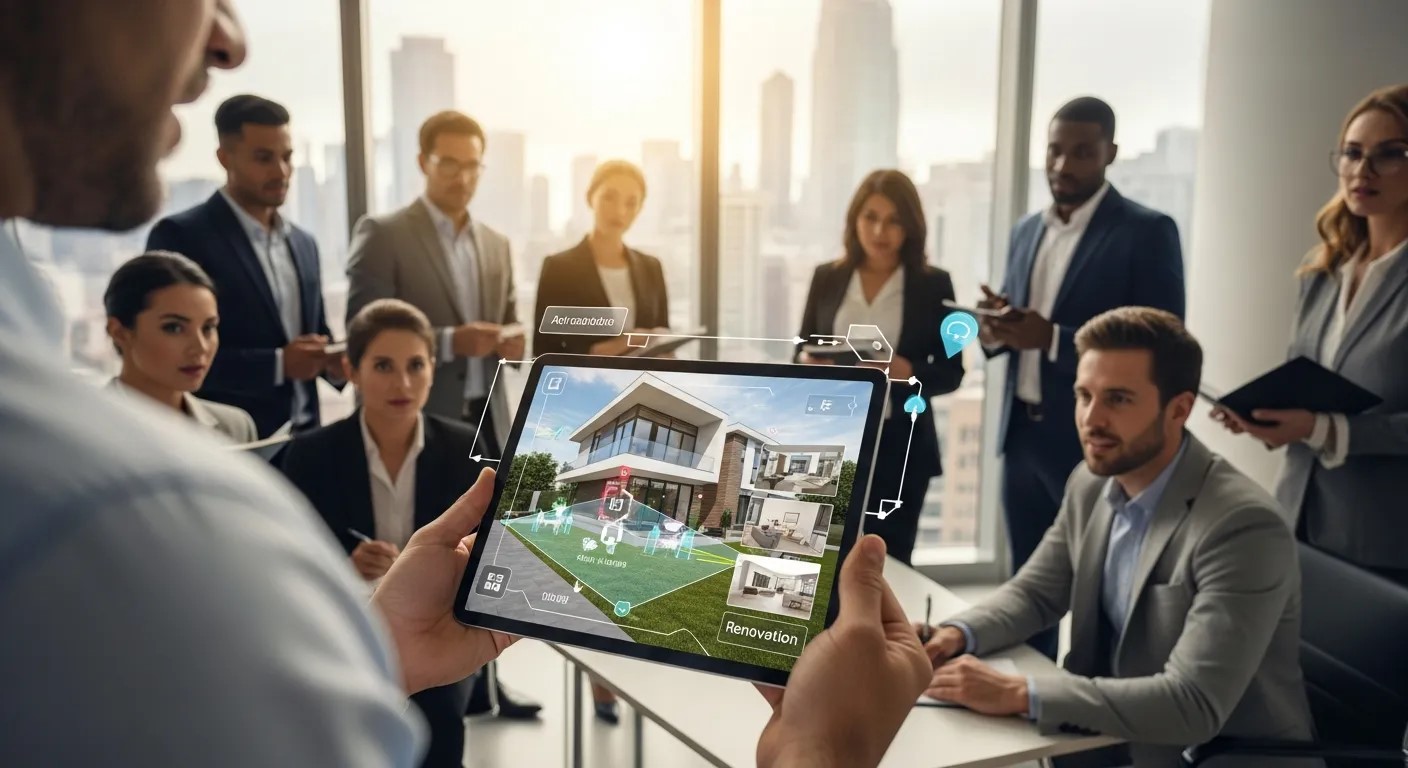
Technology adoption requires more than just purchasing software it demands cultural change and skills development. Real estate agencies successfully implementing AR property visualization invest in comprehensive training programs that build confidence and competence among agents.
Effective training addresses both technical skills and strategic application. Agents learn not just how to operate AR software, but when and how to deploy it for maximum impact. Role-playing exercises help agents incorporate AR property visualization naturally into buyer consultations and listing presentations.
Generational differences in technology comfort levels require tailored training approaches. Veteran agents may need more hands-on support and patience, while younger agents often master technical aspects quickly but require coaching on strategic application. Successful adoption programs recognize these differences and provide appropriate support for all skill levels.
Measuring ROI and Performance Metrics
Real estate agencies investing in AR property visualization need clear metrics to evaluate effectiveness and justify continued investment. Several key performance indicators provide insight into technology impact and return on investment.
Engagement metrics reveal how buyers interact with AR content. Time spent in virtual tours, feature interaction rates, and completion percentages indicate whether the technology captures and maintains attention. High engagement correlates with increased inquiry rates and stronger buyer motivation.
Conversion metrics connect AR usage to business outcomes. Tracking inquiry-to-showing ratios, showing-to-offer ratios, and average time-to-sale for AR-enhanced listings versus traditional listings quantifies the technology’s impact on sales efficiency. Cost per acquisition comparisons demonstrate whether AR marketing delivers superior value compared to traditional advertising channels.
|
Metric |
Traditional Property Marketing |
AR Property Visualization |
|---|---|---|
|
Engagement Level |
Passive viewing of photos/videos |
Interactive 3D exploration and customization |
|
Qualified Inquiry Rate |
15-20% of viewers |
35-45% of viewers |
|
Average Time to Sale |
60-90 days |
40-60 days |
|
Marketing Cost per Sale |
$3,000-$5,000 |
$2,000-$3,500 |
|
Buyer Satisfaction Score |
7.2/10 |
8.9/10 |
Future Developments in AR Property Technology
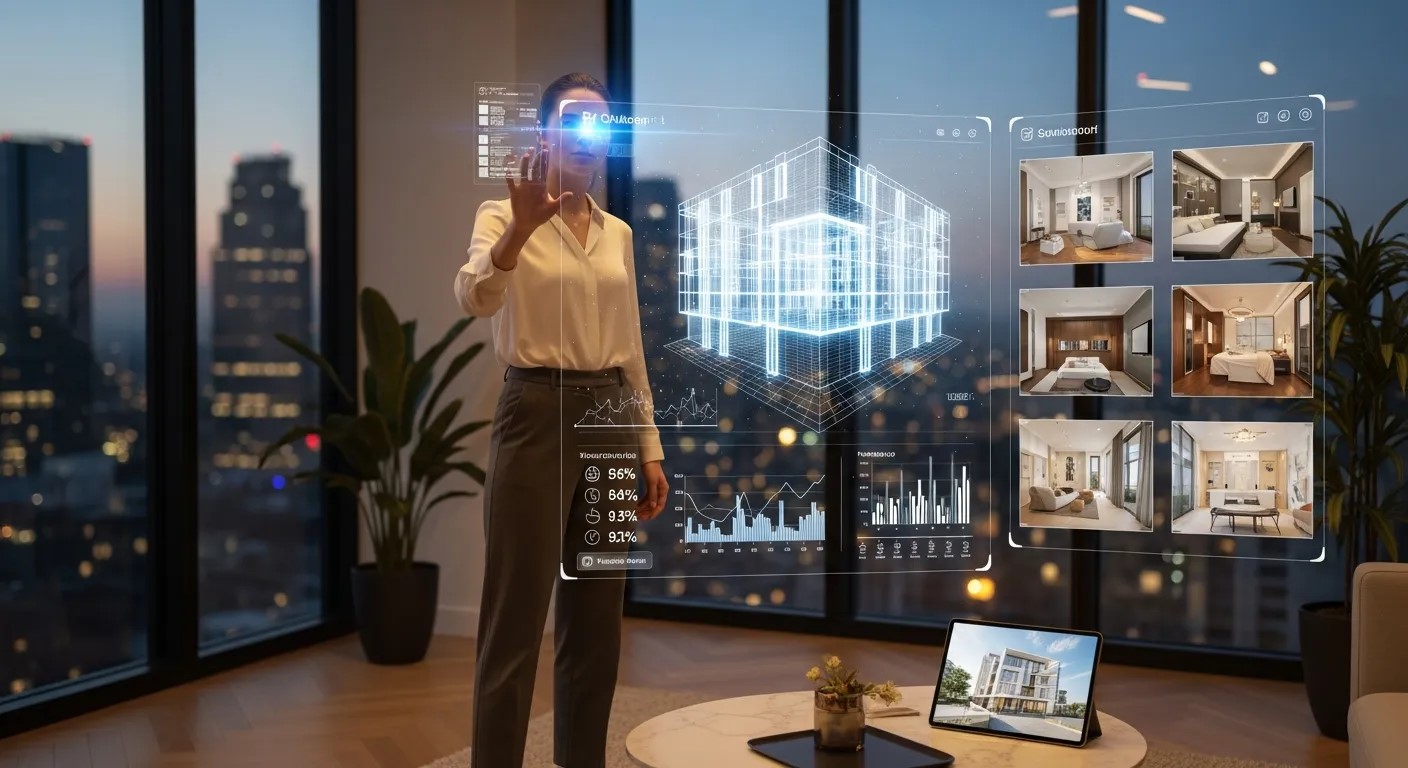
AR property visualization continues evolving rapidly as hardware capabilities improve and software becomes more sophisticated. Emerging developments promise even more immersive and useful applications for real estate professionals and buyers.
Wearable AR devices will eventually replace smartphone-based experiences, offering hands-free operation and wider fields of view. These devices will enable more natural property exploration, with virtual information overlaying physical spaces without requiring users to hold devices throughout tours.
Artificial intelligence integration will personalize AR property visualization based on individual buyer preferences. Systems will learn which features matter most to specific users and automatically highlight relevant aspects during tours. AI-powered virtual assistants will answer questions in real time, providing information about neighborhoods, schools, and amenities without requiring human agent availability.
Social features will enable collaborative property exploration, allowing couples or families to tour properties together despite being in different locations. Real-time annotation tools will let users mark favorite features and share observations, facilitating group decision-making in ways previously impossible with remote property evaluation.
Conclusion
AR property visualization represents a fundamental shift in how properties are marketed, evaluated, and sold. This technology addresses longstanding challenges in real estate transactions—geographical limitations, time constraints, and the difficulty of evaluating properties remotely. Agencies embracing these tools position themselves at the forefront of industry evolution, delivering superior experiences that today’s buyers increasingly expect. As hardware improves and software becomes more sophisticated, AR property visualization will transition from competitive advantage to industry standard, fundamentally reshaping real estate practices for decades to come.
Frequently Asked Questions
What equipment do I need for AR property visualization?
Most modern smartphones and tablets support AR property visualization through dedicated apps. Professional setups may include 360-degree cameras for capturing properties and tablets with larger screens for client presentations.
How much does AR property visualization cost?
Platform costs range from $50-$500 monthly depending on features and listing volumes. Custom development for large agencies starts around $10,000 for basic implementations.
Can AR property visualization work for commercial properties?
Yes, commercial real estate particularly benefits from AR visualization for space planning, tenant improvements, and showcasing large facilities that are difficult to photograph effectively.
Do buyers actually use AR features?
Studies show 70-80% of buyers engage with AR property visualization when available, spending average 8-12 minutes exploring properties versus 2-3 minutes viewing traditional photos.
How accurate are AR property measurements?
Modern AR platforms achieve 95-98% measurement accuracy when properly calibrated, sufficient for preliminary planning though professional surveys remain necessary for construction and legal purposes.
Will AR property visualization replace in-person viewings?
No, it complements rather than replaces physical viewings by helping buyers pre-qualify properties and arrive at showings better informed, making in-person time more productive.
How long does it take to create AR content for a property?
Basic AR tours can be created in 2-4 hours using smartphone capture and automated processing. Complex custom experiences requiring 3D modeling may take several days.
Can sellers use AR to stage empty properties?
Virtual staging through AR property visualization costs $50-$200 per room versus $2,000-$4,000 for physical staging, making it an economical alternative for vacant properties.
Is AR property visualization accessible for people with disabilities?
Leading platforms incorporate accessibility features including voice commands, adjustable text sizes, and compatibility with screen readers, though implementations vary by provider.
How does AR property visualization affect property values?
Properties marketed with AR typically sell 15-20% faster and command 2-5% price premiums due to broader exposure and improved buyer confidence from thorough remote evaluation.
What internet speed is required for AR property visualization?
Minimum 10 Mbps download speed provides acceptable performance, though 25+ Mbps ensures smooth experiences with high-resolution 3D models and real-time interactions.
Can AR property visualization integrate with virtual reality?
Yes, many platforms export content compatible with VR headsets, offering even more immersive experiences for buyers willing to use additional hardware for property exploration.