AR Technology blends digital overlays with the real world to enhance productivity, learning, and collaboration. It improves efficiency, supports better decisions, and creates immersive experiences. Strategic adoption enables businesses and individuals to unlock smarter, more intuitive interaction with information.
Introduction The Rise of a Hybrid Reality
AR Technology is no longer a futuristic concept confined to science fiction. It has evolved into a practical, transformative force that is reshaping how humans interact with information, environments, and each other. By layering digital elements onto the physical world, AR Technology creates an immersive bridge between what we see and what we can imagine. This fusion changes not only how we consume content but also how we perceive reality itself.
In today’s fast-moving digital ecosystem, people crave experiences that are intuitive, engaging, and meaningful. AR Technology answers this psychological need by making information visible, interactive, and context-aware. Instead of forcing users to look away from their surroundings to access digital tools, it embeds intelligence directly into their field of view. This seamless integration reduces cognitive friction and enhances decision-making, learning, and creativity.
As industries compete to deliver smarter and more human-centered experiences, AR Technology stands at the intersection of innovation and usability. From education and healthcare to retail and entertainment, its applications continue to expand, redefining what it means to interact with digital systems in a physical space.
Understanding the Core Foundations of AR
What Makes Augmented Reality Unique
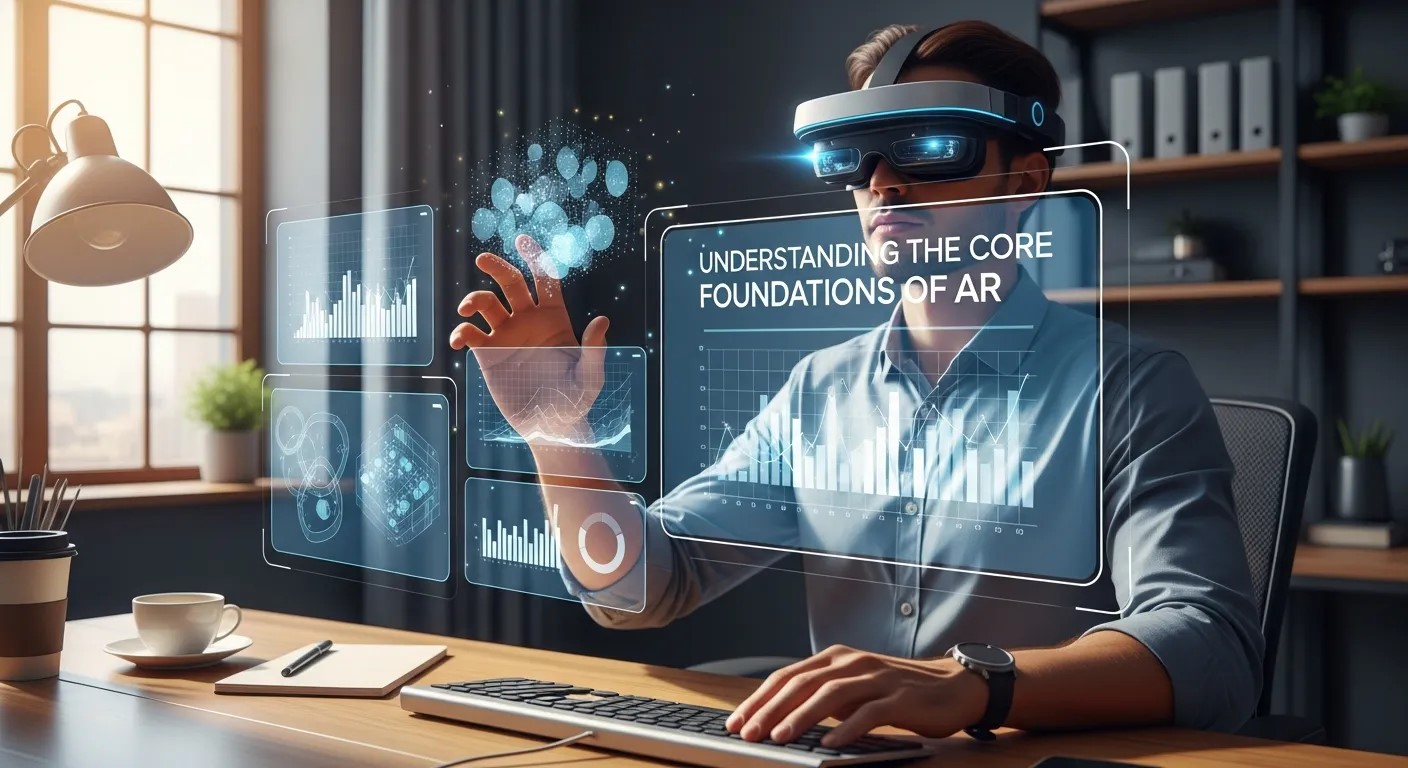
At its core, AR Technology enhances perception by overlaying computer-generated visuals, sounds, and data onto real-world environments. Unlike fully immersive virtual systems, augmented solutions maintain a user’s connection to the physical world while enriching it with digital context.
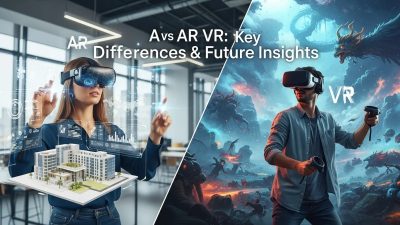
This distinction becomes clearer when comparing AR vs VR. While virtual environments replace reality with simulated spaces, augmented systems enhance existing surroundings. The psychological impact is significant. Users feel grounded and oriented, which increases trust, reduces motion discomfort, and supports longer engagement periods.
The power of AR Technology lies in its ability to transform passive observation into active participation. Users do not simply consume information; they interact with it spatially. This spatial interaction activates deeper cognitive processing, improving memory retention and comprehension.
The Technical Framework Behind Augmented Systems
Modern AR Technology relies on a combination of sensors, cameras, processors, and advanced software algorithms. These components work together to map environments, track motion, and anchor digital objects accurately within physical spaces.
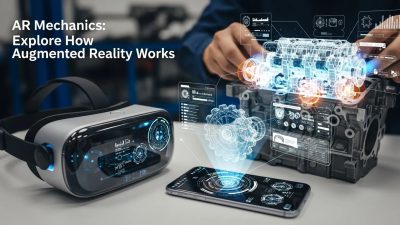
The field of AR Mechanics focuses on how digital elements behave in relation to real-world physics. Precise tracking ensures that virtual objects remain stable and believable, even as users move. Depth sensing, computer vision, and real-time rendering allow systems to respond dynamically to environmental changes.
This technical precision is not merely an engineering achievement. It is essential for creating psychological immersion. When digital overlays behave consistently with real-world expectations, users accept them as part of their environment, strengthening the illusion of integration.
Early Visionaries and Conceptual Breakthroughs
The journey of AR Technology began with visionary thinkers who imagined a future where digital information could coexist with physical reality. These AR Pioneers laid the conceptual groundwork for spatial computing and interactive visualization.
Researchers experimented with head-mounted displays, tracking systems, and graphical overlays long before consumer devices existed. Their work demonstrated that blending realities was not only possible but practical. Over time, improvements in processing power and miniaturization transformed experimental prototypes into accessible tools.
The legacy of these pioneers extends beyond hardware. They introduced design principles centered on human perception, ergonomics, and usability. These principles continue to guide modern development, ensuring that AR Technology evolves in harmony with human capabilities.
Acceleration Through Mobile and Wearable Devices
The widespread adoption of smartphones and wearable devices accelerated the growth of AR Technology. Mobile cameras and sensors provided a platform for real-time environmental interaction. Suddenly, millions of users could experience augmented features without specialized equipment.
Wearable displays further expanded possibilities by freeing users’ hands and enabling continuous interaction. This shift encouraged developers to explore new applications in navigation, collaboration, and training.
As ecosystems matured, integration with intelligent systems such as Voice Enabled Chatbots enhanced interactivity. Users could issue natural language commands, making augmented interfaces more conversational and accessible.
Transforming Industries Through Spatial Intelligence
Education and Experiential Learning
Education benefits profoundly from AR Technology because it aligns with how the brain processes visual and spatial information. Abstract concepts become tangible when students can manipulate 3D models in real space.
Interactive simulations foster curiosity and engagement. Learners actively explore instead of passively receiving information. This experiential approach strengthens understanding and retention, especially in complex subjects like science and engineering.
Collaborative augmented environments also encourage teamwork. Students can share visual perspectives and solve problems collectively, reinforcing social learning dynamics.
Healthcare and Precision Visualization
In healthcare, AR Technology enhances diagnostic accuracy and procedural efficiency. Surgeons can access real-time data overlays during operations, improving precision and reducing risk.
Medical training programs use augmented simulations to replicate complex scenarios safely. Practitioners gain hands-on experience without endangering patients. This blend of realism and safety accelerates skill development.
Patient education also improves when medical information is visualized clearly. Augmented explanations help individuals understand conditions and treatments, increasing confidence and compliance.
Retail and Consumer Engagement
Retail environments leverage AR Technology to create immersive shopping experiences. Customers visualize products in their own spaces before purchasing, reducing uncertainty and increasing satisfaction.
Interactive displays personalize recommendations and storytelling. Brands combining augmented interfaces with AI Multilingual Bots can communicate with diverse audiences seamlessly, expanding accessibility and inclusivity.
These experiences are not merely technological novelties. They tap into emotional drivers such as confidence, curiosity, and trust, influencing purchasing decisions.
Cognitive Engagement and Memory Formation
AR Technology enhances cognitive engagement by activating multiple sensory channels simultaneously. Visual, spatial, and interactive cues reinforce learning pathways.
When users manipulate digital objects in real space, they form stronger mental associations. This embodied interaction aligns with how humans evolved to understand their environment, making augmented experiences feel intuitive.
The sense of agency plays a crucial role. Users feel in control of their exploration, which increases motivation and satisfaction. This psychological empowerment drives sustained engagement.
Emotional Connection and Immersion
Immersion is not solely about realism; it is about emotional resonance. AR Technology creates moments of surprise and delight that capture attention and spark curiosity.
Shared augmented experiences foster social bonding. Friends and colleagues collaborate within enriched environments, strengthening interpersonal connections.
Designers who understand emotional triggers can craft experiences that inspire wonder, empathy, and creativity. These emotional responses transform technology into meaningful storytelling tools.
Enterprise Adoption and Workflow Optimization
Industrial Training and Simulation
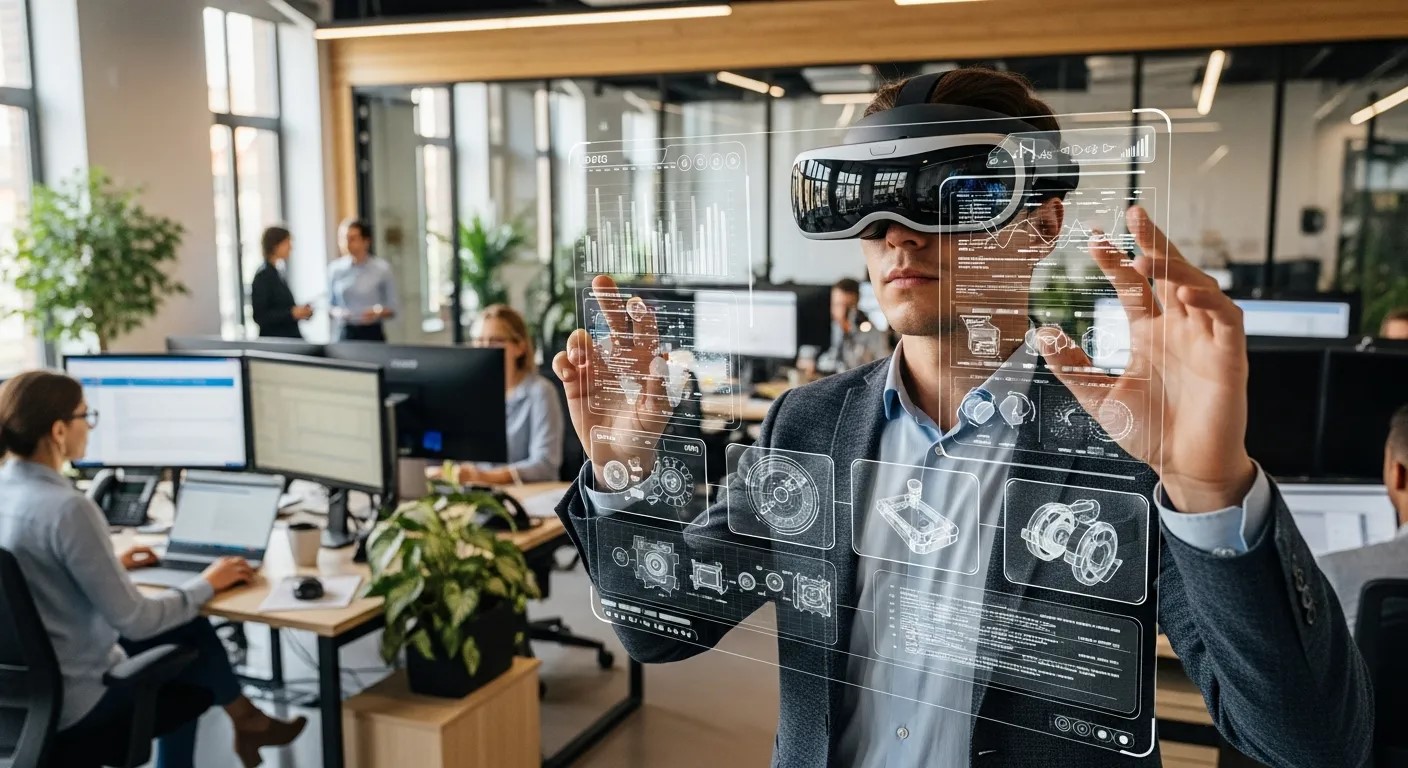
Organizations use AR Technology to streamline training processes and reduce operational errors. Workers receive contextual guidance directly within their field of view.
Interactive instructions minimize ambiguity and accelerate skill acquisition. Employees learn by doing, supported by real-time feedback.
This approach improves safety and productivity while lowering training costs. Companies gain a competitive advantage through efficient knowledge transfer.
Remote Collaboration and Assistance
Augmented collaboration tools connect experts and field workers across distances. Specialists provide visual guidance through shared overlays, solving problems faster.
This capability reduces travel expenses and downtime. Teams operate more efficiently while maintaining high-quality standards.
The integration of intelligent assistants enhances communication, ensuring that augmented systems respond intelligently to user needs.
Design Principles for Effective AR Experiences
User-Centered Interface Design
Successful AR Technology prioritizes clarity and simplicity. Overloading users with information can cause cognitive fatigue.
Designers must balance functionality with minimalism. Interfaces should enhance perception without obstructing natural vision.
Context-aware content ensures relevance. Systems deliver information precisely when and where it is needed.
Ethical and Privacy Considerations
As augmented systems collect environmental data, ethical responsibility becomes critical. Developers must protect user privacy and maintain transparency.
Clear consent mechanisms and secure data practices build trust. Responsible design ensures long-term acceptance and sustainability.
Emerging Trends and Future Directions
Spatial Computing Ecosystems
The evolution of AR Technology points toward integrated spatial computing ecosystems. Devices, platforms, and services will collaborate seamlessly.
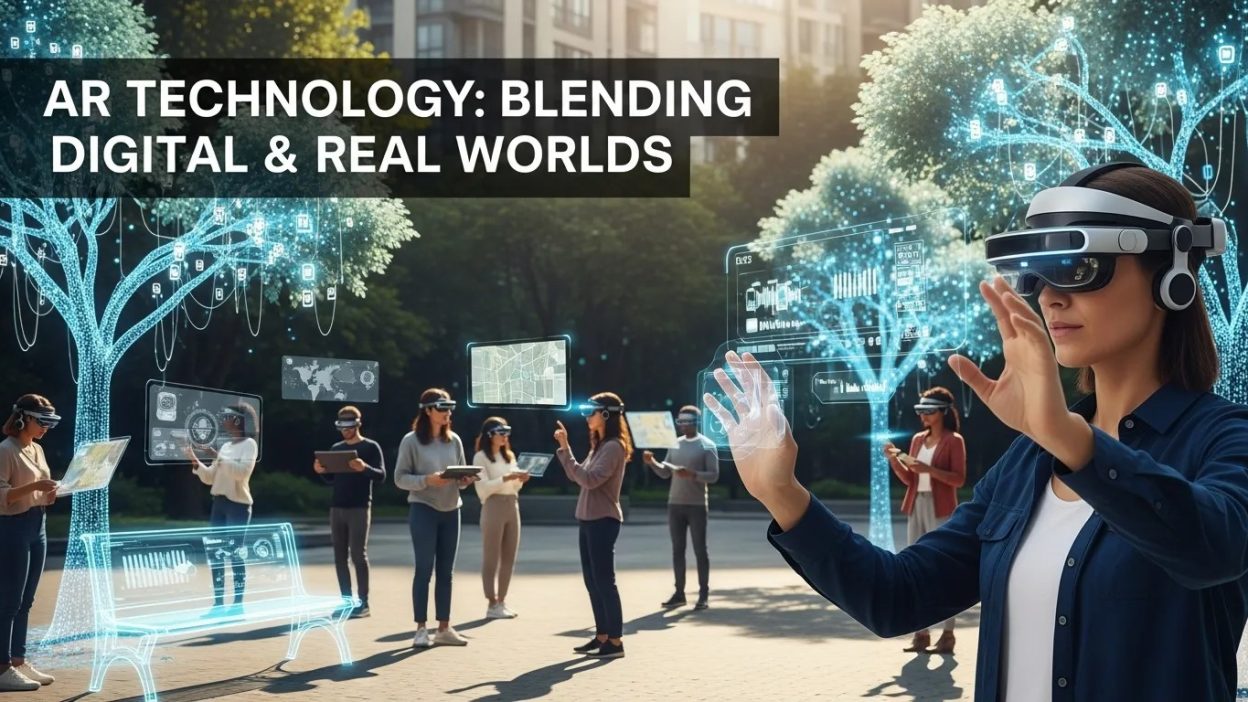
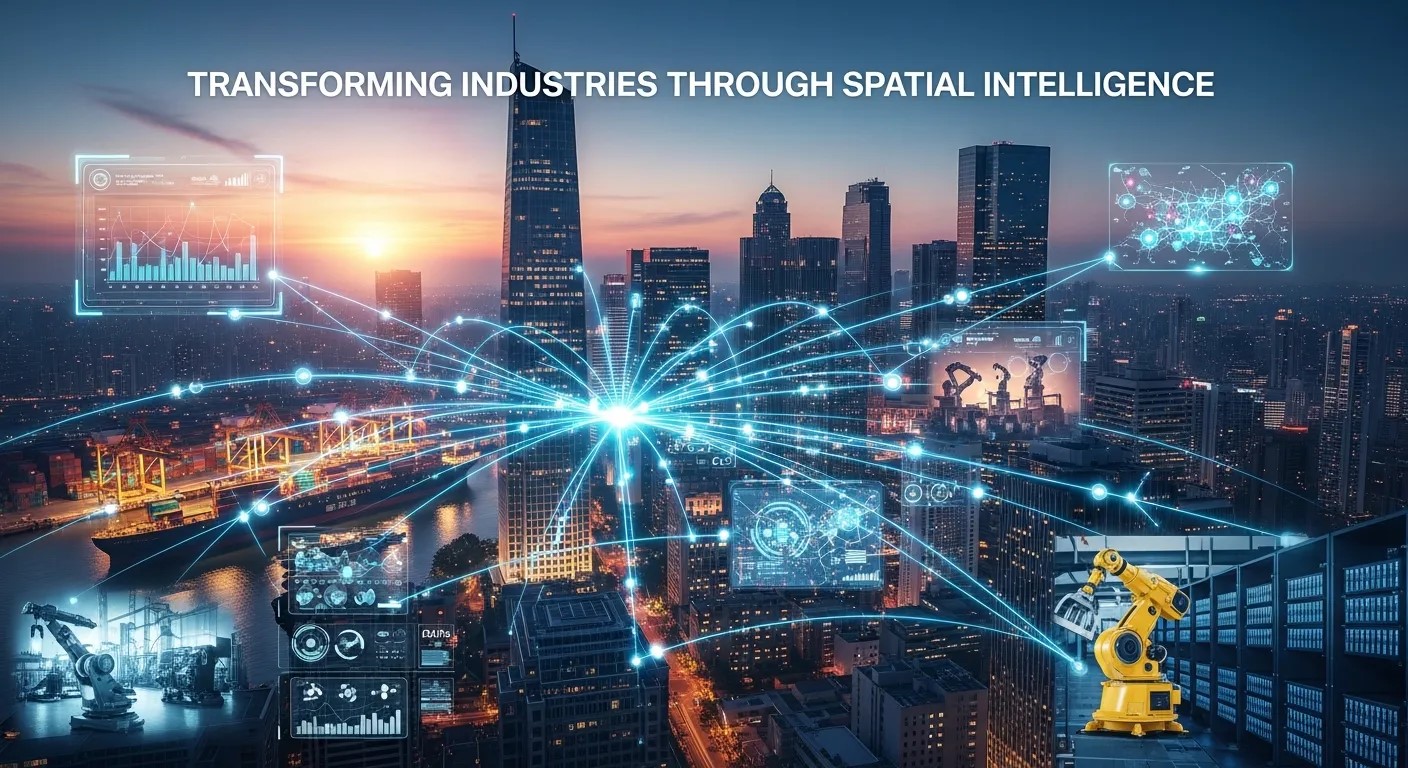
Persistent digital layers may transform cities into interactive information landscapes. Navigation, communication, and commerce will converge within augmented frameworks.
Advancements in hardware miniaturization and processing efficiency will expand accessibility. Lightweight wearables may become everyday companions.
Convergence with Artificial Intelligence
Artificial intelligence amplifies the capabilities of AR Technology. Intelligent systems interpret environments and user behavior in real time.
Predictive assistance anticipates needs and streamlines workflows. Adaptive interfaces personalize experiences for individual preferences.
This convergence creates dynamic ecosystems where digital intelligence and physical presence coexist harmoniously.
Societal Impact and Cultural Transformation

Redefining Communication and Creativity
AR Technology reshapes how people express ideas and share stories. Artists and creators use spatial media to craft immersive narratives.
Cultural institutions adopt augmented exhibitions to engage audiences interactively. Visitors explore layered histories and perspectives.
Communication becomes more visual and experiential, transcending traditional boundaries.
Accessibility and Inclusive Innovation
Inclusive design ensures that AR Technology benefits diverse populations. Adaptive interfaces accommodate different abilities and preferences.
Multisensory feedback expands accessibility. Augmented tools support learning and communication for individuals with disabilities.
By prioritizing inclusivity, developers create technologies that empower broader communities.
Challenges and Opportunities Ahead
Technical Limitations and Infrastructure Needs
Despite rapid progress, AR Technology faces challenges in battery life, processing power, and environmental mapping.
Reliable connectivity and standardized platforms are essential for scalability. Continued research addresses these limitations.
Collaboration between industry and academia accelerates innovation and problem-solving.
Balancing Innovation with Responsibility
The transformative potential of AR Technology demands thoughtful governance. Policymakers, developers, and communities must collaborate.
Ethical frameworks guide responsible deployment. Education and awareness promote informed adoption.
Balancing innovation with accountability ensures sustainable progress.
Strategic Implementation for Organizations
Integrating AR into Business Strategy
Organizations adopting AR Technology should align initiatives with strategic goals. Pilot programs test feasibility and refine workflows.
Cross-functional collaboration ensures successful integration. Training and support empower employees.
Measurement frameworks evaluate impact and guide continuous improvement.
Building Scalable Ecosystems
Scalability depends on modular architecture and interoperable platforms. Flexible systems adapt to evolving needs.
Partnerships with technology providers foster innovation. Shared standards promote compatibility.
Long-term planning positions organizations for sustained success.
The Expanding Horizon of Human-Technology Interaction
AR Technology represents a paradigm shift in how humans engage with digital information. By merging realities, it transforms perception, communication, and creativity.
As adoption accelerates, augmented experiences will become integral to daily life. Education, healthcare, industry, and culture will continue to evolve through spatial intelligence.
The journey ahead invites exploration and collaboration. By embracing innovation responsibly, society can harness the full potential of augmented systems to enrich human experience and bridge the gap between digital imagination and physical reality.
Strategic Integration of AR Technology in Modern Workflows
AR Technology is no longer an experimental innovation. It is becoming a strategic asset for organizations that want to improve operational clarity, reduce human error, and accelerate productivity. The real strength of AR Technology lies in contextual intelligence — delivering the right information at the right moment within the physical environment.
Instead of forcing users to switch between screens and tasks, AR Technology embeds digital assistance directly into real-world workflows. This reduces cognitive switching costs and improves focus. When workers receive visual cues in their immediate environment, task accuracy improves significantly.
From a psychological perspective, this works because the human brain processes spatial information faster than abstract data. AR Technology leverages this natural tendency, creating a smoother relationship between perception and action.
Operational Efficiency and Productivity Gains
One of the strongest business cases for AR Technology is efficiency improvement. Whether in logistics, maintenance, field service, or technical training, augmented overlays reduce uncertainty.
For example, technicians can see step-by-step repair guidance superimposed on machinery. Instead of interpreting manuals, they follow interactive visual directions. This reduces downtime and shortens training cycles.
Below is a structured overview of productivity impact:
| Business Function | Traditional Method | With AR Technology | Performance Improvement |
|---|---|---|---|
| Equipment Repair | Paper/manual instructions | Real-time visual overlays | Faster completion time |
| Employee Training | Classroom-based theory | Interactive hands-on simulation | Higher retention rate |
| Quality Inspection | Manual checklist review | Digital error detection overlays | Reduced defects |
| Warehouse Picking | Static barcode scanning | Smart directional guidance | Fewer picking errors |
| Remote Support | Phone/video explanation | Live augmented visual assistance | Faster resolution |
These improvements are not just technological. They influence employee confidence, reduce frustration, and increase job satisfaction.
AR Technology and Data Visualization
Complex information often overwhelms decision-makers when presented in flat dashboards. AR Technology changes this by converting abstract data into spatial visual models.
Managers can walk around 3D data structures, explore performance metrics layered onto physical spaces, and analyze real-time analytics within context. This immersive approach enhances pattern recognition and speeds up strategic decisions.
Spatial visualization improves:
-
Risk assessment clarity
-
Trend analysis comprehension
-
Cross-team communication
-
Strategic planning efficiency
When information becomes physically interactive, collaboration naturally improves. Teams align faster because everyone shares the same augmented visual reference.
Human Psychology Behind AR Technology Adoption
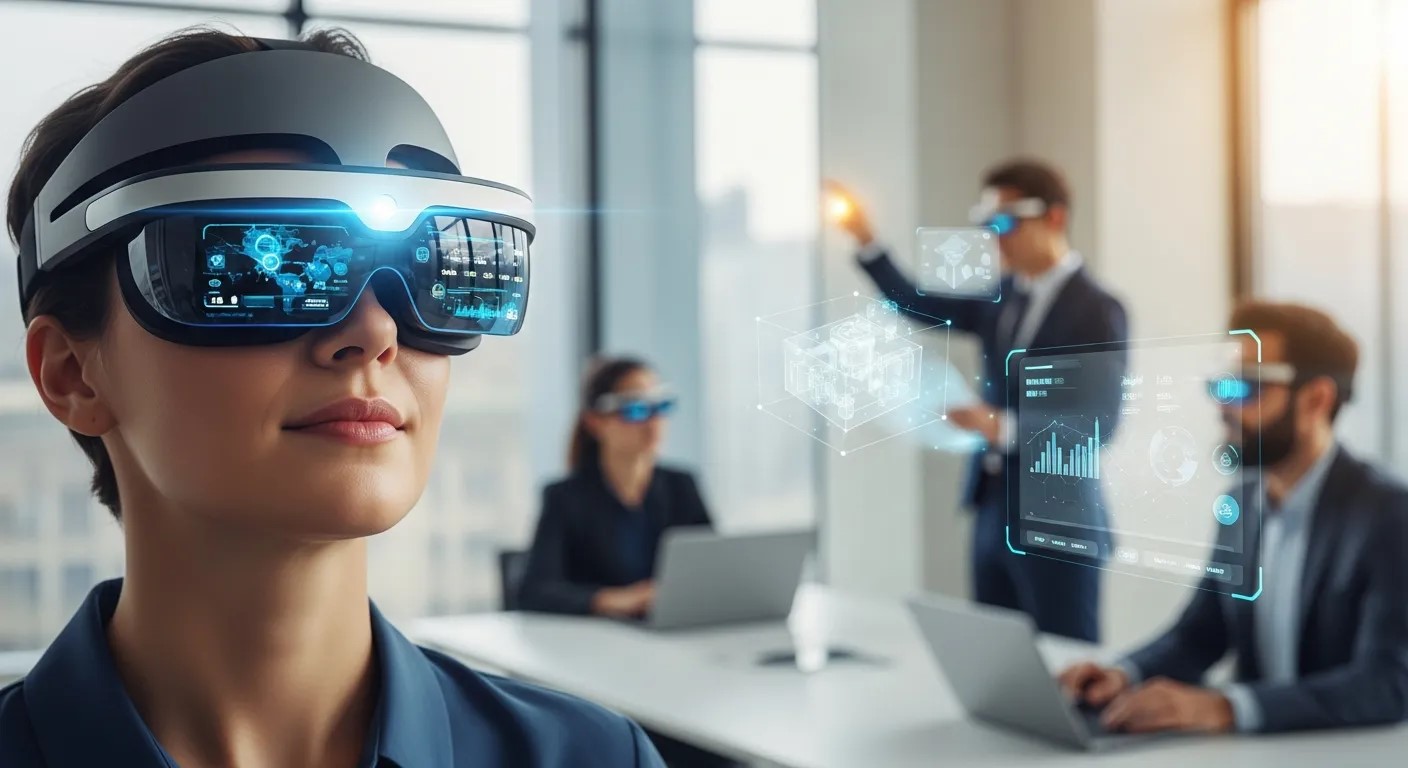
Technology adoption is rarely about features alone. It is about perception, trust, and usability. AR Technology succeeds when it feels intuitive rather than intrusive.
Several psychological drivers influence adoption:
| Psychological Factor | Role in AR Technology | Result |
|---|---|---|
| Cognitive Ease | Visual guidance reduces mental effort | Faster learning |
| Control Perception | Users manipulate spatial elements | Increased engagement |
| Context Relevance | Information appears when needed | Reduced overload |
| Immersion | Real-world integration | Higher retention |
| Social Presence | Shared augmented spaces | Stronger collaboration |
When AR Technology aligns with these factors, resistance decreases. Users feel empowered rather than overwhelmed.
Competitive Advantage Through Early Adoption
Organizations implementing AR Technology early often gain measurable strategic benefits. Early adoption builds internal expertise, encourages innovation culture, and improves adaptability.
Companies that integrate augmented workflows report:
-
Reduced training costs
-
Improved operational safety
-
Shorter project timelines
-
Enhanced customer experience
Customer-facing environments especially benefit. Interactive product visualization increases purchase confidence. Personalized experiences drive emotional engagement, which directly influences buying behavior.
Businesses that delay adoption risk falling behind as competitors optimize processes with augmented systems.
Implementation Roadmap for Businesses
Adopting AR Technology requires structured planning. A phased approach reduces risk and ensures measurable outcomes.
Expand gradually while refining systems.
Below is a simplified implementation structure:
| Phase | Objective | Key Action |
|---|---|---|
| Assessment | Define ROI potential | Analyze workflow inefficiencies |
| Pilot | Test feasibility | Deploy small-scale AR tools |
| Evaluation | Measure impact | Collect productivity data |
| Optimization | Improve usability | Refine interface design |
| Expansion | Scale system-wide | Integrate across departments |
A clear roadmap ensures AR Technology delivers measurable business value rather than becoming a short-term experiment.
Challenges and Practical Considerations
Despite its advantages, AR Technology still faces operational and technical challenges.
Common barriers include:
-
Hardware cost and maintenance
-
Battery limitations
-
Integration with legacy systems
-
Data security concerns
-
User adaptation resistance
Organizations must address these concerns proactively. Investment in cybersecurity, ergonomic hardware, and user education strengthens adoption success.
Long-term sustainability depends on aligning augmented solutions with real business objectives, not just technological trends.
The Expanding Role of AR Technology in Daily Life
Beyond enterprise environments, AR Technology continues expanding into everyday routines. Navigation systems overlay directions directly onto streets. Fitness applications provide posture corrections in real time. Home improvement tools allow users to preview furniture and renovations before making purchases.
As hardware becomes lighter and more affordable, augmented interfaces may become as common as smartphones. The integration of intelligent systems will further enhance personalization and responsiveness.
The broader vision of AR Technology is not to replace human capability but to amplify it. By merging digital intelligence with physical experience, it unlocks a new dimension of interaction where information becomes visible, contextual, and actionable.
This transformation signals a shift toward a spatially intelligent future one where digital and physical environments no longer compete but coexist seamlessly.
Conclusion
AR Technology is reshaping how humans interact with information by blending digital intelligence directly into the physical world. It enhances productivity, improves learning retention, and strengthens collaboration through immersive spatial interaction. Businesses gain efficiency, individuals gain clarity, and industries gain innovation advantages. By aligning with human psychology visual processing, contextual awareness, and intuitive interaction AR Technology becomes more than a tool; it becomes an experience enhancer. As hardware evolves and intelligent systems integrate further, adoption will accelerate across sectors. Organizations and individuals who strategically embrace AR Technology today position themselves at the forefront of a more connected, spatially intelligent future.
Frequently Asked Questions (FAQ)
What is AR Technology?
AR Technology overlays digital content onto real-world environments using devices like smartphones or smart glasses.
How is AR Technology different from VR?
AR Technology enhances the real world with digital elements, while VR creates a completely virtual environment.
Where is AR Technology commonly used?
It is widely used in education, healthcare, retail, manufacturing, and remote collaboration.
Is AR Technology expensive to implement?
Costs vary, but many businesses start with small pilot projects before scaling.
What is the future of AR Technology?
The future includes smarter integration with AI, lighter wearable devices, and broader adoption across industries.